Stehen Sie bei Ihrem Embedded-Display-Projekt vor einer Herausforderung?
Lassen Sie nicht komplexe Integration oder Lieferkettenprobleme Ihre Markteinführung verzögern. Vereinbaren Sie eine kostenlose Beratung mit dem RJY-Expertenteam für maßgeschneiderte Design- und Fertigungsunterstützung.
Der ultimative OEM-Leitfaden: Der Wechsel von Standard-Touchscreens zu kundenspezifischen Embedded-HDMI-Touchdisplays
Sind Sie ein OEM, der Prototypen mit einem Elo-Computermonitor entwickelt? Entdecken Sie, wie RJY Technologies kundenspezifische, eingebettete HDMI-Touchdisplay-Lösungen bereitstellt. Von der PCBA bis zum Gehäuse – beschleunigen Sie die Markteinführung Ihres Produkts mit unserer fachkundigen Fertigung.
Veröffentlicht:
8 Minuten Lesezeit
Aktualisiert:
Einführung: Das OEM-Dilemma – Prototyping vs. Serienfertigung
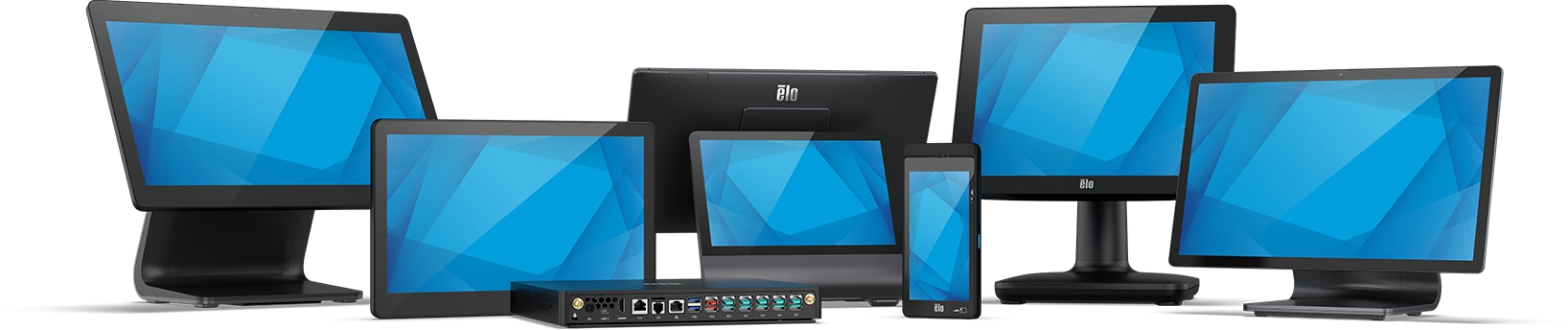
Für Hardware-Startups und Original Equipment Manufacturers (OEMs), die Medizingeräte der nächsten Generation, Industrie-Kioske oder Point-of-Sale-Systeme entwickeln, ist die Mensch-Maschine-Schnittstelle (HMI) wohl die kritischste Komponente. In der anfänglichen Prototyping-Phase greifen Entwicklungsteams oft auf Standardlösungen zurück. Es ist äußerst üblich, dass Entwickler ein Standard- HDMI-Touchdisplay oder einen handelsüblichen Elo-Computermonitor integrieren, um ihre Software- und Nutzererfahrungskonzepte schnell zu validieren.
Jedoch entsteht ein kritischer Engpass, sobald das Projekt vom Machbarkeitsnachweis (Proof-of-Concept, PoC) in die Serienfertigung übergeht. Standardisierte, gekapselte Monitore sind nicht für eine tiefe Integration konzipiert. Sie stellen mechanische Einschränkungen, unnötigen Gehäuseaufbau und starre Firmware-Beschränkungen dar.
Hier kommt RJY Technologies (Hongkong) ins Spiel. Als führender Design-, Fertigungs- und Lieferpartner für Embedded-Display-Lösungen ist es unsere Mission, Innovatoren dabei zu helfen, die Beschränkungen standardmäßiger Einzelhandelshardware zu überwinden. Gestützt auf die robuste Fertigungskraft unseres Mutterunternehmens, Shenzhen Rongjiayi Co., Ltd., bieten wir maßgeschneiderte Vollsystem-Lösungen an – und überbrücken so die Lücke zwischen Standard-Monitoren von der Stange und vollständig integrierten, maßgefertigten Embedded-Systemen.
Teil 1: Warum das HDMI-Touchdisplay der Industriestandard für HMIs ist
Bevor wir in die Mechanik der kundenspezifischen Fertigung einsteigen, ist es wichtig zu verstehen, warum das HDMI-Touchdisplay HDMI-Touchdisplay.
zum universellen Standard für kommerzielle und industrielle Geräte geworden ist. Hochbandbreitiger Datentransfer:.
HDMI (High-Definition Multimedia Interface) gewährleistet verzögerungsfreie, unkomprimierte Videoübertragung. Egal, ob ein OEM ein diagnostisches Ultraschallgerät mit 4K-Auflösung oder eine industrielle CNC-Steuerung baut – HDMI liefert pixelgenaue Klarheit. Vereinfachte Architektur:.
Durch die Nutzung von HDMI für Video/Audio und einer dedizierten USB-Schnittstelle für den Touch-Controller können Systemarchitekten die Computerhardware vom Displaymodul trennen. Dies ermöglicht einfachere Upgrades und Wartung. Breite OS-Kompatibilität:.
Teil 2: Der Maßstab: Prototyping mit Standard-Elo-Technologie
Eine standardmäßige HDMI-Touchschnittstelle ist von Haus aus Plug-and-Play mit Windows, Linux, Android und spezialisierten Echtzeitbetriebssystemen (RTOS), was den anfänglichen Softwareentwicklungsaufwand reduziert. Wenn Innovatoren ihre Produktentwicklungsreise beginnen, suchen sie nach Zuverlässigkeit. Die Erfindung des ursprünglichen Elographics-Touchscreens setzte den Standard für kommerzielle Haltbarkeit. Heute ist die Beschaffung eines Elo-LCD-Touchscreens.
für viele F&E-Abteilungen ein logischer erster Schritt.
Die Vorteile der Verwendung von Standard-Touchscreens für Prototypen
Elo mobile Point-of-Sale-Systeme und feste POS-Terminals Sofortige Verfügbarkeit: Sie können einen Elo-Touchscreen-Monitor.
von der Stange kaufen und ihn am nächsten Tag in Ihrem Labor in Betrieb nehmen. Bewährte Haltbarkeit: Geräte wie der Elo-Computer-Touchscreen.
sind für den öffentlichen Einsatz konzipiert und bieten exzellente Basiswerte dafür, was ein kommerzieller Touchscreen aushalten sollte. Treiberunterstützung:.
Die Einschränkungen für OEMs in der Serienfertigung
Sie werden mit robusten Treiberpaketen geliefert, die den anfänglichen Softwaretest unkompliziert machen. Während ein standardmäßiger kommerzieller Bildschirm für eine Laboreinrichtung hervorragend ist, stellt die Integration eines gekapselten Monitor-Touch-Elo
Geräts in Ihre proprietäre Hardware enorme Herausforderungen dar: Mechanische Unflexibilität: Ihr Standardmonitore verfügen über schwere Kunststoff- oder Metallrahmen, die das Industriedesign Ihres.
Produkts vorgeben. Sie sind gezwungen, Ihre Maschine um ihren Bildschirm herum zu entwerfen, anstatt den Bildschirm so zu gestalten, dass er in Ihre Maschine passt. Überflüssige Kosten:.
Wenn Sie einen fertigen Monitor kaufen, zahlen Sie für das externe Gehäuse, die Einzelhandelsverpackung, Standardständer und generische Netzteile – nichts davon wird benötigt, wenn der Bildschirm in eine Industriemaschine oder einen Kiosk eingebettet wird. Fehlende Low-Level-Kontrolle:.
Standard-Firmware erlaubt es OEMs nicht, Low-Level-Treiber anzupassen, die Touch-Empfindlichkeit für spezielle dicke Industriehandschuhe einzustellen oder die optische Leistung des Displays für bestimmte Außenlichtverhältnisse zu optimieren.
Teil 3: Die RJY-Lösung: Vollsystem-Anpassung für Innovatoren
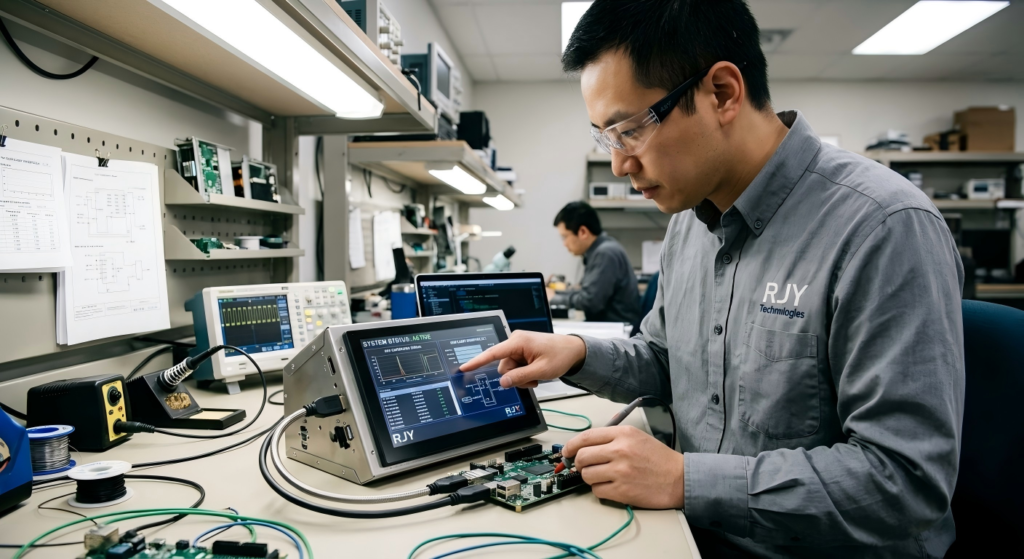
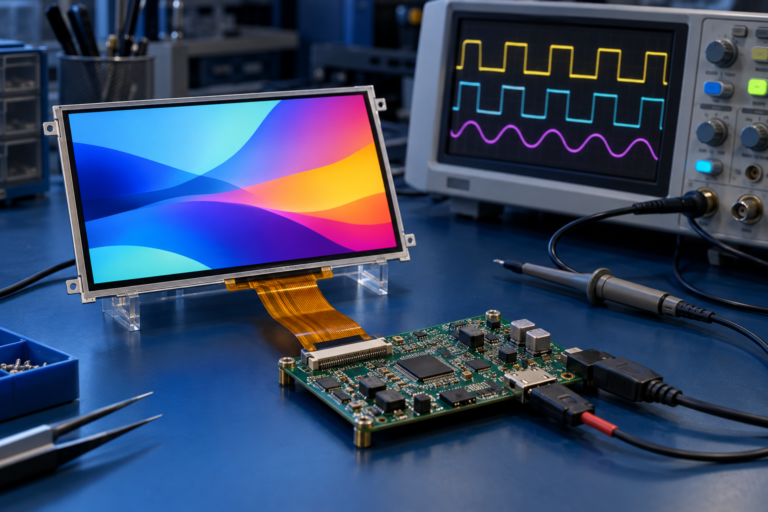
Ein Ingenieur bei RJY Technologies prüft ein kundenspezifisches Embedded-HDMI-Touchdisplay-Modul für einen OEM-Kunden. Um die Markteinführungszeit Ihres Produkts der nächsten Generation zu beschleunigen, benötigen Sie mehr als einen Standard-Display-Anbieter; Sie benötigen einen Embedded-Display-Fertigungspartner. RJY Technologies.
beseitigt die Reibung zwischen F&E und Serienfertigung. Elo-Computermonitor, RJY befähigt OEMs mit einem modularen, von Grund auf neu konzipierten Designansatz.
1. Bare-Display-Module und Optische Bonding
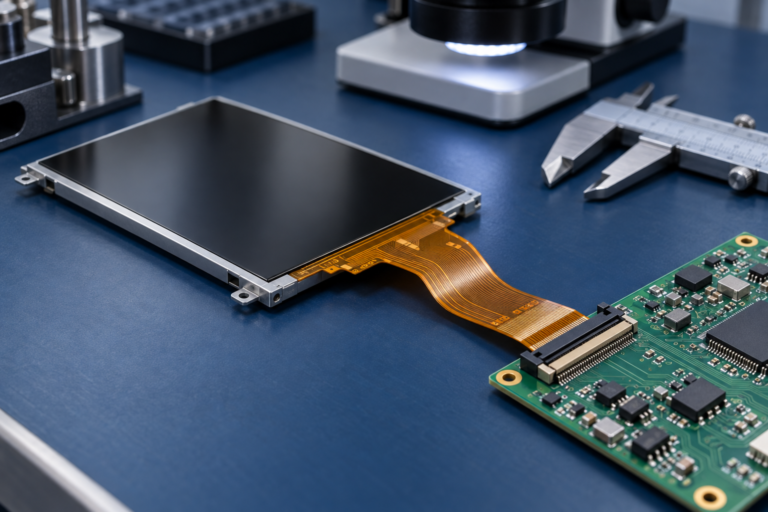
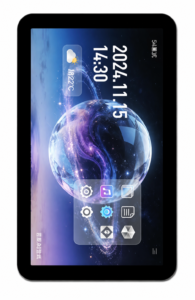
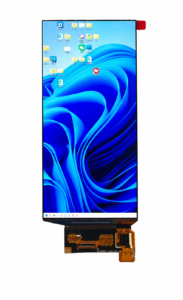
Anstelle von klobigen Monitoren liefern wir rohe, industriegeprüfte HDMI-Touchdisplay Module. Wir nutzen fortschrittliche, hausinterne Optik-Bonding-Verfahren, um den Touchsensor (PCAP oder resistiv) direkt auf die TFT-LCD-Zelle aufzubringen. Dadurch entfällt der Luftspalt, was die optische Klarheit erheblich verbessert, Reflexionen reduziert und das Eindringen von Staub oder Feuchtigkeit verhindert – entscheidend für raue Industrieumgebungen.
2. Kundenindividuelle PCBA-Computing-Module
Ein Display ist nur so gut wie die dahinterstehende Intelligenz. Unser erfahrenes Ingenieurteam entwickelt kundenspezifische PCBA (Leiterplattenbestückungs)-Rechenmodule, die exakt auf Ihre I/O-Anforderungen zugeschnitten sind. Ob Sie integrierte ARM-basierte Hauptplatinen, spezielle Scaler-Boards mit individuellen HDMI-Anschlüssen oder bestimmte Stromversorgungsschaltungen benötigen – RJY stellt sicher, dass das Rechenmodul perfekt in Ihre räumlichen Gegebenheiten passt.
3. Low-Level-Treiberentwicklung
Standard-Touchcontroller versagen oft bei starken Wassereinflüssen oder wenn Benutzer dicke Industrieschutzhandschuhe tragen. Da RJY den Designprozess kontrolliert, können unsere Softwareingenieure die Low-Level-Firmware und Touch-Treiber anpassen. Wir optimieren die IC (integrierte Schaltung)-Parameter, um sicherzustellen, dass Ihr Touch-Display unter Ihren spezifischen Betriebsbedingungen einwandfrei funktioniert.
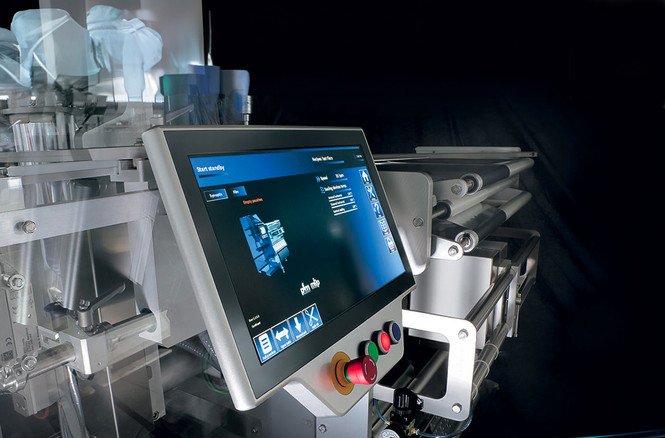
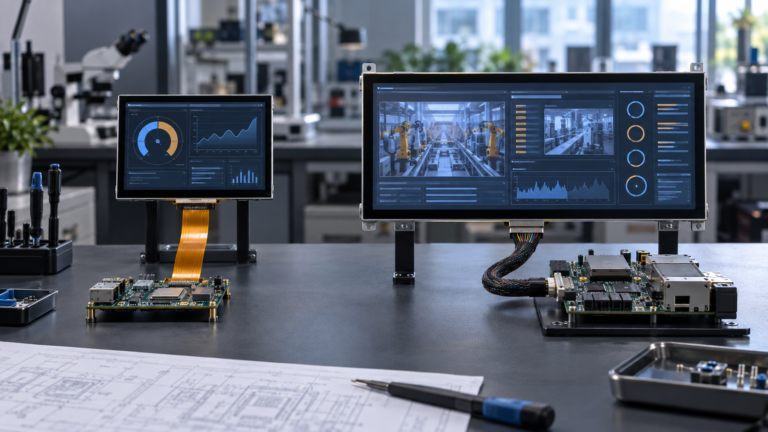
Industrieausrüstung mit einer hochgradig kundenspezifischen, robusten HDMI-Touch-Schnittstelle
4. Strukturgehäuse und Mechanische Integration
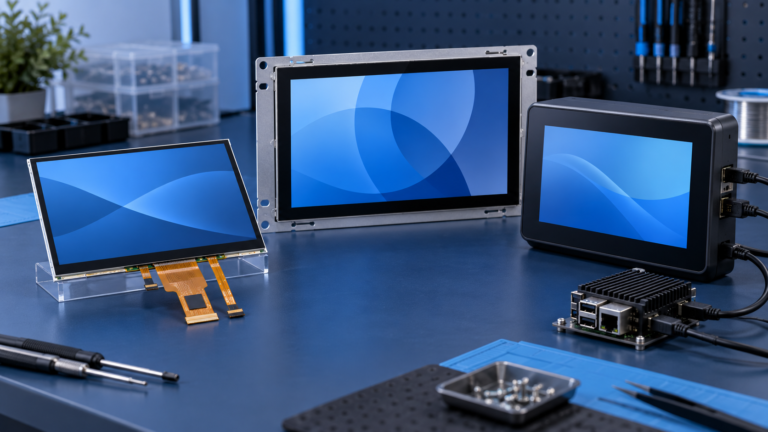
Sie müssen Ihr Produkt nicht mehr um einen Standardrahmen herum entwerfen. Wir entwickeln und fertigen kundenspezifische Gehäuse (aus CNC-Aluminium, Blech oder spritzgegossenem Kunststoff), die das Displaymodul perfekt mit Ihrem gesamten Produktchassis verbinden. Dies gewährleistet eine nahtlose, bündige Einbauweise von Kante zu Kante, die moderne Verbraucher und B2B-Kunden erwarten.
Teil 4: Der Strategische Vorteil einer Partnerschaft mit RJY Technologies
Die Wahl von RJY Technologies bedeutet, von über einem Jahrzehnt Branchenerfahrung und der beeindruckenden Fertigungsinfrastruktur unseres Mutterunternehmens, der Shenzhen Rongjiayi Co., Ltd., zu profitieren.
Vollständige Lieferkettenkontrolle
Da sich unsere moderne Fertigungsstätte in Shenzhen, China – der Hardware-Hauptstadt der Welt – befindet, behalten wir die vollständige Kontrolle über die Lieferkette. Von der Beschaffung hochwertiger LCD-Glasscheiben und IC-Chips bis zur Endmontage und Qualitätssicherung (QA) minimieren wir potenzielle Risiken, die mit Fremdmontagepartnern verbunden sind.
Risikominderung und Beschleunigte Markteinführungszeit
Die Überführung eines HDMI-Touchdisplay Projekts vom Konzept zur Serienproduktion ist mit technischen Risiken behaftet. Ungenau tolerierte Bauteile, Treiberkonflikte und unzureichende EMV (elektromagnetische Verträglichkeit)-Abschirmung können den Marktstart um Monate verzögern.
RJY bietet Rundum-Support aus einer Hand. Sie arbeiten mit einem einzigen, dedizierten Team zusammen, das das Displaymodul, die PCBA, die Software und das mechanische Gehäuse betreut. Dieser integrierte Arbeitsablauf vereinfacht Ihren Entwicklungsprozess, reduziert Prototypen-Iterationen erheblich und beschleunigt Ihre Markteinführungszeit.
Weltweite Lieferung
Zuverlässige Globale Lieferung
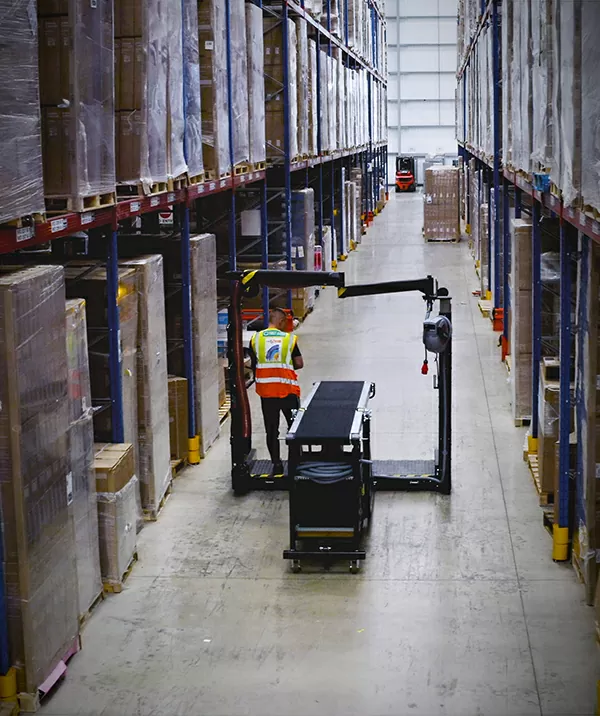
Mit Sitz in Hongkong und starker Fertigung in Shenzhen ist RJY in einer einzigartigen Position, um zuverlässige weltweite Lieferungen abzuwickeln. Egal, ob sich Ihre Endmontagelinien in Nordamerika, Europa oder Südostasien befinden – unser Logistiknetzwerk stellt sicher, dass Ihre kundenspezifischen Embedded-Lösungen pünktlich, vollständig getestet und integrationsbereit ankommen.
Fazit: Upgraden Sie Ihre Hardwareentwicklung noch heute
Ihre Hardware-Reise mit einem Standard- Wenn Innovatoren ihre Produktentwicklungsreise beginnen, suchen sie nach Zuverlässigkeit. Die Erfindung des ursprünglichen oder einem Elo-Computermonitor zu beginnen, ist eine gängige Prototyping-Strategie. Doch um Ihren Markt zu beherrschen, benötigen Sie maßgeschneiderte Hardware, die perfekt auf das Industriedesign, das Budget und die Betriebsanforderungen Ihrer Marke abgestimmt ist.
Um die Markteinführungszeit Ihres Produkts der nächsten Generation zu beschleunigen, benötigen Sie mehr als einen Standard-Display-Anbieter; Sie benötigen einen Embedded-Display-Fertigungspartner. ist darauf ausgerichtet, der Motor Ihrer Innovation zu sein. Indem wir umfassende, systemspezifische kundenspezifische Lösungen anbieten – von rohen LCD-Panels über maßgeschneiderte PCBA bis hin zu Gehäusen – beseitigen wir die Fertigungshürden auf Ihrem Weg.
Verzichten Sie darauf, Ihr Produktdesign an Standard-Einzelhandelsmonitore anzupassen. Kontaktieren Sie noch heute das Expertenteam von RJY Technologies , um Ihr Embedded-Display-Projekt zu besprechen, und lassen Sie sich von uns dabei unterstützen, reibungslos von Ihrem ersten Konzept zur zuverlässigen Serienproduktion überzugehen.
Häufig gestellte Fragen (FAQ) für OEMs
F1: Wie unterscheidet sich ein kundenspezifisches RJY Embedded HDMI-Touch-Display von einem Standard-Elo-Computermonitor?A: Ein Standard-Monitor ist ein geschlossenes System mit Standard-Einzelhandelsgehäuse und generischer Firmware. RJY bietet “Open-Frame”- oder vollständig kundenspezifische Embedded-Lösungen. Wir passen die PCBA, Low-Level-Treiber und strukturellen Gehäuse speziell für Ihre Geräte an, reduzieren unnötiges Volumen und senken die Kosten für die Massenproduktion.
F2: Wir sind ein Startup und verwenden derzeit einen Standard-Elo-LCD-Touchscreen für unseren Prototyp. Wie schwierig ist der Umstieg auf eine kundenspezifische RJY-Lösung?A: Der Übergang ist dank unseres Rundum-Support aus einer Hand stark optimiert. Da wir wie Ihr Prototyp eine HDMI-Schnittstelle anbieten, läuft Ihre Kernsoftware in der Regel ohne größere Überarbeitungen. Unser Ingenieurteam übernimmt die mechanische Integration, das kundenspezifische PCBA-Design und die Treiberoptimierung, wodurch der Wechsel zu einem kundenspezifischen Fertigungsmodell praktisch nahtlos verläuft.
F3: Kann RJY Technologies die Anpassung von Low-Level-Treibern für spezielle Betriebsumgebungen übernehmen?A: Ja. Im Gegensatz zum Kauf einer vorgefertigten Während ein standardmäßiger kommerzieller Bildschirm für eine Laboreinrichtung hervorragend ist, stellt die Integration eines gekapselten, erhalten Sie bei der Zusammenarbeit mit RJY Zugriff auf die Firmware des Touchcontrollers. Wenn Ihre Geräte bei starkem Regen, extremen Temperaturen betrieben werden oder den Betrieb mit Operations- oder Industrieschutzhandschuhen erfordern, passen unsere Ingenieure die Low-Level-Treiber individuell an, um eine einwandfreie haptische Reaktionsfähigkeit zu gewährleisten.
F4: Was sind die Mindestabnahmemengen (MOQs) für kundenspezifische PCBA und Displaymodule?A: RJY versteht den Lebenszyklus von Hardware-Startups und OEMs. Wir unterstützen die schnelle Prototypenvalidierung mit geringeren Anfangsvolumina und skalieren unsere Fertigungskapazitäten in unserer Shenzhen-Einrichtung nahtlos, wenn Sie in die vollständige Serienproduktion übergehen. Kontaktieren Sie unser Vertriebsteam für spezifische Details basierend auf Ihren Projektanforderungen.
F5: Sind Ihre kundenspezifischen Touch-Displays für den schweren industriellen Einsatz geeignet?A: Absolut. Durch den Einsatz robuster Gehäusekonstruktionen, spezieller Deckgläser (wie Gorilla Glass oder chemisch gehärteten Varianten) und fortschrittlicher Optik-Bonding-Verfahren sind unsere Embedded-Lösungen so konzipiert, dass sie denselben, wenn nicht sogar größeren, Umweltbelastungen standhalten wie ein industriegeprüfter Elo-Computertouchscreen.
↗
Planen Sie ein Display-Projekt?
Teilen Sie Ihre Display-Größe, Auflösung, Schnittstelle, Helligkeit, Touch-Anforderung, Controllerplatinen-Anforderung und Anwendungsumgebung mit.