

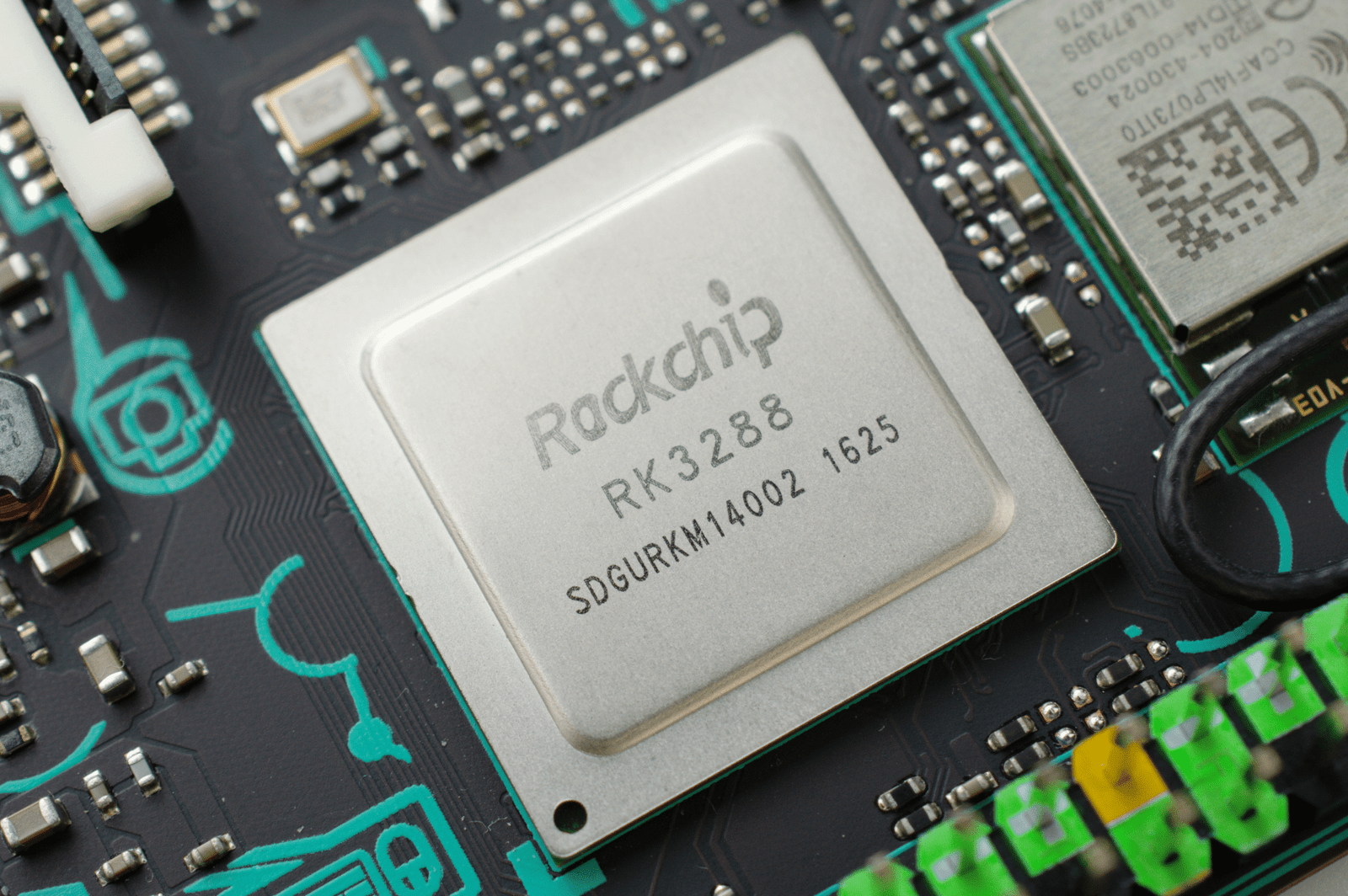
1. What is Rockchip? The Multimedia and AI Powerhouse
Rockchip (Rockchip Electronics) has evolved from a consumer-centric chip designer into a formidable player in the AIoT and industrial sectors. Known for its aggressive performance roadmaps and high integration, Rockchip chips are often the “muscle” behind multimedia-heavy applications.
1.1 The RK3588 Revolution
The flagship RK3588 has redefined the “performance-per-dollar” metric. Featuring an 8-core CPU (Cortex-A76 and A55) and an integrated 6 TOPS NPU, it handles complex machine vision and 8K video encoding with ease.
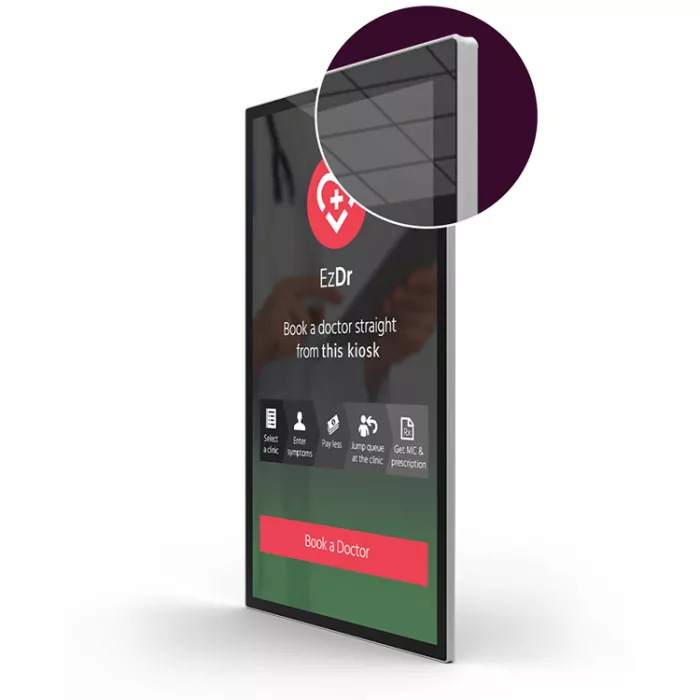
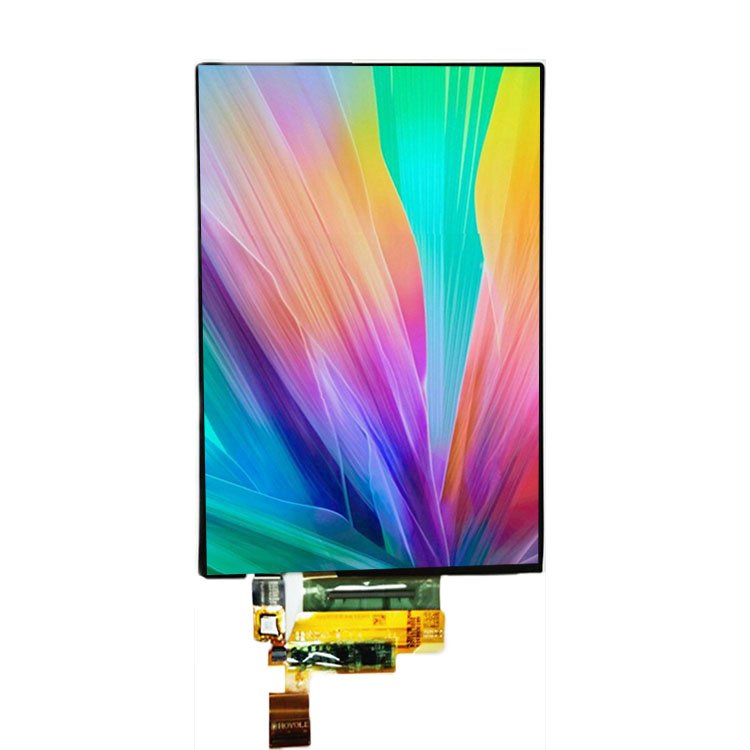
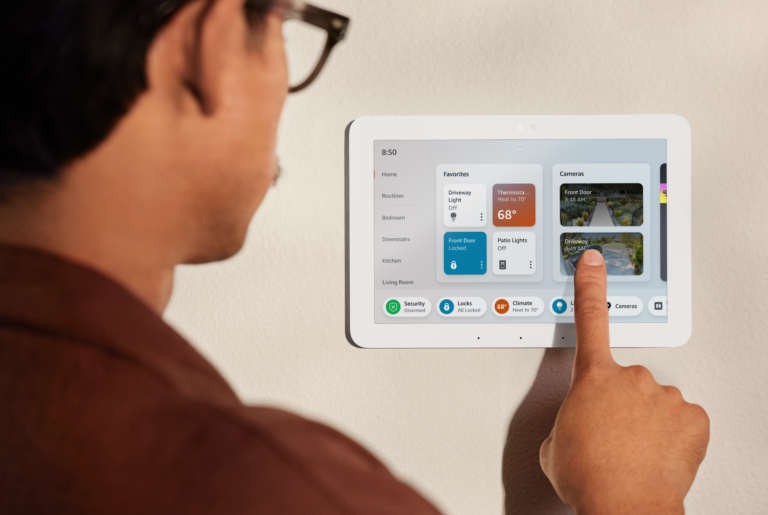
- The Hook: While many industrial chips struggle with basic 1080p UI fluidity, Rockchip offers a smartphone-like experience on large-scale lcd touch panel interfaces.
- Target Markets: Smart retail kiosks, high-end digital signage, and AI-driven service robots.
1.2 Agility and Modern OS Support
One of Rockchip’s greatest strengths is its speed. It is often the first to offer stable BSPs (Board Support Packages) for new Android versions. For developers aiming to launch an Android 14 system board, Rockchip provides a streamlined path to modern software features and security patches.
2. NXP: The Gold Standard for Stability and Safety
If Rockchip is the high-speed disruptor, NXP Semiconductors is the fortified castle. Based in the Netherlands, NXP’s i.MX series is synonymous with the automotive and medical industries.
2.1 Longevity: The 15-Year Promise
The most significant advantage of NXP is its Product Longevity Program. For a medical OEM, a 10-to-15-year supply guarantee is vital.
- Certification Ready: NXP chips come with extensive documentation for functional safety (FuSa) and AEC-Q100 (automotive) certifications.
- Security First: Features like EdgeLock® and high-level hardware encryption make NXP the go-to for secure gateways and mission-critical controllers.
2.2 Thermal Efficiency
NXP’s i.MX 8 and i.MX 9 series often operate at significantly lower power envelopes (typically 2-4W) compared to high-end Rockchip variants. This makes them ideal for fanless, sealed industrial cabinets where thermal management is a constraint.
3. Direct Comparison: Rockchip vs. NXP
To help you decide, let’s look at the key metrics that drive selection at RJY:
| Fonctionnalité | Rockchip (e.g., RK3588) | NXP (e.g., i.MX 8M Plus) |
| CPU/GPU Power | Superior (High core counts, 8K Video) | Adequate (Industrial focus) |
| AI Inference | Haut (Up to 6 TOPS NPU) | Moderate (2.3 TOPS NPU) |
| Longévité | 5–7 years typical | 10–15 years guaranteed |
| Support logiciel | Rapide Android 14 & Linux SDKs | Mainline Linux & Yocto focus |
| Certifications | Commercial/Industrial | Automotive/Medical/Safety |
| Rapport coût-efficacité | Excellent | Prime |
4. When is Rockchip “Better”?
“Better” is subjective in engineering. Rockchip wins when your project prioritizes:
- Multimedia Performance: If your HMI requires dual-4K or single 8K displays with a responsive, gesture-heavy UI.
- Edge AI Processing: For vision-guided robots that need to process object recognition in real-time without cloud dependency.
- Time-to-Market: Leveraging Rockchip’s Shenzhen Agility allows for rapid prototyping and faster deployment of modern Android 14 system board solutions.
5. When Should You Stick with NXP?
NXP remains the undefeated champion for:
- Critical Infrastructure: Where a system failure could lead to injury or massive financial loss.
- Long Lifecycle Products: If you cannot afford to redesign your hardware every 5 years.
- Power-Constrained Devices: Battery-operated or handheld industrial tools.
6. RJY’s Full-Cycle Integration: The Bridge to Innovation
As a full-cycle innovation hardware provider, RJY doesn’t just sell chips; we build the system. Whether you choose the raw power of Rockchip or the stability of NXP, we ensure deep integration between the computing core and the display module.
Custom Carrier Boards & Software Tuning
Our engineering team specializes in:
- Custom Carrier Boards: Tailoring the I/O for LiDAR, CAN-bus, or medical-grade sensors.
- Deep OS Customization: Optimizing the Android 14 system board kernel to ensure your lcd touch panel responds with zero latency.
- Industrial-Grade Quality: Applying “Shenzhen Agility” to high-quality manufacturing standards, ensuring your Rockchip-based robot or NXP-based monitor survives the harshest environments.
Conclusion: Designing for the Future
Choisir entre Rockchip and NXP is not about which silicon is “faster,” but which roadmap aligns with your business goals. Rockchip offers a path to cutting-edge multimedia and AI at an unbeatable price, while NXP offers the peace of mind that comes with decades of industrial heritage.
Au RJY, we help you navigate this silicon maze. By integrating high-performance computing with advanced display technology, we empower your innovation to be both powerful and reliable.
Ready to select the brain for your next device?
Contact RJY Engineering today for a deep-dive consultation on Rockchip and NXP integration. Let us help you build the “brain” and “eyes” of your next breakthrough.

 English
 Français
 Deutsch
 日本語
日本語 한국어
한국어 Italiano
 Português
 Español