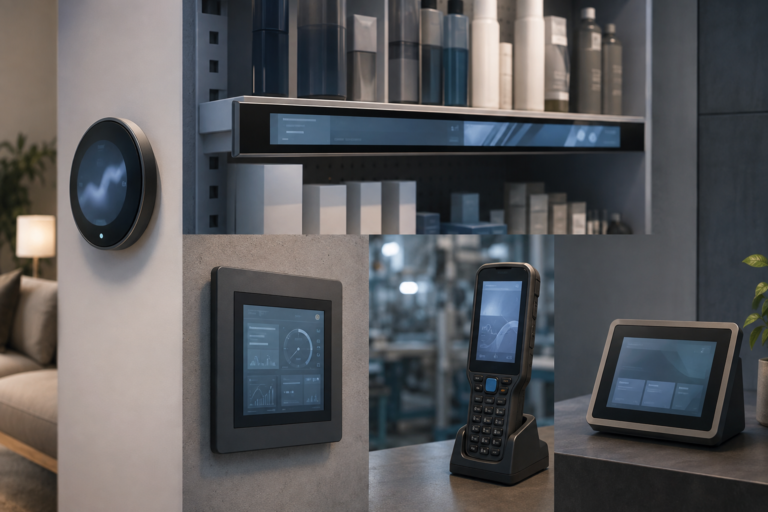
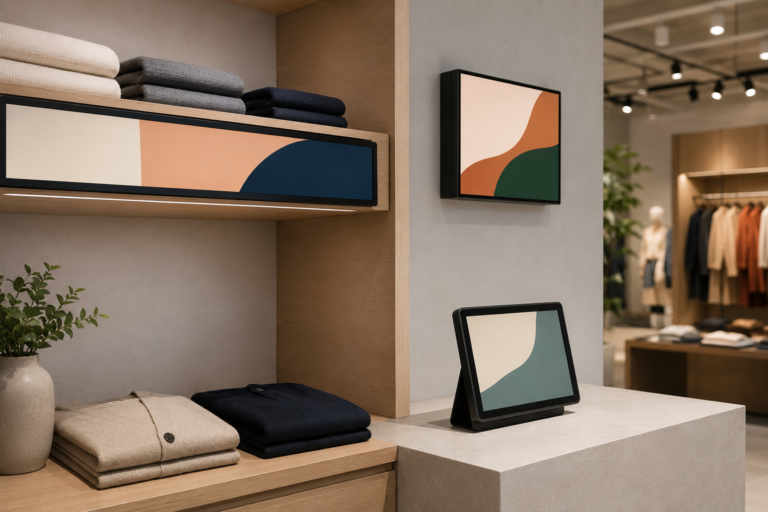
Stehen Sie bei Ihrem Embedded-Display-Projekt vor einer Herausforderung?
Lassen Sie nicht komplexe Integration oder Lieferkettenprobleme Ihre Markteinführung verzögern. Vereinbaren Sie eine kostenlose Beratung mit dem RJY-Expertenteam für maßgeschneiderte Design- und Fertigungsunterstützung.
In der Welt der eingebetteten Systeme, industrieller Schnittstellen und Unterhaltungselektronik ist das TFT-LCD-Displaymodul mehr als nur ein Bildschirm – es ist das Herzstück der Benutzererfahrung. Die Auswahl des richtigen Displaymoduls kann die Leistung, den Stromverbrauch, die Haltbarkeit und die Kosten Ihres Produkts erheblich beeinflussen. Angesichts der rasanten Entwicklung der Displaytechnologien ist die Entscheidung für das richtige Modul sowohl eine strategische als auch eine technische Entscheidung.
Veröffentlicht:
12 Minuten Lesezeit
Aktualisiert:
Was ist ein TFT-LCD-Displaymodul?
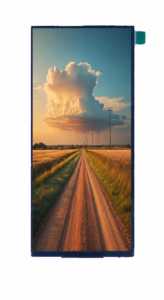
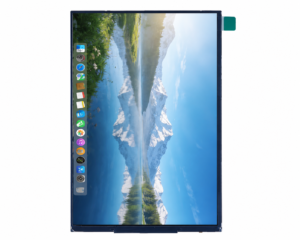
A TFT-LCD-Displaymodul ist eine eigenständige Einheit, die ein Dünnschichttransistor (TFT)-LCD-Panel, eine Hintergrundbeleuchtung, Ansteuerelektronik und manchmal Touch-Funktionalität umfasst. Es dient als Mensch-Maschine-Schnittstelle (HMI) in verschiedenen Geräten wie medizinischen Monitoren, Bedienfeldern, Automobilarmaturenbrettern und intelligenten Haushaltsgeräten.
Während der Begriff “TFT-LCD” sich auf die Displaytechnologie selbst bezieht, umfasst das “Modul” alle unterstützenden Komponenten, die zum Ansteuern und Darstellen von Inhalten erforderlich sind, was es zu einer Plug-and-Play-Lösung für Ingenieure und Entwickler macht.
Schlüsselkomponenten eines TFT-LCD-Moduls
TFT-Panel: Die Hauptanzeigefläche, auf der Pixeldaten gerendert werden.
Hintergrundbeleuchtung: LED-basiertes System zur Beleuchtung, üblicherweise weiße LEDs.
Treiber-IC: Der Chip, der Bilddaten vom Host-Prozessor empfängt und Pixelaktualisierungen steuert.
FPC (Flexible Leiterplatte): Kabel, das das Display mit der Hauptplatine verbindet, oft anpassbar.
Touchpanel (optional): Resistive oder kapazitive Sensoren für Benutzerinteraktion.
Abdecklinse oder Gehäuse (optional): Bietet Schutz oder mechanische Integration.
Jede Komponente kann je nach den Anforderungen Ihrer spezifischen Anwendung angepasst werden.
TFT-LCD-Module gibt es in einer Vielzahl von Konfigurationen, und die Wahl des falschen Typs für Ihre Anwendung kann zu Leistungsproblemen oder übermäßigem Engineering führen. Das Verständnis der Kategorien kann Ihnen helfen, Ihre Auswahl einzugrenzen:
Standard-TFT-LCD
Der gebräuchlichste Typ. Preiswert, leicht verfügbar und verwendet in allgemeinen Konsum- oder Industrieprodukten, bei denen anspruchsvolle Grafiken keine Priorität haben.
IPS-TFT (In-Plane Switching)
Bietet bessere Farbgenauigkeit und größere Betrachtungswinkel. Ideal für Geräte, bei denen Farbtreue und Lesbarkeit aus allen Richtungen wichtig sind, wie medizinische Geräte und Automobildisplays.
Hochhelligkeits-TFT
Optimiert für Lesbarkeit bei Sonnenlicht, mit Helligkeitswerten über 800 Nits. Geeignet für Outdoor-Kioske, E-Bikes, Landmaschinen oder industrielle HMIs, die Umgebungslicht ausgesetzt sind.
Leistenförmige und benutzerdefinierte Seitenverhältnisse
Module mit nicht standardmäßigen Formaten wie 3:1, 5:2 oder 1:1. Verwendet in Automobilarmaturenbrettern, Regaletiketten oder beliebigen benutzerdefinierten UI-Layouts.
Runde oder kreisförmige Displays
Werden hauptsächlich in Smartwatches, Fitness-Trackern oder Instrumentenclustern verwendet. Sie erfordern spezielle Leiterplatten- und Treiberkonfigurationen, um der runden Form zu entsprechen.
Transflektive und reflektive TFTs
Ideal für Anwendungen mit extrem niedrigem Stromverbrauch oder im Außenbereich. Diese Panels nutzen Umgebungslicht anstelle von oder zusätzlich zur Hintergrundbeleuchtung, was den Stromverbrauch reduziert.
Verschiedene Arten von LCDs
Warum das richtige Modul wichtig ist
Die Wahl eines Displaymoduls ist nicht nur ein Häkchen in Ihrer Stückliste. Es hat direkte Auswirkungen auf:
Benutzererfahrung: Ein Display mit schlechter Helligkeit oder eingeschränkten Blickwinkeln könnte zu Frustration führen.
Systemintegration: Ein falscher Schnittstellentyp oder eine falsche Auflösung kann zusätzlichen Aufwand oder Inkompatibilität bedeuten.
Energieeffizienz: Entscheidend für tragbare oder solarbetriebene Systeme.
Produkthaltbarkeit: Industrielle und automotiv Geräte benötigen hohe Zuverlässigkeit über Temperatur- und Nutzungsbedingungen hinweg.
Entwicklungszeitplan: Benutzerdefinierte FPCs oder Treiber, die nicht zu Ihrer eingebetteten Plattform passen, können die Bereitstellung verzögern.
Ein gut gewähltes TFT-LCD-Displaymodul stellt sicher, dass Ihr Produkt zuverlässig funktioniert, im Budget bleibt und die Erwartungen der Benutzer erfüllt.
Wichtige Spezifikationen, die bei der Auswahl eines TFT-LCD-Displaymoduls zu berücksichtigen sind
Die Wahl des richtigen TFT-LCD-Displaymodul geht nicht nur um die Bildschirmgröße – es geht darum, die richtige Kombination aus Leistung, Effizienz und Haltbarkeit für Ihre spezifische Anwendung zu identifizieren. Dieser Abschnitt erläutert die kritischen Spezifikationen, die Sie bei der Auswahl eines Moduls bewerten müssen, egal ob Sie ein Handheld-Gerät, ein robustes Bedienfeld oder ein Wearable-Produkt entwickeln.
Displaygröße und aktiver Bereich
Eine der ersten zu berücksichtigenden Spezifikationen ist die diagonale Bildschirmgröße, die typischerweise von 0,96″ bis über 10″ reicht. Wichtiger als nur die Größe ist jedoch der aktive Bereich– der Teil des Bildschirms, auf dem Inhalte tatsächlich angezeigt werden.
Kleine Module (<3,5″): Ideal für Wearables, Handwerkzeuge oder kleine Schnittstellengeräte.
Mittlere Module (4″–7″): Üblich für intelligente Haushaltsgeräte, medizinische Monitore und industrielle Controller.
Große Module (>7″): Verwendet in Infotainment-Systemen, Point-of-Sale-Terminals und Fahrzeugarmaturenbrettern.
Tipp: Stellen Sie immer sicher, dass das Gehäuse und das UI-Design sowohl mit den äußeren Abmessungen als auch mit dem aktiven Anzeigebereich des Moduls übereinstimmen.
Auflösung und Pixeldichte
Die Auflösung bestimmt, wie scharf Ihre Bilder, Texte und UI-Elemente erscheinen. Sie wird als Breite × Höhe in Pixel ausgedrückt, z. B., 480×272, 800×480, oder 1280×720.
Höhere Auflösung = mehr Details, aber auch höhere GPU-Auslastung und Stromverbrauch.
Niedrigere Auflösung = reduzierte Detailgenauigkeit, aber oft ausreichend für einfache Benutzeroberflächen.
Pixeldichte (PPI – Pixel pro Zoll) ist besonders wichtig bei Nahbereichsgeräten wie Smartwatches, während Dashboards oder Kiosks mit niedrigerem PPI auskommen können.
Empfehlung: Passen Sie die Auflösung an die erwartete UI-Komplexität an. Bei reiner Text- und Vektorsymbolanzeige kann QVGA (320×240) ausreichen. Für detailreiche Bilder wird mindestens 720p empfohlen.
Helligkeit wird in Nits (cd/m²) gemessen. Für Innenanwendungen sind 250–400 Nits Standard. Für den Außen- oder Halbaußenbereich sollten Sie Folgendes anstreben:
600–800 Nits für gute Sichtbarkeit bei Tageslicht
1000+ Nits für Lesbarkeit bei direktem Sonnenlicht
Kontrastverhältnis, definiert als Verhältnis zwischen dem hellsten Weiß und dem tiefsten Schwarz, das der Bildschirm darstellen kann, beeinflusst die Lesbarkeit und Bildqualität. IPS-Panels bieten oft bessere Kontrastverhältnisse als TN-Panels.
Tipp: Berücksichtigen Sie bei der Auswahl der Helligkeitsspezifikationen unbedingt die Umgebungsbedingungen.
Betrachtungswinkel-Technologie
Die Betrachtungswinkel bestimmt, wie klar der Bildschirm aus verschiedenen Richtungen betrachtet werden kann. Die Technologien variieren:
Die Schnittstelle bestimmt, wie das Display mit Ihrem Hauptprozessor kommuniziert. Häufige Schnittstellentypen sind:
SPI / QSPI: Einfach, geeignet für MCUs und Low-Speed-Anwendungen
MCU (8/16-Bit parallel): Schnell, unkompliziert für viele Embedded-Plattformen
RGB Parallel: Hochgeschwindigkeits-Datenübertragung, verwendet in mittleren Leistungssystemen
MIPI-DSI: Hochgeschwindigkeits-, Low-Power-Differenzsignalisierung für hochauflösende Displays
LVDS / eDP / HDMI: Üblich bei großen, hochwertigen oder Plug-and-Play-Displays
Hinweis für Entwickler: Prüfen Sie stets, ob der Display-Controller-IC mit Ihrer Plattform kompatibel ist (z.B. STM32, NXP, Rockchip usw.).
Touchpanel-Unterstützung
Viele TFT-LCD-Displaymodule sind mit Touchpanel-Integrationerhältlich – entweder als Standard oder optional.
Kapazitive Berührung (PCAP): Unterstützt Multi-Touch, schnelle Reaktion, hohe Transparenz. Ideal für Consumer- und Medizinprodukte.
Resistive Berührung: Funktioniert über Druck. Handschuh- oder Stift-freundlich. Am besten für Industrieumgebungen geeignet.
Die Touch-Leistung hängt von Faktoren wie Touch-IC, Firmware-Abstimmung und Oberflächenbehandlung ab. Einige Module ermöglichen eine benutzerdefinierte Firmware-Kalibrierung, um die Leistung bei Handschuh- oder Wasserkontakt zu optimieren.
Industrie- oder Außenanwendungen erfordern Module mit erweitertem Temperaturbereich:
Standardbereich: 0°C bis +50°C (für Indoor-Consumerprodukte)
Erweiterter Bereich: –20°C bis +70°C oder sogar –30°C bis +85°C (für Automotive- oder Feldeinsatz)
Das Überschreiten des spezifizierten Bereichs kann zu Einbrenneffekten, langsamer Reaktion oder dauerhaften Schäden führen.
Hintergrundbeleuchtungs-Lebensdauer
Die Lebensdauer der Hintergrundbeleuchtung (meist LEDs) ist entscheidend für Langzeitanwendungen. Die meisten Industriemodule bieten:
Typische Lebensdauer: ≥20.000 Stunden
Hochwertige Module: Bis zu 50.000 Stunden
Einige Module beinhalten PWM-Dimmsteuerung oder oder Umgebungslichtsensoren.
Stromverbrauch
, um die Lebensdauer durch intelligente Helligkeitsreduzierung zu verlängern.
Energieeffizienz ist entscheidend für batteriebetriebene Geräte. Wichtige Einflussfaktoren sind:
Helligkeit und Effizienz der Hintergrundbeleuchtung
Schnittstellengeschwindigkeit (z.B. MIPI vs. SPI)
Tipp: Für Solar- oder mobile Anwendungen sollten reflektive oder transflektive TFT-Module mit stromsparenden Standby-Zuständen in Betracht gezogen werden.
So wählen Sie ein TFT-LCD-Displaymodul passend für Ihre Anwendung aus
Jede Anwendung hat ihre eigenen technischen und nutzerspezifischen Anforderungen. Ein Verständnis dieser Anforderungen hilft Ihnen, die Spezifikationen Ihres TFT-LCD-Displaymoduls auf den realen Einsatz abzustimmen. Dieser Abschnitt unterteilt die gängigsten Anwendungsbereiche und empfiehlt geeignete Modultypen für jeden.
Handschuhfreundliche Bedienung (resistiver Touch oder industrieller PCAP)
Hohe Helligkeit für Fabrikbeleuchtung
Langfristige Lieferkettenstabilität
Empfohlene Spezifikationen:
IPS-Panel mit 400–800 Nits Helligkeit
Resistiver oder industrieller kapazitiver Touch
MCU- oder RGB-Schnittstelle für eingebettete Systeme
Entspiegelungsbeschichtung und 50.000 Stunden Hintergrundbeleuchtungslebensdauer
Medizingeräte und Diagnostik
Wichtige Überlegungen:
Präise Farbwiedergabe für genaue Bildgebung
Fingerabdruckabweisende oder antimikrobielle Beschichtung
Kapazitiver Multi-Touch für intuitive Interaktion
Hoher Kontrast und hohe Auflösung
Empfohlene Spezifikationen:
IPS-Panel mit mindestens 720p-Auflösung
PCAP mit firmware-einstellbarer Empfindlichkeit für Handschuhe oder Stifte
Helligkeit: 400–600 Nits
EMV-zertifizierte Module (z. B. CE/FCC)
Medizingeräte und Diagnostik
Automobil-Dashboards und HMIs
Wichtige Überlegungen:
Breiter Betriebstemperaturbereich (–30 °C bis +85 °C)
Hoher Kontrast und hohe Helligkeit für Lesbarkeit bei Sonnenlicht
Runde oder ultrawide Formate zur Integration von Anzeigen
Schnelles Aufwachen und hohe Bildwiederholraten
Handschuhkompatibilität, robuste Bauweise
Empfohlene Spezifikationen:
Hochhelles IPS- oder transflektives TFT
Runde oder stabförmige Module
Kapazitiver Touch mit automobilzertifiziertem IC
MIPI-DSI- oder LVDS-Schnittstelle
Wearables und kompakte Verbrauchergeräte
Wichtige Überlegungen:
Kompakte Größe (1,2″–2,8″)
Geringer Stromverbrauch
Leichtes Design
Stilvolle runde oder quadratische Formen
Multi-Touch-Unterstützung
Empfohlene Spezifikationen:
AMOLED- oder IPS-TFT mit kapazitivem Touch
Helligkeit: 300–500 Nits
SPI- oder MIPI-Schnittstelle
Optische Bonding und Unterstützung gekrümmter Oberflächen
Outdoor- oder batteriebetriebene Produkte
Wichtige Überlegungen:
Lesbarkeit bei Sonnenlicht
Energieeffizienz
Lange Lebensdauer der Hintergrundbeleuchtung
Breiter Temperaturbereich
Empfohlene Spezifikationen:
Transflektives oder hochhelles TFT (≥800 Nits)
Reflektives LCD für extrem stromsparende Geräte
LED-Hintergrundbeleuchtung mit PWM-Steuerung
Optionale Frontbeleuchtung für Nachtlesbarkeit
Outdoor- oder batteriebetriebene Produkte
Mechanische Integration und Anpassung
Bei der Integration eines TFT-LCD-Moduls in Ihr Produkt sollten Sie Folgendes beachten:
Montagebohrungen oder Halterungen
FPC-Richtung und -Länge
Blendenausschnitt und Ausrichtung
Deckglasoptionen (Glasdicke, Siebdruck, Logos)
Präzise Ausrichtung von Touch und Display
Hersteller bieten oft Anpassungsdienste mit geringer Mindestabnahmemenge an. Sie können festlegen:
Helligkeitsstufe
Schnittstellenposition oder Anschlusstyp
Rahmen- oder Gehäusekompatibilität
Antireflex- oder Entspiegelungsbeschichtungen
Bewertung von TFT-LCD-Displaymodul-Lieferanten
Das richtige zu finden TFT-LCD-Displaymodul ist nur die halbe Miete – die andere Hälfte liegt in der Wahl eines zuverlässigen Herstellers oder Lieferanten. Ein technisch einwandfreies Modul kann dennoch versagen, wenn es von einem Partner stammt, dem es an Qualitätskontrolle, Support oder Lieferstabilität mangelt.
Wichtige Bewertungskriterien
Technische Dokumentation
Ein vertrauenswürdiger Anbieter stellt zur Verfügung:
Warnzeichen: Anbieter, die zögern, Dokumentation bereitzustellen oder nur minimale Spezifikationen liefern.
Verfügbarkeit von Mustern & Vorlaufzeit
Prüfen Sie, wie schnell sie:
Muster zur Bewertung versenden können (typischerweise <7 Tage)
Pilotproduktionsläufe starten können
Auf Serienproduktionsmengen hochskalieren können
Lieferanten mit Lagerware oder halbkundenspezifischen SKUs verkürzen Ihre Time-to-Market.
Kommunikation & Support
Achten Sie auf:
Direkten Ingenieur-Support (nicht nur Vertrieb)
Fähigkeit zur Displayabstimmung (Touch-Empfindlichkeit, Helligkeit)
Erfahrung in Ihrer Anwendungsbranche
Wenn Ihr Team Hilfe bei der Integration benötigt, ist ein Displaylieferant, der die “Sprache” Ihrer Plattform spricht, ein entscheidender Vorteil.
QA und Rückverfolgbarkeit
Ein professioneller Lieferant wird:
Jedes Display mit Seriennummern kennzeichnen
Chargenverfolgung zur Fehleranalyse pflegen
Burn-in- oder Alterungstestdaten bereitstellen
Unterstützung bei der Fehleranalyse anbieten
Zertifizierungen wie ISO9001 und RoHS-Konformität sollten überprüfbar und aktuell sein.
Kostenoptimierung ohne Kompromisse
Die Kosten eines zu senken TFT-LCD-Displaymodul bedeutet nicht, die Qualität zu beeinträchtigen – es bedeutet, intelligente Kompromisse einzugehen, die die kritische Leistung nicht beeinflussen.
Praktische Kostenoptimierungsstrategien
Standardauflösung: Halten Sie sich an gängige Formate (z.B. 320×240, 800×480), um von Skaleneffekten der Massenproduktion zu profitieren.
Vereinfachter Touch: Wählen Sie resistiven Touch für kostenbewusste Industrieanwendungen.
Geringere Helligkeit (Innenbereich): Bei Innenanwendungen benötigen Sie möglicherweise keine 1000+ Nits Helligkeit.
Integrierter Touch + Display: Eine gebondete Einheit spart Montagekosten und Dicke.
FPC- oder Hintergrundbeleuchtungs-Anpassung: Reduzieren Sie Bauteilverschwendung, indem Sie nur das anpassen, was Sie benötigen.
Vermeiden Sie unnötige Beschichtungen: Entspiegelungs- oder AR-Beschichtungen erhöhen die Kosten – setzen Sie sie nur ein, wenn die Sichtbarkeit beeinträchtigt ist.
Langfristige Kostenaspekte
Hintergrundbeleuchtungs-Lebensdauer: Eine längere LED-Lebensdauer reduziert Wartungs-/Austauschkosten.
Lieferantenstabilität: Plötzliches EOL (End of Life) kann teure Redesigns erzwingen.
Einfache Montage: Vorgebondete oder Plug-and-Play-Module sparen Zeit auf der Produktionslinie.
Ihr Display mag auf dem Papier perfekt sein – aber es muss reibungslos mit der Hardware und Software Ihres Systems zusammenarbeiten.
Plattformkompatibilität
Stellen Sie sicher, dass Ihr Modul:
Die korrekte Signalspannung hat (1,8V, 3,3V usw.)
Den Timing-Anforderungen Ihres Prozessors entspricht
Die Initialisierung über bereitgestellten Treibercode unterstützt (insbesondere für SPI/MIPI)
Gängige Plattformen sind:
STM32, NXP i.MX, Rockchip, TI, Raspberry Pi
Eingebettete Android/Linux-Single-Board-Computer
Benutzerdefinierte RTOS-Mikrocontroller
STM32 und Arduino
???? Weiterführende Lektüre: Was sind die Unterschiede zwischen TN, VA und IPS?
Displaytreiber und -bibliotheken
Fragen Sie Ihren Lieferanten nach:
C- oder C++-Displaytreibern
Framebuffer-Unterstützung (Linux)
Touchscreen-Kalibrierungswerkzeugen
Beispiel-GUI-Integrationen (LVGL, TouchGFX, Qt)
Dies minimiert Integrationsaufwand und Fehlersuche während der Entwicklung.
Abstimmung der Touch-Empfindlichkeit
Für kapazitive Touchscreens:
Beschaffen Sie Zugang zu Abstimmungswerkzeugen für ICs wie FT5x06, GT911 oder ILITEK
Passen Sie die Empfindlichkeit für Handschuh-, Wasser- oder Stifteingabe an
Verhindern Sie “Geisterberührungen” oder tote Zonen am Rand
Bonus-Tipp: Verbundene Module (LCD + Touchpanel + Deckglas) reduzieren Geisterbilder und Staubeintritt und verbessern die Gesamtzuverlässigkeit.
Abschließende Gedanken: Bauen Sie intelligenter mit dem richtigen Displaymodul
Die Wahl eines TFT-LCD-Displaymodul Es geht nicht darum, den fortschrittlichsten Bildschirm auf dem Markt zu finden – sondern den richtigen Bildschirm für Ihr Produkt.
Bei Tausenden verfügbaren Varianten ist Ihre beste Vorgehensweise strategisch: Definieren Sie Ihre Anwendungsanforderungen, priorisieren Sie die wichtigsten Spezifikationen und arbeiten Sie mit einem Lieferanten zusammen, der die technische Unterstützung, Qualitätssicherung und Anpassungsflexibilität bieten kann, die Ihr Produkt verdient.
Von Auflösung und Helligkeit über Touch-Integration bis hin zur Kostenkontrolle – jede Entscheidung trägt dazu bei, ein besseres Gerät und ein besseres Erlebnis für Ihren Endnutzer zu schaffen.
FAQs – Häufig gestellte Fragen
Was ist der Unterschied zwischen TFT und IPS? TFT ist die zugrundeliegende Technologie, während IPS eine Art von TFT-Panel mit besserer Farbgenauigkeit und Blickwinkeln ist.
Kann ich ein TFT-LCD-Display im Freien verwenden? Ja, mit einer Helligkeit von mindestens 800 Nits und optionaler Blend- oder Transflektivtechnologie.
Was ist die Lebensdauer eines typischen LCD-Moduls? Die meisten bieten eine LED-Hintergrundbeleuchtungslebensdauer von 20.000–50.000 Stunden unter Standardbedingungen.
Wie wähle ich zwischen SPI- und MIPI-Schnittstellen? SPI ist ideal für einfache, niedrigauflösende Module. MIPI unterstützt Hochgeschwindigkeitsdatenübertragung und eignet sich besser für hochauflösende oder videointensive Displays.
Sind benutzerdefinierte FPC-Layouts möglich? Ja. Viele Hersteller bieten Anpassung von FPC-Länge, -Form und -Pinbelegung – selbst bei niedrigen Mindestbestellmengen.
Unterstützen TFT-Module Multi-Touch? Ja, kapazitive Touch-Module unterstützen Gesten und je nach IC und Firmware bis zu 10 Berührungspunkte.
International Organization for Standardization. (2011). ISO 9241-303:2011 Ergonomics of human-system interaction – Electronic visual displays. Genf: ISO. Abgerufen von https://www.iso.org/standard/50909.html