임베디드 디스플레이 프로젝트에 병목 현상을 겪고 계신가요?

복잡한 통합 작업이나 공급망 문제로 출시 시기가 지연되지 않도록 하십시오. 맞춤형 설계 및 제조 지원을 위해 RJY 전문가 팀과의 무료 상담을 예약하세요.

What Are the Disadvantages of TFT Screens

TFT 스크린의 단점은 무엇인가요?

사랑을 나누세요

TFT technology has become one of the most widely used display solutions in modern electronics. From industrial control systems and medical devices to smart home products and commercial equipment, TFT LCD displays power millions of devices around the world.

Because of their popularity, many buyers assume TFT screens are the ideal solution for every application. In reality, no display technology is perfect.

Every engineering decision involves tradeoffs, and TFT displays are no exception. Understanding their limitations is just as important as understanding their advantages. For OEM manufacturers, product designers, and hardware engineers, recognizing these potential drawbacks early can help prevent costly design changes later in development.

The good news is that most disadvantages associated with TFT displays can be addressed through proper display selection, system design, and customization. The key is understanding where challenges exist and how they affect real-world applications.

The Biggest Disadvantage: Not All TFT Screens Are Equal

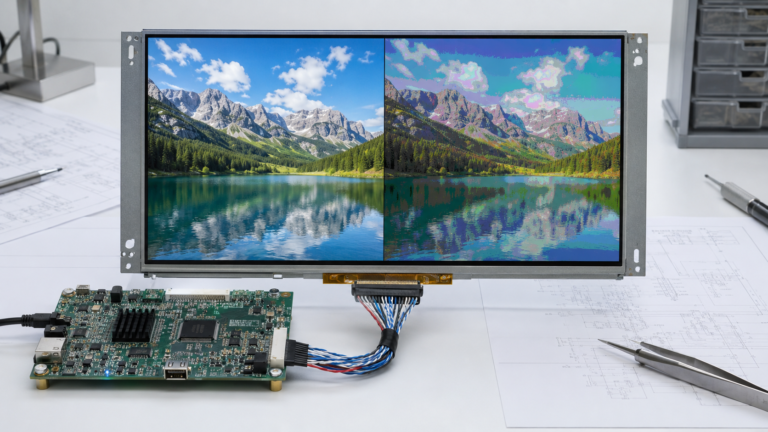
One of the most common misconceptions about TFT displays is that all TFT screens offer similar performance.

In reality, TFT is a manufacturing technology rather than a single display specification. Two TFT displays may look similar on a datasheet while delivering dramatically different visual performance.

This is often where confusion begins.

An entry-level TFT module designed for a low-cost consumer product may have limited viewing angles, lower brightness, and reduced color performance. Meanwhile, a premium industrial TFT display may provide excellent visibility, wide viewing angles, and superior reliability.

When users complain about TFT display quality, they are often comparing different implementation levels rather than the TFT technology itself.

This makes supplier selection and specification review especially important.

Viewing Angle Limitations

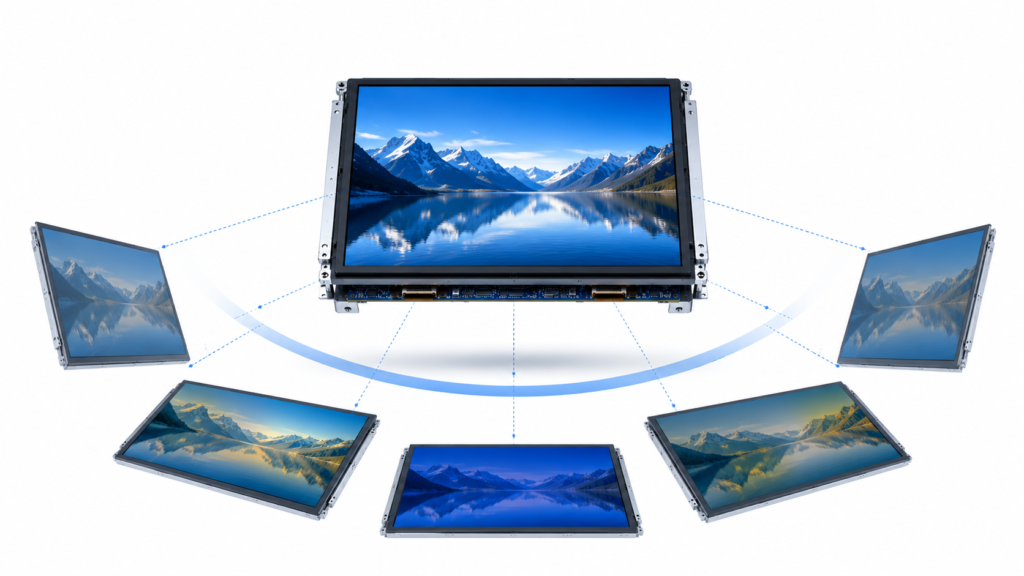
Historically, viewing angle performance has been one of the most frequently cited disadvantages of TFT displays.

Older TN-based TFT panels often experienced color shifting and contrast degradation when viewed from off-center positions. Users looking at the display from the side could see distorted colors, reduced brightness, or inverted images.

For applications where a display is viewed primarily from a fixed position, this may not create significant issues. However, products intended for shared viewing environments can encounter usability challenges.

ChatGPT Image 2026年6月8日 15 12 17 - RJY Display
What Are the Disadvantages of TFT Screens? 3

Industrial control systems, medical equipment, transportation displays, and public information terminals often require wider viewing angles because multiple users may interact with the display from different positions.

Fortunately, modern IPS-based TFT technologies have significantly improved viewing angle performance. Nevertheless, viewing angle remains an important factor to evaluate during display selection.

Outdoor Visibility Can Be Challenging

Another limitation frequently associated with TFT displays is performance under direct sunlight.

A standard TFT display that performs well indoors may become difficult to read in outdoor environments.

This challenge is not unique to TFT technology, but it becomes particularly noticeable in applications exposed to strong ambient light.

Direct sunlight can overwhelm the display’s backlight, reducing perceived contrast and making screen content difficult to see.

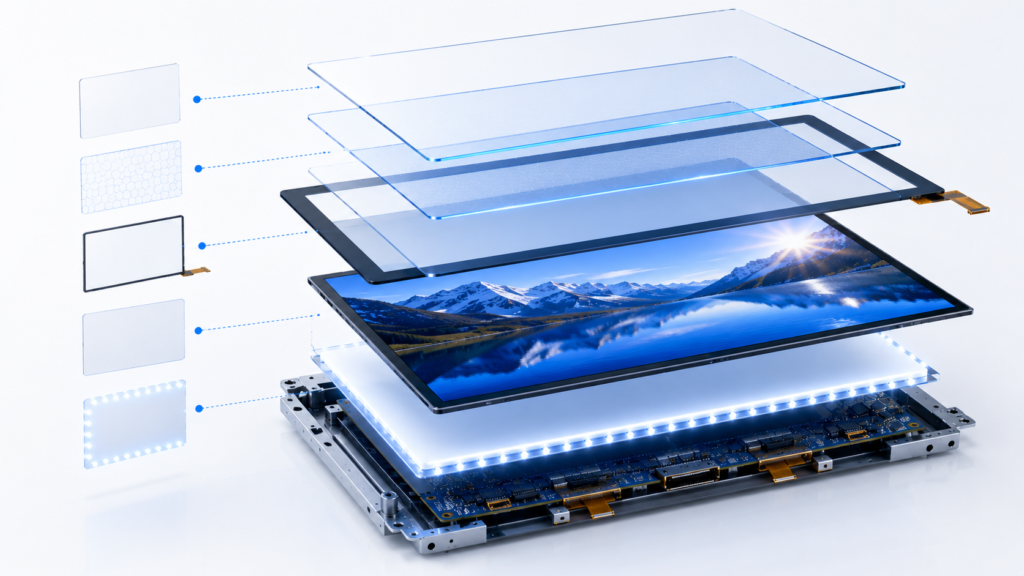
Engineers developing outdoor products often address this issue through higher-brightness displays, optical bonding, anti-reflective coatings, and specialized display structures.

Without these enhancements, visibility may become a concern in transportation systems, outdoor kiosks, agricultural equipment, and commercial machinery.

This is one reason many OEM projects require custom TFT display solutions rather than standard modules.

Higher Performance Often Means Higher Power Consumption

As display performance improves, power requirements often increase as well.

Higher resolutions require more processing resources. Brighter displays consume additional energy. Larger screens place greater demands on backlight systems.

For products connected to continuous power sources, these factors may have little impact.

However, battery-powered devices must carefully balance visual performance against energy consumption.

A display optimized purely for brightness and image quality may shorten battery life if power efficiency is not considered during system design.

This does not mean TFT displays are inherently inefficient. Rather, engineers must evaluate display requirements within the context of overall product objectives.

Heat Management Becomes More Important in Demanding Applications

Heat is a natural byproduct of electronic operation.

As brightness levels increase and operating conditions become more demanding, thermal management becomes increasingly important.

High-brightness industrial displays, outdoor equipment, and continuously operating systems often generate more heat than standard indoor applications.

Excessive temperatures can affect not only the display itself but also surrounding electronic components.

For this reason, successful display integration often requires attention to enclosure design, airflow management, thermal dissipation, and component placement.

The display cannot be evaluated in isolation from the rest of the product architecture.

Cost Can Increase with Advanced Requirements

One reason TFT technology remains popular is its ability to balance performance and affordability.

However, costs can increase rapidly when advanced requirements are introduced.

Wide viewing angles, high brightness, optical bonding, capacitive touch integration, ruggedized construction, and long-term lifecycle support all contribute to project complexity.

ChatGPT Image 2026年6月8日 15 17 35 - RJY Display
What Are the Disadvantages of TFT Screens? 4

As customization increases, the display becomes a larger part of the overall engineering effort.

This does not necessarily make TFT expensive compared with alternative technologies. Instead, it highlights the importance of defining requirements clearly before selecting a solution.

In many cases, over-specifying a display creates unnecessary costs while under-specifying it creates usability problems.

The goal is to find the right balance.

Supply Lifecycle Considerations

For OEM manufacturers, one of the most important disadvantages is often overlooked entirely.

Display availability.

Consumer electronics move quickly, and display components can become obsolete faster than industrial products reach the end of their lifecycle.

A display that seems ideal during development may become difficult to source several years later.

This creates risks for manufacturers supporting products with long service lives.

Industrial equipment, medical devices, transportation systems, and commercial appliances often require long-term availability strategies.

Working with suppliers that understand lifecycle management can help reduce future redesign risks and support long-term production continuity.

Why TFT Displays Still Dominate Modern Products

Given these disadvantages, some buyers wonder why TFT technology remains so widely used.

The answer is simple.

Most limitations can be managed through proper engineering.

Modern TFT displays offer an excellent combination of image quality, cost efficiency, customization flexibility, manufacturing maturity, and integration support. Alternative technologies may solve one particular challenge while introducing others.

As a result, TFT remains the preferred choice for a wide range of industrial, commercial, medical, transportation, and consumer applications.

The objective is not to find a display technology with no disadvantages.

The objective is to understand the tradeoffs and select the solution that best aligns with the application’s requirements.

How RJY Helps OEM Teams Overcome TFT Display Challenges

Many display-related challenges arise not because TFT technology is inadequate, but because the selected display is not optimized for the intended application.

RJY works with OEM teams to evaluate display requirements from a system-level perspective. Factors such as viewing angles, brightness requirements, interface selection, touch integration, operating environment, and lifecycle expectations are considered during the development process.

By aligning display architecture with product objectives, engineering teams can minimize integration risks while maximizing long-term product performance.

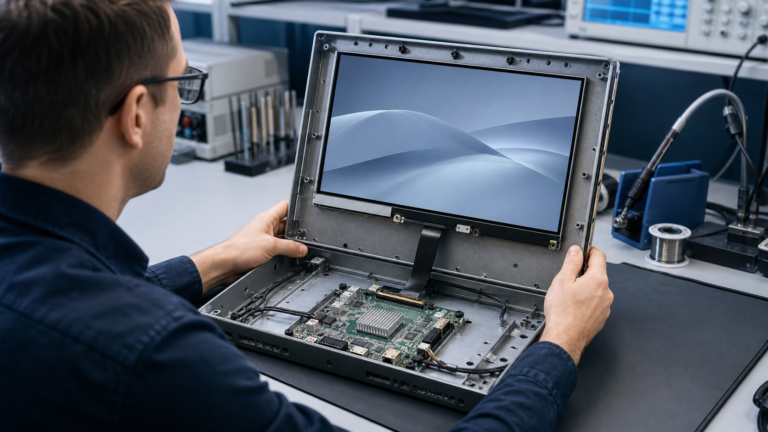
Custom TFT LCD modules, HMI systems, and integrated display-computing solutions remain core areas where OEM-focused customization can address many of the limitations discussed throughout this article.

결론

TFT screens are not without disadvantages.

Viewing angle limitations, outdoor visibility challenges, power consumption considerations, thermal management requirements, cost increases associated with advanced features, and lifecycle concerns can all affect project outcomes.

However, these limitations rarely make TFT the wrong choice.

In most cases, success depends on selecting the right TFT solution rather than simply selecting a TFT display.

For OEM manufacturers and product developers, understanding these tradeoffs early allows better engineering decisions, lower development risk, and more successful products over the long term.

자주 묻는 질문

Are TFT screens worse than IPS displays?

Not necessarily. IPS is actually a type of TFT technology. IPS panels generally offer wider viewing angles but may involve different cost and performance tradeoffs.

Do TFT displays perform poorly in sunlight?

Standard TFT displays can struggle in direct sunlight, but high-brightness designs, optical bonding, and anti-reflective treatments can significantly improve readability.

Do TFT displays consume more power?

Power consumption depends on brightness, resolution, display size, and operating conditions rather than TFT technology alone.

Are TFT displays suitable for industrial applications?

Yes. TFT displays are widely used in industrial equipment, HMI systems, medical devices, and commercial products.

What is the biggest limitation of TFT displays?

The answer depends on the application, but viewing angle limitations and sunlight readability are among the most commonly discussed concerns.