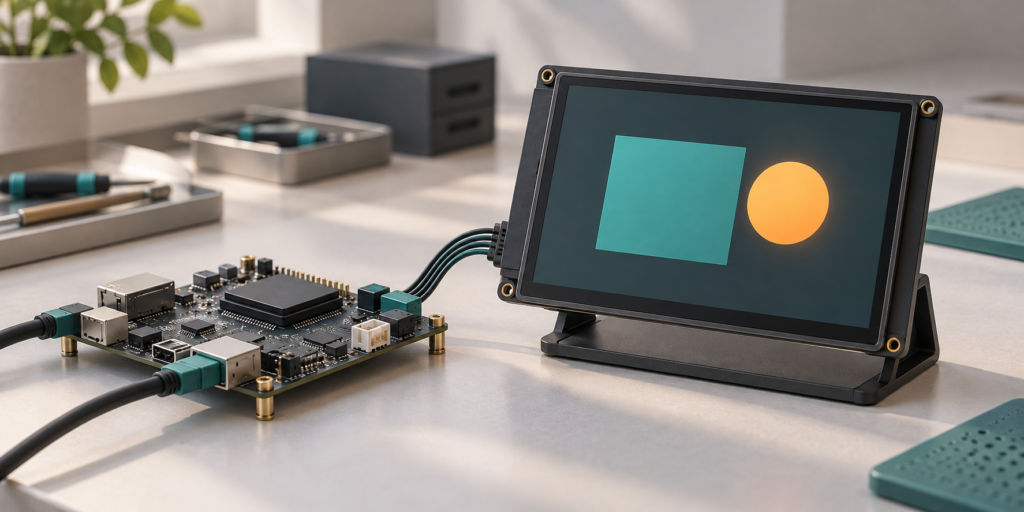
2026年10月26日時点で、MicroLEDの商業化には製品固有の評価が必要である。. 公式発表は、アプリケーションに焦点を当てた生産、新たな製造能力、およびインタラクティブなデモンストレーションについて述べている。これらは異なる種類の証拠である。OEMは、購入予定の正確なディスプレイをどの証拠が裏付けるかを判断する必要がある。.
デモンストレーションの段階を超えようとするOEMにとって、実用的な問いは再現可能な納品である。必要な構成を反復バッチにわたって納品でき、文書化された合格基準、修理履歴、および信頼できるサポート計画を備えているか。本稿は、別途製造されたLEDを駆動構造と統合する直視型ディスプレイについて、この問いを検討する。すべてのMicroLEDアーキテクチャを同一のプロセスとして扱うものではなく、近眼マイクロディスプレイの認定については対象としない。.
2026年の発表は、その表明された範囲において読むこと
以下の3つの公式発表は、日付の明示されたシグナルを提供する。これらの記述は企業の主張であり、工場出荷量や顧客認定に関する独立した監査ではない。最終列は、OEMが依然として確立する必要がある事項についての当方の解釈を示す。.
| 発表日 | 企業が報告した内容 | それが確立しないもの |
|---|---|---|
| 2026年3月30日 | AUOは、4月8日~10日に予定されたTouch Taiwanに先立ち、Micro LEDの量産進捗とアプリケーション展開について述べた。生産能力の証拠として透明タイル型モジュールを提示した。.1 | 特定のアプリケーションに関する企業の声明は、別のモジュールサイズ、動作環境、またはOEMの納品プログラムを認定するものではない。. |
| 2026年5月4日 | AUOはSID 2026でのデモンストレーションを概説した。センシングおよびインタラクティブオーバーレイを備えた透明Micro LEDシステムを含む。.2 | デモンストレーションの発表は、OEMの意図するアセンブリに対する生産合格記録や信頼性レポートを提供するものではない。. |
| 2026年9月24日 | AOTOは、新製造センターが生産に入ったと報告し、チップオンボード(COB)およびチップオンガラス(COG)パッケージングによるP0.3~P1.5のMicroおよびMini LEDポートフォリオを支えるとした。.3 | このポートフォリオ固有の拡大は、すべてのMicroLEDルート、小型埋め込みモジュール、または近眼製品にわたる成熟度を証明するものではない。. |
これらの声明により、MicroLEDを「試作のみ」と一律に記述することは広範すぎる。また、サプライヤーの報告された進捗とOEMのリリース判断との間には重要なギャップが残る。準備状況は、定義された製品、プロセスルート、および合格基準に属する。同一の技術名を共有するアプリケーション間で自動的に移転するものではない。.
サプライヤーに対し、その発表を注文可能な構成に結びつけるよう求めること。有用な回答は、モジュールのリビジョン、工場ルート、認定状況、およびその構成に対して利用可能な証拠を特定する。回答がショーディスプレイのみを指す場合、プロジェクトは評価段階に留めること。.
成熟度を比較する前に製造ルートを定義すること

ヘテロジニアス統合については、LEDの起源、サプライヤーによる配置方法、電気接続の形成方法、およびアセンブリの検査場所を特定するルート記述から始めること。バックプレーンまたは基板、色実装、パッケージング、および修理アプローチを記録する。これらの詳細が、どの証拠が比較を裏付けられるかを定義する。.
設備サプライヤーは、転写、検査、および修理が別個の製造機能であることを示している。東レエンジニアリングは、マストランスファーボンダー、レーザーリペアおよびトリミング装置、ならびにフォトルミネッセンス検査を挙げている。フォトルミネッセンスは光励起下での発光を測定する。その検査記述は、発光関連の欠陥を可視光表面検査で検出できるものと区別している。.4 設備カタログは利用可能なプロセスカテゴリを確立するが、ディスプレイメーカーの設置済みツールや結果を確立するものではない。.
Radiant Vision Systemsは、2024年のプレゼンテーション概要において、製造および組立段階にわたる検査について述べている。後工程の計測に焦点を当て、輝度変動、色変動、および画素欠陥を手直しや廃棄の原因として特定している。.5
当方の解釈では、これらの別個のチェックはサプライヤーレビューにおいて個別の証拠を必要とする。配置成功の結果は電気的合格の問いに答えない。最終的な点灯サンプルは、その前にどれだけの手直しがあったかを明らかにしない。各主張が該当する段階で証拠を要求し、その後、トレーサブルなロットを通じて段階間を結びつけること。.
比較は関連する製品ファミリー内に留めること。ファインピッチタイル型ディスプレイのパッケージング結果を、無関係な埋め込みモジュールの認定証拠として用いるべきではない。サプライヤーが基板、組立ルート、または色実装を変更する場合、どの以前の試験が引き続き適用可能で、どれを再実行する必要があるかを確認すること。.
歩留まりの主張を測定可能な問いに変えること
歩留まり率には、分子、分母、テストポイント、および合格基準が必要である。これらの定義がなければ、2つの印象的な数値が異なる結果を記述している可能性がある。以下のフレームワークは提案されたOEMレビュー手法であり、いかなるサプライヤーの実績報告でもない。.
| メートル法 | 必要な定義 | それが裏付ける判断 |
|---|---|---|
| 転写合格率 | 試行配置数で除した合格配置数。配置基準および除外事項を明記する。. | 配置プロセスがこのルートについて合意された要件を満たすかどうか。. |
| 電気的合格率 | 対応する被試験母集団で除した、試験合格した接続またはデバイス数。電気的限界値を明記する。. | 配置された部品が定義された電気試験にも合格するかどうか。. |
| 初回パスモジュール歩留まり | その試験に投入されたモジュールで除した、修理前に合意された完全試験に合格したモジュール数。. | 手直しなしでどれだけの出力が合格するか。. |
| 最終モジュール歩留まり | 元の被試験モジュール母集団で除した、許容される修理後に合格したモジュール数。. | 修理の効果を含め、試験されたモジュールのうち何台が許容可能になるか。. |
| 修理負担 | モジュールあたりの修理回数、修理サイクル、所要時間、およびロット全体にわたる分布。. | 許容可能な出力が管理可能で再現可能な修理プロセスに依存するかどうか。. |
報告期間とロット識別子は常に付随させること。サンプルが1回の実行におけるすべてのユニットを含むのか、選択された部分集合を含むのかを確認すること。エンジニアリングロットは通常生産と別個に識別すること。廃棄または未試験のユニットが分母外にあるかどうかを明記すること。合算値はルート、リビジョン、またはバッチ間の変化を隠す可能性がある。.
無関係なヘッドラインの百分率を掛け合わせて想定上の最終歩留まりを算出しないこと。それらの母集団は重複する可能性があり、不合格ユニットを除外したり、異なる試験限界を使用したりする場合がある。各合格段階に投入され、そこから出るモジュールの実際の数を要求すること。数値を開示できない場合は、初回パス出力と回復出力を依然として区別するレビュー手法に合意すること。.
出荷モジュールに対して検査および修理を検証すること
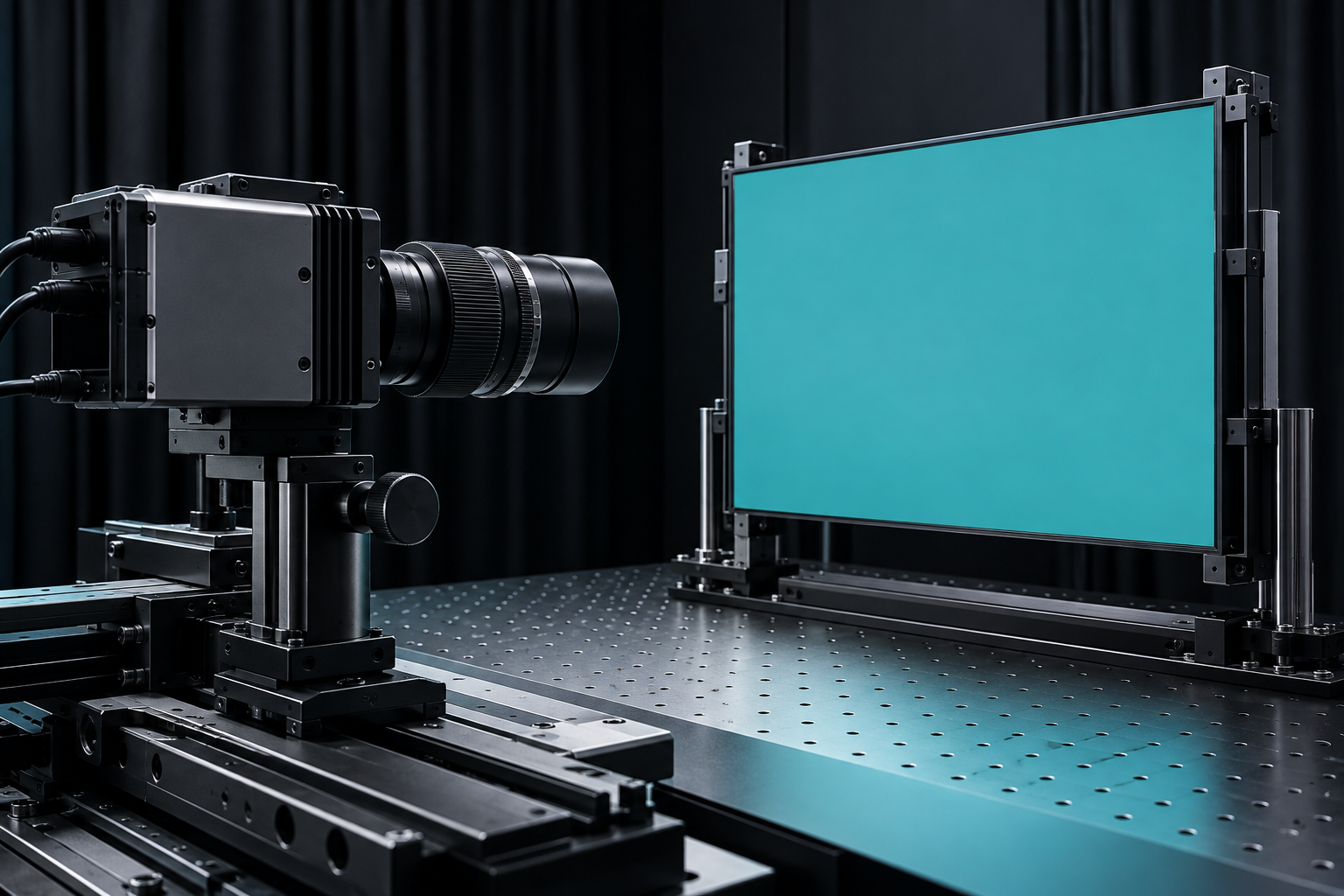
Define the defect classes that matter to the product. An OEM may need limits for dark or bright points, uneven output, color variation, and intermittent behavior. Set the viewing distance, image patterns, operating condition, and measurement method with the supplier. A pass result has meaning only within those conditions.
Then ask how each acceptance item reaches the final test. Which checks cover the full active area? Which use sampling? How are uncertain results handled? Request a traceable example that follows one lot through inspection, repair, and final acceptance. The purpose is to understand the evidence behind a shipment decision.
For repaired modules, request the allowed repair count and reinspection procedure. In our review framework, equal final yields do not establish equal production effort: repair time and repeated inspection remain separate questions. Determine whether qualification samples represent the repair history expected in delivered goods. A pristine engineering sample cannot answer how routinely repaired production units will behave.
Repeatability matters more than a single excellent panel. Review separate batches made on the intended route. Compare acceptance distributions and failure categories, not just averages. A stable average can conceal a small group of modules that require substantially more repair or miss a critical optical limit.
Set release gates around the intended product
Use three decisions to control commitment. First, authorize evaluation when the supplier identifies an applicable product and can provide relevant samples. Test the feature that justifies MicroLED for this design under the actual optical and mechanical conditions.
Second, authorize integration only when samples match a documented configuration and acceptance method. Include the driving electronics, power arrangement, thermal conditions, and assembly interfaces in that configuration. If the supplier proposes a revision, record its effect on the evidence already collected.
Third, authorize production commitment when repeat-batch results support the requirement and commercial terms cover the remaining exposure. Establish how the supplier handles rejected units, replacement matching, process changes, and long-term availability. An attractive demonstration cannot resolve those obligations.
These gates allow targeted development without making an entire product launch depend on an unverified expansion plan. They also create a clear stopping point: if the next gate lacks evidence, continue evaluation or preserve the existing display design.
Use conditional scenarios for 2027–2028 planning
The following scenarios are the author’s conditional analysis, not numerical forecasts. They describe what evidence would justify a change in planning and can coexist across different product families. They do not assign market shares, predict cost parity, or set a universal replacement date for LCD or OLED.
Scenario 1: Existing applications gain more repeatable supply
If suppliers document consistent acceptance across production batches and make the relevant configurations available to OEMs, product teams could expand evaluation within those application families. This scenario strengthens with comparable lot records, controlled revisions, and reliable fulfillment. It weakens if specifications keep changing or delivery remains tied to individually managed projects.
Scenario 2: More products appear, but qualification remains selective
If announcements expand faster than route-specific evidence, OEM interest could grow while release decisions remain narrow. A compelling optical feature may justify a pilot but leave the production gate open. This scenario strengthens when suppliers offer samples without repeat-batch data. It weakens when the same configuration earns a documented production record under relevant conditions.
Scenario 3: A feature-led program advances without broad substitution
If a display’s transparency, form factor, or other measured feature solves a problem that the current design cannot meet, a targeted program could proceed despite added integration work. The case strengthens when system tests show that benefit and the supplier supports the required service plan. It weakens when the benefit disappears behind the product’s cover optics or requires unacceptable changes elsewhere.
Review these conditions at defined project milestones. Update the route and batch evidence each time. A new calendar year alone is not a reason to lower the acceptance threshold.
Keep today’s LCD decision tied to today’s requirements
For a product that needs an established TFT LCD solution now, preserve a separate specification and schedule. Our guide to custom versus standard TFT modules helps frame that decision. Review standard display candidates against the actual host, mechanics, optics, and validation requirements.
Contact RJY Display about a current TFT LCD project with those requirements and your target schedule. This next step concerns existing LCD options and project-dependent customization; it makes no claim that RJY supplies MicroLED products or represents the companies discussed above.
参考文献
- AUO: AUO Lights Up Touch Taiwan 2026 with Leading Micro LED Innovation, March 30, 2026.
- AUO: AUO Leads a New Micro LED Interaction Paradigm at SID 2026, May 4, 2026.
- AOTO: AOTO Expands MicroLED Manufacturing with New Production Center, September 24, 2026.
- Toray Engineering: MicroLED Display-Production Equipment, accessed October 26, 2026.
- Radiant Vision Systems: Metrology and Quality Control of MicroLED Displays, presentation overview for the MicroLED Industry Association Meeting, February 15, 2024; accessed October 26, 2026. Used for fabrication-stage inspection and later-stage optical quality-control context.