2026년 10월 26일 기준, MicroLED 상용화는 제품별 평가가 필요하다. 공식 발표는 응용 중심 생산, 신규 제조 역량, 대화형 시연을 설명한다. 이들은 서로 다른 종류의 증거이다. OEM은 자사가 구매하려는 정확한 디스플레이에 어떤 증거가 뒷받침되는지 판단해야 한다.
시연 단계를 넘어서려는 OEM에게 실질적인 질문은 반복 가능한 납품이다. 요구 구성이 반복 배치 전반에 걸쳐 문서화된 합격 한도, 수리 이력, 신뢰할 수 있는 지원 계획과 함께 납품될 수 있는가? 이 글은 별도로 제조된 LED를 구동 구조와 통합하는 직시형 디스플레이에 대해 이 질문을 검토한다. 모든 MicroLED 아키텍처를 동일한 공정으로 취급하지 않으며, 근안형 마이크로디스플레이 적격성 평가를 다루지 않는다.
2026년 발표를 명시된 범위에서 읽어라
다음 세 가지 공식 발표는 날짜가 명시된 신호를 제공한다. 이들의 진술은 회사 주장으로 남으며, 공장 생산량이나 고객 적격성에 대한 독립적 감사가 아니다. 마지막 열은 OEM이 여전히 확립해야 할 사항에 대한 우리의 해석을 제시한다.
| 발표 날짜 | 회사가 보고한 내용 | 그것이 확립하지 않는 것 |
|---|---|---|
| 2026년 3월 30일 | AUO는 4월 8–10일 예정된 Touch Taiwan에 앞서 Micro LED 양산 진척 상황과 응용 배치를 설명했다. 자사의 생산 역량 증거로 투명 타일형 모듈을 제시했다.1 | 특정 응용에 관한 회사 진술은 다른 모듈 크기, 운용 환경, 또는 OEM 납품 프로그램을 적격하게 하지 않는다. |
| 2026년 5월 4일 | AUO는 센싱 및 대화형 오버레이를 갖춘 투명 Micro LED 시스템을 포함한 SID 2026 시연을 개요로 설명했다.2 | 시연 발표는 OEM의 의도된 조립체에 대한 생산 합격 기록이나 신뢰성 보고서를 제공하지 않는다. |
| 2026년 9월 24일 | AOTO는 신규 제조 센터가 생산에 들어갔으며, 칩온보드(COB) 및 칩온글래스(COG) 패키징을 갖춘 P0.3–P1.5 Micro 및 Mini LED 포트폴리오를 지원한다고 보고했다.3 | 이 포트폴리오별 확장은 모든 MicroLED 경로, 소형 임베디드 모듈, 또는 근안형 제품 전반의 성숙도를 입증하지 않는다. |
이러한 진술들은 MicroLED를 “프로토타입 전용”으로 일괄 설명하는 것을 지나치게 광범위하게 만든다. 또한 공급업체가 보고한 진척과 OEM의 출시 결정 사이에 중요한 격차를 남긴다. 준비도는 정의된 제품, 공정 경로, 합격 기준에 속한다. 동일한 기술 명칭을 공유하는 응용 간에 자동으로 전이되지 않는다.
공급업체에 발표 내용을 주문 가능한 구성과 연결해 달라고 요청하라. 유용한 답변은 모듈 리비전, 공장 경로, 적격성 상태, 해당 구성에 대해 이용 가능한 증거를 식별한다. 답변이 전시 디스플레이만을 가리킨다면, 프로젝트를 평가 단계에 유지하라.
성숙도를 비교하기 전에 제조 경로를 정의하라

이종 통합의 경우, LED가 어디서 생산되는지, 공급업체가 이를 어떻게 배치하는지, 어떻게 전기적 연결을 만드는지, 조립체를 어디서 테스트하는지를 식별하는 경로 설명으로 시작하라. 백플레인 또는 기판, 색상 구현, 패키징, 수리 방식을 기록하라. 이러한 세부 사항이 어떤 증거가 비교를 뒷받침할 수 있는지를 정의한다.
장비 공급업체들은 전이, 검사, 수리가 서로 구별되는 제조 기능임을 보여준다. Toray Engineering은 대량 전이 본더, 레이저 수리 및 트리밍 장비, 광발광 검사를 나열한다. 광발광은 광학적 여기 하에서의 발광을 측정한다. 그 검사 설명은 발광 관련 결함을 가시광 표면 검사가 감지할 수 있는 것과 구별한다.4 장비 카탈로그는 이용 가능한 공정 범주를 확립하지만, 디스플레이 제조사의 설치된 도구나 결과를 확립하지는 않는다.
Radiant Vision Systems는 2024년 프레젠테이션 개요에서 제조 및 조립 단계 전반의 검사를 설명한다. 이는 후공정 계측에 초점을 맞추고 휘도 편차, 색상 편차, 픽셀 결함을 재작업 또는 폐기의 원인으로 식별한다.5
우리의 해석은 이러한 구별된 검사들이 공급업체 검토에서 별도의 증거를 필요로 한다는 것이다. 성공적인 배치 결과는 전기적 합격 질문에 답하지 않는다. 최종 점등 샘플은 그 전에 얼마나 많은 재작업이 있었는지를 드러내지 않는다. 각 주장이 적용되는 단계에서 증거를 요청하고, 추적 가능한 로트를 통해 단계들을 연결하라.
비교를 관련 제품군 내로 유지하라. 미세 피치 타일형 디스플레이에 대한 패키징 결과는 무관한 임베디드 모듈에 대한 적격성 증거로 사용되어서는 안 된다. 공급업체가 기판, 조립 경로, 또는 색상 구현을 변경한다면, 어떤 이전 테스트가 여전히 적용 가능하고 어떤 것이 다시 실행되어야 하는지 물어라.
수율 주장을 측정 가능한 질문으로 전환하라
수율 백분율에는 분자, 분모, 테스트 지점, 합격 규칙이 필요하다. 이러한 정의가 없으면 두 개의 인상적인 숫자가 서로 다른 결과를 설명할 수 있다. 다음 프레임워크는 제안된 OEM 검토 방법이며, 어떤 공급업체의 성과에 대한 보고가 아니다.
| Metric | 필요한 정의 | 그것이 뒷받침하는 결정 |
|---|---|---|
| 전이 합격 | 배치 기준 및 모든 제외 사항이 명시된, 시도된 배치 수로 나눈 합격 배치 수. | 배치 공정이 이 경로에 대해 합의된 요구 사항을 충족하는지 여부. |
| 전기적 합격 | 전기적 한도가 명시된, 해당 테스트 모집단으로 나눈 합격한 테스트 연결 또는 소자 수. | 배치된 부품이 정의된 전기적 테스트도 충족하는지 여부. |
| 초도 모듈 수율 | 해당 테스트에 투입된 모듈로 나눈, 수리 전 전체 합의된 테스트를 통과한 모듈. | 재작업 없이 얼마나 많은 산출물이 통과하는지. |
| 최종 모듈 수율 | 원래 테스트된 모듈 모집단으로 나눈, 허용된 수리 후 통과한 모듈. | 수리 효과를 포함하여, 테스트된 모듈 중 얼마나 많은 것이 합격 가능하게 되는지. |
| 수리 부담 | 모듈당 수리 횟수, 수리 주기, 소요 시간, 로트 전반의 분포. | 합격 가능한 산출물이 관리 가능하고 반복 가능한 수리 공정에 의존하는지 여부. |
항상 보고 기간과 로트 식별 정보를 함께 유지하라. 샘플이 한 회차의 모든 단위를 포함하는지 또는 선택된 부분 집합을 포함하는지 물어라. 엔지니어링 로트를 일상 생산과 별도로 식별하라. 폐기되거나 테스트되지 않은 단위가 분모 밖에 있는지 명시하라. 통합 수치는 경로, 리비전, 또는 배치 간의 변화를 숨길 수 있다.
무관한 헤드라인 백분율들을 곱하여 소위 최종 수율로 만들지 마라. 그들의 모집단은 중복되거나, 거부된 단위를 누락하거나, 서로 다른 테스트 한도를 사용할 수 있다. 각 합격 단계에 투입되고 산출되는 모듈의 실제 수를 요청하라. 수를 공개할 수 없는 경우, 초도 산출물과 회수 산출물을 여전히 구별하는 검토 방법에 합의하라.
출하된 모듈에 대해 검사 및 수리를 검증하라
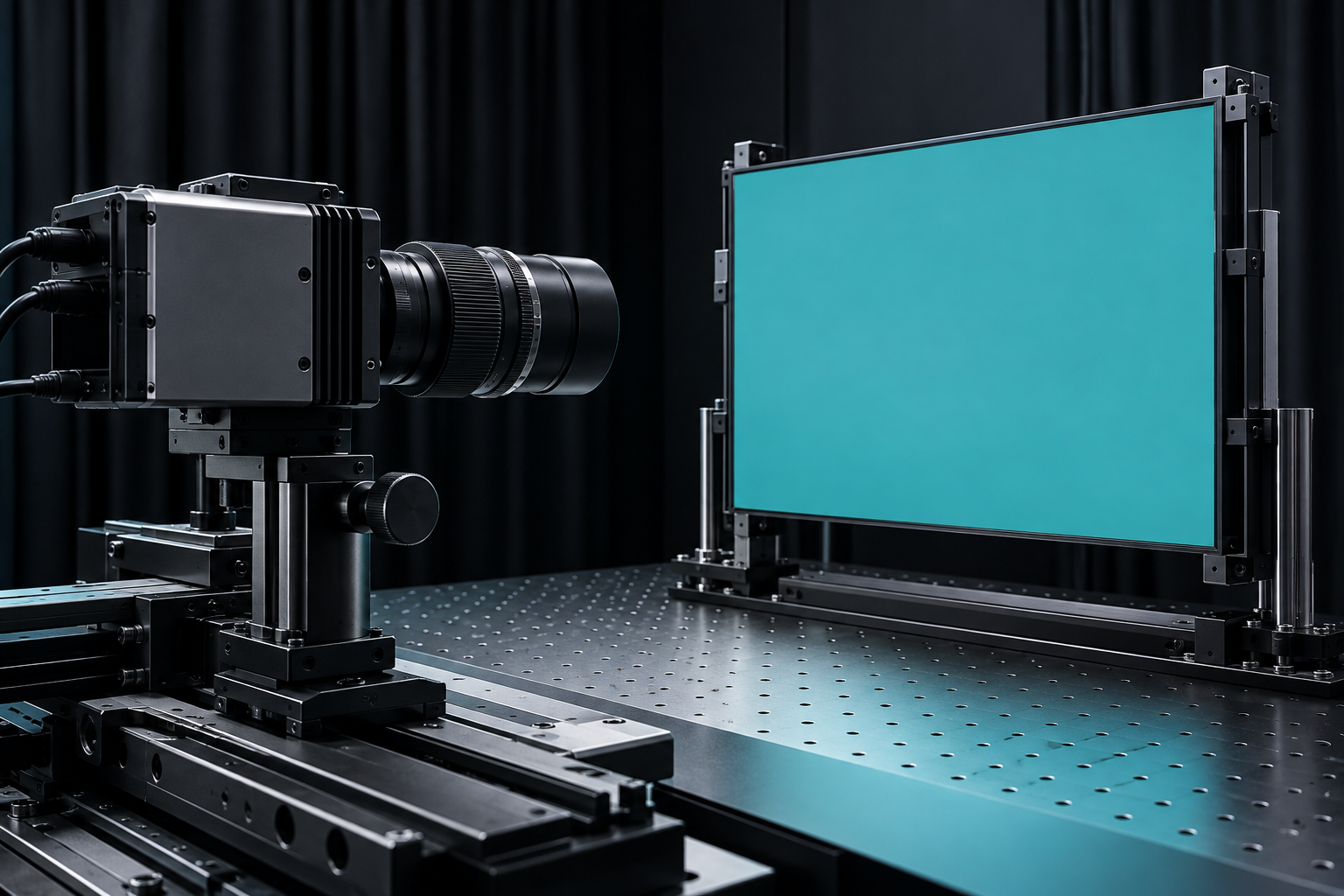
Define the defect classes that matter to the product. An OEM may need limits for dark or bright points, uneven output, color variation, and intermittent behavior. Set the viewing distance, image patterns, operating condition, and measurement method with the supplier. A pass result has meaning only within those conditions.
Then ask how each acceptance item reaches the final test. Which checks cover the full active area? Which use sampling? How are uncertain results handled? Request a traceable example that follows one lot through inspection, repair, and final acceptance. The purpose is to understand the evidence behind a shipment decision.
For repaired modules, request the allowed repair count and reinspection procedure. In our review framework, equal final yields do not establish equal production effort: repair time and repeated inspection remain separate questions. Determine whether qualification samples represent the repair history expected in delivered goods. A pristine engineering sample cannot answer how routinely repaired production units will behave.
Repeatability matters more than a single excellent panel. Review separate batches made on the intended route. Compare acceptance distributions and failure categories, not just averages. A stable average can conceal a small group of modules that require substantially more repair or miss a critical optical limit.
Set release gates around the intended product
Use three decisions to control commitment. First, authorize evaluation when the supplier identifies an applicable product and can provide relevant samples. Test the feature that justifies MicroLED for this design under the actual optical and mechanical conditions.
Second, authorize integration only when samples match a documented configuration and acceptance method. Include the driving electronics, power arrangement, thermal conditions, and assembly interfaces in that configuration. If the supplier proposes a revision, record its effect on the evidence already collected.
Third, authorize production commitment when repeat-batch results support the requirement and commercial terms cover the remaining exposure. Establish how the supplier handles rejected units, replacement matching, process changes, and long-term availability. An attractive demonstration cannot resolve those obligations.
These gates allow targeted development without making an entire product launch depend on an unverified expansion plan. They also create a clear stopping point: if the next gate lacks evidence, continue evaluation or preserve the existing display design.
Use conditional scenarios for 2027–2028 planning
The following scenarios are the author’s conditional analysis, not numerical forecasts. They describe what evidence would justify a change in planning and can coexist across different product families. They do not assign market shares, predict cost parity, or set a universal replacement date for LCD or OLED.
Scenario 1: Existing applications gain more repeatable supply
If suppliers document consistent acceptance across production batches and make the relevant configurations available to OEMs, product teams could expand evaluation within those application families. This scenario strengthens with comparable lot records, controlled revisions, and reliable fulfillment. It weakens if specifications keep changing or delivery remains tied to individually managed projects.
Scenario 2: More products appear, but qualification remains selective
If announcements expand faster than route-specific evidence, OEM interest could grow while release decisions remain narrow. A compelling optical feature may justify a pilot but leave the production gate open. This scenario strengthens when suppliers offer samples without repeat-batch data. It weakens when the same configuration earns a documented production record under relevant conditions.
Scenario 3: A feature-led program advances without broad substitution
If a display’s transparency, form factor, or other measured feature solves a problem that the current design cannot meet, a targeted program could proceed despite added integration work. The case strengthens when system tests show that benefit and the supplier supports the required service plan. It weakens when the benefit disappears behind the product’s cover optics or requires unacceptable changes elsewhere.
Review these conditions at defined project milestones. Update the route and batch evidence each time. A new calendar year alone is not a reason to lower the acceptance threshold.
Keep today’s LCD decision tied to today’s requirements
For a product that needs an established TFT LCD solution now, preserve a separate specification and schedule. Our guide to custom versus standard TFT modules helps frame that decision. Review 표준 디스플레이 후보 against the actual host, mechanics, optics, and validation requirements.
Contact RJY Display about a current TFT LCD project with those requirements and your target schedule. This next step concerns existing LCD options and project-dependent customization; it makes no claim that RJY supplies MicroLED products or represents the companies discussed above.
참고문헌
- AUO: AUO Lights Up Touch Taiwan 2026 with Leading Micro LED Innovation, March 30, 2026.
- AUO: AUO Leads a New Micro LED Interaction Paradigm at SID 2026, May 4, 2026.
- AOTO: AOTO Expands MicroLED Manufacturing with New Production Center, September 24, 2026.
- Toray Engineering: MicroLED Display-Production Equipment, 2026년 10월 26일 접속.
- Radiant Vision Systems: Metrology and Quality Control of MicroLED Displays, presentation overview for the MicroLED Industry Association Meeting, February 15, 2024; accessed October 26, 2026. Used for fabrication-stage inspection and later-stage optical quality-control context.