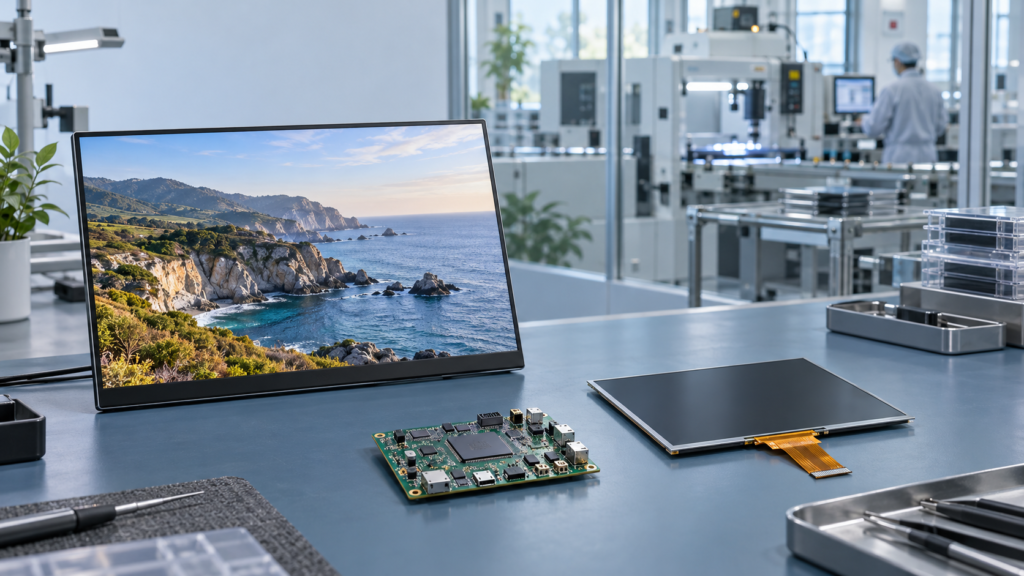
AIは、画面の価値のより多くを画像処理、ユーザーインタラクション、工場運用へ移すことで、ディスプレイ技術を変えつつある。OEMにとって、商業上の問いは、どのパネルが最良の仕様を提供するかという範囲を超えつつある。それは、そのパネルを有用な製品に変える処理、ソフトウェア、生産知識を誰が支配するかでもある。.
これらの変化は異なる結果をもたらす。より優れた画像処理は製品差別化を支えうる。対話型インターフェースはデバイスとユーザーの関係を再形成しうる。製造におけるAIは生産効率に影響しうるが、発表だけでは低コストや高歩留まりを立証するものではない。.
本稿は、2026年10月16日時点で入手可能な selected manufacturer announcements を通じてこれらの変化を検討する。以下の市場含意は定性的分析である。市場規模、採用率、独立検証された性能を測定するものではない。.
AIはディスプレイ競争の基盤を変えつつある
ディスプレイ製品は複数の価値源を組み合わせる。パネル、光学設計、電子回路、ソフトウェア、筐体、アプリケーションである。AIは結果に影響を与える別の方法を加えるが、その商業的役割はどこで動作し、どの問題を解決するかに依存する。.
テレビは処理を用いて娯楽コンテンツを適応させうる。産業用端末は、読みやすいテキスト、予測可能な動作、明確なインターフェースからより多くの利益を得るかもしれない。セルフサービスキオスクは音声アシスタントを用いてユーザーのタスク完了を支援する一方、そのLCDは情報を提示するという従来の役割を果たし続けるかもしれない。.
AIはこれらの差異をより重要にしうる。共通のAIラベルは、大きく異なる製品、開発コスト、ビジネスモデルを覆い隠しうる。それらを比較するには、改善される機能と、その改善を担うシステム部分を特定する必要がある。.
これは競争上のポジショニングも変える。パネル性能は依然として重要だが、類似のディスプレイハードウェアを用いる2つの完成品の差異全体を説明できなくなるかもしれない。処理とソフトウェアはブランド提案のより大きな部分になりうる。.
| AIの役割 | 潜在的商業価値 | OEMが確立すべき事項 |
|---|---|---|
| 画像処理 | 類似パネルハードウェアからの異なる表現 | 実際のコンテンツ、処理遅延、コストによる便益 |
| ユーザーインタラクション | 容易なタスクと継続的なソフトウェア関係 | タスク成功率、サービス依存関係、保守責任 |
| 工場運用 | 一貫性と生産効率の改善可能性 | 測定された成果とどの便益が購入者に届くか |
画像処理は差別化への別経路を生み出す
Samsungの2026年4月欧州テックセミナーは方向性を示す。同社は低解像度コンテンツ向けのAI Upscaling Proとテレビラインナップ全体でのリアルタイム最適化を説明した。またVision AI Companionを文脈情報と日常支援のプラットフォームとして提示した。これらは独立した比較ではなく、Samsungによる自社製品の説明である。. [1]
LGのCES 2026資料も同様に、フラッグシップOLED evo G6およびMicro RGB evoテレビをAlpha 11 AI Processor Gen3と結びつけ、2種類のAIアップスケーリングを同時処理する機能を含めている。発表はパネル技術と並んで処理を製品提案に位置づけている。. [2]
これらの発表はシステムレベルでのより強い競争を示唆する。ブランドは、購入者が類似の主要パネル仕様を見る場合でも、入力コンテンツの扱い方を通じて製品を差別化しうる。商業的優位は部分的にアルゴリズム、プロセッサ能力、チューニング、視聴体験の品質にあるかもしれない。.
OEMにとって、これは機会とコストの両方を生む。処理は不完全なソース素材の提示を改善しうる。また開発作業を追加し、成功の明確な基準を要求する。よりシャープに見える画像は必ずしもすべての細部を忠実に保持するわけではなく、娯楽向け設定は正確なテキストやグラフィックスを再現すべきインターフェースには不適切かもしれない。.
調達上の含意は具体的である。AI処理へのプレミアムにはアプリケーションレベルの理由が必要である。製品が主にネイティブ解像度のメニューを表示するなら、圧縮動画改善向け機能はユーザー体験にほとんど寄与しないかもしれない。.
LCDモジュールとAIシステムは異なる役割を持つ
この区別は特に組込み製品で重要である。TFT LCDモジュールはそれに供給された画像を提示する。設計に応じて、そのモジュールはバックライトとタッチアセンブリを含みうる。これらの構成要素自体はAI推論の存在を確立しない。.
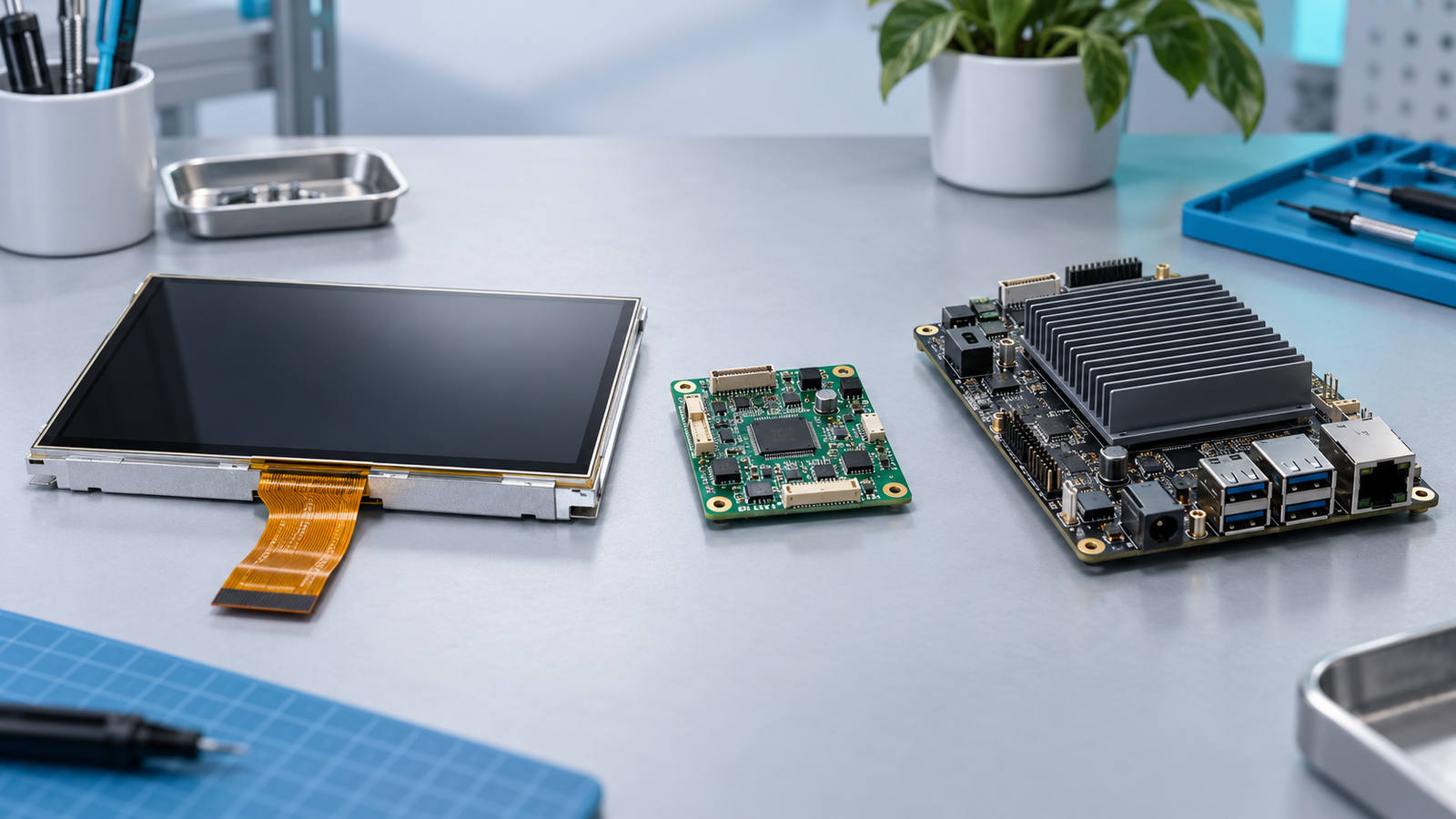
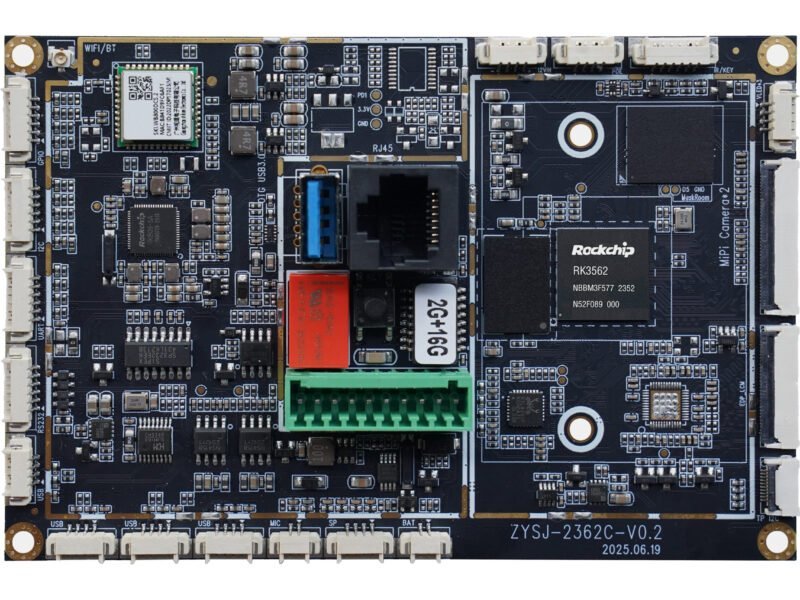
関連する処理は代わりにホストコンピュータ、アプリケーションプロセッサ、または適切なコントローラプラットフォーム上で動作しうる。映像を受け取りパネルを駆動する従来のLCDコントローラボードがAIモデルをサポートすると仮定すべきではない。その能力は選択したハードウェアとソフトウェアについて確立されなければならない。.
AIアシスタント付きのマシンインターフェースを考えてみる。アシスタントはメイン計算プラットフォーム上でユーザーの質問を解釈し、そうでなければ従来型のLCDが応答を表示しうる。画面はAI対応製品の一部だが、LCDだけを交換してもアシスタントは生まれない。.
この分離は既存のLCD設計に余地を残す。OEMは読みやすさ、サイズ、インターフェース、動作条件、使用寿命のためにパネルを選びながら、システムレベルで有用なインテリジェンスを追加しうる。AIは自動的に新しいディスプレイ技術を要求するわけではない。.
パネルとコントローラの互換性はプロジェクト固有のままである。選択した組み合わせについてインターフェース、信号タイミング、電源シーケンス、バックライト駆動、ファームウェアを確認すること。主要インターフェースオプションについては LCDディスプレイモジュールにおけるインターフェース のガイドを参照のこと。.
これは調達議論も変える。モジュールサプライヤの役割と計算プラットフォームサプライヤの役割は交差しうるが、互換可能ではない。提案は、どの構成要素がAI機能を実行し、どの組織がそれを保守するかを特定すると評価しやすくなる。.
インタラクションは価値をソフトウェアプラットフォームへ移しうる
画像強調はユーザーが見るものを変える。AIインタラクションはユーザーがそれにどう到達するかを変える。画面が質問、推薦、誘導タスクの入口になると、インターフェースは継続的なサービス関係の一部になりうる。.

これはソフトウェア、アカウント、コンテンツ、接続デバイス全体で一貫した体験を維持できる企業に有利に働くかもしれない。ハードウェア性能は依然として重要だが、プラットフォームはユーザーが戻るかどうか、購入後に機能が有用であり続けるかどうかに影響しうる。.
OEMにとっての魅力はタスク完了の容易さである。ユーザーは複数メニューを検索する代わりに意図を記述しうる。その可能性は、時折利用するユーザーや幅広い機能を持つ機器に関連する。.
コストはより広い製品責任である。音声または対話機能は追加の計算リソース、接続性、言語サポート、ソフトウェア保守を必要としうる。したがってその商業的根拠は、単なるデモの訴求力ではなく、簡素化するタスクに依存する。.
アプリケーション例については、 AI音声翻訳機向け小型バーLCDディスプレイ. の議論を参照のこと。これはデバイス統合を扱うものであり、市場全体の採用率を確立するものではない。.
これらは採用シナリオであり、すべてのディスプレイ製品が対話型インターフェースを必要とするという主張ではない。頻繁で時間に敏感な操作には直接制御がより良い選択であり続けうる。AIはユーザーが実際に経験する摩擦を取り除くときに価値を得る。.
工場AIは供給経済性を変えうるが、証拠には注意が必要である
BOE’s June 17, 2026 announcement described the mass-production launch and product delivery ceremony for its Chengdu Gen 8.6 AMOLED line. The company identified AI applications in defect management, yield optimization, and production scheduling, while explicitly saying those applications would be deployed in phases. [3]
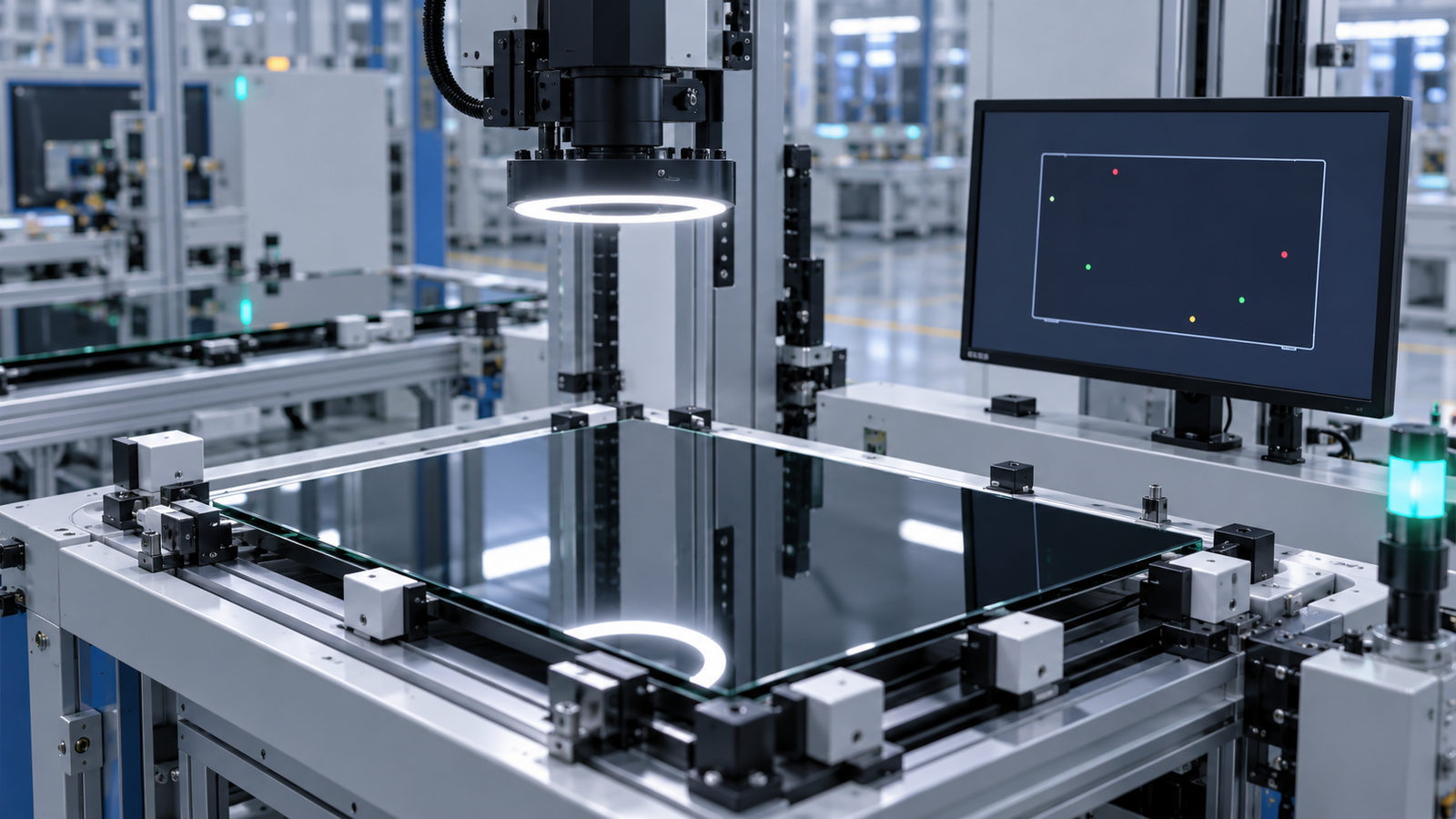
That qualification limits the conclusion buyers can draw. The announcement establishes a stated deployment direction; it does not independently quantify the resulting yield improvement, customer price reduction, or delivery benefit.
Manufacturing AI could become a competitive factor when it helps a producer detect problems earlier, make better use of capacity, or coordinate production more effectively. Those gains could support stronger margins, more competitive pricing, or better supply performance. Which benefit reaches customers depends on execution and commercial decisions.
This part of the change may be less visible than a consumer AI feature, yet it could matter substantially to sourcing. A factory’s use of AI becomes commercially meaningful when it produces repeatable outcomes for the buyer. The presence of an AI system is a weak substitute for evidence of product consistency and dependable supply.
AI demand does not settle the LCD-versus-OLED decision
The AI device narrative and the choice of panel technology can reinforce one another without being the same decision. A manufacturer may position a premium display alongside new computing capabilities, but that does not show that AI workloads require that panel type.
For OEMs, the useful distinction is between a demand signal and a technical requirement. A premium device launch may create interest in higher-end screens. An embedded product still needs a display that fits its intended use, cost structure, and operating environment.
AI can broaden the range of experiences a screen supports without removing these constraints. An expensive panel is difficult to justify if the added capability brings no visible benefit to the application. Equally, a better optical experience can be valuable when it supports how customers use and judge the product.
This leaves space for different technologies and supplier positions. A company that delivers a dependable LCD assembly for a long-lived device addresses a different economic need from a brand selling a premium entertainment experience.
OEM sourcing will involve more responsibility across the product lifecycle
As AI functions become part of the product promise, sourcing can extend beyond component availability and initial unit cost. The OEM must also decide where processing belongs and who takes responsibility when software changes.
A modular approach can let an OEM change computing hardware while retaining a display assembly. A more integrated design may reduce integration work or improve coordination between components. Neither structure guarantees a better commercial result; the choice depends on product volume, development resources, and the expected service period.
Supplier relationships need to make these responsibilities clear. A panel specification describes one part of the product. An AI-enabled experience also depends on processing capacity, software behavior, and ongoing support.
The financial comparison should follow that same boundary. Additional memory, computing power, development time, and maintenance can change the economics of an apparently modest feature. A recurring service cost can matter more over the product’s life than a small difference in panel price.
For RJY Display customers developing an AI-enabled device, the productive starting point is the intended screen experience: what the user needs to see, how the user interacts, and where the application runs. That gives the LCD, touch assembly, controller, and host platform clear roles in the design discussion.
The market opportunity is useful intelligence with clear economics
AI is expanding the ways display companies can compete. Processing offers a route to differentiated image quality. Interaction can strengthen the role of a software platform. Factory applications may affect production economics as deployments mature.
For OEMs, the opportunity is to connect one of those changes to a concrete product advantage. That might be better presentation of source content, an easier user task, or a more dependable supply outcome. Each requires different evidence and a different commercial model.
The durable advantage will come from choosing where intelligence earns its cost, then designing the display system around that decision. Panel quality remains part of the answer. AI makes the surrounding system harder to ignore.
よくある質問
Does an AI-enabled device need an OLED display?
No. The AI workload and panel technology are separate choices. Select the display for the content, viewing conditions, power budget, cost, and service needs. Confirm that the host and display can work together.
Does a TFT LCD controller board run AI models?
That depends on the board and software. A board that converts video to a panel interface does not automatically provide AI inference. Identify the processor, memory, supported software, and party responsible for the AI function.
Will factory AI lower display module prices?
It could improve production economics, but a deployment announcement does not establish a price reduction. Yield, capacity use, demand, and supplier pricing decisions affect what the buyer pays.
Discuss your display requirements with RJY
Share your display size, resolution, brightness, touch requirements, operating environment, and host platform with RJYディスプレイ. Include the intended AI function and where it runs so the discussion can focus on the LCD module, touch assembly, and controller requirements. Suitability and compatibility need review for the specific project.
参考文献
- Samsung Electronics Showcases 2026 AI-Powered TV Innovations Ahead of Market Launch at European Tech Seminar. Samsung Global Newsroom, April 16, 2026.
- LG Electronics Showcases Affectionate Intelligence in Action at CES 2026. LG Electronics, January 6, 2026, page 4.
- BOE launches China’s first Gen 8.6 AMOLED production line, ushering in a new era for high-end displays. BOE, June 17, 2026.