Facing a bottleneck in your Embedded Display Project?
Don’t let complex integration or supply chain issues slow your time-to-market. Book a free consultation with the RJY expert team for tailored design and manufacturing support.

China remains one of the most important countries in the global display supply chain. For OEM buyers, hardware engineers, and product teams, China offers a broad supplier base that includes large LCD panel manufacturers, TFT LCD module suppliers, touch display integrators, industrial HMI display companies, and custom embedded display solution providers.
However, choosing an LCD display manufacturer in China is not as simple as selecting the largest company. A TV panel maker, a small-to-medium TFT LCD module supplier, and an embedded HMI solution provider may all operate in the display industry, but they serve very different project needs.
This guide introduces representative LCD display manufacturers and display companies in China for 2026, explains their general positioning, and provides practical selection criteria for OEM buyers. It is not an absolute ranking. Instead, it is a procurement-oriented guide for companies that need LCD modules, TFT displays, touch display assemblies, or custom embedded display solutions.
China has become a major center for LCD panel and display module manufacturing. Large Chinese panel makers such as BOE, TCL CSOT, and HKC are important players in large-size LCD panel supply, while companies such as Tianma and Truly are more relevant to small and medium-size displays, industrial applications, automotive displays, and display modules.
A 2024 analysis from the Information Technology and Innovation Foundation noted that Chinese companies including BOE, China Star, and HKC accounted for a large share of 65-inch, 75-inch, and 85-inch LCD panel markets, and nearly all ultra-large 90-inch to 115-inch LCD TV panels. This shows China’s strong position in large LCD panel manufacturing.
The industry is also changing. Reuters reported that LG Display agreed to sell its Guangzhou LCD plant to TCL’s CSOT, with the transaction expected to complete in March 2025. That move reflected the broader shift of Korean display companies away from LCD production and toward OLED, while Chinese manufacturers expanded their LCD position.
For OEM buyers, this means China is not only a low-cost sourcing destination. It is also a major display manufacturing base with different supplier types, technology levels, and project support models.
Before comparing manufacturers, buyers should understand three different supplier categories.
| Supplier Type | Typical Strength | Best Fit |
|---|---|---|
| Panel manufacturer | Large-scale panel production, LCD cell manufacturing, broad panel portfolio | Large-volume panel procurement, TV, monitor, automotive, and major industrial customers |
| Module supplier | TFT LCD modules, touch modules, FPC, backlight, connector, cover lens integration | OEM products, industrial devices, medical instruments, smart devices |
| Display solution provider | Display selection, customization, control board integration, HMI system support | Embedded display projects, custom TFT LCD modules, smart equipment, industrial HMI |
A large panel maker is not always the right direct supplier for a small or medium OEM project. Many OEM buyers need display modules, engineering communication, customization, and integration support rather than only raw panel supply.
The following companies are representative names in China’s display industry. They are not ranked in order. Each has a different role in the supply chain.
BOE is one of China’s most recognized display technology groups and a major supplier of display panels for consumer electronics, monitors, automotive displays, wearable devices, and other applications. BOE’s official website lists display application categories including monitor display panels, TV displays, VR/AR, automotive displays, and wearable displays.

BOE is especially relevant for buyers studying China’s large-scale display panel industry. For OEMs that need standard display modules, custom FPC, touch integration, or small-volume engineering support, it may still be necessary to work through module suppliers, distributors, or solution providers rather than only approaching a large panel maker directly.
Best fit:
Large-scale panel procurement, high-volume projects, consumer electronics, automotive displays, monitors, TV displays, and projects requiring access to a major panel ecosystem.
TCL CSOT, also known as TCL China Star Optoelectronics Technology, is another major Chinese semiconductor display company. Its official website describes TCL CSOT as a semiconductor display technology company with production bases in Shenzhen, Wuhan, Huizhou, Suzhou, Guangzhou, and India, including panel production lines and module bases.
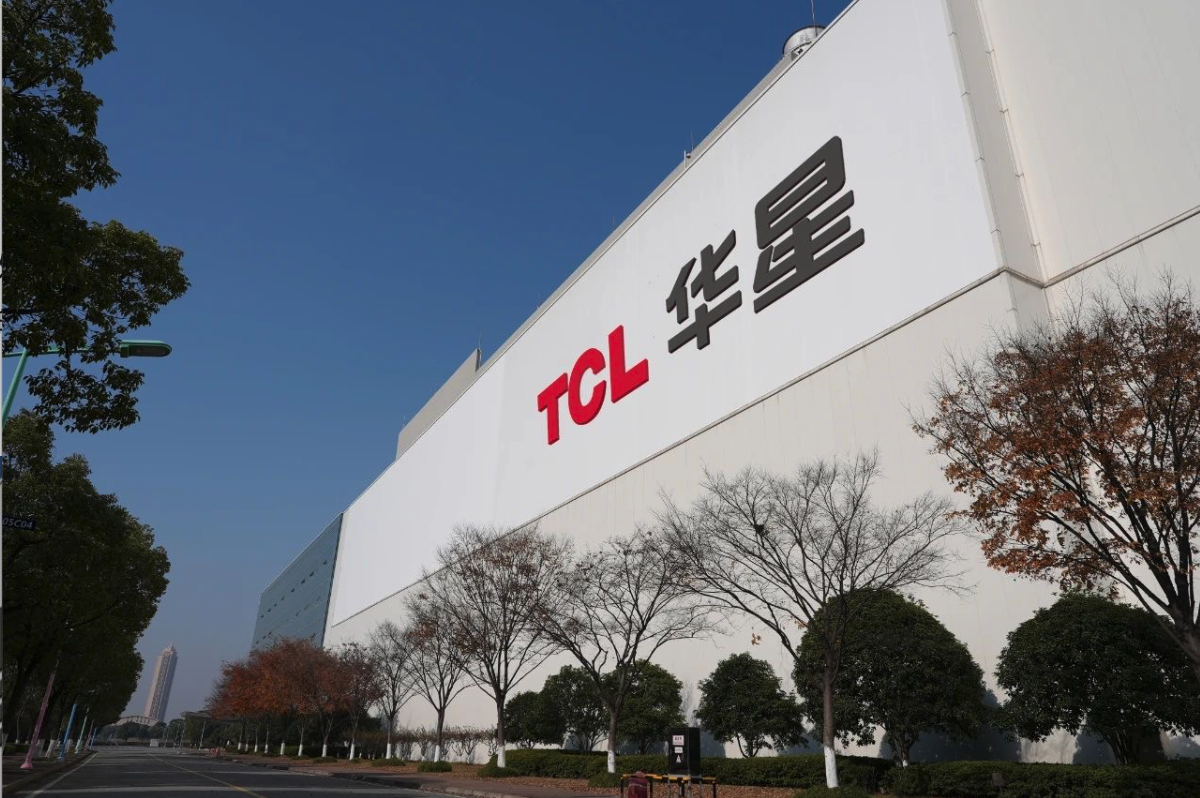
CSOT is highly relevant in large-size LCD panels, TV panels, monitor panels, and advanced display manufacturing. The acquisition of LG Display’s Guangzhou LCD assets further strengthened TCL CSOT’s role in China’s LCD production landscape.
Best fit:
Large-size LCD panels, commercial displays, monitor panels, TV-related display supply, high-volume display projects, and buyers tracking China’s major panel manufacturing base.
Tianma is a major display manufacturer with strong relevance in small and medium-size displays. Tianma’s own group page describes the company as a leader in small-to-medium displays with a focus on technology, quality, and long-term customer support.
Tianma’s U.S. site also presents industrial TFT-LCD displays for industrial applications, emphasizing clarity, viewing angles, durability, and long product transitions for industrial use.

For OEM buyers, Tianma is often more relevant than large TV panel makers when the project involves industrial control, medical devices, automotive displays, instrumentation, or embedded systems.
Best fit:
Small and medium-size TFT LCDs, industrial displays, automotive displays, medical applications, embedded systems, and long lifecycle industrial products.
HKC is a China-based LCD producer with a significant role in LCD panel manufacturing. OLED-Info describes HKC as an LCD producer established in 2001 in Shenzhen, with LCD production sites in Chongqing, Chuzhou, and Mianyang.

HKC is often associated with cost-competitive LCD panel production, monitor displays, TV panels, and China’s broader LCD supply base. For buyers, HKC may be relevant when evaluating panel-level sourcing, display cost structure, or LCD supply alternatives.
Best fit:
LCD panel supply, monitor panels, TV panels, cost-sensitive large-size display applications, and buyers comparing Chinese panel makers.
Truly Semiconductors is a display module manufacturer with products covering TFT LCD, LCD, OLED, AMOLED, touch panels, and related display solutions. Truly’s official display site describes its TFT LCD lineup for consumer, industrial, medical, and automotive applications, with options such as IPS, high brightness, and interfaces including MIPI, LVDS, and SPI.

For many OEM projects, Truly is closer to the practical needs of product teams than a pure large-size panel manufacturer. Its relevance is stronger where buyers need display modules, touch integration, customization, and small-to-medium display support.
Best fit:
TFT LCD modules, touch display modules, industrial devices, medical equipment, automotive applications, and custom display projects.
Visionox is more closely associated with OLED and AMOLED than traditional LCD. Its official website emphasizes OLED industry development and forward-looking Micro-LED planning.

Although Visionox is not primarily an LCD module supplier for standard TFT LCD projects, it is still important in China’s broader display technology landscape. Buyers comparing LCD, OLED, AMOLED, or next-generation display technologies may include Visionox in a wider supplier review.
Best fit:
AMOLED, OLED display projects, flexible display technology, and buyers evaluating alternatives to LCD for smart devices or advanced display applications.
AUO, also known as AU Optronics, is a major Taiwanese LCD and TFT LCD manufacturer with significant operations and production capacity in China. AUO specializes in TFT LCD panels, industrial display modules, and high-resolution embedded displays. Its product portfolio covers consumer electronics, industrial HMI systems, automotive displays, and medical devices.
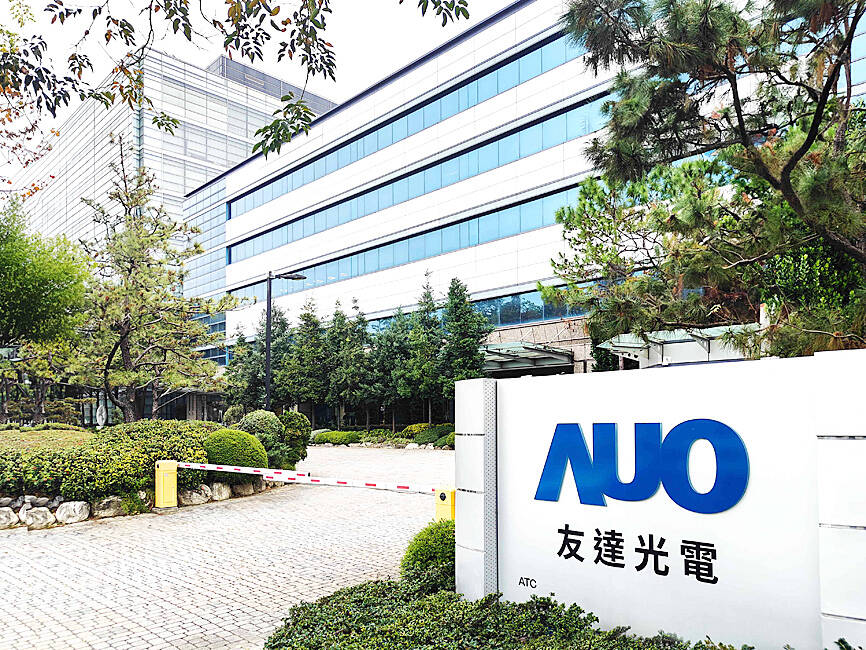
AUO emphasizes high-quality TFT panels, advanced backlight technologies, wide viewing angles, and multi-interface support, including MIPI, LVDS, and RGB. The company also provides engineering support for OEM customization, covering touch integration, cover lens, FPC design, and control board compatibility.
Best fit:
AUO’s presence in China allows faster prototyping, better supply chain support, and local engineering communication, making it a practical choice for OEMs seeking a balance between high-quality TFT displays and integration support.
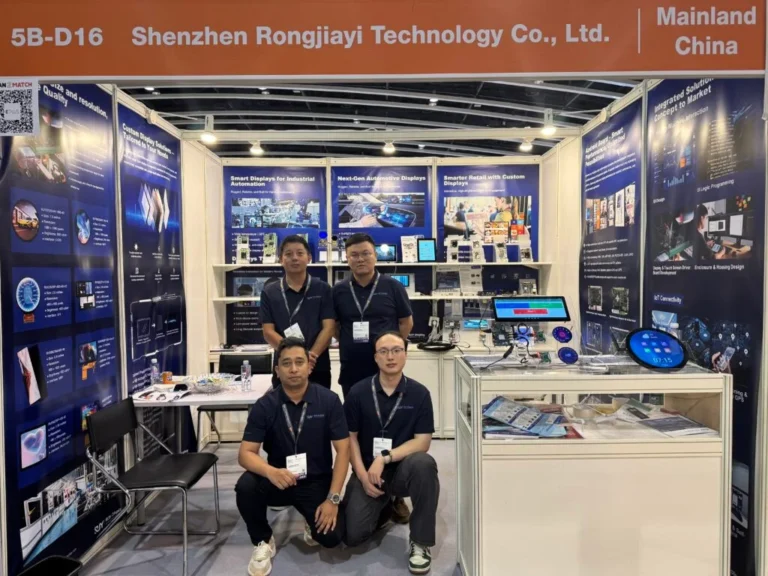
RJY Technologies is positioned differently from large panel manufacturers. Instead of focusing only on panel-scale production, RJY supports embedded display solutions, OEM display customization, TFT LCD modules, HMI systems, display-computing integration, PCBA computing modules, low-level drivers, structural enclosures, prototype validation, manufacturing, and global delivery. This aligns with the A-site role defined for rjydisplay.com as the main authority and high-value B2B lead generation site.
For OEM buyers, RJY is relevant when the project requires more than a standard display purchase. Examples include custom TFT LCD modules, round LCD displays, bar LCD displays, touch integration, control board compatibility, Android HMI systems, and mechanical enclosure considerations.
RJY’s priority display and embedded solution topics include TFT LCD modules, HMI systems, round LCD displays, bar LCD displays, and the Rockchip RK3566 Android control board.
Best fit:
OEM display customization, embedded TFT LCD modules, HMI display systems, display-control integration, round LCD displays, bar LCD displays, and custom display projects that require engineering support.
The right LCD display manufacturer depends on the project type. A buyer sourcing large TV panels has different needs from a company developing industrial HMI equipment or a smart device.
| Selection Factor | Why It Matters |
|---|---|
| Display type | LCD, TFT LCD, AMOLED, OLED, Mini-LED, and Micro-LED suppliers are not interchangeable |
| Display size | Large-size panel makers may not be suitable for small embedded modules |
| Customization capability | OEM projects may need custom FPC, touch, cover lens, backlight, or mechanical structure |
| Interface support | MIPI, RGB, LVDS, SPI, HDMI, and eDP compatibility affects control board selection |
| Touch integration | Capacitive or resistive touch affects UI, enclosure, and firmware |
| Brightness requirement | Indoor, outdoor, and industrial environments require different optical designs |
| Lifecycle support | Industrial products often need stable long-term supply |
| Engineering communication | Display integration depends on fast technical feedback and clear documentation |
| Production volume | Some manufacturers are better suited for high-volume panel orders; others support module-level customization |
| System integration | HMI projects may need display, control board, firmware, and enclosure coordination |
For B2B buyers, the lowest unit price is not always the best choice. A display that creates PCB redesign, driver problems, touch instability, enclosure mismatch, or future supply risk can become more expensive at the system level.
If your project requires a large TV panel, monitor panel, or high-volume panel supply, a major panel maker such as BOE, TCL CSOT, or HKC may be relevant.
If your project requires a small or medium-size TFT LCD module, touch integration, industrial reliability, or long lifecycle planning, companies such as Tianma or Truly may be closer to the project need.
If your project requires a complete embedded display solution, custom display module, Android control board, HMI system, or special form factor, a solution provider such as RJY may be more suitable.
| Project Requirement | Better Supplier Type |
|---|---|
| Large-size LCD panel supply | Panel manufacturer |
| Industrial TFT LCD module | Module supplier or industrial display manufacturer |
| Custom FPC, cover lens, or touch integration | Module supplier or solution provider |
| HMI display with control board | Embedded display solution provider |
| Round or bar LCD display project | Custom display solution provider |
| Long lifecycle industrial product | Supplier with lifecycle and engineering support |
| Early-stage prototype development | Engineering-oriented module supplier or solution provider |
Before contacting an LCD display manufacturer in China, prepare a clear technical brief. This helps avoid unsuitable recommendations and vague quotations.
Ask these questions:
These questions matter because an LCD display is not only a screen. It is part of the full product architecture.
RJY supports OEM buyers who need display modules and integrated display solutions rather than only off-the-shelf panels. For embedded products, RJY can help evaluate display size, resolution, interface, touch type, brightness, FPC design, cover lens, mechanical structure, and control board compatibility.
For circular interfaces, RJY provides round display options such as the 8-inch round LCD display, 7-inch round TFT LCD display, and 2.8-inch round TFT LCD display. For narrow-space interfaces, industrial equipment, smart retail, and control panels, RJY’s 11.65-inch bar LCD display may be relevant.
If the display project also requires computing integration, RJY’s RK3566 Android control board can be evaluated for Android HMI systems and embedded smart display applications.
CTA: Send your display project requirements to RJY. Include display size, resolution, interface, touch type, brightness, operating environment, target application, annual volume, prototype quantity, project timeline, customization requirements, software or firmware requirements, and enclosure or mechanical requirements.
China’s LCD display industry includes several types of suppliers. BOE, TCL CSOT, and HKC are important large-scale panel manufacturers. Tianma and Truly are relevant for small-to-medium displays, industrial TFT LCDs, and display modules. Visionox and EverDisplay are more closely associated with AMOLED and OLED technologies. RJY Technologies supports OEM buyers that need custom TFT LCD modules, embedded display integration, HMI systems, round displays, bar displays, and control board compatibility.
For OEM buyers in 2026, the right choice is not simply the largest manufacturer. The better question is which supplier type matches your product architecture, engineering needs, customization requirements, volume plan, and lifecycle expectations.
Representative LCD display and display technology companies in China include BOE, TCL CSOT, Tianma, HKC, Truly Semiconductors, Visionox, EverDisplay Optronics, and RJY Technologies. They serve different parts of the market, including large panels, TFT LCD modules, OLED displays, industrial displays, and embedded display solutions.
Yes. BOE is one of China’s major display technology groups, with product categories covering monitor display panels, TV displays, VR/AR, automotive displays, wearable displays, and other applications.
Yes. TCL CSOT is a major semiconductor display company in China. Its official website describes multiple production bases and panel production lines, and Reuters reported that TCL CSOT agreed to acquire LG Display’s Guangzhou LCD assets.
Tianma and Truly are two relevant names for small and medium-size displays. Tianma emphasizes small-to-medium display leadership and long-term support, while Truly offers TFT LCD products for consumer, industrial, medical, and automotive applications.
Not always. Large panel makers are suitable for high-volume panel procurement, but many OEM projects need module customization, touch integration, FPC changes, cover lens design, control board matching, and engineering support. In those cases, a module supplier or embedded display solution provider may be more practical.
Prepare display size, resolution, interface, touch type, brightness, operating environment, application, annual volume, prototype quantity, project timeline, customization requirements, software or firmware needs, and enclosure or mechanical requirements.
Share your display size, resolution, interface, brightness, touch requirement, controller board requirement, and application environment.
Continue reading related display technology guides and application references.

Talk to RJY’s engineering team for display matching, controller board review, and customization discussion.