Enfrentando um gargalo no seu Projeto de Display Incorporado?
Não deixe que a integração complexa ou problemas na cadeia de abastecimento atrasem o seu tempo de colocação no mercado. Marque uma consulta gratuita com a equipa de especialistas da RJY para apoio personalizado em design e fabrico.
No mundo da tecnologia de displays, a comparação "TFT vs OLED vs LCD" é comum e confunde muitos. Seja ao escolher uma tela para smartphone, televisão, painel industrial ou sinalização digital, é crucial compreender as diferenças fundamentais entre essas tecnologias. Este artigo explora como os LCDs TFT, os displays OLED e os LCDs com retroiluminação LED se comparam em termos de desempenho, custo, ângulo de visão e outros aspectos.
Publicado:
Leitura de 12 minutos
Atualizado:
TFT LCD, OLED e LED são três termos comuns que os compradores encontram ao comparar tecnologias de exibição. Frequentemente, são usados como se pertencessem à mesma categoria, mas tecnicamente não significam o mesmo tipo de coisa. TFT LCD refere-se a uma tecnologia LCD de matriz ativa. OLED refere-se a uma tecnologia de exibição autoemissiva. LED, na maioria das discussões sobre monitores e TVs, geralmente significa um LCD com retroiluminação LED, em vez de uma tela onde cada pixel é um LED.
Essa distinção é importante para o desenvolvimento de produtos. Uma tela usada em um painel de controle industrial, terminal residencial inteligente, interface de dispositivo médico, tela veicular ou produto de consumo não deve ser selecionada apenas com base em alegações de qualidade de imagem. Engenheiros e compradores também precisam avaliar brilho, ângulo de visão, vida útil, consumo de energia, compatibilidade de interface, custo, estabilidade de fornecimento, integração de toque, suporte de placa controladora e ambiente operacional.
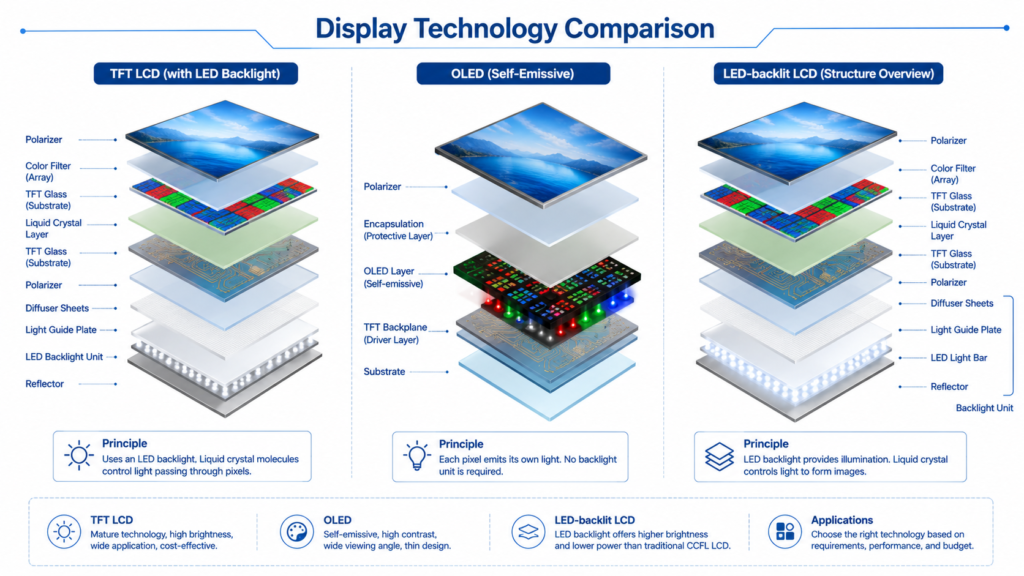
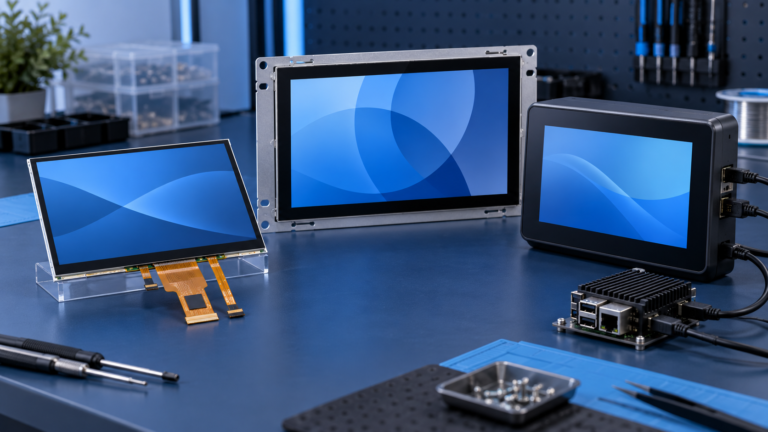
Comparação da estrutura de exibição entre TFT LCD, OLED e LCD com retroiluminação LED
Este guia explica as diferenças práticas entre telas TFT LCD, OLED e LCD com retroiluminação LED, com foco em dispositivos embarcados e seleção de telas B2B.
O que é TFT LCD?
TFT LCD significa "thin-film transistor liquid crystal display" (tela de cristal líquido com transistor de filme fino). É um tipo de LCD que utiliza transistores de filme fino para controlar pixels individuais em uma matriz ativa. Comparado com LCDs de matriz passiva mais antigos, os TFT LCDs oferecem melhor controle de imagem, resposta mais rápida, contraste aprimorado e maior adequação para telas de alta resolução.
Um TFT LCD não emite luz por si só. Ele precisa de uma retroiluminação, geralmente uma retroiluminação LED, para tornar a imagem visível. A camada de cristal líquido controla quanta luz passa por cada pixel, enquanto os filtros de cor criam subpixels vermelhos, verdes e azuis.
Em aplicações industriais e embarcadas, o TFT LCD continua sendo uma das tecnologias de exibição mais amplamente utilizadas, pois oferece um equilíbrio prático entre desempenho, custo, disponibilidade, variedade de tamanhos, opções de interface e flexibilidade de personalização.
Principais benefícios do TFT LCD
Amplamente disponível em muitos tamanhos e resoluções
Custo-benefício para projetos B2B e de produção em massa
Adequado para aplicações industriais, embarcadas e de eletrônicos de consumo
Suporta muitas opções de interface, incluindo RGB, LVDS, MIPI, SPI, MCU, HDMI e eDP, dependendo do módulo e da placa controladora
Pode suportar painéis de toque, vidro de cobertura, alto brilho, personalização de retroiluminação e integração de placa controladora
Geralmente adequado para aplicações de interface de usuário estática, onde o burn-in do OLED pode ser uma preocupação
Limitações do TFT LCD
Requer uma retroiluminação, portanto não consegue atingir o mesmo preto em nível de pixel que o OLED
O contraste depende do tipo de painel, estrutura da retroiluminação e design óptico
O ângulo de visão varia conforme a tecnologia do painel, especialmente TN, VA e IPS
A espessura do módulo geralmente é maior que a do OLED devido à estrutura da retroiluminação
A potência da retroiluminação e o design térmico devem ser considerados em aplicações de alto brilho
Aplicações comuns do TFT LCD
Displays HMI industriais
Interfaces de dispositivos médicos
Painéis de controle de casa inteligente
Painéis de veículos e telas de equipamentos
Equipamentos de segurança
Eletrônicos de consumo
Sistemas embarcados e soluções de exibição baseadas em placa controladora
O Que É OLED?
OLED significa "organic light-emitting diode" (diodo orgânico emissor de luz). Diferentemente do TFT LCD, o OLED não requer uma retroiluminação separada. Cada pixel emite sua própria luz. Quando um pixel precisa exibir preto, ele pode ser desligado ou acionado com intensidade muito baixa, o que confere ao OLED seu conhecido preto profundo e alto desempenho de contraste.
O OLED é frequentemente usado em smartphones premium, televisores de alto padrão, wearables, dispositivos de realidade virtual e aplicações onde estrutura fina, amplo ângulo de visão, alto contraste e forte impacto visual são importantes.
No entanto, o OLED não é automaticamente a melhor escolha para todo projeto de exibição. Seu custo, comportamento de vida útil, requisitos de brilho, risco de imagem estática e condições de fornecimento devem ser considerados cuidadosamente, especialmente em dispositivos embarcados que exibem elementos de interface de usuário fixos por longos períodos.
Principais benefícios do OLED
Pixels autoemissores sem retroiluminação separada
Excelente nível de preto e alto contraste
Ângulos de visualização amplos
Estrutura de exibição muito fina possível
Resposta rápida de pixel
Desempenho visual forte para produtos de consumo premium
Limitações do OLED
Geralmente custo mais alto que as opções padrão de TFT LCD
Risco potencial de burn-in ou retenção de imagem com conteúdo estático ao longo do tempo
A vida útil pode variar conforme a cor, nível de brilho, padrão de uso e sistema de material
O alto brilho em tela cheia pode ser mais difícil de alcançar do que em alguns designs de LCD com retroiluminação LED
Nem sempre é a escolha mais prática para produtos industriais com telas de interface de usuário fixa
Aplicações comuns do OLED
Smartphones premium
Televisores de alto padrão
Dispositivos vestíveis
Dispositivos de RV e RA
Eletrônicos portáteis
Produtos onde estrutura fina e alto contraste são pontos de venda chave
O Que É LED em Tecnologia de Exibição?
A palavra LED pode ser confusa em discussões sobre telas. Em muitos mercados de consumo, “tela LED” geralmente significa um LCD com retroiluminação LED. Isso ainda é um painel LCD. A parte LED refere-se à fonte de retroiluminação atrás ou ao redor do painel LCD.
Um LCD com retroiluminação LED utiliza LEDs para iluminar o painel de cristal líquido. A camada LCD controla a luz, e a retroiluminação LED fornece o brilho. Isso substituiu a retroiluminação CCFL mais antiga em muitos produtos de exibição, pois as retroiluminações LED podem ser mais finas, mais eficientes em termos energéticos, mais fáceis de controlar e adequadas para designs de alto brilho.
Existem também telas LED de visão direta e tecnologias Micro LED, onde os próprios LEDs formam os pixels da imagem. Estas são diferentes dos LCDs comuns com retroiluminação LED. Neste artigo, “LED” refere-se principalmente a LCD com retroiluminação LED, porque esse é o significado mais comum quando as pessoas comparam TFT LCD, OLED e LED para monitores, telas embarcadas e telas comerciais.
Principais benefícios do LCD com retroiluminação LED
Maior potencial de brilho do que LCDs mais antigos com retroiluminação CCFL
Custo-benefício e amplamente disponível
Adequado para monitores, televisores, sinalização digital, laptops e telas embarcadas
Pode ser projetado para aplicações de alto brilho
Suporta muitos tipos de painéis LCD, incluindo TN, IPS e VA
Frequentemente prático para aplicações de uso prolongado e interface de usuário estática
Limitações do LCD com retroiluminação LED
Ainda depende de uma camada LCD, portanto o nível de preto é limitado pelo vazamento de luz e controle da retroiluminação
A espessura geralmente é maior que a do OLED porque uma unidade de retroiluminação é necessária
O contraste depende fortemente do tipo de painel, design da retroiluminação e escurecimento local, se disponível
Um design de retroiluminação de baixa qualidade pode criar problemas de uniformidade de brilho
O método de acionamento da retroiluminação pode afetar o consumo de energia, o calor e o comportamento de cintilação
TFT LCD vs OLED vs LCD com Retroiluminação LED: Principais Diferenças
Caraterística
o TFT LCD
OLED
LCD com Retroiluminação LED
Tecnologia básica
Display de cristal líquido de matriz ativa
Display de diodo orgânico autoemissivo
Painel LCD utilizando retroiluminação LED
Fonte de luz
Requer luz de fundo (backlight)
Cada pixel emite luz
Requer luz de fundo LED
Nível de preto
Limitado pelo bloqueio de luz do LCD e vazamento da retroiluminação
Excelente, pois os pixels podem desligar
Depende do painel LCD e do controle da retroiluminação
Contraste
Moderado a bombo, dependendo do tipo de painel
Muito alto
Moderado a alto, dependendo do painel e do design da retroiluminação
Ângulo de visão
Depende do tipo de painel TN, IPS ou VA
Geralmente amplo
Depende do tipo de painel LCD
Brilho
Depende do design da retroiluminação
Forte em muitos produtos premium, mas o brilho em tela cheia pode variar
Pode ser projetado para alto brilho
Espessura
Requer retroiluminação, geralmente mais espesso que OLED
Pode ser muito fino
Requer retroiluminação, espessura depende do design
Adequação para imagens estáticas
Geralmente adequado
Necessita de revisão de risco de burn-in
Geralmente adequado
Custo
Geralmente custo-benefício
Geralmente mais alto
Custo-benefício em muitos tamanhos
Melhor ajuste
Displays embarcados, industriais, HMI, baseados em placa controladora
Produtos visuais premium e dispositivos de consumo finos
Monitores, sinalização, aplicações LCD de alto brilho
TFT LCD Não É o Oposto de LED
Um erro comum é tratar TFT LCD e LED como categorias de display completamente separadas. Em muitos produtos, eles estão, na verdade, conectados. Um módulo TFT LCD frequentemente usa uma retroiluminação LED. Isso significa que um display pode ser tanto um TFT LCD quanto um display com retroiluminação LED.
Por exemplo, muitos módulos TFT LCD industriais usam retroiluminações LED. A camada TFT controla os pixels, enquanto a retroiluminação LED fornece iluminação. Chamar esse tipo de produto de “TFT LCD” enfatiza a tecnologia LCD de matriz ativa. Chamá-lo de “LCD com retroiluminação LED” enfatiza a fonte de luz.
É por isso que a frase “TFT vs LED” pode ser enganosa, a menos que LED seja claramente definido. Se LED significa LCD com retroiluminação LED, então não é um concorrente direto do TFT LCD. Se LED significa LED de visão direta ou Micro LED, então refere-se a uma arquitetura de display muito diferente.
TFT LCD vs OLED: Qual é Melhor?
OLED geralmente oferece melhor nível de preto, maior contraste, ângulos de visão mais amplos e uma estrutura mais fina. Para produtos visuais premium, o OLED pode fornecer uma imagem mais impressionante que o TFT LCD padrão.
No entanto, o TFT LCD é frequentemente melhor para aplicações que necessitam de controle de custos, fornecimento estável, exibição de interface de usuário estática por longo prazo, ampla disponibilidade de tamanhos, personalização de retroiluminação de alto brilho e integração com placa controladora. Isso é especialmente relevante para equipamentos industriais, painéis de controle inteligentes, displays relacionados a veículos, dispositivos de segurança e produtos embarcados.
Em outras palavras, o OLED pode ser melhor para qualidade de imagem premium, enquanto o TFT LCD pode ser melhor para muitos projetos de engenharia B2B onde disponibilidade, custo, personalização e integração prática são mais importantes.
TFT LCD vs LCD com Retroiluminação LED: Qual é a Diferença?
A comparação entre TFT LCD e LCD com retroiluminação LED muitas vezes não é uma comparação verdadeira de um para um. TFT descreve como os pixels do LCD são ativamente controlados. Retroiluminação LED descreve como o LCD é iluminado.
Um TFT LCD moderno geralmente usa uma retroiluminação LED. Portanto, muitos displays TFT LCD também são LCDs com retroiluminação LED. A comparação mais útil não é TFT LCD vs LED, mas sim:
TN TFT LCD vs IPS TFT LCD
TFT LCD de brilho padrão vs alto brilho
Interface RGB vs interface MIPI vs interface LVDS
Apenas módulo LCD vs LCD com placa controladora
Vidro de cobertura padrão vs vidro de cobertura personalizado
Display interno vs display externo ou semiexterno
Essas comparações são mais úteis para engenheiros porque afetam diretamente a adequação do produto.
OLED vs LCD com Retroiluminação LED
OLED e LCD com retroiluminação LED diferem principalmente em como a luz é produzida. Os pixels OLED emitem luz individualmente. Os painéis LCD com retroiluminação LED usam LEDs atrás ou ao redor do painel LCD para fornecer luz para toda a área do display ou zonas do display.
O OLED tem bom desempenho em cenas escuras porque os pixels pretos podem ser desligados. Os LCDs com retroiluminação LED podem ter bom desempenho em ambientes claros quando projetados com uma retroiluminação forte. Produtos LCD avançados podem usar escurecimento local, retroiluminações Mini LED ou filmes ópticos para melhorar contraste e brilho, mas ainda operam de forma diferente do OLED.
Para interfaces industriais estáticas, os LCDs com retroiluminação LED são frequentemente uma escolha prática. Para visuais de consumo premium, o OLED é frequentemente preferido. Para aplicações externas ou de alto brilho, um TFT LCD de alto brilho devidamente projetado pode ser mais adequado que um módulo OLED padrão.
Qual Tecnologia de Display é Melhor para Produtos Industriais e Embarcados?
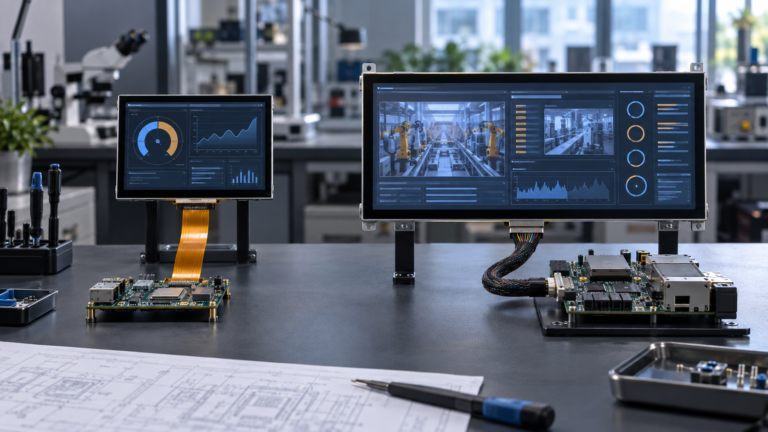
Para muitos produtos industriais e embarcados, o TFT LCD continua sendo a escolha mais prática. As razões não se limitam ao custo. Os módulos TFT LCD estão disponíveis em muitos tamanhos, suportam muitas interfaces, podem ser combinados com painéis de toque e vidro de cobertura, e podem ser combinados com placas controladoras para diferentes entradas de sistema.
O OLED pode ser usado em produtos embarcados, mas deve ser selecionado com cuidado se a aplicação exibir ícones estáticos, painéis de instrumentos, menus, áreas de aviso ou elementos de interface de usuário fixos por longos períodos. O risco de burn-in, expectativas de vida útil, requisitos de brilho e disponibilidade de fornecimento devem ser revisados.
O LCD com retroiluminação LED é frequentemente a forma padrão do TFT LCD moderno. Se for necessário alto brilho, o design da retroiluminação torna-se especialmente importante. Por exemplo, um HMI industrial ou display relacionado a veículos pode precisar de brilho mais forte e melhor legibilidade do que um produto de consumo para uso interno.
Como Escolher Entre TFT LCD, OLED e LCD com Retroiluminação LED
A tecnologia de display correta depende dos requisitos do projeto. Em vez de perguntar qual tecnologia é melhor em geral, pergunte qual se adequa ao ambiente do produto, interface do usuário, meta de custo e plano de produção.
Requisito do Projeto
Direção Recomendada
Motivo
Produto embarcado sensível a custo
TFT LCD ou TFT LCD com retroiluminação LED
Boa disponibilidade e custo de integração prático
Experiência visual premium
OLED
Contraste excelente, nível de preto e estrutura fina
Interface de usuário estática por longos períodos
LCD TFT ou LCD com retroiluminação LED
Menor preocupação com burn-in em comparação ao OLED
Ambiente externo ou com alta luminosidade
LCD TFT de alta luminosidade
A retroiluminação pode ser projetada para maior visibilidade
Produto vestível fino
OLED ou LCD TFT compacto, dependendo dos requisitos
O OLED pode suportar designs muito finos, mas custo e vida útil devem ser avaliados
IHM industrial
LCD TFT com interface e placa controladora adequadas
Suporta personalização prática e integração de sistemas
Vidro de cobertura personalizado ou design de toque
LCD TFT com personalização de toque e vidro de cobertura
Caminho comum para desenvolvimento de produtos com display embarcado
Fatores importantes de seleção para compradores B2B
Para compradores B2B, a tecnologia de display é apenas uma parte da decisão. O display final deve corresponder ao design completo do produto. Antes de escolher entre LCD TFT, OLED e LCD com retroiluminação LED, os compradores devem revisar os seguintes fatores:
Tamanho da tela e área ativa
Resolução
Requisito de brilho
Requisito de ângulo de visão
Uso interno, externo ou semiexterno
Requisito de painel de toque
Design do vidro de cobertura
Tipo de interface, como RGB, LVDS, MIPI, SPI, HDMI ou eDP
Requisito de placa controladora
Necessidades de adaptação de firmware ou software
Temperatura de funcionamento
Conteúdo de interface estática ou dinâmica
Custo-alvo e volume de produção esperado
Requisitos de fornecimento de longo prazo
Um display com excelente qualidade de imagem ainda pode ser a escolha errada se não corresponder à interface, estrutura mecânica, design de energia, requisito de toque ou condições de produção.
Suporte da RJY Display para LCD TFT e integração de displays
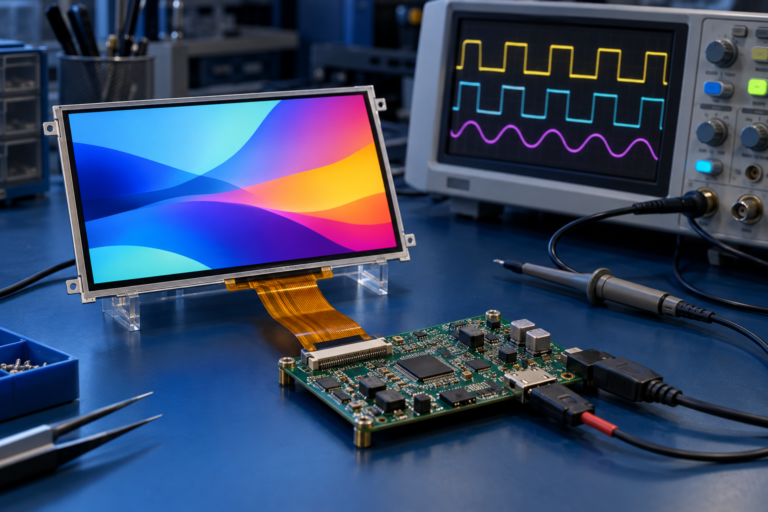
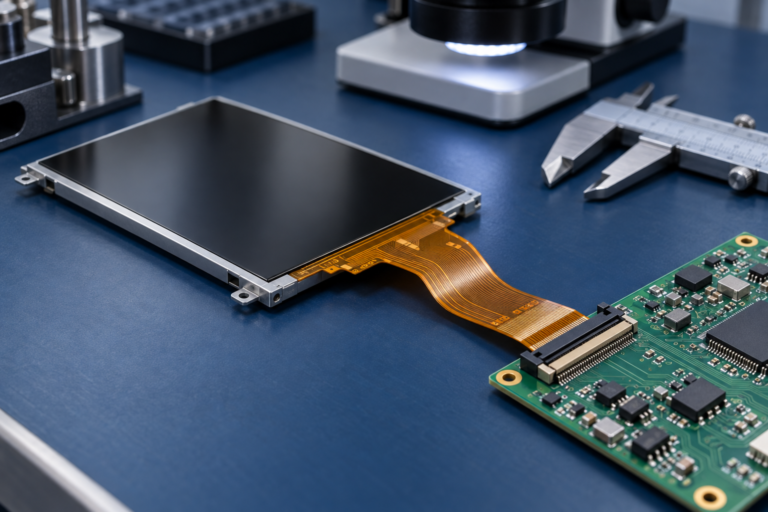
A RJY Display fornece produtos LCD TFT, placas controladoras e solução de display personalizado suporte para projetos orientados por engenharia. Para muitas aplicações B2B, o segredo não está apenas em selecionar uma tecnologia de display, mas em combinar o módulo de display com a interface correta, painel de toque, vidro de cobertura, retroiluminação, placa controladora e requisitos de firmware.
Se o seu projeto exigir um módulo LCD TFT, display de alta luminosidade, display com toque, placa controladora, vidro de cobertura personalizado, retroiluminação personalizada ou adaptação de interface, a RJY Display pode ajudar a revisar a adequação prática com base nos requisitos da sua aplicação.
Conclusão: Qual tecnologia de display você deve escolher?
LCD TFT, OLED e LED são frequentemente comparados, mas não descrevem o mesmo tipo de categoria de display. LCD TFT é uma tecnologia LCD de matriz ativa. OLED é uma tecnologia de display autoemissivo. LED, na maioria das discussões sobre produtos LCD, geralmente significa LCD com retroiluminação LED.
Escolha LCD TFT quando precisar de um equilíbrio prático entre custo, disponibilidade, personalização, opções de interface, adequação para interface de usuário estática e integração com placa controladora.
Escolha OLED quando contraste premium, preto profundo, design fino e forte impacto visual forem mais importantes que custo e preocupações com imagens estáticas.
Escolha LCD com retroiluminação LED quando precisar das vantagens da tecnologia LCD com desempenho de retroiluminação LED, especialmente para luminosidade, controle de custos e ampla disponibilidade de produtos.
Para desenvolvimento de produtos industriais, embarcados e B2B, a melhor escolha é aquela que se ajusta ao sistema completo: tamanho do display, resolução, luminosidade, interface, toque, placa controladora, firmware, estrutura mecânica, ambiente operacional e plano de produção.
FAQ
LCD TFT é o mesmo que LCD?
LCD TFT é um tipo de LCD. Ele utiliza transistores de filme fino para controlar pixels em uma matriz ativa. A maioria dos módulos LCD coloridos modernos usados em produtos embarcados e industriais são LCDs TFT.
LED é melhor que LCD TFT?
Essa comparação pode ser enganosa. Muitos LCDs TFT já utilizam retroiluminação LED. Se LED significa LCD com retroiluminação LED, então não é o oposto de LCD TFT. Se LED significa LED de visão direta ou Micro LED, refere-se a uma arquitetura de display diferente.
O OLED é melhor que o TFT LCD?
O OLED geralmente oferece melhor nível de preto, contraste, ângulo de visão e fineza. No entanto, o LCD TFT é frequentemente mais prático para produtos industriais e embarcados devido ao custo, disponibilidade, adequação para interface de usuário estática, opções de personalização e compatibilidade com placas controladoras.
Displays LCD TFT precisam de retroiluminação?
Sim. LCDs TFT não emitem luz por si próprios. Eles precisam de uma retroiluminação, geralmente uma retroiluminação LED, para tornar a imagem visível.
O OLED tem risco de burn-in?
O OLED pode apresentar risco de burn-in ou retenção de imagem quando conteúdo estático é exibido por longos períodos. O risco real depende da luminosidade, padrão de uso, conteúdo, tecnologia do painel e recursos de mitigação.
Qual display é melhor para uso externo?
Um LCD TFT de alta luminosidade ou LCD com retroiluminação LED é frequentemente uma escolha prática para uso externo ou semiexterno. No entanto, a seleção final também deve considerar vidro de cobertura, reflexão, ângulo de visão, temperatura operacional e design do invólucro.
Qual display é melhor para IHM industrial?
O LCD TFT é comumente usado para IHM industrial porque oferece ampla disponibilidade, flexibilidade de interface, suporte a toque, opções de placa controladora e potencial de personalização. O display exato deve ser selecionado com base no tamanho, resolução, luminosidade, interface e ambiente operacional.