Enfrentando um gargalo no seu Projeto de Display Incorporado?
Não deixe que a integração complexa ou problemas na cadeia de abastecimento atrasem o seu tempo de colocação no mercado. Marque uma consulta gratuita com a equipa de especialistas da RJY para apoio personalizado em design e fabrico.
Como identificar se o seu fornecedor de módulos LCD é um verdadeiro fabricante
Ao selecionar fabricantes de módulos LCD TFT, surge frequentemente uma questão crítica: Está a lidar com uma verdadeira fábrica ou apenas com um intermediário? A resposta pode ter um impacto significativo no sucesso do seu projeto, afectando tudo, desde o custo e o prazo de entrega à qualidade do produto e às opções de personalização. Este guia irá explicar-lhe como determinar se o seu fornecedor é um fabricante genuíno ou apenas uma empresa comercial.
Publicado:
Leitura de 8 min
Atualizado:
Encontrar um fornecedor de módulos LCD TFT é fácil. Encontrar um fornecedor que possa apoiar de forma confiável seu produto, desde o desenvolvimento do protótipo até a produção em massa, é muito mais difícil.
Muitas equipes de OEM iniciam seu processo de sourcing comparando especificações, preços e prazos de entrega. À primeira vista, a maioria dos fornecedores parece semelhante. Seus sites exibem módulos de display, fotos de fábrica, certificações e capacidades de personalização. No entanto, por trás dos materiais de marketing, a realidade pode ser muito diferente.
Algumas empresas operam suas próprias instalações de fabricação, equipes de engenharia e sistemas de qualidade. Outras dependem fortemente de fábricas terceirizadas, ao mesmo tempo que se apresentam como fabricantes.
A diferença pode não parecer importante durante a fase de cotação, mas muitas vezes se torna crítica quando um projeto entra em desenvolvimento. A comunicação técnica, a flexibilidade de personalização, o cronograma de produção, a consistência da qualidade e o suporte de fornecimento de longo prazo podem ser afetados pelo fato de seu fornecedor ser um fabricante real ou um intermediário.
Entender como identificar fabricantes genuínos de módulos LCD TFT pode ajudar a reduzir o risco do projeto, melhorar a eficiência do desenvolvimento e evitar erros dispendiosos mais tarde no ciclo de vida do produto.
Por que o Fabricante por Trás do Display é Importante
Para produtos padrão prontos para uso, a compra através de um distribuidor ou empresa comercial pode ser perfeitamente aceitável.
Projetos de OEM são diferentes.
Os requisitos de display frequentemente evoluem durante o desenvolvimento. Os engenheiros podem precisar ajustar definições de interface, modificar layouts de FPC, otimizar o desempenho do toque, melhorar a legibilidade sob luz solar ou redesenhar estruturas mecânicas para se adequar ao produto final.
Essas alterações exigem comunicação direta entre o cliente e a equipe de engenharia responsável pelo display.
Quando um fornecedor não controla os recursos de produção ou engenharia, a comunicação frequentemente se torna mais lenta e complicada. As questões técnicas devem passar por várias partes antes de chegar à fábrica, aumentando o risco de mal-entendidos e atrasos.
Aspeto
Fábrica
Intermediário
Instalação de produção
Possui linhas de produção
Normalmente não fabrica
Apoio técnico
Engenheiros internos
Terceiriza ou não tem conhecimentos especializados
Transparência dos preços
Baseado nos custos e estável
Varia com uma margem de lucro elevada
Tempo de resposta
Rápido e direto
Mais lento devido à comunicação por retransmissão
Serviço pós-venda
✅ Responsabilidade total
Tendência para a transferência de culpas
Um fabricante genuíno geralmente pode fornecer:
Suporte direto de engenharia
Iterações de design mais rápidas
Melhor controle de produção
Prazos de entrega mais previsíveis
Planejamento de fornecimento de longo prazo
Para projetos com requisitos de personalização, essas vantagens se tornam cada vez mais valiosas à medida que o desenvolvimento avança.
Por que Muitos Compradores Têm Dificuldade em Identificar Fabricantes Reais de LCD
As plataformas modernas de sourcing facilitam para os fornecedores se apresentarem profissionalmente.
Uma empresa comercial pode construir um site sofisticado, publicar fotos de fábrica e exibir dezenas de categorias de produtos. Para um comprador de primeira viagem, pode haver pouca diferença visível entre um fabricante e um intermediário.
O desafio torna-se ainda maior para compradores no exterior que não podem visitar facilmente os fornecedores pessoalmente.
Como resultado, muitas equipes de compras dependem principalmente de preços, comunicação por e-mail e perfis online ao avaliar parceiros em potencial.
Infelizmente, esses fatores raramente revelam o quadro completo.
Um fornecedor pode oferecer preços competitivos, mas ter conhecimento técnico limitado. Outro fornecedor pode anunciar capacidades de personalização, mas terceirizar a maior parte do trabalho de desenvolvimento para fábricas externas.
É por isso que a verificação deve ir além dos materiais de marketing.
Os Quatro Tipos de Fornecedores de LCD TFT que Você Encontrará
Antes de avaliar fornecedores, é útil entender os diferentes modelos de negócios comumente encontrados na indústria de displays.
Fabricantes Originais
Os fabricantes originais operam suas próprias instalações de produção, equipes de engenharia, equipamentos de teste e sistemas de controle de qualidade.
Essas empresas geralmente fornecem o mais alto nível de suporte técnico e capacidade de personalização.
Distribuidores Autorizados
Os distribuidores representam marcas específicas e geralmente mantêm estoque para entrega mais rápida. Eles podem fornecer suporte valioso para produtos padrão, mas podem ter influência limitada em projetos de personalização.
Empresas Comerciais
As empresas comerciais adquirem produtos de vários fabricantes e atuam como intermediárias entre compradores e fábricas.
Algumas empresas comerciais fornecem excelente serviço, mas suas capacidades técnicas variam significativamente.
Revendedores Online
Muitos fornecedores encontrados em plataformas de e-commerce focam principalmente em vendas de pequeno volume e produtos padronizados, em vez de projetos de OEM orientados por engenharia.
As Maneiras Mais Rápidas de Verificar uma Fábrica de LCD Real
A boa notícia é que identificar fabricantes genuínos é geralmente mais fácil do que muitos compradores esperam.
Avalie as Conversas de Engenharia
Um dos indicadores mais rápidos é a qualidade da comunicação técnica.
Ao discutir um projeto, faça perguntas que exijam conhecimento de engenharia, em vez de conhecimento de vendas.
Por exemplo:
O layout do FPC pode ser modificado?
Quais opções de interface estão disponíveis?
O painel de toque pode ser personalizado?
A laminação óptica é suportada?
Quais alterações são necessárias para maior brilho?
Quantas linhas de produção você opera?
Você pode apoiar inspeções de fábrica ou auditorias por vídeo?
Você possui linhas de montagem automatizadas e de ligação COF?
Você pode compartilhar seus relatórios de equipamentos de teste EMC ou de envelhecimento?
Uma equipe de engenharia real geralmente fornecerá respostas detalhadas, discutirá compensações e fará perguntas adicionais sobre sua aplicação.
Intermediários frequentemente fornecem respostas genéricas ou exigem longos atrasos antes de responder.
Revise Sua Capacidade de Personalização
A personalização é onde a diferença entre fabricantes e comerciantes se torna mais óbvia.
Se o seu projeto exigir personalização, revisar recursos como um LCD TFT personalizado Guia de Expositores pode ajudar a esclarecer quais capacidades você deve esperar de um fornecedor.
Solicite Informações de Produção
Você não precisa de uma auditoria completa de fábrica durante a fase inicial de avaliação.
Perguntas simples podem revelar muita coisa.
Pergunte sobre:
Capacidade de produção
Procedimentos de teste de envelhecimento
Processos de inspeção de qualidade
Métodos de montagem
Prazos para protótipos
Os fabricantes geralmente respondem a essas perguntas com confiança, pois gerenciam esses processos diretamente.
Por que as Auditorias de Fábrica por Vídeo São Tão Valiosas
Uma visita guiada ao vivo pela fábrica pode revelar mais do que dezenas de e-mails.
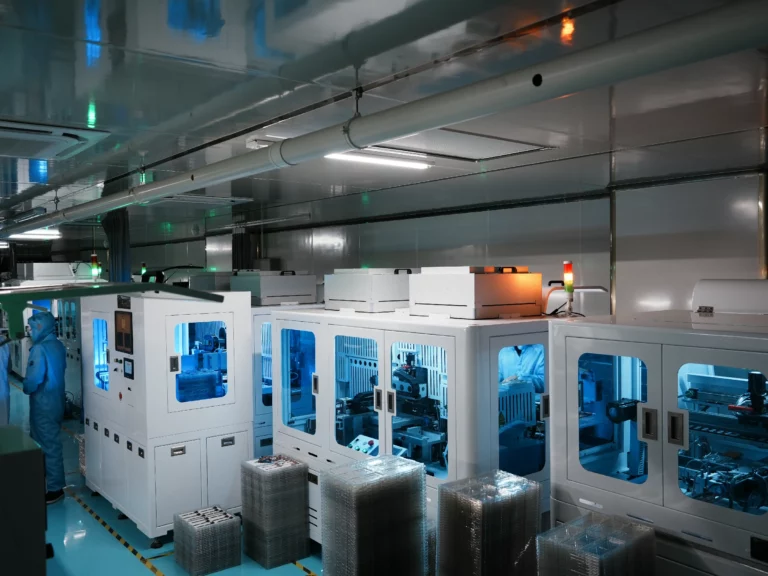
Em vez de confiar apenas em folhetos ou fotos de sites, solicite uma visita em tempo real por vídeo das instalações de produção.
Durante a visita, observe:
Linhas de produção
Equipamentos de montagem
Estações de teste
Áreas de armazenamento
Escritórios de engenharia
Processos de inspeção de qualidade
Uma fábrica genuína deve se sentir confortável em mostrar essas áreas.
Uma auditoria por vídeo não é perfeita, mas oferece muito mais conhecimento do que materiais de marketing estáticos.
Para projetos maiores, as visitas presenciais continuam sendo o método de verificação mais confiável.
Sinais Técnicos de que um Fornecedor Pode Apoiar Projetos OEM
Nem todo fabricante está equipado para lidar com o desenvolvimento OEM.
Algumas fábricas focam principalmente em produtos padrão, enquanto outras se especializam em soluções personalizadas.
Ao avaliar um fornecedor, procure evidências de que ele pode apoiar todo o processo de desenvolvimento.
Para projetos modernos de IHM, o suporte a tecnologias como MIPI, LVDS, HDMI e placas de controle baseadas em Android pode ser particularmente importante.
Fornecedores que conseguem combinar hardware de display com plataformas de computação embarcada frequentemente simplificam significativamente a integração do sistema.
Um Exemplo Real: Como uma OEM Identificou um Verdadeiro Fabricante de LCD
Uma empresa de equipamentos para casa inteligente avaliou recentemente vários fornecedores de displays ao desenvolver um novo painel de controle com tela sensível ao toque.
Inicialmente, vários fornecedores pareciam igualmente capazes.
No entanto, após discussões técnicas, diferenças claras surgiram.
Alguns fornecedores tiveram dificuldade em responder perguntas sobre integração de toque e personalização de FPC. Outros exigiram longos atrasos antes de fornecer feedback de engenharia.
A equipe eventualmente reduziu sua seleção a um fabricante que demonstrou forte envolvimento de engenharia desde o início.
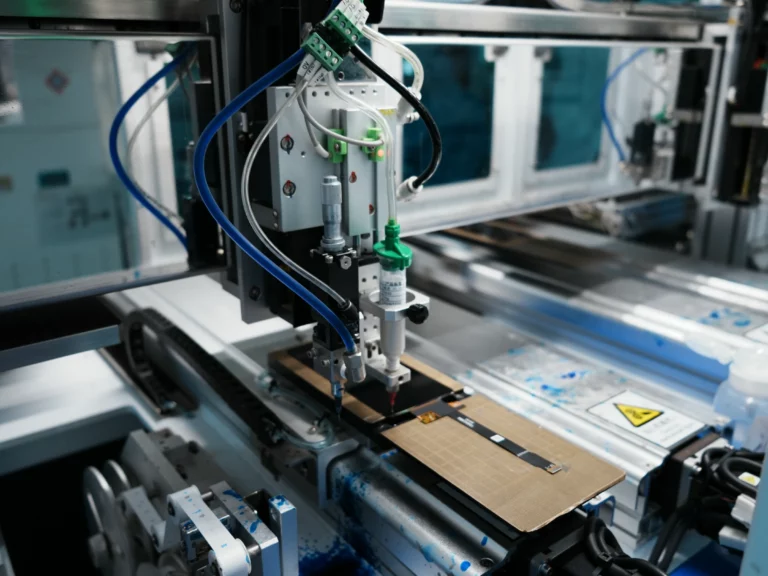
Durante uma auditoria por vídeo, o fabricante mostrou linhas de produção ativas, equipamentos de teste e recursos de engenharia dedicados.
Mais importante ainda, a equipe de engenharia contribuiu ativamente com sugestões de design que melhoraram tanto o desempenho quanto a capacidade de fabricação.
O resultado foi um processo de desenvolvimento mais suave e uma transição mais previsível para a produção em massa.
Sinais de Alerta Comuns que Não Devem Ser Ignorados
Embora muitos fornecedores sejam legítimos, certos sinais de alerta merecem atenção.
Preços Irrealisticamente Baixos
Preços que parecem dramaticamente mais baixos do que outras cotações geralmente indicam compromissos em qualidade, suporte ou confiabilidade a longo prazo.
Respostas Técnicas Genéricas
Se cada pergunta técnica receber uma resposta vaga, o fornecedor pode não ter envolvimento direto de engenharia.
Nenhum Recurso de Engenharia Visível
Um fornecedor que promove personalização sem discutir processos de engenharia deve ser avaliado com cuidado.
Relutância em Compartilhar Informações de Produção
Embora algumas informações possam ser confidenciais, fabricantes genuínos geralmente estão dispostos a discutir suas capacidades e fluxos de trabalho de produção.
Estrutura de Cotação Inconsistente
Mudanças frequentes de preços ou explicações de custos pouco claras podem indicar que o fornecedor está obtendo informações de múltiplas fontes externas, em vez de controlar a produção diretamente.
Como a RJY Apoia Projetos de Display OEM
Na RJY, trabalhamos com equipes OEM que exigem mais do que um módulo de display padrão.
Muitos projetos envolvem uma combinação de seleção de display, integração de toque, computação embarcada, design mecânico e considerações de software. Nossa equipe de engenharia trabalha diretamente com os clientes para avaliar requisitos técnicos, reduzir riscos de integração e apoiar o desenvolvimento do produto, desde a validação do protótipo até a produção em volume.
Se o objetivo é desenvolver um dispositivo inteligente compacto, um sistema de controle industrial, um eletrodoméstico comercial ou uma plataforma HMI personalizada, a colaboração de engenharia desde o início geralmente resulta em melhores resultados do que a seleção independente de componentes.
Conclusão
O melhor fabricante de módulos TFT LCD nem sempre é a empresa que oferece o menor orçamento.
Para projetos OEM, fatores como suporte de engenharia, capacidade de personalização, controle de produção e confiabilidade de longo prazo geralmente têm maior impacto no sucesso do projeto do que o custo unitário inicial.
Ao fazer as perguntas técnicas corretas, revisar as capacidades de personalização, realizar auditorias em vídeo e avaliar os recursos de engenharia, os compradores podem identificar fornecedores que realmente apoiam o desenvolvimento de produtos, em vez de simplesmente revender componentes.
Um parceiro de fabricação confiável faz mais do que fornecer displays. Eles ajudam a reduzir o risco de desenvolvimento, melhorar a qualidade do produto e apoiar o crescimento do negócio a longo prazo.
Se você está avaliando fornecedores para um projeto futuro, dedicar tempo para verificar a capacidade de fabricação hoje pode evitar problemas significativos mais tarde.
FAQ
Como posso saber se um fornecedor de TFT LCD é um fabricante real?
Analise suas capacidades de engenharia, experiência em personalização, processos de produção e disposição para fornecer visitas guiadas à fábrica. Discussões técnicas geralmente revelam mais do que materiais de marketing.
Empresas de trading são sempre uma má escolha?
Não. Algumas empresas de trading oferecem excelente serviço para produtos padrão. No entanto, projetos OEM personalizados geralmente se beneficiam do acesso direto às equipes de engenharia da fábrica.
Que perguntas devo fazer durante a avaliação de fornecedores?
Concentre-se em personalização, suporte de engenharia, processos de produção, métodos de teste e capacidades de desenvolvimento de protótipos.
Um fabricante real pode apoiar projetos personalizados de TFT LCD?
Sim. A maioria dos fabricantes qualificados pode apoiar modificações envolvendo tamanho do display, seleção de interface, integração de toque, otimização de brilho e design mecânico.
Uma visita virtual à fábrica é suficiente para verificação do fornecedor?
Uma visita virtual ao vivo é um primeiro passo útil, mas auditorias presenciais continuam sendo o método de verificação mais confiável para parcerias estratégicas e projetos de grande volume.
Por que o suporte de engenharia é tão importante em projetos de display?
A integração de displays geralmente envolve hardware, software, tecnologia de toque, design mecânico e compatibilidade de sistemas. A comunicação direta com a engenharia ajuda a resolver problemas mais rapidamente e reduz o risco de desenvolvimento.
↗
Planejando um Projeto de Display?
Compartilhe o tamanho do display, resolução, interface, brilho, requisito de toque, requisito de placa controladora e ambiente de aplicação.