Facing a bottleneck in your Embedded Display Project?
Don’t let complex integration or supply chain issues slow your time-to-market. Book a free consultation with the RJY expert team for tailored design and manufacturing support.

When selecting TFT LCD module manufacturers, one critical question often arises: Are you dealing with a real factory or just a middleman? The answer can significantly impact your project’s success, affecting everything from cost and lead time to product quality and customization options. This guide will walk you through how to determine whether your supplier is a genuine manufacturer or just a trading company.
Finding a TFT LCD module supplier is easy. Finding a supplier that can reliably support your product from prototype development to mass production is much more difficult.
Many OEM teams begin their sourcing process by comparing specifications, prices, and lead times. At first glance, most suppliers appear similar. Their websites showcase display modules, factory photos, certifications, and customization capabilities. However, behind the marketing materials, the reality can be very different.
Some companies operate their own manufacturing facilities, engineering teams, and quality systems. Others rely heavily on third-party factories while presenting themselves as manufacturers.
The difference may not seem important during the quotation stage, but it often becomes critical once a project enters development. Technical communication, customization flexibility, production scheduling, quality consistency, and long-term supply support can all be affected by whether your supplier is a true manufacturer or an intermediary.
Understanding how to identify genuine TFT LCD module manufacturers can help reduce project risk, improve development efficiency, and avoid costly mistakes later in the product lifecycle.
For standard off-the-shelf products, purchasing through a distributor or trading company may be perfectly acceptable.
OEM projects are different.
Display requirements often evolve during development. Engineers may need to adjust interface definitions, modify FPC layouts, optimize touch performance, improve sunlight readability, or redesign mechanical structures to fit the final product.
These changes require direct communication between the customer and the engineering team responsible for the display.
When a supplier does not control production or engineering resources, communication often becomes slower and more complicated. Technical questions must pass through multiple parties before reaching the factory, increasing the risk of misunderstandings and delays.
| Aspect | Factory | Middleman |
|---|---|---|
| Production Facility | ✅ Owns production lines | ❌ Typically does not manufacture |
| Technical Support | ✅ In-house engineers | ❌ Outsources or lacks expertise |
| Pricing Transparency | ✅ Cost-based and stable | ❌ Varies with high markup |
| Response Time | ✅ Fast and direct | ❌ Slower due to relay communication |
| After-Sales Service | ✅ Full accountability | ❌ Prone to blame-shifting |
A genuine manufacturer can usually provide:
For projects with customization requirements, these advantages become increasingly valuable as development progresses.
Modern sourcing platforms make it easy for suppliers to present themselves professionally.
A trading company can build a polished website, publish factory photos, and showcase dozens of product categories. To a first-time buyer, there may be little visible difference between a manufacturer and an intermediary.
The challenge becomes even greater for overseas buyers who cannot easily visit suppliers in person.
As a result, many procurement teams rely primarily on pricing, email communication, and online profiles when evaluating potential partners.
Unfortunately, these factors rarely reveal the full picture.
A supplier may offer competitive pricing while having limited technical expertise. Another supplier may advertise customization capabilities but outsource most development work to external factories.
This is why verification should extend beyond marketing materials.
Before evaluating suppliers, it helps to understand the different business models commonly found in the display industry.
Original manufacturers operate their own production facilities, engineering teams, testing equipment, and quality control systems.
These companies typically provide the highest level of technical support and customization capability.
Distributors represent specific brands and often maintain inventory for faster delivery. They can provide valuable support for standard products but may have limited influence over customization projects.
Trading companies source products from multiple manufacturers and act as intermediaries between buyers and factories.
Some trading companies provide excellent service, but their technical capabilities vary significantly.
Many suppliers found on e-commerce platforms focus primarily on small-volume sales and standardized products rather than engineering-driven OEM projects.
The good news is that identifying genuine manufacturers is usually easier than many buyers expect.
One of the fastest indicators is the quality of technical communication.
When discussing a project, ask questions that require engineering knowledge rather than sales knowledge.
For example:
A real engineering team will typically provide detailed answers, discuss trade-offs, and ask additional questions about your application.
Intermediaries often provide generic responses or require extended delays before replying.
Customization is where the difference between manufacturers and traders becomes most obvious.
A capable factory should be able to discuss:
If your project requires customization, reviewing resources such as a Custom TFT LCD Displays Guide can help clarify what capabilities you should expect from a supplier.
You do not need a complete factory audit during the initial evaluation stage.
Simple questions can reveal a great deal.
Ask about:
Manufacturers generally answer these questions confidently because they manage these processes directly.
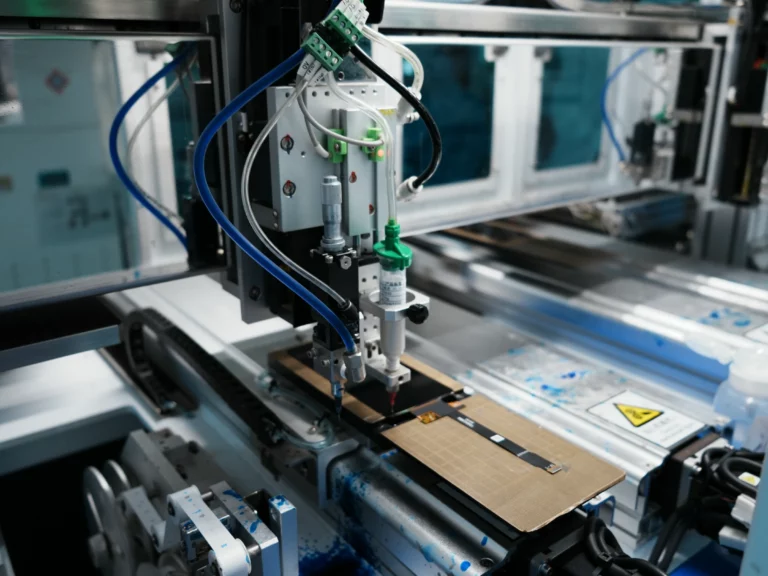
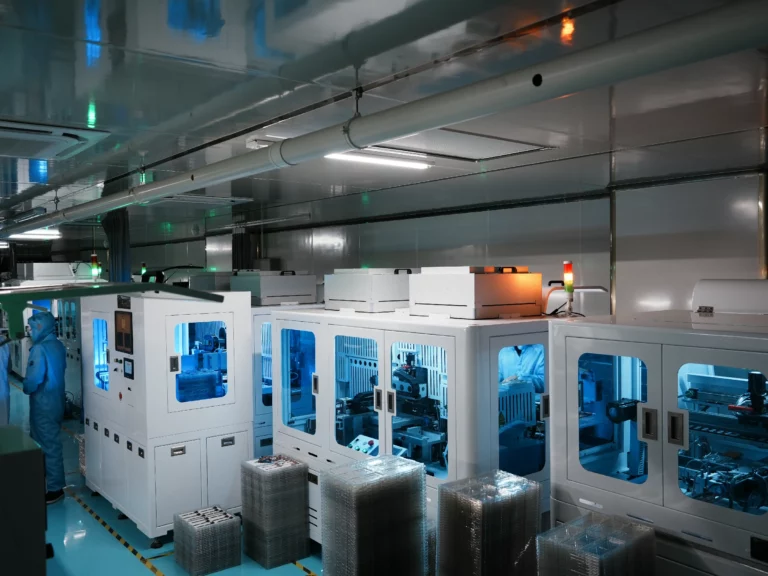
A live factory walkthrough can reveal more than dozens of emails.
Rather than relying solely on brochures or website photos, request a real-time video tour of the production facility.
During the walkthrough, observe:
A genuine factory should be comfortable showing these areas.
A video audit is not perfect, but it provides far more insight than static marketing materials.
For larger projects, on-site visits remain the most reliable verification method.
Not every manufacturer is equipped to handle OEM development.
Some factories focus primarily on standard products, while others specialize in custom solutions.
When evaluating a supplier, look for evidence that they can support the entire development process.
Strong indicators include:
For modern HMI projects, support for technologies such as MIPI, LVDS, HDMI, and Android-based control boards can be particularly important.
Suppliers that can combine display hardware with embedded computing platforms often simplify system integration significantly.
A smart home equipment company recently evaluated multiple display suppliers while developing a new touchscreen control panel.
Initially, several suppliers appeared equally capable.
However, after technical discussions, clear differences emerged.
Some suppliers struggled to answer questions about touch integration and FPC customization. Others required long delays before providing engineering feedback.
The team eventually narrowed its selection to a manufacturer that demonstrated strong engineering involvement from the beginning.
During a video audit, the manufacturer showed active production lines, testing equipment, and dedicated engineering resources.
More importantly, the engineering team actively contributed design suggestions that improved both performance and manufacturability.
The result was a smoother development process and a more predictable transition into mass production.
While many suppliers are legitimate, certain warning signs deserve attention.
Pricing that appears dramatically lower than competing quotations often indicates compromises in quality, support, or long-term reliability.
If every technical question receives a vague answer, the supplier may lack direct engineering involvement.
A supplier promoting customization without discussing engineering processes should be evaluated carefully.
While some information may be confidential, genuine manufacturers are usually willing to discuss their capabilities and production workflows.
Frequent pricing changes or unclear cost explanations may indicate that the supplier is obtaining information from multiple external sources rather than controlling production directly.
At RJY, we work with OEM teams that require more than a standard display module.
Many projects involve a combination of display selection, touch integration, embedded computing, mechanical design, and software considerations. Our engineering team works directly with customers to evaluate technical requirements, reduce integration risk, and support product development from prototype validation through volume production.
Our capabilities include:
Whether the goal is to develop a compact smart device, an industrial control system, a commercial appliance, or a custom HMI platform, early engineering collaboration often leads to better outcomes than selecting components independently.
The best TFT LCD module manufacturer is not always the company offering the lowest quotation.
For OEM projects, factors such as engineering support, customization capability, production control, and long-term reliability often have a greater impact on project success than initial unit cost.
By asking the right technical questions, reviewing customization capabilities, conducting video audits, and evaluating engineering resources, buyers can identify suppliers that genuinely support product development rather than simply resell components.
A reliable manufacturing partner does more than supply displays. They help reduce development risk, improve product quality, and support long-term business growth.
If you are evaluating suppliers for an upcoming project, taking the time to verify manufacturing capability today can prevent significant problems later.
Review their engineering capabilities, customization experience, production processes, and willingness to provide factory walkthroughs. Technical discussions often reveal more than marketing materials.
No. Some trading companies provide excellent service for standard products. However, custom OEM projects often benefit from direct access to factory engineering teams.
Focus on customization, engineering support, production processes, testing methods, and prototype development capabilities.
Yes. Most qualified manufacturers can support modifications involving display size, interface selection, touch integration, brightness optimization, and mechanical design.
A live video tour is a useful first step, but on-site audits remain the most reliable verification method for strategic partnerships and large-volume projects.
Display integration often involves hardware, software, touch technology, mechanical design, and system compatibility. Direct engineering communication helps solve problems faster and reduces development risk.
Share your display size, resolution, interface, brightness, touch requirement, controller board requirement, and application environment.
Continue reading related display technology guides and application references.
Talk to RJY’s engineering team for display matching, controller board review, and customization discussion.