








Understanding the Touch IC Chip
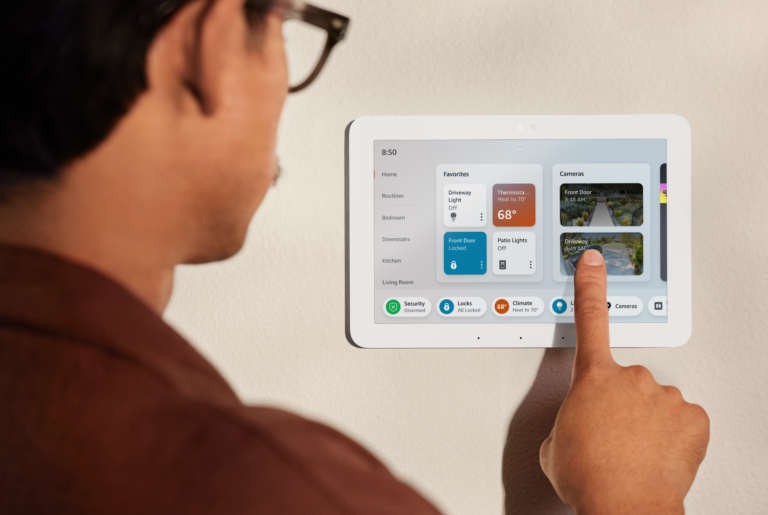
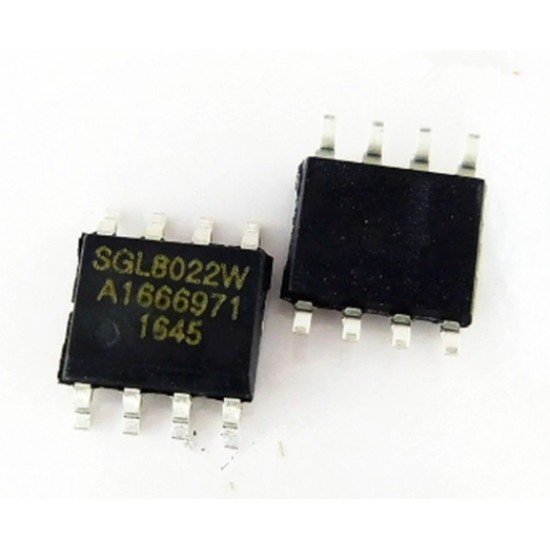
A Touch IC (Integrated Circuit) chip is a specialized microcontroller or ASIC (Application-Specific Integrated Circuit) that processes input signals from a touchscreen sensor. It acts as the “brain” of the touch interface, interpreting physical touches into digital signals that the device’s main processor can understand.
Unlike general-purpose processors, a touch IC is designed specifically for capacitive or resistive touch sensing, ensuring high accuracy, low latency, and reliable performance across different environmental conditions.
How a Touch IC Works
The working principle of a touch IC depends on the type of touchscreen technology it supports — typically capacitivo ou resistivo.
- Signal Detection
- In capacitive touchscreens, the touch IC monitors changes in the electrostatic field when a finger or stylus comes into contact with the glass.
- In resistive touchscreens, the IC detects changes in electrical resistance when two conductive layers are pressed together.
- Signal Processing
- The chip amplifies, filters, and digitizes the analog touch signals.
- Advanced algorithms help distinguish between intentional touches, accidental contact, and noise.
- Coordinate Calculation
- The IC calculates the precise X and Y coordinates of the touch.
- For multi-touch screens, it tracks multiple touch points simultaneously.
- Data Transmission
- The touch IC sends processed touch data to the main CPU via communication interfaces like I²C, SPI, ou USB.
Core Functions of a Touch IC Chip
A well-designed touch IC performs several critical functions:
- Touch Detection: Recognizing single or multiple touch points accurately.
- Gesture Recognition: Detecting swipes, pinches, and rotations.
- Noise Filtering: Minimizing interference from display signals or power fluctuations.
- Water and Glove Touch Support: Maintaining responsiveness in challenging conditions.
- Low Power Operation: Reducing energy consumption for battery-powered devices.
- Firmware Upgradability: Allowing performance improvements or feature additions post-deployment.
Types of Touch IC Chips
Capacitive Touch ICs
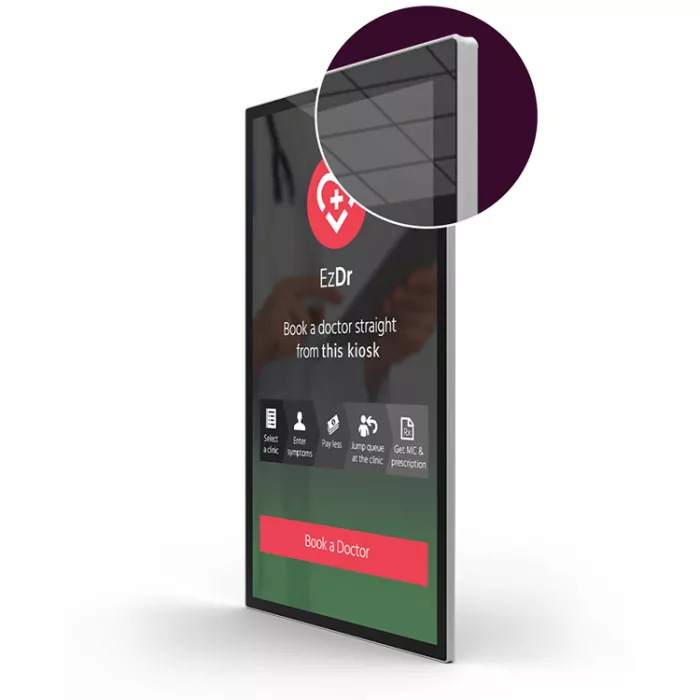
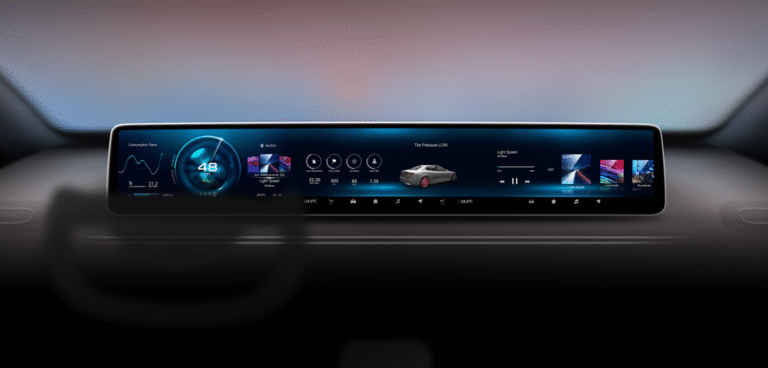
Used in most modern consumer devices, these ICs offer high sensitivity, multi-touch support, and durability due to their glass surface. Common in smartphones, tablets, kiosks, and car infotainment systems.
Resistive Touch ICs
More common in industrial and rugged applications, resistive ICs work with any input tool and offer high accuracy, but with lower optical clarity and no multi-touch support.
Hybrid Touch ICs
Some ICs can handle both capacitive and resistive inputs or incorporate features like stylus pressure sensitivity for specialized applications.
Key Performance Parameters
When evaluating a touch IC, engineers often look at:
- Precisão do Touch: Precision of coordinate detection.
- Report Rate: Speed at which touch data is sent to the host processor.
- Consumo de energia: Important for portable devices.
- Environmental Tolerance: Operation under high humidity, temperature extremes, or exposure to sunlight.
- EMI Immunity: Resistance to electromagnetic interference from other components.
- Interface Support: Compatibility with the device’s architecture.
Common Applications
Touch IC chips are found in:
- Eletrónica de consumo: Smartphones, tablets, smartwatches, and e-readers.
- Automóvel: In-dash displays, infotainment systems, and navigation units.
- Painéis de controlo industrial: Touch-based HMIs (Human Machine Interfaces).
- Dispositivos médicos: Patient monitoring systems and diagnostic equipment.
- Retail and Hospitality: POS terminals, self-service kiosks, and ticketing machines.
Selecting the Right Touch IC Chip
Choosing the right touch IC depends on:
- Tipo de ecrã: Capacitive vs. resistive technology.
- Screen Size and Resolution: Larger displays may require more powerful ICs.
- Ambiente de Operação: Will the device be used outdoors, in wet conditions, or in dusty environments?
- Tipos de Entrada: Dedos, luvas, stylus ou gestos de toque múltiplo.
- Restrições de Energia: Dispositivos alimentados por bateria podem exigir chips de ultrabaixo consumo.
- Requisitos de Integração: Compatibilidade com drivers de exibição e processadores principais.
Fabricantes Populares de Touch ICs
Embora muitas empresas desenvolvam Touch ICs, alguns nomes conhecidos incluem:
- Goodix – Amplamente utilizada em smartphones e tablets.
- Synaptics – Reconhecida por controladores de toque premium e integração com sensores biométricos.
- FocalTech – Popular nos mercados consumer e industrial.
- Cypress/Infineon – Oferece soluções robustas para aplicações automotivas.
- ELAN Microelectronics – Frequentemente encontrada em dispositivos consumer de médio porte.
Tendências Futuras na Tecnologia de Touch ICs
A indústria de Touch ICs continua a evoluir com:
- Projetos de Ultrabaixo Consumo: Para wearables e dispositivos de IoT.
- Taxas de Amostragem de Toque Mais Elevadas: Para experiências mais fluidas em jogos e desenho.
- Reconhecimento de Gestos Baseado em IA: Para interações mais intuitivas.
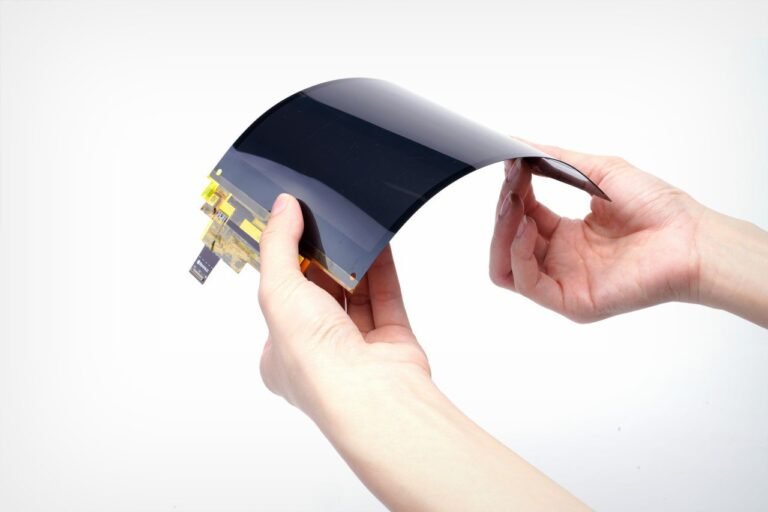
- Suporte a Telas Flexíveis e Dobráveis: Conforme os formatos de exibição se diversificam.
Conclusão
O O chip Touch IC é um herói anônimo da eletrônica moderna, garantindo silenciosamente que cada toque, deslize e pinço seja detectado e executado com precisão. Seja em um smartphone, painel de carro ou painel industrial, este pequeno componente é central para as interfaces intuitivas baseadas em toque das quais dependemos diariamente.
Compreender sua função e capacidades ajuda projetistas de produtos e engenheiros a escolher a melhor solução de toque possível — aquela que equilibra desempenho, durabilidade e experiência do usuário.