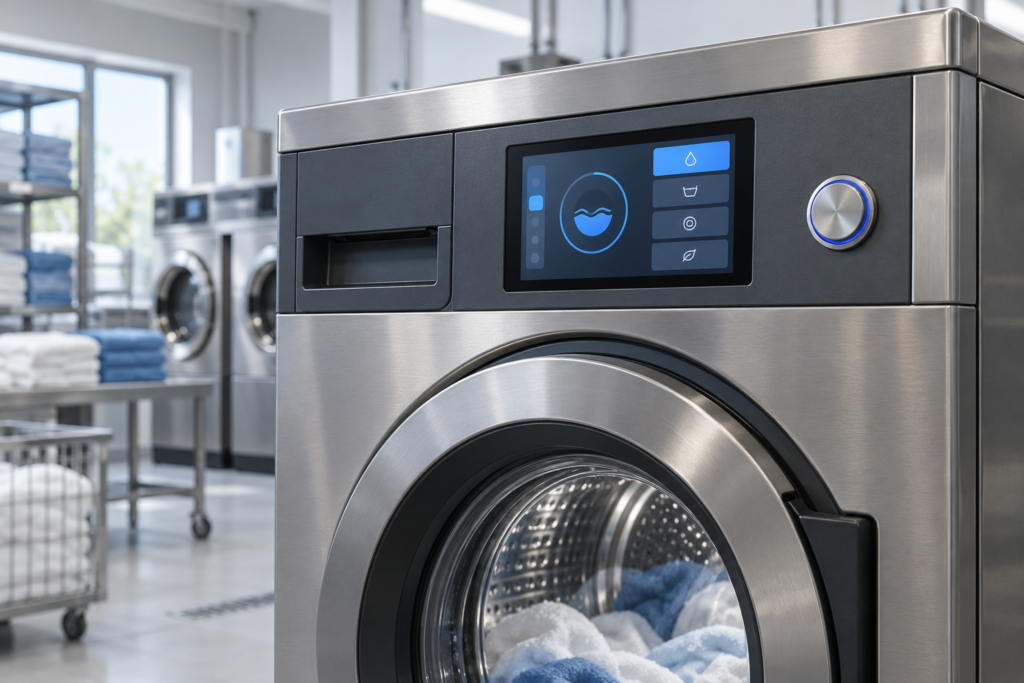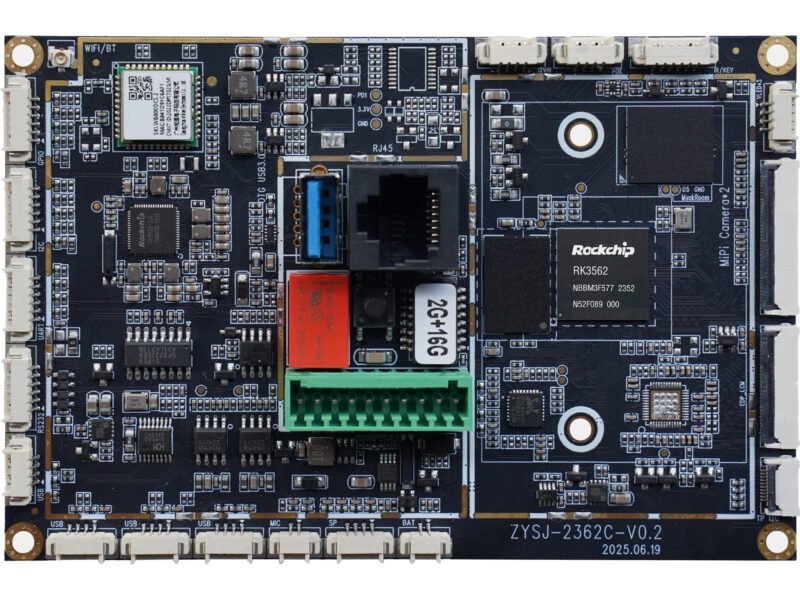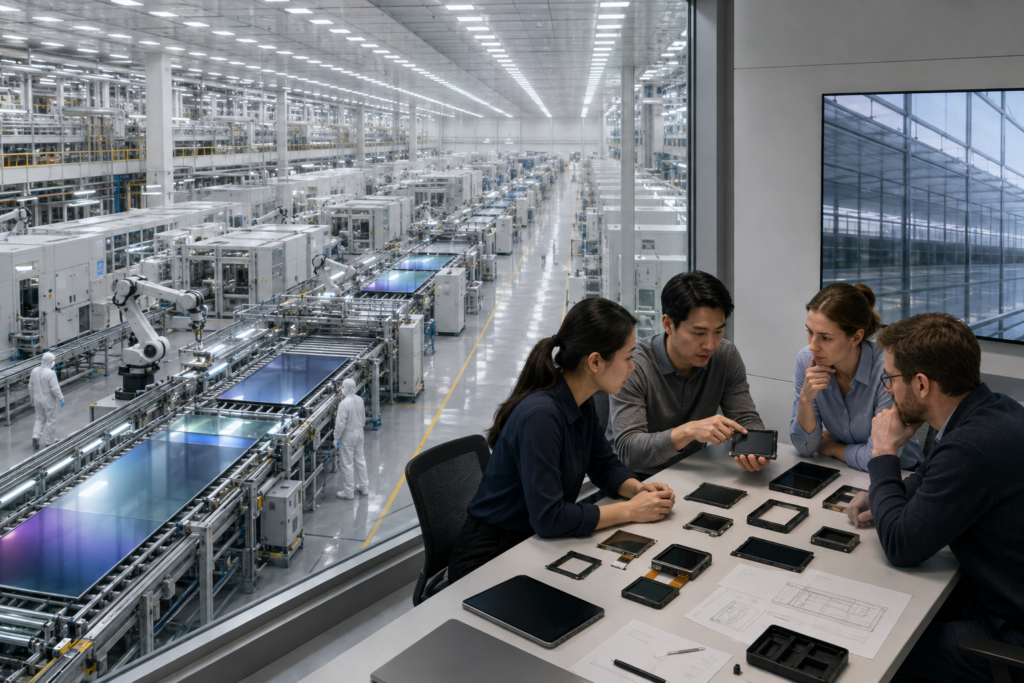
I principali produttori di display al mondo possiedono un'enorme capacità produttiva, tecnologia di processo avanzata, ampi portafogli di brevetti e accesso ai principali mercati dell'elettronica di consumo. Per televisori, smartphone, laptop, veicoli e altri prodotti ad alto volume, la loro scala rappresenta un vantaggio decisivo.
Tuttavia, tale vantaggio non rende automaticamente un produttore di pannelli di primo livello il miglior partner per ogni progetto di display.
Le piccole e medie imprese spesso si avvicinano al mercato con un insieme diverso di esigenze. Possono richiedere centinaia o migliaia di display anziché milioni. Possono necessitare di un vetro di copertura modificato, di una retroilluminazione diversa, di una direzione FPC insolita, dell'integrazione del touch, di una scheda di controllo, di un adattamento del firmware o di assistenza per inserire un LCD esistente in un nuovo involucro.
Questi requisiti possono essere commercialmente importanti per lo sviluppatore di apparecchiature, pur rimanendo troppo piccoli, frammentati o ad alta intensità ingegneristica per il modello operativo standard di un grande produttore di pannelli.
Ciò crea un paradosso al centro del settore dei display. La scala rende i display avanzati accessibili e ampiamente disponibili, ma i sistemi organizzativi necessari per raggiungere tale scala possono rendere più difficile supportare la differenziazione a basso volume. Quanto più un produttore è ottimizzato per la produzione standardizzata, tanto meno attraente può diventare un progetto piccolo e altamente personalizzato.
Questo non significa che i principali marchi LCD siano tecnicamente incapaci di supportare le piccole imprese. Significa che le loro fabbriche, le strutture di vendita, le priorità di sviluppo e i requisiti di ritorno sull'investimento potrebbero non allinearsi con l'economia di un progetto di una PMI. Comprendere questa distinzione aiuta le startup, i team di R&S e i produttori di apparecchiature a scegliere il tipo giusto di partner per i display.
La distinzione importante: produttore di pannelli, fornitore di moduli e partner di soluzioni
Il termine “produttore di LCD” viene utilizzato in modo generico sul mercato, ma può descrivere diversi ruoli molto differenti.
Un produttore di pannelli gestisce i processi produttivi ad alta intensità di capitale che creano i pannelli display. Il suo lavoro può includere array di transistor a film sottile, filtri colore, celle a cristalli liquidi, strutture OLED, taglio, test e altri processi eseguiti su scala industriale.
Un fornitore di moduli lavora più vicino all'assemblaggio del display utilizzabile. A seconda del suo ambito, può combinare un pannello con un sistema di driver, retroilluminazione, telaio, FPC, connettore, pannello touch, vetro di copertura o altri elementi di integrazione.
Un partner di soluzioni per display lavora ancora più vicino al prodotto finale del cliente. Può aiutare a valutare se un modulo esistente si adatta all'involucro, se l'interfaccia host è appropriata, se è necessaria una scheda di controllo, come il touch dovrebbe essere integrato o come la FPC e la struttura meccanica dovrebbero essere coordinate.
Un'azienda può operare su più di uno di questi livelli. Diversi grandi gruppi di display si sono espansi oltre la produzione di pannelli e ora promuovono sistemi integrati, applicazioni verticali e soluzioni incentrate sui display. AUO, ad esempio, descrive una trasformazione da fornitore di pannelli a fornitore di soluzioni incentrate sui display che abbraccia display, mobilità e soluzioni verticali.1
Anche così, il percorso commerciale disponibile per un cliente automobilistico globale o un grande marchio di elettronica di consumo può essere molto diverso dal percorso disponibile per una startup che ordina il suo primo lotto di produzione.
L'acquirente dovrebbe quindi chiedere più di “Chi ha prodotto il pannello?” Una domanda più utile è: “Chi si assumerà la responsabilità di aiutare questo pannello a funzionare all'interno del mio prodotto?”
Perché la scala è così potente nel settore dei display
La produzione moderna di display premia la scala. Grandi impianti di fabbricazione, attrezzature specializzate, controllo di processo, acquisto di materiali, gestione della resa e programmi di ricerca richiedono investimenti sostanziali. L'elevato volume di produzione consente di distribuire questi costi fissi su un numero maggiore di pannelli.
La scala può offrire diversi vantaggi:
- Costo unitario inferiore per prodotti consolidati ad alto volume
- Controllo di processo e dati di produzione più maturi
- Accesso a tecnologie di display avanzate
- Ampi portafogli di ricerca e proprietà intellettuale
- Capacità di servire programmi globali di elettronica di consumo
- Forte potere contrattuale nella catena di fornitura a monte
La storia aziendale di BOE illustra la scala di questo modello. L'azienda descrive la costruzione e la produzione di massa di multiple linee di produzione TFT-LCD ad alta generazione e riporta oltre 100.000 domande di brevetto depositate in modo indipendente entro il 2025.2
La strategia recente di LG Display enfatizza similmente una struttura aziendale incentrata sull'OLED e una quota maggiore di prodotti premium. I prodotti OLED hanno rappresentato il 56% dei suoi ricavi nel secondo trimestre del 2025, secondo l'annuncio dei risultati dell'azienda.3
Queste sono strategie razionali per aziende che gestiscono grandi investimenti di capitale. Una linea di produzione non può essere gestita come se ogni ordine fosse un esperimento di laboratorio. Materiali, tempo macchina, risorse ingegneristiche, sistemi di qualità e programmi clienti devono essere allocati verso opportunità in grado di produrre un ritorno appropriato.
Dalla prospettiva del grande produttore, la standardizzazione non è una mancanza di attenzione al cliente. È uno dei meccanismi che rende il settore dei display economicamente possibile.
Il primo paradosso: le PMI necessitano di differenziazione, ma la scala premia la standardizzazione
Molti marchi di apparecchiature più piccoli non possono competere attraverso il volume di produzione. Competono servendo mercati più ristretti, risolvendo problemi specializzati, muovendosi rapidamente o creando un'esperienza di prodotto che i grandi marchi hanno trascurato.
Il display è spesso centrale in quella differenziazione. Un'azienda di smart-home può necessitare di un pannello frontale circolare. Uno sviluppatore di apparecchiature da laboratorio può necessitare di uno schermo compatto integrato in uno strumento esistente. Un produttore di dispositivi di sicurezza può necessitare di un display di stato stretto. Una startup nel settore dell'ospitalità può desiderare un vetro di copertura distintivo e un'interfaccia personalizzata.
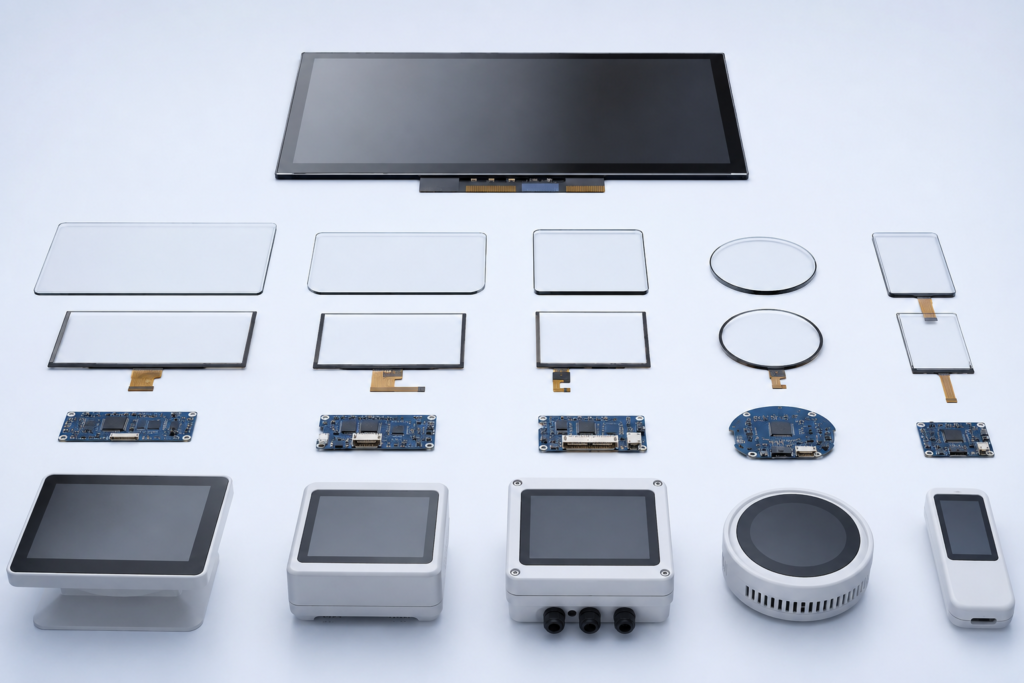
Per la PMI, questi dettagli non sono puramente estetici. Possono determinare se il prodotto si adatta al suo involucro, comunica il suo valore o appare sufficientemente diverso dalle apparecchiature concorrenti.
Tuttavia, per un produttore di pannelli su larga scala, ogni variazione può introdurre complessità:
- Una revisione ingegneristica separata
- Nuovi disegni e documentazione
- Qualificazione aggiuntiva di materiali o componenti
- Modifiche agli stampi o ai processi produttivi
- Requisiti di ispezione differenti
- Gestione separata di inventario e previsioni
- Maggiore comunicazione per la gestione del progetto
Se l'ordine previsto è ridotto, i ricavi potrebbero non giustificare tale complessità. Il produttore potrebbe offrire solo il proprio catalogo standard esistente, richiedere una quantità minima d'ordine elevata, indirizzare l'acquirente attraverso un distributore o rifiutare il progetto.
Il risultato è una discrepanza fondamentale: la PMI necessita di personalizzazione perché non ha economie di scala, mentre il grande produttore necessita di volumi prima che la personalizzazione diventi commercialmente conveniente.
Il secondo paradosso: le PMI necessitano di flessibilità prima che la loro domanda sia prevedibile
Un programma di prodotto globale maturo può fornire previsioni dettagliate, specifiche approvate, sedi produttive definite, firmware validato e un piano di acquisto pluriennale. Un nuovo progetto di una PMI spesso inizia con incertezza.
Lo sviluppatore potrebbe ancora dover decidere:
- Quale dimensione del display si adatta al design industriale
- Se il prodotto necessita di touch
- Quale processore o sistema operativo utilizzare
- Quanta luminosità richiede l'ambiente
- Se l'interfaccia debba essere MIPI, LVDS, eDP, RGB o un'altra opzione
- Come risponderanno i clienti al primo prototipo
- Quale sarà la quantità di produzione del primo anno
È proprio in questo momento che il supporto ingegneristico ha il massimo valore. È anche il momento in cui le previsioni di acquisto sono meno affidabili.
Un grande produttore può ragionevolmente volere certezza previsionale prima di allocare risorse ingegneristiche. La PMI ha bisogno di risorse ingegneristiche per creare il prodotto che potrebbe eventualmente generare una previsione affidabile. Ciascuna parte attende prove che l'altra non può ancora fornire.
Un fornitore di moduli o soluzioni più flessibile può talvolta colmare questo divario partendo da una piattaforma di visualizzazione esistente, realizzando una configurazione campione e riducendo l'incertezza tecnica prima che vengano presi impegni per la produzione di massa.
Questo non elimina il rischio commerciale. Divide il rischio in decisioni più piccole e più gestibili.
Il terzo paradosso: le PMI desiderano quantità minime di ordine inferiori ma maggiore attenzione ingegneristica
La quantità d'ordine e il carico di lavoro ingegneristico non si muovono sempre nella stessa direzione.
Una piccola azienda può ordinare solo 500 display personalizzati, ma richiedere diverse discussioni su vetro di copertura, FPC, controller touch, processore host, retroilluminazione, firmware, involucro e comportamento del campione. Un cliente importante che ordina centinaia di migliaia di unità può avere requisiti complessivi maggiori, ma può anche disporre di un'organizzazione ingegneristica dedicata e specifiche consolidate.
Dal punto di vista del fornitore, il progetto più piccolo può richiedere più comunicazione per unità venduta.
Questo è il motivo per cui una MOQ bassa non deve essere intesa come un semplice atto di generosità. È un modello economico che deve tenere conto di:
- Tempo di revisione ingegneristica
- Lavoro di sviluppo non ricorrente
- Preparazione dei campioni
- Vincoli di acquisto dei componenti
- Requisiti di stampi o attrezzature
- Configurazione della linea di produzione
- Ispezione e documentazione
- Rischio che il progetto non raggiunga mai la produzione ripetuta
Un acquirente PMI serio non dovrebbe aspettarsi che una personalizzazione estesa venga prezzata come un componente standard. L'obiettivo reale non è “personalizzazione senza costi”. È una struttura di sviluppo in cui il costo è visibile, proporzionato e compatibile con l'opportunità.
I progetti di personalizzazione di RJY Display partono tipicamente da una MOQ di circa 500 unità, a seconda del modulo, dell'ambito di personalizzazione, dei materiali e dei requisiti del progetto. Questo non è un impegno universale per ogni configurazione, ma illustra un modello di business posizionato tra la fornitura hobbistica una tantum e la produzione di pannelli per il mercato di massa.
Perché un marchio di pannelli famoso non garantisce una soluzione di prodotto completa
Gli acquirenti PMI talvolta assumono che ottenere un pannello da un marchio leader risolverà la maggior parte del rischio di sviluppo del display. L'origine del pannello è importante, ma non risponde a ogni questione di integrazione.
Il prodotto finito potrebbe comunque richiedere decisioni su:
- Progettazione e alimentazione della retroilluminazione
- Layout FPC e posizione del connettore
- Temporizzazione e inizializzazione del display
- Selezione del pannello touch
- Comunicazione del controller touch
- Forma e stampa del vetro di copertura
- Assemblaggio ottico e meccanico
- Compatibilità della scheda controller
- Comportamento del firmware o del sistema operativo
- Tolleranze dell'involucro e montaggio
Un pannello può essere tecnicamente eccellente e comunque difficile da utilizzare in un prodotto specifico. Il problema può non avere nulla a che fare con la qualità del pannello. L'interfaccia potrebbe non corrispondere all'host, la FPC potrebbe uscire nella direzione sbagliata, l'area attiva potrebbe non allinearsi con l'involucro, oppure la scheda controller disponibile potrebbe non supportare i timing richiesti.
Questi sono problemi di integrazione a livello di modulo e di sistema, piuttosto che problemi di produzione del pannello.
Questo spiega perché un fornitore con minore riconoscibilità globale del marchio possa talvolta creare un valore più pratico per un progetto di PMI. Il fornitore più piccolo non produce necessariamente un pannello più avanzato. Potrebbe semplicemente operare a un livello in cui si verificano i problemi reali del cliente.
La personalizzazione non è una cosa sola
Gli acquirenti spesso richiedono un “LCD personalizzato” senza distinguere tra diversi livelli molto differenti di personalizzazione.
Livello 1: Selezione di un diverso modulo standard
L'opzione a minor rischio può consistere nell'identificare un modulo esistente le cui dimensioni, risoluzione, interfaccia, luminosità, direzione di visualizzazione e requisiti di temperatura siano già compatibili con il prodotto. Non è richiesta alcuna modifica fisica.
Livello 2: Personalizzazione dei componenti attorno a un LCD esistente
Il display principale rimane invariato, ma il fornitore modifica l'assemblaggio circostante. Gli elementi possibili includono il vetro di copertura, il pannello touch, la retroilluminazione, la FPC, la disposizione dei connettori, la scheda controller, il firmware o la relativa struttura meccanica.
Questo è spesso il livello più pratico per i progetti di PMI, poiché fornisce una differenziazione significativa del prodotto senza richiedere un processo completamente nuovo di produzione del pannello display.
Livello 3: Modifica dell'architettura del modulo
Modifiche più estese possono interessare più componenti o richiedere nuovi stampi e validazioni. La fattibilità dipende dal pannello selezionato, dai materiali disponibili, dalla quantità di produzione, dalla tempistica e dal rischio tecnico.
Livello 4: Sviluppo di un pannello LCD completamente nuovo
Una nuova area attiva, progettazione della cella, struttura dei pixel, disposizione dei driver o geometria del pannello costituisce un'impresa fondamentalmente diversa. Può comportare costi non ricorrenti sostanziali, aspettative di volumi elevati, lunghi lavori di sviluppo e vincoli di fattibilità specifici del processo.
Molte PMI non necessitano realmente del Livello 4. Necessitano del Livello 2 presentato chiaramente e implementato con competenza.
Confondere questi livelli crea una scarsa selezione dei fornitori. Un acquirente può rifiutare una soluzione pratica basata su un modulo esistente perché non suona “completamente personalizzata”, oppure rivolgersi a una fabbrica di pannelli con un progetto che sarebbe meglio servito attraverso l'adattamento di vetro di copertura, touch, interfaccia e meccanica.
Dove le PMI di solito necessitano di differenziazione
Per molti sviluppatori di apparecchiature, la differenziazione visiva del prodotto avviene sopra e attorno all'LCD, piuttosto che all'interno della cella a cristalli liquidi.
Vetro di copertura e identità del pannello frontale
Il vetro di copertura può influenzare la forma apparente dell'interfaccia, il design del bordo, la presentazione del marchio, le posizioni delle aperture e l'integrazione con l'involucro. Un LCD rettangolare standard può supportare un aspetto distintivo del prodotto quando il pannello frontale è ben progettato.
Il materiale esatto del vetro, lo spessore, il trattamento superficiale, la durezza, la stampa e il metodo di incollaggio devono essere confermati per il progetto. Queste proprietà non dovrebbero mai essere presupposte dalla frase “vetro di copertura personalizzato”.”
Configurazione del touchscreen
Il touch può sostituire i controlli fisici e consentire a una piattaforma hardware di supportare più interfacce. Tuttavia, il sensore touch, il controller, il vetro di copertura, il firmware, il sistema operativo, la messa a terra, l'involucro e l'ambiente di utilizzo influenzano il risultato finale.
La personalizzazione del touch è pertanto un compito di integrazione di sistema, non semplicemente un'opzione aggiunta a un codice prodotto LCD.
Luminosità e retroilluminazione
Un display utilizzato in un ambiente interno controllato ha requisiti di visibilità diversi da uno installato vicino a una finestra o all'interno di apparecchiature illuminate. L'adattamento della retroilluminazione può aiutare un modulo a adattarsi meglio al suo ambiente, ma luminosità, potenza, calore, costruzione ottica e funzionamento previsto devono essere valutati congiuntamente.
Coordinamento di FPC e interfaccia
La posizione e la direzione di un cavo flessibile possono determinare se un display si adatta all'interno di un involucro compatto. La selezione dell'interfaccia influisce anche sulla scelta del processore, sui requisiti della scheda controller, sull'integrità del segnale, sul firmware e sulla progettazione dei cavi.
Scheda controller e firmware
Una PMI può avere un LCD selezionato ma nessun modo diretto per pilotarlo dal proprio host preferito. Un progetto di scheda controller richiede più della semplice corrispondenza dei tipi di connettore. Modello del pannello, risoluzione, interfaccia, definizione dei pin, timing, driver IC quando disponibile, retroilluminazione, touch, sistema operativo, firmware e ambiente devono essere esaminati prima di confermare la compatibilità.
Coordinamento meccanico
Un assemblaggio display interagisce con la cornice, i punti di montaggio, la guarnizione, i cavi, il design termico, i pulsanti, gli altoparlanti, i sensori e l'alloggiamento del prodotto. Il coordinamento meccanico relativo al display può prevenire interferenze in fase avanzata, ma non dovrebbe essere confuso con servizi illimitati di design industriale o di produzione completa del dispositivo.
Perché i grandi produttori non possono semplicemente creare un dipartimento con un piccolo team
Potrebbe sembrare che un produttore globale possa risolvere il problema delle PMI assegnando un piccolo team di vendita e ingegneria agli account a volumi ridotti. Alcune grandi aziende e le loro reti di distribuzione offrono già programmi che servono gruppi di clienti più ampi. Tuttavia, la scala organizzativa non può essere facilmente separata dalla scala produttiva.
Un dipartimento per piccoli progetti dipenderebbe comunque dalla più grande azienda per:
- Materiali e fornitori approvati
- Regole di pianificazione della produzione
- Procedure di gestione della qualità
- Sistemi di gestione delle modifiche ingegneristiche
- Revisione legale e commerciale
- Processi di qualificazione del cliente
- Requisiti minimi di ritorno economico
L'account può essere piccolo, ma l'organizzazione che lo gestisce rimane grande.
I grandi produttori affrontano anche un problema di costo-opportunità. Un ingegnere che lavora su un modulo personalizzato a basso volume non sta lavorando su una piattaforma automobilistica globale, su un prodotto OLED di prossima generazione o su un programma strategico di elettronica di consumo. Il progetto più piccolo deve competere internamente per una scarsa attenzione tecnica.
Ciò è particolarmente rilevante poiché le grandi aziende di display enfatizzano tecnologie premium e trasformazione verticale del mercato. LG Display ha pubblicamente enfatizzato la sua struttura incentrata sull'OLED, mentre AUO ha descritto strategie “Go Premium” e “Go Vertical” volte ad aumentare il valore della tecnologia dei display e ad approfondire le applicazioni verticali.4
Queste strategie mostrano che le aziende leader riconoscono i limiti della produzione indifferenziata di pannelli. Non significano, tuttavia, che ogni piccolo OEM possa accedere direttamente a una soluzione personalizzata con le stesse condizioni commerciali di un cliente strategico ad alto volume.
Il ruolo dei distributori—e i loro limiti
I distributori rendono accessibili i prodotti dei grandi produttori a una base clienti più ampia. Possono fornire inventario locale, quantità d'ordine più piccole, supporto commerciale, logistica e accesso a più marchi.
Per una PMI che cerca un display standard, un distributore può essere la scelta corretta. Il cliente può confrontare i moduli disponibili, acquistare campioni ed evitare i minimi diretti di fabbrica.
La distribuzione diventa meno completa quando il progetto richiede modifiche oltre l'articolo a catalogo. Non tutti i distributori possono sviluppare una retroilluminazione personalizzata, coordinare touch e vetro di copertura, modificare una FPC, adattare il firmware o assumersi la responsabilità di una combinazione display-controller.
La distinzione non è tra “buona fabbrica” e “cattivo distributore”. È tra disponibilità transazionale e responsabilità ingegneristica.
Un processo utile di selezione del fornitore chiede:
- Il fornitore può solo vendere il componente standard?
- Può ottenere documentazione accurata del pannello?
- Può spiegare cosa può e cosa non può essere modificato?
- Può coordinare i requisiti di touch, controller, firmware e meccanici?
- Chi possiede la revisione tecnica se il sistema completo non funziona?
Un distributore può rimanere parte della catena di fornitura mentre un partner specializzato in soluzioni gestisce l'integrazione. La struttura appropriata dipende dal progetto.
Lo strato intermedio: perché esistono fornitori specializzati di display
Il divario tra la produzione di pannelli di grandi dimensioni e lo sviluppo di piccole apparecchiature crea un mercato per fornitori specializzati di display.
Questi fornitori generalmente non tentano di riprodurre la scala di capitale o lo sviluppo avanzato dei processi di un grande produttore di pannelli. Il loro valore deriva dalla combinazione della tecnologia display esistente con un modello commerciale e ingegneristico più flessibile.
Un fornitore specializzato può creare valore:
- Ricercando tra i moduli esistenti una corrispondenza più ravvicinata
- Supportando la valutazione in fase di campionatura
- Aggregando la domanda di pannelli e componenti
- Personalizzando parti selezionate dell'assemblaggio del modulo
- Coordinando risorse di terze parti per touch, copertura in vetro o schede
- Comunicando con il team di ingegneria di un cliente più piccolo
- Gestendo la transizione dal prototipo alla produzione ripetuta
Questo ruolo è talvolta frainteso come semplice rivendita. Un fornitore che si limita a inoltrare i numeri di parte svolge effettivamente una funzione commerciale limitata. Un fornitore competente di moduli o soluzioni esegue selezione ingegneristica, coordinamento dell'integrazione, chiarimento dei rischi e gestione del progetto attorno al display principale.

Il valore di questo strato intermedio aumenta man mano che il prodotto del cliente diventa più specializzato e la sua competenza interna sui display diventa più limitata.
Personalizzazione basata su moduli esistenti: una strategia pratica per le PMI
Per molte PMI, la strategia di sviluppo prodotto più efficace non è creare un nuovo pannello. È iniziare con un modulo esistente adatto e concentrare gli investimenti sugli elementi che i clienti possono vedere, utilizzare o da cui dipendono.
Questo approccio offre diversi vantaggi.
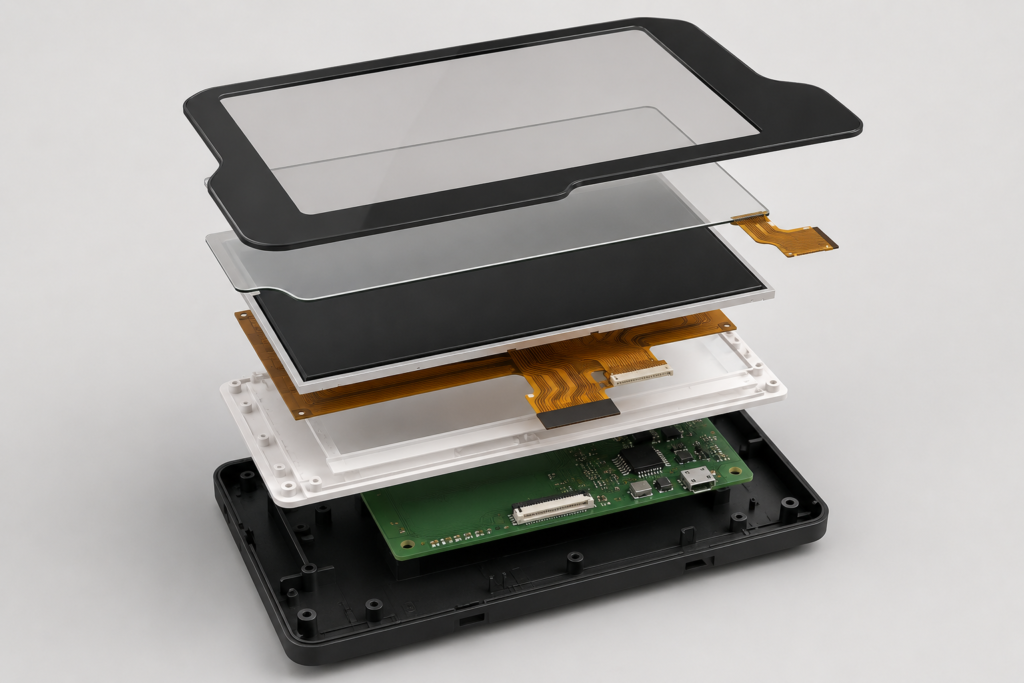
Riduce l'incertezza tecnica
Una piattaforma di pannelli esistente ha già un'area attiva definita, risoluzione, interfaccia, architettura del driver e profilo fisico. Il progetto inizia con più informazioni note rispetto a uno sviluppo di display completamente nuovo.
Mantiene la differenziazione focalizzata
L'azienda può investire in copertura in vetro, comportamento del touch, design dell'interfaccia, involucro, firmware, software applicativo e nell'esperienza complessiva del prodotto, piuttosto che spendere la maggior parte del budget per ricreare la tecnologia display.
Rende la campionatura più realistica
Un prototipo basato sul modulo previsto fornisce prove migliori su adattamento meccanico, leggibilità, prestazioni dell'interfaccia ed esperienza utente rispetto a uno schermo di sviluppo generico che verrà successivamente sostituito.
Crea un percorso più chiaro verso la produzione
Il progetto richiede comunque validazione e pianificazione dell'approvvigionamento, ma meno elementi fondamentali devono cambiare tra le fasi di prototipo e produzione.
Può rendere il costo di sviluppo più controllabile
Il cliente può separare i costi dei componenti standard dal lavoro di personalizzazione non ricorrente. Questo non garantisce un costo totale basso, ma rende le fonti di costo più facili da comprendere e gestire.
Ci sono dei limiti. Il modulo disponibile potrebbe non corrispondere a ogni dimensione, risoluzione, interfaccia o requisito ottico desiderato. L'acquirente deve essere disposto a modificare il design industriale quando il costo di una geometria display perfetta supera il valore che crea.
Standardizzazione e differenziazione non sono opposti
Le PMI a volte temono che l'uso di un modulo display esistente renda il loro prodotto dall'aspetto generico. Questo presuppone che l'identità del prodotto derivi principalmente dall'origine nascosta del pannello LCD.
In pratica, i clienti interagiscono con un sistema completo. Vedono:
- La forma e la finitura del pannello frontale
- La proporzione dello schermo rispetto all'involucro
- L'interfaccia grafica
- La reattività del touch
- La qualità delle animazioni e delle transizioni
- I dettagli di montaggio e meccanici
- Le funzioni abilitate dal software
- La coerenza dell'esperienza complessiva del prodotto
Due prodotti possono utilizzare tecnologia display correlata e sentirsi comunque completamente diversi.
Ciò suggerisce un modello di innovazione più efficiente: standardizzare gli strati di componenti che i clienti non hanno bisogno di distinguere e differenziare gli strati che influenzano l'uso, l'integrazione e l'identità del marchio.
Un pannello di controllo intelligente potrebbe non aver bisogno di una cella a cristalli liquidi unica. Potrebbe aver bisogno di una copertura in vetro sagomata, un'interfaccia touch reattiva, un involucro con proporzioni curate e software progettato per il suo specifico flusso di lavoro.
Questa non è innovazione compromessa. È l'allocazione di risorse di sviluppo limitate verso le parti del prodotto che creano il maggior valore.
Quando una PMI dovrebbe contattare direttamente un grande produttore di pannelli
Un fornitore specializzato non è sempre la risposta corretta. Il coinvolgimento diretto con un grande produttore di pannelli può essere appropriato quando il progetto presenta caratteristiche quali:
- Domanda annuale molto elevata e credibile
- Un piano di piattaforma pluriennale
- Requisiti legati alla tecnologia avanzata dei pannelli
- Forti risorse interne di ingegneria dei display
- Una specifica chiara e improbabile che subisca modifiche
- Capacità commerciale di sostenere i costi di attrezzaggio e sviluppo
- Processi di qualifica adeguati a un programma strategico
Un programma di grande volume nel settore dell'elettronica di consumo, dei veicoli, dei notebook o della televisione può trarre diretto beneficio dalla scala, dalla profondità di processo, dalla roadmap tecnologica e dalla pianificazione della capacità a lungo termine di un'azienda leader nel settore dei pannelli.
Una PMI può diventare strategicamente importante anche se la sua applicazione offre accesso a un nuovo mercato o a una tecnologia che il produttore intende sviluppare. Le dimensioni aziendali da sole non determinano se una collaborazione diretta sia possibile.
La chiave è l'allineamento. Se l'opportunità corrisponde alla roadmap tecnologica del produttore, alle aspettative di fatturato e alle priorità di risorse, anche un'azienda più piccola può diventare un partner prezioso.
Quando un fornitore specializzato di moduli o soluzioni è più appropriato
Un fornitore specializzato è generalmente più rilevante quando il progetto richiede:
- Selezione tra moduli TFT LCD compatti esistenti
- Volume di produzione moderato
- Comunicazione tecnica in fase di campionatura
- Vetro di copertura personalizzato o integrazione del touchscreen
- Adattamento di retroilluminazione, FPC o interfaccia
- Una scheda controller abbinata al pannello selezionato
- Coordinamento del firmware
- Supporto meccanico correlato al display
- Una transizione pratica dal prototipo alla produzione
Il cliente deve comunque valutare attentamente il fornitore. La flessibilità senza disciplina ingegneristica può generare documentazione incoerente, responsabilità poco chiare o modifiche scarsamente controllate.
Un fornitore credibile deve dichiarare i propri limiti. Deve distinguere i prodotti standard dal lavoro personalizzato, indicare quando una conclusione richiede il datasheet effettivo del pannello, evitare di dichiarare una compatibilità universale delle schede controller e chiarire se lo sviluppo si basa su un modulo esistente.
Un fornitore disposto a dire “questo deve essere verificato” può essere più utile di uno che promette che ogni richiesta è semplice.
Come le PMI dovrebbero valutare un Display Personalizzato fornitore
1. Chiedere dove avviene la personalizzazione
Il fornitore propone un nuovo pannello, un modulo modificato o una personalizzazione attorno a un display esistente? La risposta determina costi, rischio, MOQ e tempi di sviluppo.
2. Chiedere quali informazioni sono necessarie prima che la fattibilità possa essere confermata
Una revisione tecnica seria deve richiedere dimensioni target, risoluzione, interfaccia, luminosità, touch, ambiente, vincoli di involucro, quantità di campioni e domanda di produzione prevista.
Per il lavoro su schede controller, sono importanti anche il modello del pannello, il datasheet, la definizione dei pin, la retroilluminazione, l'interfaccia touch, il firmware, il sistema operativo e i requisiti di ingresso.
3. Separare i fatti verificati dalle proposte
Un obiettivo di luminosità proposto non è un risultato verificato. Un percorso controller pianificato non è una compatibilità confermata. Un involucro concettuale non è una struttura pronta per la produzione. Il fornitore deve etichettare accuratamente ogni fase.
4. Esaminare il controllo delle modifiche
Chiedere come verranno documentati disegni, campioni, versioni firmware, materiali approvati e modifiche di configurazione. Anche i progetti più piccoli necessitano di un riferimento stabile quando passano alla produzione ripetitiva.
5. Valutare la qualità della comunicazione
Le risposte rapide sono utili, ma la chiarezza tecnica conta di più. Cercare risposte che colleghino le raccomandazioni al display, all'host, all'involucro, all'ambiente e alla quantità.
6. Confrontare il costo totale del progetto
Il prezzo unitario deve essere considerato insieme ad attrezzaggio, spese di ingegneria, revisioni dei campioni, schede controller, cavi, lavoro software, rischio di installazione e potenziale riprogettazione.
7. Testare la configurazione effettiva
Non approvare la produzione basandosi esclusivamente su un modulo simile o su una scheda dimostrativa generica. Valutare insieme il LCD previsto, il touch, il vetro di copertura, il controller, il firmware, l'involucro e l'ambiente d'uso.
Cosa significa il divario tra grandi produttori e PMI per il mercato dei display
Il mercato non si sta dividendo nettamente in “grandi produttori avanzati” e “piccoli fornitori flessibili”. Al contrario, le aziende si stanno muovendo verso livelli sovrapposti.
I grandi gruppi del settore display si stanno espandendo verso prodotti premium, sistemi integrati, mobilità, retail e altre soluzioni verticali. AUO Display Plus, ad esempio, ha promosso soluzioni integrate per display retail piuttosto che solo singoli pannelli.5
Allo stesso tempo, i fornitori specializzati di moduli offrono schede controller, assemblaggi touch, coordinamento firmware e supporto meccanico. I distributori aggiungono servizi di progettazione, mentre i produttori di apparecchiature sviluppano internamente una maggiore competenza nel settore display.
Questo crea competizione attorno alla proprietà dell'integrazione. Il fornitore vincente potrebbe non essere l'azienda con la fabbrica più grande o il catalogo più ampio. Potrebbe essere l'azienda in grado di ridurre la distanza tra una specifica di display e un prodotto funzionante.
Per le PMI, questo è positivo. Più livelli della catena di fornitura stanno cercando di risolvere problemi applicativi. Tuttavia, rende anche più difficile la valutazione dei fornitori, perché la parola “soluzione” può descrivere qualsiasi cosa, da un kit di moduli standard a una piattaforma hardware profondamente coordinata.
Gli acquirenti devono esaminare l'ambito effettivo dietro il linguaggio di marketing.
L'opportunità strategica per le PMI
Lo svantaggio di scala di una PMI può trasformarsi in un vantaggio di innovazione quando l'azienda organizza intelligentemente lo sviluppo dei propri prodotti.
Un team più piccolo può spesso:
- Puntare a una categoria di dispositivi poco servita
- Prendere decisioni con meno livelli organizzativi
- Testare rapidamente un'interfaccia utente specializzata
- Adattare creativamente un modulo esistente
- Servire volumi di produzione troppo piccoli per una piattaforma globale
- Collaborare strettamente con i primi clienti
- Modificare il proprio prodotto prima che venga impegnato capitale significativo
L'obiettivo non dovrebbe essere quello di imitare il modello di acquisto di un'azienda multinazionale di elettronica di consumo. Dovrebbe essere quello di costruire una catena di fornitura adeguata alla scala della PMI.
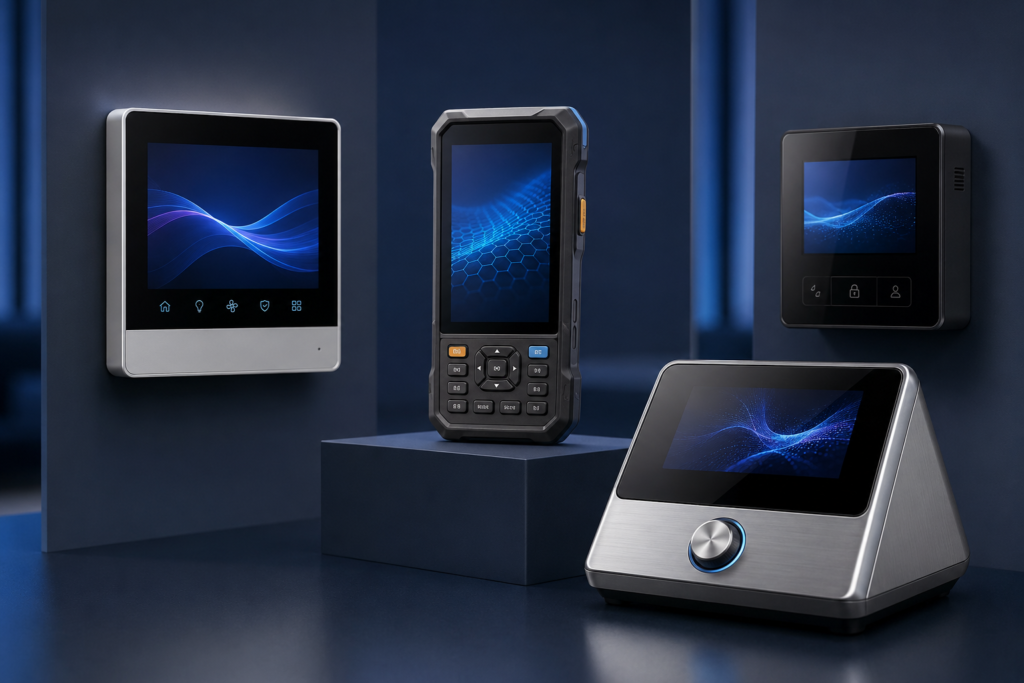
Ciò può comportare un pannello standard prodotto da un produttore leader, un modulo assemblato tramite un altro fornitore, una soluzione personalizzata per touch e cover glass, una scheda controller specifica per il progetto e un involucro sviluppato dall'azienda di apparecchiature.
Questa struttura a strati non è intrinsecamente inefficiente. Diventa efficiente quando responsabilità, specifiche e punti di validazione sono chiari.
Come RJY Display definisce il proprio ruolo
RJY Display non tenta di sostituire la scala tecnologica dei principali produttori mondiali di pannelli. Il suo ruolo è più vicino allo strato di ingegneria e integrazione di moduli richiesto da team di R&S, startup e produttori di apparecchiature.
RJY supporta prodotti TFT LCD, schede controller e personalizzazioni basate principalmente su moduli di visualizzazione esistenti. A seconda del modulo selezionato e dell'ambito del progetto, il supporto può includere:
- Selezione del modulo di visualizzazione
- Personalizzazione del cover glass
- Configurazione del touchscreen
- Requisiti di luminosità e retroilluminazione
- Adattamento di FPC e interfaccia
- Revisione della scheda controller
- Coordinamento del firmware
- Coordinamento meccanico e dell'alloggiamento correlato al display
Questo ambito non deve essere interpretato come una capacità di sviluppare nuove dimensioni LCD da zero. Il punto di partenza pratico è solitamente un modulo esistente le cui proprietà ottiche, elettriche e meccaniche principali siano sufficientemente vicine ai requisiti del prodotto.
I progetti di personalizzazione iniziano tipicamente con un MOQ di circa 500 unità, a seconda del display, dei componenti, del lavoro di ingegneria e delle condizioni del progetto. I moduli standard e i requisiti in fase di campionatura devono essere discussi separatamente.
Per i progetti con scheda controller, la compatibilità è confermata solo dopo aver esaminato il modello effettivo del pannello, la risoluzione, l'interfaccia, la definizione dei pin, le informazioni sul driver quando disponibili, la retroilluminazione, i requisiti touch, l'input host, il firmware o sistema operativo e l'ambiente operativo.
Un modo migliore per preparare un progetto di display per PMI
Prima di contattare un fornitore di display, preparare una sintesi che distingua i requisiti essenziali dalle preferenze.
Requisiti essenziali
- Prodotto target e applicazione
- Spazio disponibile per il display
- Area attiva richiesta o area leggibile minima
- Orientamento del contenuto e dell'interfaccia utente
- Processore host e sistema operativo
- Interfacce display e touch richieste
- Ambiente di installazione e funzionamento
- Quantità previste per campioni e produzione
Requisiti preferenziali
- Dimensione diagonale esatta
- Risoluzione preferita
- Forma e aspetto del cover glass
- Posizione del connettore
- Luminosità target
- Concetto dell'involucro
- Funzioni opzionali della scheda controller
Questa separazione offre al fornitore lo spazio per identificare un modulo esistente che possa risolvere l'applicazione in modo più economico. Se ogni dimensione viene trattata come fissa prima della selezione del modulo, il progetto potrebbe richiedere involontariamente un costoso sviluppo ex novo.
Includere un disegno dell'involucro, un'immagine concettuale, un prodotto di riferimento, un datasheet del pannello o un diagramma a blocchi quando disponibili. Il contesto visivo e tecnico può eliminare incomprensioni difficili da risolvere tramite un breve elenco di specifiche.
Conclusione: il miglior partner per i display è quello la cui economia corrisponde al tuo progetto
I principali marchi LCD non falliscono con le PMI perché mancano di tecnologia, qualità produttiva o competenza commerciale. La discrepanza si verifica perché i loro punti di forza principali—scala, standardizzazione, efficienza di processo e allocazione strategica delle risorse—non sono sempre i punti di forza di cui un progetto di apparecchiature più piccolo ha maggiormente bisogno.
Una PMI può aver bisogno di un fornitore disposto a esaminare un'opportunità di 500 unità, confrontare diversi moduli esistenti, modificare un cover glass, adattare un FPC, coordinare un controller touch, rivedere un'interfaccia host e discutere l'involucro con un piccolo team di ingegneria.
Questi compiti possono essere minori rispetto allo sviluppo di una piattaforma OLED di nuova generazione, ma possono determinare se il prodotto della PMI raggiunge il mercato.
La strategia di approvvigionamento corretta combina quindi i punti di forza dei diversi strati della catena di fornitura. I principali produttori di pannelli forniscono scala industriale e tecnologia core. I distributori forniscono accesso e logistica. I fornitori specializzati di display aiutano a tradurre la tecnologia di visualizzazione esistente in assemblaggi specifici per il progetto. Gli sviluppatori di apparecchiature contribuiscono con la conoscenza applicativa e il design finale del prodotto.
Differenziazione e scala non si escludono a vicenda quando avvengono a livelli diversi. Il pannello può essere standardizzato mentre touch, cover glass, interfaccia, controller, firmware, involucro ed esperienza utente vengono adattati attorno ad esso.
Se la vostra azienda sta sviluppando un prodotto con display integrato e necessita di supporto oltre l'acquisto di un pannello standard, contattare le soluzioni display personalizzate RJY o RJY Display con i vostri requisiti di modulo, touch, scheda controller, firmware e meccanici.
Domande frequenti
Perché i principali produttori di LCD richiedono spesso volumi d'ordine elevati?
I grandi produttori di display operano sistemi di produzione ad alta intensità di capitale ottimizzati per scala, stabilità di processo e programmi con clienti principali. Ordini personalizzati di piccole dimensioni possono richiedere lavoro di ingegneria, materiali, pianificazione della produzione e amministrazione sproporzionato rispetto al loro valore commerciale. I requisiti variano in base al produttore e al prodotto.
Acquistare da un fornitore di display più piccolo significa utilizzare un pannello di qualità inferiore?
No. Un fornitore specializzato può utilizzare pannelli provenienti da produttori affermati, aggiungendo selezione del modulo, supporto touch, cover glass, retroilluminazione, FPC, scheda controller, firmware o meccanico. L'origine del pannello e la capacità di integrazione devono essere valutate separatamente.
Una PMI può ottenere un prodotto completamente progettazione di display TFT LCD personalizzati?
Dipende da cosa significa “completamente personalizzato”. Personalizzare cover glass, touch, retroilluminazione, FPC, interfaccia, scheda controller, firmware o integrazione meccanica attorno a un modulo esistente è spesso praticabile. Sviluppare una dimensione di pannello LCD completamente nuova richiede una valutazione separata di fattibilità, costi, volumi e tempi.
Qual è la strategia di personalizzazione più economica per una PMI?
Per molti progetti, la strategia più economica è selezionare un modulo LCD esistente che soddisfi i requisiti ottici ed elettrici principali, quindi personalizzare gli strati rivolti all'utente e di integrazione. Ciò riduce lo sviluppo di base preservando una differenziazione significativa del prodotto.
Quando dovrebbe una PMI lavorare direttamente con un grande produttore di pannelli?
Il coinvolgimento diretto può essere appropriato quando il progetto presenta un volume sostanziale e credibile, una chiara roadmap pluriennale, requisiti avanzati in termini di tecnologia dei pannelli, solide risorse ingegneristiche interne e la capacità commerciale di supportare lo sviluppo e la qualificazione.
Quali informazioni deve esaminare RJY per valutare un display personalizzati. progetto?
RJY necessita tipicamente dell'applicazione target, delle dimensioni del display, della risoluzione, dell'interfaccia, della luminosità, del touch, del vetro di copertura, del FPC, della retroilluminazione, della piattaforma host, dei requisiti di scheda di controllo o firmware, dell'ambiente operativo, dei vincoli del contenitore, della quantità di campioni, della domanda annuale e del programma del progetto.
Riferimenti
- AUO Corporation, Lettera agli Azionisti 2026: trasformazione incentrata sul display e pilastri operativi
- BOE Technology Group, Storia e Panoramica Aziendale
- LG Display, Risultati del Secondo Trimestre 2025
- AUO Corporation, Strategia di Trasformazione Go Premium e Go Vertical
- AUO Display Plus, Soluzioni Integrate per Display Smart Retail a ISE 2026