Los principales fabricantes de pantallas del mundo poseen una enorme capacidad de producción, tecnología de procesos avanzada, extensas carteras de patentes y acceso a los principales mercados de electrónica de consumo. Para televisores, teléfonos inteligentes, computadoras portátiles, vehículos y otros productos de alto volumen, su escala es una ventaja decisiva.
Sin embargo, esa ventaja no convierte automáticamente a un fabricante de paneles de primer nivel en el mejor socio para cada proyecto de pantallas.
Las pequeñas y medianas empresas suelen abordar el mercado con un conjunto diferente de necesidades. Pueden requerir cientos o miles de pantallas en lugar de millones. Pueden necesitar un vidrio de cubierta modificado, una retroiluminación diferente, una dirección inusual del FPC, integración táctil, una placa controladora, adaptación de firmware o asistencia para adaptar un LCD existente a un nuevo gabinete.
Estos requisitos pueden ser comercialmente importantes para el desarrollador de equipos, aunque resulten demasiado pequeños, fragmentados o intensivos en ingeniería para el modelo operativo estándar de un gran fabricante de paneles.
Esto crea una paradoja en el centro de la industria de pantallas. La escala hace que las pantallas avanzadas sean asequibles y estén ampliamente disponibles, pero los sistemas organizativos necesarios para lograr esa escala pueden dificultar el soporte de la diferenciación de bajo volumen. Cuanto más eficientemente esté optimizado un fabricante en torno a la producción estandarizada, menos atractivo puede resultar un proyecto pequeño y altamente personalizado.
Esto no significa que las principales marcas de LCD sean técnicamente incapaces de apoyar a empresas más pequeñas. Significa que sus fábricas, estructuras de ventas, prioridades de desarrollo y requisitos de retorno pueden no estar alineados con los aspectos económicos de un proyecto de PYME. Comprender esta distinción ayuda a las startups, equipos de I+D y fabricantes de equipos a elegir el tipo correcto de socio de pantallas.
La Distinción Importante: Fabricante de Paneles, Proveedor de Módulos y Socio de Soluciones
El término “fabricante de LCD” se utiliza de manera imprecisa en el mercado, pero puede describir varios roles muy diferentes.
Un fabricante de paneles opera los procesos de producción altamente intensivos en capital que crean los paneles de pantalla. Su trabajo puede incluir matrices de transistores de película delgada, filtros de color, celdas de cristal líquido, estructuras OLED, corte, pruebas y otros procesos realizados a escala industrial.
Un proveedor de módulos trabaja más cerca del ensamblaje de pantalla utilizable. Dependiendo de su alcance, puede combinar un panel con una disposición de controladores, retroiluminación, marco, FPC, conector, panel táctil, vidrio de cubierta u otros elementos de integración.
Un socio de soluciones de pantalla trabaja aún más cerca del producto final del cliente. Puede ayudar a evaluar si un módulo existente se ajusta al gabinete, si la interfaz del host es apropiada, si se requiere una placa controladora, cómo debe integrarse el táctil o cómo deben coordinarse el FPC y la estructura mecánica.
Una empresa puede operar en más de una de estas capas. Varios grupos importantes de pantallas han expandido más allá de la producción de paneles y ahora promueven sistemas integrados, aplicaciones de mercado vertical y soluciones centradas en pantallas. AUO, por ejemplo, describe una transformación de proveedor de paneles hacia un proveedor de soluciones centradas en pantallas que abarca pantallas, movilidad y soluciones verticales.1
Aun así, la vía comercial disponible para un cliente automotriz global o una gran marca de electrónica de consumo puede ser muy diferente de la vía disponible para una startup que realiza su primer pedido de producción.
Por lo tanto, el comprador debe preguntar algo más que “¿Quién fabricó el panel?”. Una pregunta más útil es: “¿Quién asumirá la responsabilidad de ayudar a que este panel funcione dentro de mi producto?”.”
Por Qué la Escala es Tan Poderosa en la Industria de Pantallas
La producción moderna de pantallas recompensa la escala. Las grandes plantas de fabricación, los equipos especializados, el control de procesos, la compra de materiales, la gestión de rendimiento y los programas de investigación requieren una inversión sustancial. El alto volumen de producción permite distribuir estos costos fijos entre más paneles.
La escala puede proporcionar varias ventajas:
- Menor costo unitario para productos establecidos de alto volumen
- Control de procesos y datos de fabricación más maduros
- Acceso a tecnologías de pantalla avanzadas
- Amplias carteras de investigación y propiedad intelectual
- Capacidad para atender programas globales de electrónica de consumo
- Fuerte poder de negociación dentro de la cadena de suministro upstream
La historia corporativa de BOE ilustra la escala de este modelo. La empresa describe la construcción y producción en masa de múltiples líneas de producción TFT-LCD de alta generación e informa más de 100,000 solicitudes de patentes presentadas de forma independiente hasta 2025.2
La estrategia reciente de LG Display enfatiza de manera similar una estructura empresarial centrada en OLED y una mayor proporción de productos premium. Los productos OLED representaron el 56% de sus ingresos en el segundo trimestre de 2025, según el anuncio de resultados de la compañía.3
Estas son estrategias racionales para empresas que gestionan grandes inversiones de capital. Una línea de producción no puede operarse como si cada pedido fuera un experimento de laboratorio. Los materiales, el tiempo de equipo, los recursos de ingeniería, los sistemas de calidad y los programas de clientes deben asignarse hacia oportunidades capaces de producir un retorno apropiado.
Desde la perspectiva del gran fabricante, la estandarización no es una falta de enfoque en el cliente. Es uno de los mecanismos que hace económicamente posible la industria de pantallas.
La Primera Paradoja: Las PYME Necesitan Diferenciación, pero la Escala Recompensa la Estandarización
Muchas marcas de equipos más pequeñas no pueden competir mediante el volumen de fabricación. Compiten sirviendo mercados más reducidos, resolviendo problemas especializados, moviéndose rápidamente o creando una experiencia de producto que las grandes marcas han pasado por alto.
La pantalla suele ser central en esa diferenciación. Una empresa de hogar inteligente puede necesitar un panel frontal circular. Un desarrollador de equipos de laboratorio puede necesitar una pantalla compacta integrada en un instrumento existente. Un fabricante de dispositivos de seguridad puede necesitar una pantalla de estado estrecha. Una startup de hospitalidad puede querer un vidrio de cubierta distintivo y una interfaz personalizada.
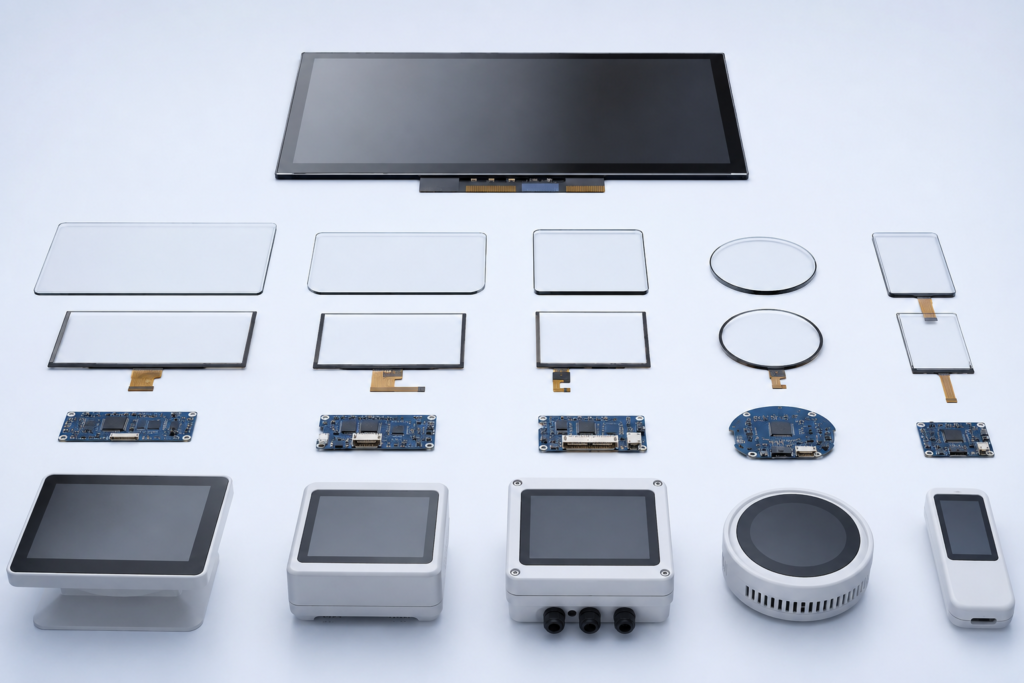
Para la PYME, estos detalles no son cosméticos. Pueden determinar si el producto encaja en su carcasa, comunica su valor o parece suficientemente diferente de los equipos de la competencia.
Sin embargo, para un fabricante de paneles a gran escala, cada variación puede introducir complejidad:
- Una revisión de ingeniería separada
- Nuevos planos y documentación
- Cualificación adicional de materiales o componentes
- Cambios en el utillaje o los procesos de producción
- Requisitos de inspección diferentes
- Gestión separada de inventario y previsiones
- Más comunicación en la gestión de proyectos
Si el pedido esperado es pequeño, los ingresos pueden no justificar esta complejidad. El fabricante puede ofrecer únicamente su catálogo estándar existente, exigir un pedido mínimo elevado, canalizar al comprador a través de un distribuidor o rechazar el proyecto.
El resultado es un desajuste fundamental: la PYME necesita personalización porque carece de escala, mientras que el gran fabricante necesita escala antes de que la personalización resulte comercialmente atractiva.
La Segunda Paradoja: Las PYME Necesitan Flexibilidad Antes de que su Demanda Sea Predecible
Un programa de producto global maduro puede proporcionar previsiones detalladas, especificaciones aprobadas, ubicaciones de producción definidas, firmware validado y un plan de compras plurianual. Un nuevo proyecto de PYME a menudo comienza con incertidumbre.
El desarrollador puede estar aún decidiendo:
- Qué tamaño de pantalla se ajusta al diseño industrial
- Si el producto necesita pantalla táctil
- Qué procesador o sistema operativo utilizar
- Cuánto brillo requiere el entorno
- Si la interfaz debe ser MIPI, LVDS, eDP, RGB u otra opción
- Cómo responderán los clientes al primer prototipo
- Cuál será la cantidad de producción del primer año
Es precisamente entonces cuando el soporte de ingeniería tiene mayor valor. También es cuando las previsiones de compra son menos fiables.
Un gran fabricante puede razonablemente querer certeza en las previsiones antes de asignar recursos de ingeniería. La PYME necesita recursos de ingeniería para crear el producto que eventualmente podría generar una previsión fiable. Cada parte espera evidencia que la otra aún no puede proporcionar.
Un proveedor de módulos o soluciones más flexible puede a veces cerrar esta brecha partiendo de una plataforma de visualización existente, construyendo una configuración de muestra y reduciendo la incertidumbre técnica antes de que se asuman compromisos de producción en masa.
Esto no elimina el riesgo comercial. Divide el riesgo en decisiones más pequeñas y manejables.
La Tercera Paradoja: Las PYME Quieren MOQ Más Bajos pero Más Atención de Ingeniería
La cantidad del pedido y la carga de trabajo de ingeniería no siempre se mueven en la misma dirección.
Una empresa pequeña puede pedir solo 500 pantallas personalizadas y, sin embargo, requerir varias discusiones sobre el vidrio de cubierta, el FPC, el controlador táctil, el procesador anfitrión, la retroiluminación, el firmware, la carcasa y el comportamiento de las muestras. Un cliente importante que pide cientos de miles de unidades puede tener mayores requisitos totales, pero también puede contar con una organización de ingeniería dedicada y especificaciones bien establecidas.
Desde la perspectiva del proveedor, el proyecto más pequeño puede requerir más comunicación por unidad vendida.
Por eso el MOQ bajo no debe entenderse como un simple acto de generosidad. Es un modelo económico que debe tener en cuenta:
- Tiempo de revisión de ingeniería
- Trabajo de desarrollo no recurrente
- Preparación de muestras
- Restricciones de compra de componentes
- Requisitos de utillaje o accesorios
- Configuración de la línea de producción
- Inspección y documentación
- Riesgo de que el proyecto nunca alcance la producción repetitiva
Un comprador PYME serio no debe esperar que una personalización extensa se valore como un componente estándar. El objetivo real no es “personalización sin costo”. Es una estructura de desarrollo en la que el costo es visible, proporcional y compatible con la oportunidad.
Los proyectos de personalización de RJY Display generalmente parten de un MOQ de alrededor de 500 unidades, dependiendo del módulo, el alcance de la personalización, los materiales y los requisitos del proyecto. Esto no es un compromiso universal para cada configuración, pero ilustra un modelo de negocio posicionado entre el suministro de hobby de una sola vez y la producción de paneles para el mercado masivo.
Por Qué una Marca Famosa de Paneles No Garantiza una Solución de Producto Completa
Los compradores PYME a veces asumen que obtener un panel de una marca líder resolverá la mayor parte de su riesgo de desarrollo de pantallas. El origen del panel importa, pero no responde todas las preguntas de integración.
El producto final puede requerir aún decisiones sobre:
- Diseño y potencia de la retroiluminación
- Disposición del FPC y ubicación del conector
- Temporización e inicialización de la pantalla
- Selección del panel táctil
- Comunicación del controlador táctil
- Forma e impresión del vidrio de cubierta
- Ensamblaje óptico y mecánico
- Compatibilidad de la placa controladora
- Comportamiento del firmware o del sistema operativo
- Tolerancias de la carcasa y montaje
Un panel puede ser técnicamente excelente y aun así difícil de usar en un producto específico. El problema puede no tener nada que ver con la calidad del panel. La interfaz puede no coincidir con el anfitrión, el FPC puede salir en la dirección incorrecta, el área activa puede no alinearse con la carcasa, o la placa controladora disponible puede no soportar la temporización requerida.
Estos son problemas de integración de módulos y de sistema, más que problemas de fabricación de paneles.
Esto explica por qué un proveedor con menor reconocimiento de marca global puede, en ocasiones, generar un valor más práctico para un proyecto de PYME. El proveedor más pequeño no necesariamente produce un panel más avanzado. Puede simplemente estar operando en la capa donde ocurren los problemas reales del cliente.
La Personalización No es una Sola Cosa
Los compradores suelen solicitar un “LCD personalizado” sin distinguir entre varios niveles muy diferentes de personalización.
Nivel 1: Seleccionar un módulo estándar diferente
La opción de menor riesgo puede ser identificar un módulo existente cuyo tamaño, resolución, interfaz, brillo, dirección de visualización y requisitos de temperatura ya se ajusten al producto. No se requiere ningún cambio físico.
Nivel 2: Personalizar componentes alrededor de un LCD existente
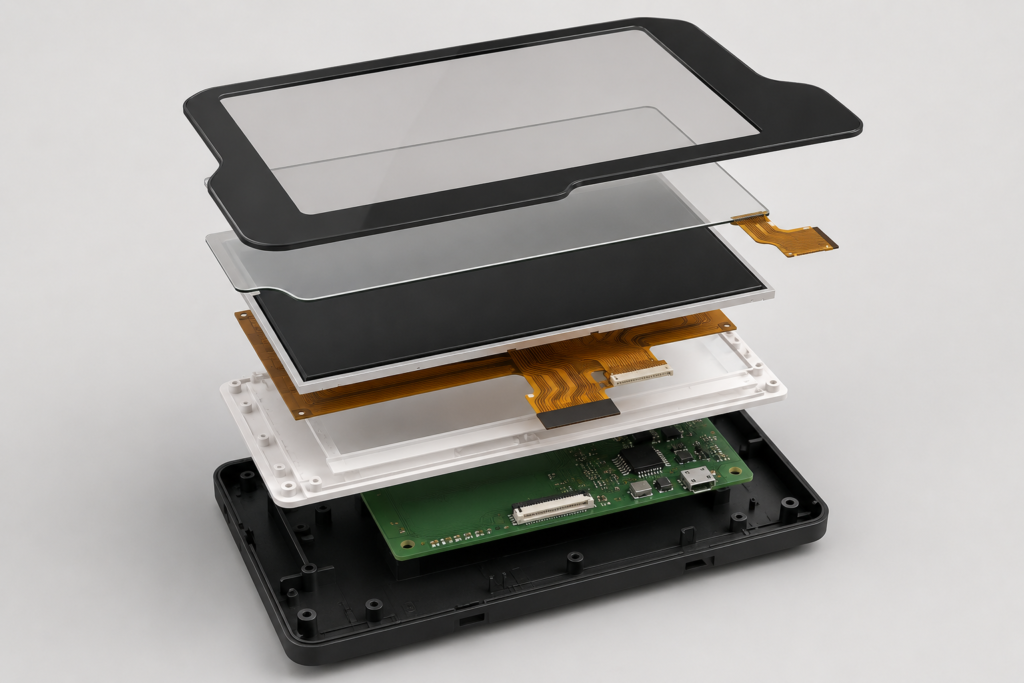
La pantalla principal permanece sin cambios, pero el proveedor modifica el ensamblaje circundante. Los elementos posibles incluyen el vidrio de cubierta, el panel táctil, la retroiluminación, el FPC, la disposición de conectores, la placa controladora, el firmware o la estructura mecánica relacionada.
Este suele ser el nivel más práctico para proyectos de PYME, porque proporciona una diferenciación significativa del producto sin requerir un proceso completamente nuevo de fabricación de paneles de visualización.
Nivel 3: Modificar la arquitectura del módulo
Cambios más extensos pueden afectar a múltiples componentes o requerir nuevas herramientas y validaciones. La viabilidad depende del panel seleccionado, los materiales disponibles, la cantidad de producción, el cronograma y el riesgo técnico.
Nivel 4: Desarrollar un panel LCD completamente nuevo
Una nueva área activa, diseño de celda, estructura de píxeles, disposición de drivers o geometría del panel constituye una tarea fundamentalmente diferente. Puede implicar costos no recurrentes sustanciales, expectativas de alto volumen, un largo trabajo de desarrollo y restricciones de viabilidad específicas del proceso.
Muchas PYME no necesitan realmente el Nivel 4. Necesitan el Nivel 2 presentado con claridad e implementado con competencia.
Confundir estos niveles genera una mala selección de proveedores. Un comprador puede rechazar una solución práctica basada en un módulo existente porque no suena “totalmente personalizada”, o acudir a una fábrica de paneles con un proyecto que se resolvería mejor mediante adaptaciones de vidrio de cubierta, táctil, interfaz y mecánica.
Dónde Suelen Necesitar Diferenciación las PYME
Para muchos desarrolladores de equipos, la diferenciación visible del producto ocurre por encima y alrededor del LCD, más que dentro de la celda de cristal líquido.
Vidrio de cubierta e identidad del panel frontal
El vidrio de cubierta puede influir en la forma aparente de la interfaz, el diseño del borde, la presentación de la marca, las posiciones de las aberturas y la integración con la carcasa. Un LCD rectangular estándar puede soportar una apariencia distintiva del producto cuando el panel frontal está bien diseñado.
El material exacto del vidrio, el espesor, el tratamiento de superficie, la dureza, la impresión y el método de unión deben confirmarse para el proyecto. Estas propiedades nunca deben asumirse a partir de la frase “vidrio de cubierta personalizado”.”
Configuración de la pantalla táctil
El táctil puede reemplazar los controles físicos y permitir que una misma plataforma de hardware soporte múltiples interfaces. Sin embargo, el sensor táctil, el controlador, el vidrio de cubierta, el firmware, el sistema operativo, la conexión a tierra, la carcasa y el entorno de uso afectan el resultado final.
La personalización táctil es, por tanto, una tarea de integración de sistema, no simplemente una opción añadida a un número de pieza de LCD.
Brillo y retroiluminación
Una pantalla utilizada en un entorno interior controlado tiene requisitos de visibilidad diferentes a una instalada cerca de una ventana o dentro de un equipo iluminado. La adaptación de la retroiluminación puede ayudar a que un módulo se ajuste mejor a su entorno, pero el brillo, la potencia, el calor, la construcción óptica y la operación esperada deben revisarse en conjunto.
Coordinación del FPC y la interfaz
La ubicación y la dirección de un cable flexible pueden determinar si una pantalla cabe dentro de una carcasa compacta. La selección de la interfaz también afecta la elección del procesador, los requisitos de la placa controladora, la integridad de la señal, el firmware y el diseño del cable.
Placa controladora y firmware
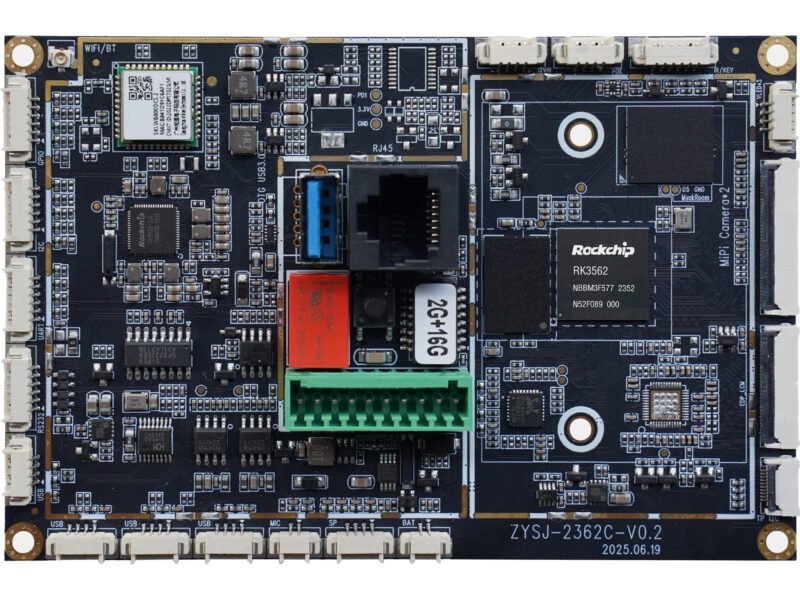
Una PYME puede tener un LCD seleccionado pero sin una forma directa de manejarlo desde su host preferido. Un proyecto de placa controladora requiere más que simplemente hacer coincidir los tipos de conector. El modelo del panel, la resolución, la interfaz, la definición de pines, la sincronización, el IC de driver cuando esté disponible, la retroiluminación, el táctil, el sistema operativo, el firmware y el entorno deben revisarse antes de confirmar la compatibilidad.
Coordinación mecánica
Un ensamblaje de pantalla interactúa con el bisel, los puntos de montaje, la junta, los cables, el diseño térmico, los botones, los altavoces, los sensores y la carcasa del producto. La coordinación mecánica relacionada con la pantalla puede prevenir interferencias en etapas tardías, pero no debe confundirse con servicios ilimitados de diseño industrial o de fabricación completa del dispositivo.
Por Qué los Grandes Fabricantes No Pueden Simplemente Crear un Departamento de Equipo Pequeño
Puede parecer que un fabricante global podría resolver el problema de la PYME asignando un pequeño equipo de ventas e ingeniería a cuentas de menor volumen. Algunas grandes empresas y sus redes de distribución ya ofrecen programas que atienden a grupos de clientes más amplios. Sin embargo, la escala organizativa no puede separarse fácilmente de la escala de fabricación.
Un departamento de proyectos pequeños seguiría dependiendo de los siguientes aspectos de la empresa más grande:
- Materiales y proveedores aprobados
- Reglas de planificación de producción
- Procedimientos de gestión de calidad
- Sistemas de cambios de ingeniería
- Revisión legal y comercial
- Procesos de calificación de clientes
- Requisitos mínimos de retorno económico
La cuenta puede ser pequeña, pero la organización que la procesa sigue siendo grande.
Los grandes fabricantes también enfrentan un problema de costo de oportunidad. Un ingeniero que trabaja en un módulo personalizado de bajo volumen no está trabajando en una plataforma automotriz global, un producto OLED de próxima generación o un programa estratégico de electrónica de consumo. El proyecto más pequeño debe competir internamente por una atención técnica escasa.
Esto es particularmente relevante a medida que las grandes empresas de pantallas enfatizan tecnologías premium y la transformación hacia mercados verticales. LG Display ha enfatizado públicamente su estructura centrada en OLED, mientras que AUO ha descrito estrategias “Go Premium” y “Go Vertical” destinadas a aumentar el valor de la tecnología de pantallas y profundizar las aplicaciones verticales.4
Estas estrategias demuestran que las empresas líderes reconocen los límites de la producción indiferenciada de paneles. Sin embargo, no significan que cada pequeño OEM pueda acceder directamente a una solución personalizada con las mismas condiciones comerciales que un cliente estratégico de alto volumen.
El Papel de los Distribuidores—y sus Limitaciones
Los distribuidores hacen accesibles los productos de los grandes fabricantes a una base de clientes más amplia. Pueden proporcionar inventario local, cantidades de pedido más pequeñas, soporte comercial, logística y acceso a múltiples marcas.
Para una PYME que busca una pantalla estándar, un distribuidor puede ser la opción correcta. El cliente puede comparar módulos disponibles, comprar muestras y evitar los mínimos directos de fábrica.
La distribución se vuelve menos completa cuando el proyecto requiere cambios más allá del artículo del catálogo. No todos los distribuidores pueden desarrollar una retroiluminación personalizada, coordinar el táctil y el vidrio de cubierta, modificar un FPC, adaptar el firmware o asumir la responsabilidad de una combinación de pantalla y controlador.
La distinción no es entre “buena fábrica” y “mal distribuidor”. Es entre disponibilidad transaccional y responsabilidad de ingeniería.
Un proceso útil de selección de proveedores pregunta:
- ¿Puede el proveedor solo vender la pieza estándar?
- ¿Puede obtener documentación precisa del panel?
- ¿Puede explicar qué se puede y qué no se puede modificar?
- ¿Puede coordinar los requisitos táctiles, de controlador, firmware y mecánicos?
- ¿Quién es el responsable de la revisión técnica si el sistema completo no funciona?
Un distribuidor puede permanecer dentro de la cadena de suministro mientras un socio especializado en soluciones gestiona la integración. La estructura adecuada depende del proyecto.
La Capa Intermedia: Por Qué Existen los Proveedores Especializados de Pantallas
La brecha entre la producción de paneles a gran escala y el desarrollo de equipos pequeños crea un mercado para proveedores especializados en pantallas.
Estos proveedores generalmente no intentan reproducir la escala de capital ni el desarrollo avanzado de procesos de un gran fabricante de paneles. Su valor proviene de combinar la tecnología de pantallas existente con un modelo comercial y de ingeniería más flexible.
Un proveedor especializado puede generar valor al:
- Buscar entre módulos existentes una coincidencia más cercana
- Apoyar la evaluación en la etapa de muestras
- Agregar demanda de paneles y componentes
- Personalizar partes seleccionadas del ensamblaje del módulo
- Coordinar recursos de terceros para táctil, cubierta de vidrio o placas
- Comunicarse con el equipo de ingeniería de un cliente más pequeño
- Gestionar la transición del prototipo a la producción repetitiva
Este rol a veces se malinterpreta como una simple reventa. Un proveedor que solo transmite números de parte está realizando una función comercial limitada. Un proveedor competente de módulos o soluciones realiza selección de ingeniería, coordinación de integración, clarificación de riesgos y gestión de proyectos en torno a la pantalla principal.

El valor de esta capa intermedia aumenta a medida que el producto del cliente se vuelve más especializado y su experiencia interna en pantallas se vuelve más limitada.
Personalización Basada en Módulos Existentes: Una Estrategia Práctica para PYME
Para muchas PYME, la estrategia más sólida de desarrollo de producto no es crear un nuevo panel. Es comenzar con un módulo existente adecuado y concentrar la inversión en los elementos que los clientes pueden ver, usar o de los que dependen.
Este enfoque ofrece varios beneficios.
Reduce la incertidumbre técnica
Una plataforma de panel existente ya tiene un área activa, resolución, interfaz, arquitectura de controlador y contorno físico definidos. El proyecto comienza con más información conocida que un desarrollo de pantalla completamente nuevo.
Mantiene la diferenciación enfocada
La empresa puede invertir en la cubierta de vidrio, el comportamiento táctil, el diseño de interfaz, el gabinete, el firmware, el software de aplicación y la experiencia general del producto, en lugar de gastar la mayor parte de su presupuesto recreando tecnología de pantallas.
Hace que el muestreo sea más realista
Un prototipo basado en el módulo previsto proporciona mejor evidencia sobre el ajuste mecánico, la legibilidad, el rendimiento de la interfaz y la experiencia del usuario que una pantalla de desarrollo genérica que luego será reemplazada.
Crea un camino más claro hacia la producción
El proyecto aún requiere validación y planificación de suministro, pero menos elementos fundamentales deben cambiar entre las etapas de prototipo y producción.
Puede hacer que el costo de desarrollo sea más controlable
El cliente puede separar los costos de componentes estándar de los trabajos de personalización no recurrentes. Esto no garantiza un costo total bajo, pero hace que las fuentes de costo sean más fáciles de entender y gestionar.
Existen límites. El módulo disponible puede no coincidir con todas las dimensiones, resoluciones, interfaces o requisitos ópticos deseados. El comprador debe estar dispuesto a ajustar el diseño industrial cuando el costo de una geometría de pantalla perfecta supere el valor que genera.
Estandarización y Diferenciación No Son Opuestos
Las PYME a veces temen que usar un módulo de pantalla existente haga que su producto parezca genérico. Esto supone que la identidad del producto proviene principalmente del origen oculto del panel LCD.
En la práctica, los clientes interactúan con un sistema completo. Ellos ven:
- La forma y el acabado del panel frontal
- La proporción de la pantalla respecto al gabinete
- La interfaz gráfica
- La capacidad de respuesta del táctil
- La calidad de las animaciones y transiciones
- Los detalles de montaje y mecánicos
- Las funciones habilitadas por el software
- La consistencia de la experiencia general del producto
Dos productos pueden usar tecnología de pantalla relacionada y aun así sentirse completamente diferentes.
Esto sugiere un modelo de innovación más eficiente: estandarizar las capas de componentes que los clientes no necesitan distinguir, y diferenciar las capas que influyen en el uso, la integración y la identidad de marca.
Un panel de control inteligente puede no necesitar una celda de cristal líquido única. Puede necesitar una cubierta de vidrio con forma, una interfaz táctil receptiva, un gabinete con proporciones cuidadosas y software diseñado para su flujo de trabajo específico.
Eso no es innovación comprometida. Es la asignación de recursos limitados de desarrollo hacia las partes del producto que crean el mayor valor.
Cuándo una PYME Debe Contactar Directamente a un Gran Fabricante de Paneles
Un proveedor especializado no es siempre la respuesta correcta. La participación directa con un gran fabricante de paneles puede ser apropiada cuando el proyecto tiene características tales como:
- Demanda anual muy alta y creíble
- Un plan de plataforma a varios años
- Requisitos vinculados a tecnología avanzada de paneles
- Recursos internos sólidos de ingeniería de pantallas
- Una especificación clara que probablemente no cambiará
- Capacidad comercial para soportar los costos de herramientas y desarrollo
- Procesos de calificación apropiados para un programa estratégico
Un programa de electrónica de consumo, vehículos, notebooks o televisores a gran escala puede beneficiarse directamente de la escala, la profundidad de proceso, la hoja de ruta tecnológica y la planificación de capacidad a largo plazo de una empresa líder en paneles.
Una PYME también puede adquirir importancia estratégica si su aplicación proporciona acceso a un nuevo mercado o a una tecnología que el fabricante desea desarrollar. El tamaño de la empresa por sí solo no determina si la colaboración directa es posible.
La clave es la alineación. Si la oportunidad se ajusta a la hoja de ruta tecnológica del fabricante, sus expectativas de ingresos y sus prioridades de recursos, una empresa más pequeña puede convertirse igualmente en un socio valioso.
Cuándo un Proveedor Especializado de Módulos o Soluciones es Más Apropiado
Un proveedor especializado es generalmente más relevante cuando el proyecto requiere:
- Selección entre módulos TFT LCD compactos existentes
- Volumen de producción moderado
- Comunicación técnica en la etapa de muestras
- Cubierta de vidrio personalizada o integración de pantalla táctil
- Adaptación de retroiluminación, FPC o interfaz
- Una placa controladora compatible con el panel seleccionado
- Coordinación del firmware
- Soporte mecánico relacionado con la pantalla
- Una transición práctica de prototipo a producción
El cliente debe evaluar cuidadosamente al proveedor. La flexibilidad sin disciplina de ingeniería puede generar documentación inconsistente, responsabilidades poco claras o cambios mal controlados.
Un proveedor creíble debe explicar sus límites. Debe distinguir entre productos estándar y trabajo personalizado, indicar cuándo una conclusión requiere la hoja de datos real del panel, evitar afirmar compatibilidad universal de placas controladoras y aclarar si el desarrollo se basa en un módulo existente.
Un proveedor dispuesto a decir “esto debe verificarse” puede ser más útil que uno que promete que cada solicitud es fácil.
Cómo deben evaluar las PYME a un pantalla personalizada proveedor
1. Pregunte dónde ocurre la personalización
¿El proveedor propone un panel nuevo, un módulo modificado o una personalización alrededor de una pantalla existente? La respuesta determina el costo, el riesgo, la cantidad mínima de pedido y el tiempo de desarrollo.
2. Pregunte qué información se necesita antes de confirmar la viabilidad
Una revisión técnica seria debe solicitar el tamaño objetivo, la resolución, la interfaz, el brillo, la función táctil, el entorno, las restricciones del gabinete, la cantidad de muestras y la demanda de producción esperada.
Para el trabajo de placas controladoras, también son importantes el modelo del panel, la hoja de datos, la definición de pines, la retroiluminación, la interfaz táctil, el firmware, el sistema operativo y los requisitos de entrada.
3. Separe los hechos verificados de las propuestas
Un objetivo de brillo propuesto no es un resultado verificado. Una ruta de controlador planificada no es una compatibilidad confirmada. Un gabinete conceptual no es una estructura lista para producción. El proveedor debe etiquetar cada etapa con precisión.
4. Revise el control de cambios
Pregunte cómo se documentarán los planos, las muestras, las versiones de firmware, los materiales aprobados y los cambios de configuración. Los proyectos más pequeños también necesitan una referencia estable cuando pasan a producción repetitiva.
5. Evalúe la calidad de la comunicación
Las respuestas rápidas son útiles, pero la claridad técnica importa más. Busque respuestas que conecten las recomendaciones con la pantalla, el host, el gabinete, el entorno y la cantidad.
6. Compare el costo total del proyecto
El precio unitario debe considerarse junto con el herramental, los cargos de ingeniería, las revisiones de muestras, las placas controladoras, los cables, el trabajo de software, el riesgo de instalación y un posible rediseño.
7. Pruebe la configuración real
No apruebe la producción basándose únicamente en un módulo similar o en una placa de demostración genérica. Evalúe conjuntamente el LCD previsto, la función táctil, la cubierta de vidrio, el controlador, el firmware, el gabinete y el entorno de uso.
Qué Significa la Brecha entre Grandes Fabricantes y PYME para el Mercado de Pantallas
El mercado no se está dividiendo claramente entre “grandes fabricantes avanzados” y “pequeños proveedores flexibles”. En cambio, las empresas se están moviendo hacia capas superpuestas.
Los grandes grupos de pantallas se están expandiendo hacia productos premium, sistemas integrados, movilidad, retail y otras soluciones verticales. AUO Display Plus, por ejemplo, ha promovido soluciones integradas de exhibición para retail en lugar de solo paneles individuales.5
Al mismo tiempo, los proveedores especializados de módulos están ofreciendo placas controladoras, conjuntos táctiles, coordinación de firmware y soporte mecánico. Los distribuidores están añadiendo servicios de diseño, mientras que los fabricantes de equipos están desarrollando más experiencia interna en pantallas.
Esto crea competencia en torno a la propiedad de la integración. El proveedor ganador puede no ser la empresa con la fábrica más grande o el catálogo más amplio. Puede ser la empresa que logre reducir la distancia entre una especificación de pantalla y un producto funcional.
Para las PYME, esto es positivo. Más capas de la cadena de suministro están intentando resolver problemas de aplicación. También hace que la evaluación de proveedores sea más difícil porque la palabra “solución” puede describir desde un kit de módulo estándar hasta una plataforma de hardware profundamente coordinada.
Los compradores deben examinar el alcance real detrás del lenguaje de marketing.
La Oportunidad Estratégica para las PYME
La desventaja de escala de una PYME puede convertirse en una ventaja de innovación cuando la empresa organiza su desarrollo de productos de manera inteligente.
Un equipo más pequeño a menudo puede:
- Apuntar a una categoría de dispositivo desatendida
- Tomar decisiones con menos capas organizativas
- Probar rápidamente una interfaz de usuario especializada
- Adaptar creativamente un módulo existente
- Atender volúmenes de producción demasiado pequeños para una plataforma global
- Trabajar estrechamente con clientes iniciales
- Cambiar su producto antes de comprometer capital importante
El objetivo no debe ser imitar el modelo de compras de una empresa multinacional de electrónica de consumo. Debe ser construir una cadena de suministro apropiada para la escala de la PYME.
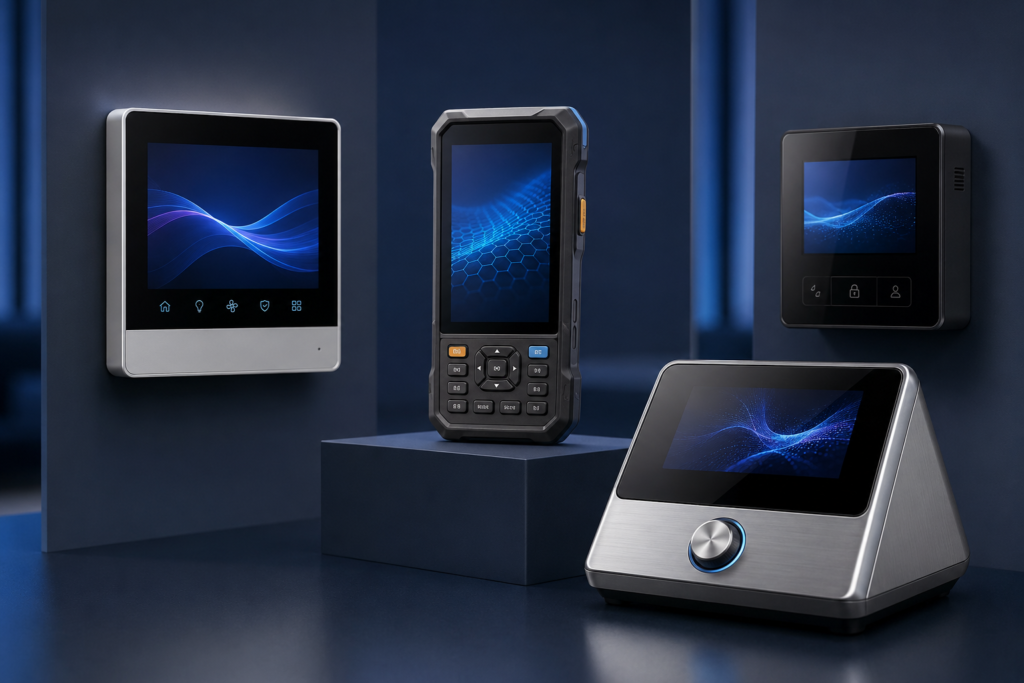
Esto puede implicar un panel estándar fabricado por un fabricante líder, un módulo ensamblado a través de otro proveedor, una solución personalizada de táctil y cubierta de vidrio, una placa controladora específica del proyecto y un gabinete desarrollado por la empresa de equipos.
Esta estructura en capas no es inherentemente ineficiente. Se vuelve eficiente cuando las responsabilidades, especificaciones y puntos de validación son claros.
Cómo RJY Display Posiciona su Rol
RJY Display no intenta reemplazar la escala tecnológica de los principales fabricantes de paneles del mundo. Su función se acerca más a la capa de ingeniería e integración de módulos que requieren los equipos de I+D, las startups y los fabricantes de equipos.
RJY ofrece soporte para productos TFT LCD, placas controladoras y personalización basada principalmente en módulos de visualización existentes. Según el módulo seleccionado y el alcance del proyecto, el soporte puede incluir:
- Selección del módulo de visualización
- Personalización de la cubierta de vidrio
- Configuración de la pantalla táctil
- Requisitos de brillo y retroiluminación
- Adaptación de FPC e interfaz
- Revisión de la placa controladora
- Coordinación del firmware
- Coordinación mecánica y de carcasa relacionada con la visualización
Este alcance no debe interpretarse como una capacidad para desarrollar cualquier nuevo tamaño de LCD desde cero. El punto de partida práctico suele ser un módulo existente cuyas propiedades ópticas, eléctricas y mecánicas principales sean suficientemente cercanas al requisito del producto.
Los proyectos de personalización generalmente comienzan con una cantidad mínima de pedido (MOQ) de alrededor de 500 unidades, dependiendo de la pantalla, los componentes, el trabajo de ingeniería y las condiciones del proyecto. Los módulos estándar y los requisitos de la etapa de muestras deben discutirse por separado.
Para proyectos de placas controladoras, la compatibilidad se confirma solo después de revisar el modelo real del panel, la resolución, la interfaz, la definición de pines, la información del controlador cuando esté disponible, la retroiluminación, los requisitos táctiles, la entrada del host, el firmware o sistema operativo, y el entorno operativo.
Una Mejor Manera de Preparar un Proyecto de Pantallas para PYME
Antes de contactar a un proveedor de pantallas, prepare un resumen que distinga los requisitos esenciales de las preferencias.
Requisitos esenciales
- Producto objetivo y aplicación
- Espacio de visualización disponible
- Área activa requerida o área legible mínima
- Contenido y orientación de la interfaz de usuario
- Procesador host y sistema operativo
- Interfaces de visualización y táctil requeridas
- Entorno de instalación y operación
- Cantidades esperadas de muestras y producción
Requisitos preferentes
- Tamaño diagonal exacto
- Resolución preferida
- Forma y apariencia de la cubierta de vidrio
- Posición del conector
- Brillo objetivo
- Concepto de gabinete
- Funciones opcionales de la placa controladora
Esta separación le da al proveedor margen para identificar un módulo existente que pueda resolver la aplicación de manera más económica. Si cada dimensión se trata como fija antes de la selección del módulo, el proyecto podría requerir involuntariamente un costoso desarrollo nuevo.
Incluya un dibujo del gabinete, imagen conceptual, producto de referencia, hoja de datos del panel o diagrama de bloques cuando esté disponible. El contexto visual y técnico puede eliminar malentendidos que son difíciles de resolver mediante una breve lista de especificaciones.
Conclusión: El Mejor Socio de Pantallas es Aquel Cuyos Aspectos Económicos Coincidan con su Proyecto
Las principales marcas de LCD no fallan con las PYME porque carezcan de tecnología, calidad de fabricación o competencia comercial. El desajuste ocurre porque sus mayores fortalezas—escala, estandarización, eficiencia de procesos y asignación estratégica de recursos—no son siempre las fortalezas que un proyecto de equipos más pequeño necesita con mayor urgencia.
Una PYME puede necesitar un proveedor dispuesto a examinar una oportunidad de 500 unidades, comparar varios módulos existentes, modificar una cubierta de vidrio, ajustar un FPC, coordinar un controlador táctil, revisar una interfaz host y discutir el gabinete con un pequeño equipo de ingeniería.
Esas tareas pueden ser menores en comparación con el desarrollo de una plataforma OLED de próxima generación, pero pueden determinar si el producto de la PYME llega al mercado.
La estrategia de abastecimiento adecuada combina, por lo tanto, las fortalezas de diferentes capas de la cadena de suministro. Los principales fabricantes de paneles proporcionan escala industrial y tecnología central. Los distribuidores proporcionan acceso y logística. Los proveedores especializados en pantallas ayudan a traducir la tecnología de visualización existente en ensamblajes específicos del proyecto. Los desarrolladores de equipos contribuyen con el conocimiento de la aplicación y el diseño final del producto.
La diferenciación y la escala no son mutuamente excluyentes cuando ocurren en diferentes capas. El panel puede ser estándar mientras que el táctil, la cubierta de vidrio, la interfaz, el controlador, el firmware, el gabinete y la experiencia del usuario se adaptan a su alrededor.
Si su empresa está desarrollando un producto de visualización integrado y necesita soporte más allá de la compra de un panel estándar, revise las soluciones de pantalla personalizadas de RJY o contacte a RJY Display con sus requisitos de módulo, táctil, placa controladora, firmware y mecánicos.
Preguntas frecuentes
¿Por qué los principales fabricantes de LCD suelen requerir volúmenes de pedido elevados?
Los grandes fabricantes de pantallas operan sistemas de producción intensivos en capital optimizados para escala, estabilidad de procesos y programas de clientes importantes. Los pedidos personalizados pequeños pueden requerir trabajo de ingeniería, materiales, planificación de producción y administración que es desproporcionado respecto a su valor comercial. Los requisitos varían según el fabricante y el producto.
¿Comprar a un proveedor de pantallas más pequeño significa usar un panel de menor calidad?
No. Un proveedor especializado puede utilizar paneles originarios de fabricantes establecidos, añadiendo selección de módulos, táctil, cubierta de vidrio, retroiluminación, FPC, placa controladora, firmware o soporte mecánico. El origen del panel y la capacidad de integración deben evaluarse por separado.
¿Puede una PYME obtener un producto completamente diseño de pantallas TFT LCD?
Depende de lo que signifique “completamente personalizado”. Personalizar la cubierta de vidrio, el táctil, la retroiluminación, el FPC, la interfaz, la placa controladora, el firmware o la integración mecánica alrededor de un módulo existente suele ser práctico. Desarrollar un tamaño de panel LCD completamente nuevo requiere una evaluación separada de viabilidad, costo, volumen y cronograma.
¿Cuál es la estrategia de personalización más económica para una PYME?
Para muchos proyectos, la estrategia más económica es seleccionar un módulo LCD existente que cumpla con los requisitos ópticos y eléctricos principales, y luego personalizar las capas orientadas al usuario y de integración. Esto reduce el desarrollo fundamental mientras preserva una diferenciación significativa del producto.
¿Cuándo debe una PYME trabajar directamente con un fabricante importante de paneles?
La participación directa puede ser apropiada cuando el proyecto tiene un volumen sustancial y creíble, una hoja de ruta clara a varios años, requisitos avanzados de tecnología de paneles, fuertes recursos internos de ingeniería y la capacidad comercial para respaldar el desarrollo y la calificación.
¿Qué información necesita RJY para revisar un pantalla personalizada proyecto?
RJY generalmente necesita la aplicación objetivo, tamaño de pantalla, resolución, interfaz, brillo, táctil, vidrio de cubierta, FPC, retroiluminación, plataforma anfitriona, requisitos de placa controladora o firmware, entorno operativo, restricciones del gabinete, cantidad de muestras, demanda anual y cronograma del proyecto.
Referencias
- AUO Corporation, Carta a los Accionistas 2026: transformación centrada en pantallas y pilares operativos
- BOE Technology Group, Historia y Resumen de la Empresa
- LG Display, Resultados del Segundo Trimestre de 2025
- AUO Corporation, Estrategia de Transformación Go Premium y Go Vertical
- AUO Display Plus, Soluciones Integradas de Pantallas Inteligentes para Retail en ISE 2026