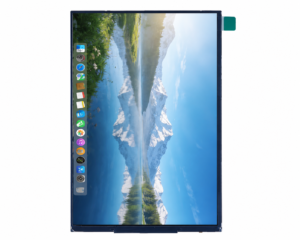
Столкнулись с трудностями в проекте встраиваемого дисплея?
Не позволяйте сложной интеграции или проблемам цепочки поставок замедлить ваш выход на рынок. Забронируйте бесплатную консультацию с экспертной командой RJY для получения индивидуальной поддержки в проектировании и производстве.
В мире технологий отображения информации часто встречается сравнение "TFT против OLED против LCD", которое вызывает путаницу у многих. Независимо от того, выбираете ли вы экран для смартфона, телевизора, промышленной панели или цифровых вывесок, крайне важно понимать ключевые различия между этими технологиями. В данной статье рассматривается, как TFT-ЖК-дисплеи, OLED-дисплеи и ЖК-дисплеи со светодиодной подсветкой соотносятся по производительности, стоимости, углу обзора и другим параметрам.
Published:
12 минут чтения
Updated:
TFT LCD, OLED и LED — три распространённых термина, с которыми сталкиваются покупатели при сравнении технологий отображения. Их часто используют так, будто они относятся к одной категории, но технически они обозначают разные типы устройств. TFT LCD относится к технологии активной матрицы на жидких кристаллах. OLED — это технология самоизлучающих дисплеев. LED в большинстве обсуждений мониторов и телевизоров обычно означает ЖК-дисплей со светодиодной подсветкой, а не дисплей, где каждый пиксель является светодиодом.
Это различие имеет значение для разработки продукции. Дисплей, используемый в промышленной панели управления, терминале умного дома, интерфейсе медицинского устройства, автомобильном дисплее или потребительском товаре, не следует выбирать только на основе заявлений о качестве изображения. Инженерам и покупателям также необходимо оценивать яркость, угол обзора, срок службы, энергопотребление, совместимость интерфейсов, стоимость, стабильность поставок, интеграцию сенсорного управления, поддержку контроллерных плат и рабочую среду.
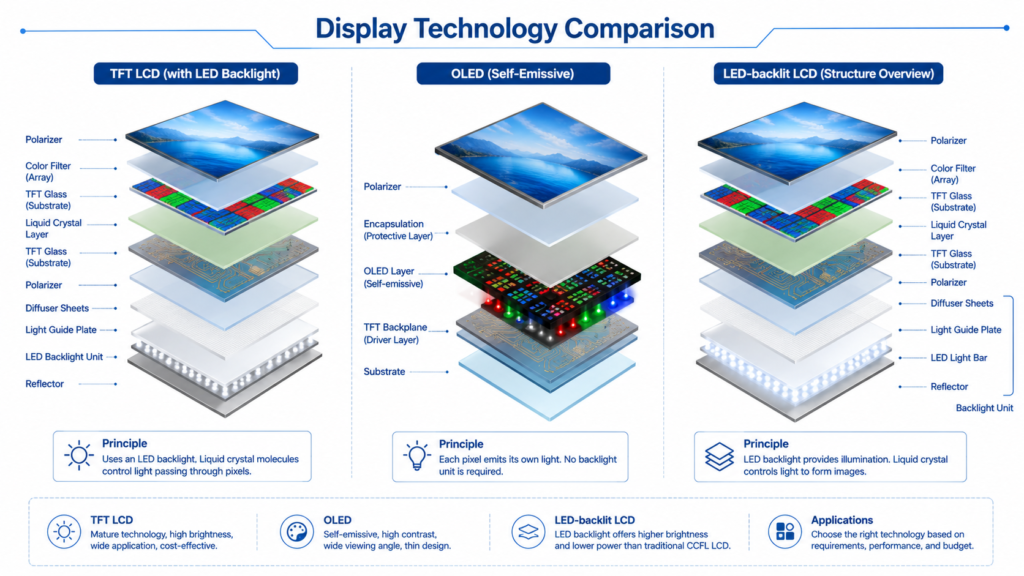
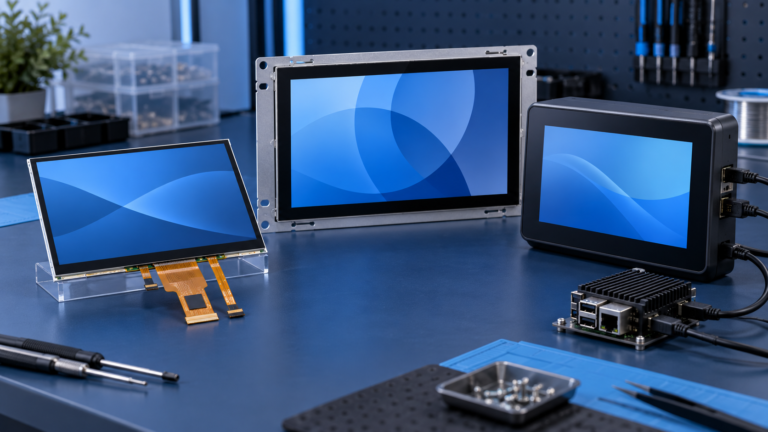
Сравнение структуры дисплеев TFT LCD, OLED и ЖК-дисплеев со светодиодной подсветкой
Данное руководство объясняет практические различия между дисплеями TFT LCD, OLED и ЖК-дисплеями со светодиодной подсветкой, с акцентом на встраиваемые устройства и выбор дисплеев для B2B-сектора.
Что такое TFT LCD?
TFT LCD расшифровывается как тонкоплёночный транзисторный жидкокристаллический дисплей. Это тип ЖК-дисплея, в котором используются тонкоплёночные транзисторы для управления отдельными пикселями в активной матрице. По сравнению с более старыми пассивно-матричными ЖК-дисплеями, TFT LCD обеспечивают лучшее управление изображением, более быстрое время отклика, улучшенную контрастность и лучшую пригодность для дисплеев с высоким разрешением.
TFT LCD не излучает свет самостоятельно. Ему требуется подсветка, обычно светодиодная, чтобы сделать изображение видимым. Слой жидких кристаллов контролирует, сколько света проходит через каждый пиксель, в то время как цветовые фильтры создают красные, зелёные и синие субпиксели.
В промышленных и встраиваемых приложениях TFT LCD остаётся одной из наиболее широко используемых технологий отображения, поскольку она предлагает практичный баланс производительности, стоимости, доступности, диапазона размеров, вариантов интерфейсов и гибкости настройки.
Ключевые преимущества TFT LCD
Широкая доступность во многих размерах и разрешениях
Экономическая эффективность для B2B-проектов и массового производства
Подходит для промышленных, встраиваемых и потребительских электронных приложений
Поддерживает множество вариантов интерфейсов, включая RGB, LVDS, MIPI, SPI, MCU, HDMI и eDP, в зависимости от модуля и контроллерной платы
Может поддерживать сенсорные панели, защитное стекло, высокую яркость, настройку подсветки и интеграцию контроллерной платы
Как правило, подходит для приложений со статическим пользовательским интерфейсом, где может быть проблемой выгорание OLED
Ограничения TFT LCD
Требуется подсветка, поэтому невозможно достичь такого же пиксельного уровня чёрного, как у OLED
Контрастность зависит от типа панели, структуры подсветки и оптического дизайна
Угол обзора варьируется в зависимости от технологии панели, особенно TN, VA и IPS
Толщина модуля обычно больше, чем у OLED, из-за структуры подсветки
В приложениях с высокой яркостью необходимо учитывать энергопотребление подсветки и тепловое проектирование
Типичные области применения TFT LCD
Промышленные HMI-дисплеи
Интерфейсы медицинских устройств
Панели управления умного дома
Автомобильные приборные панели и дисплеи оборудования
Охранное оборудование
Потребительская электроника
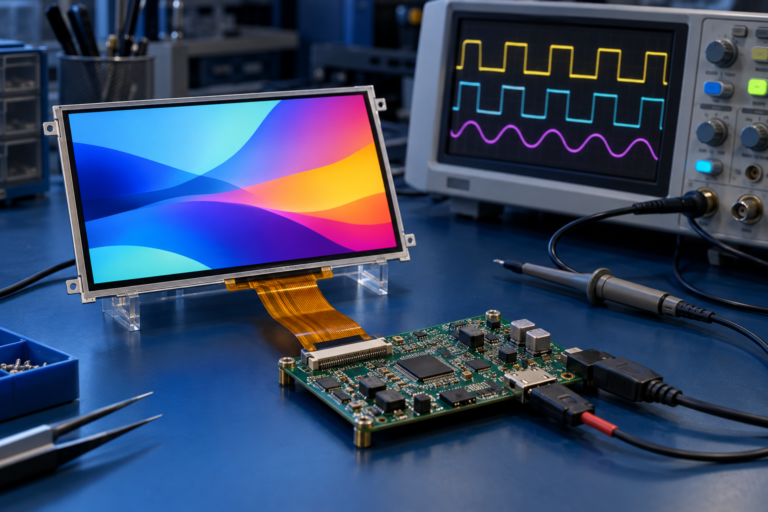
Встраиваемые системы и дисплейные решения на базе контроллерных плат
Что такое OLED?
OLED расшифровывается как органический светоизлучающий диод. В отличие от TFT LCD, OLED не требует отдельной подсветки. Каждый пиксель излучает собственный свет. Когда пикселю необходимо отобразить чёрный цвет, он может быть выключен или работать на очень низком уровне, что обеспечивает OLED его известный глубокий чёрный цвет и высокую контрастность.
OLED часто используется в премиальных смартфонах, телевизорах высокого класса, носимых устройствах, VR-устройствах и приложениях, где важны тонкая конструкция, широкий угол обзора, высокая контрастность и сильное визуальное воздействие.
Однако OLED не всегда является лучшим выбором для каждого проекта дисплея. Его стоимость, срок службы, требования к яркости, риск статического изображения и условия поставок должны быть тщательно рассмотрены, особенно во встраиваемых устройствах, которые длительное время отображают фиксированные элементы интерфейса.
Ключевые преимущества OLED
Самоизлучающие пиксели без отдельной подсветки
Отличный уровень чёрного и высокая контрастность
Для промышленных ЖК-экранов, требующих высокой визуальной четкости, точной цветопередачи и широких углов обзора, технология In-Plane Switching (IPS) является золотым стандартом. Хотя и более дорогая, технология IPS гарантирует, что сенсорные интерфейсы и приложения, чувствительные к цвету, остаются стабильными по всей поверхности экрана.
Возможна очень тонкая конструкция дисплея
Быстрый отклик пикселей
Высокая визуальная производительность для премиальных потребительских продуктов
Ограничения OLED
Обычно более высокая стоимость по сравнению со стандартными вариантами TFT LCD
Потенциальный риск выгорания или сохранения изображения при статическом контенте с течением времени
Срок службы может варьироваться в зависимости от цвета, уровня яркости, режима использования и системы материалов
Высокая яркость на весь экран может быть более сложной для достижения, чем в некоторых конструкциях ЖК-дисплеев со светодиодной подсветкой
Не всегда является наиболее практичным выбором для промышленных продуктов с фиксированными экранами интерфейса
Типичные области применения OLED
Премиальные смартфоны
Телевизоры высокого класса
Носимые устройства,
VR- и AR-устройства
Портативная электроника
Продукты, где тонкая конструкция и высокая контрастность являются ключевыми преимуществами
Что означает LED в технологии дисплеев?
Слово LED может вызывать путаницу в обсуждениях дисплеев. На многих потребительских рынках “LED-дисплей” часто означает ЖК-дисплей со светодиодной подсветкой. Это всё ещё ЖК-панель. Часть LED относится к источнику подсветки, расположенному за ЖК-панелью или вокруг неё.
ЖК-дисплей со светодиодной подсветкой использует светодиоды для освещения жидкокристаллической панели. Слой ЖК-дисплея управляет светом, а светодиодная подсветка обеспечивает яркость. Это заменило более старую CCFL-подсветку во многих дисплейных продуктах, поскольку светодиодные подсветки могут быть тоньше, более энергоэффективны, проще в управлении и подходят для конструкций с более высокой яркостью.
Существуют также прямообзорные LED-дисплеи и технологии Micro LED, где сами светодиоды формируют пиксели изображения. Они отличаются от обычных ЖК-дисплеев со светодиодной подсветкой. В данной статье “LED” в основном относится к ЖК-дисплеям со светодиодной подсветкой, поскольку это наиболее распространённое значение, когда люди сравнивают TFT LCD, OLED и LED для мониторов, встраиваемых дисплеев и коммерческих экранов.
Ключевые преимущества ЖК-дисплеев со светодиодной подсветкой
Более высокий потенциал яркости по сравнению с более старыми ЖК-дисплеями с CCFL-подсветкой
Экономическая эффективность и широкая доступность
Подходит для мониторов, телевизоров, вывесок, ноутбуков и встраиваемых дисплеев
Может быть спроектирован для приложений с высокой яркостью
Поддерживает многие типы ЖК-панелей, включая TN, IPS и VA
Часто практичен для длительного использования и приложений со статическим интерфейсом
Ограничения ЖК-дисплеев со светодиодной подсветкой
По-прежнему зависит от ЖК-слоя, поэтому уровень чёрного ограничен утечкой света и управлением подсветкой
Толщина обычно больше, чем у OLED, поскольку требуется блок подсветки
Контрастность сильно зависит от типа панели, конструкции подсветки и, при наличии, локального затемнения
Низкокачественная конструкция подсветки может вызывать проблемы с равномерностью яркости
Метод управления подсветкой может влиять на энергопотребление, тепловыделение и мерцание
Типичные применения ЖК-дисплеев со светодиодной подсветкой
TFT LCD против OLED против ЖК-дисплеев со светодиодной подсветкой: основные различия
Характеристика
TFT LCD
OLED
ЖК-дисплей со светодиодной подсветкой
Базовая технология
Активная матрица на жидких кристаллах
Самоизлучающий органический диодный дисплей
ЖК-панель со светодиодной подсветкой
Источник света
Требует подсветки
Каждый пиксель излучает свет
Требуется светодиодная подсветка
Уровень черного
Ограничен блокировкой света ЖК-панели и утечкой подсветки
Отличный, так как пиксели могут отключаться
Зависит от ЖК-панели и управления подсветкой
Контрастом
От умеренного до хорошего, в зависимости от типа панели
Очень высокий
От умеренного до высокого, в зависимости от панели и конструкции подсветки
视角
Зависит от типа панели TN, IPS или VA
通常较宽
Зависит от типа ЖК-панели
Яркость
Зависит от конструкции подсветки
Высок во многих премиальных продуктах, но полная яркость экрана может варьироваться
Может быть спроектирован для высокой яркости
Толщина
Требует подсветки, обычно толще, чем OLED
Может быть очень тонким
Требует подсветки, толщина зависит от конструкции
Пригодность для статического изображения
В целом пригоден
Требуется оценка риска выгорания
В целом пригоден
Стоимость
Обычно экономически эффективен
Обычно выше
Экономически эффективен для многих размеров
Наилучшее соответствие.
Встраиваемые, промышленные, HMI-дисплеи на базе контроллерных плат
Премиальные визуальные продукты и тонкие потребительские устройства
Мониторы, вывески, ЖК-применения с высокой яркостью
TFT LCD — это не противоположность LED
Распространенная ошибка — рассматривать TFT LCD и LED как полностью отдельные категории дисплеев. Во многих продуктах они на самом деле связаны. Модуль TFT LCD часто использует светодиодную подсветку. Это означает, что дисплей может быть одновременно TFT LCD и дисплеем со светодиодной подсветкой.
Например, многие промышленные модули TFT LCD используют светодиодную подсветку. Слой TFT управляет пикселями, а светодиодная подсветка обеспечивает освещение. Называя такой продукт “TFT LCD”, подчеркивают технологию активной матрицы. Называя его “ЖК-дисплей со светодиодной подсветкой”, подчеркивают источник света.
Именно поэтому фраза “TFT против LED” может вводить в заблуждение, если LED четко не определен. Если LED означает ЖК-дисплей со светодиодной подсветкой, то это не прямой конкурент TFT LCD. Если LED означает прямой обзорный светодиодный дисплей или Micro LED, то речь идет о совершенно другой архитектуре дисплея.
TFT LCD против OLED: что лучше?
OLED обычно обеспечивает лучший уровень черного, более высокую контрастность, более широкие углы обзора и более тонкую структуру. Для премиальных визуальных продуктов OLED может давать более впечатляющее изображение, чем стандартный TFT LCD.
Однако TFT LCD часто лучше подходит для применений, требующих контроля затрат, стабильных поставок, длительного отображения статического интерфейса, широкого диапазона размеров, настройки подсветки высокой яркости и интеграции с контроллерными платами. Это особенно актуально для промышленного оборудования, интеллектуальных панелей управления, дисплеев для транспортных средств, охранных устройств и встраиваемых продуктов.
Другими словами, OLED может быть лучше для премиального качества изображения, тогда как TFT LCD может быть лучше для многих инженерных B2B-проектов, где важны доступность, стоимость, настройка и практическая интеграция.
TFT LCD против ЖК-дисплея со светодиодной подсветкой: в чем разница?
Сравнение TFT LCD и ЖК-дисплея со светодиодной подсветкой часто не является прямым сравнением один к одному. TFT описывает, как активно управляются пиксели ЖК-дисплея. Светодиодная подсветка описывает, как освещается ЖК-дисплей.
Современный TFT LCD обычно использует светодиодную подсветку. Поэтому многие дисплеи TFT LCD также являются ЖК-дисплеями со светодиодной подсветкой. Более полезным является не сравнение TFT LCD и LED, а:
TN TFT LCD против IPS TFT LCD
Стандартная яркость против высокой яркости TFT LCD
Интерфейс RGB против MIPI против LVDS
Только ЖК-модуль против ЖК-модуля с контроллерной платой
Стандартное защитное стекло против индивидуального защитного стекла
Внутренний дисплей против наружного или полунаружного дисплея
Эти сравнения более полезны для инженеров, так как они напрямую влияют на соответствие продукта.
OLED против ЖК-дисплея со светодиодной подсветкой
OLED и ЖК-дисплей со светодиодной подсветкой различаются в основном способом производства света. Пиксели OLED излучают свет индивидуально. ЖК-панели со светодиодной подсветкой используют светодиоды позади или вокруг ЖК-панели для обеспечения света для всей области дисплея или его зон.
OLED хорошо работает в темных сценах, так как черные пиксели могут быть отключены. ЖК-дисплеи со светодиодной подсветкой могут хорошо работать в ярких условиях при проектировании с мощной подсветкой. Передовые ЖК-продукты могут использовать локальное затемнение, Mini LED-подсветку или оптические пленки для улучшения контрастности и яркости, но они все равно работают иначе, чем OLED.
Для статических промышленных интерфейсов ЖК-дисплеи со светодиодной подсветкой часто являются практичным выбором. Для премиальных потребительских визуальных продуктов часто предпочитают OLED. Для наружных применений или применений с высокой яркостью правильно спроектированный TFT LCD с высокой яркостью может быть более подходящим, чем стандартный OLED-модуль.
Какая технология дисплеев лучше всего подходит для промышленных и встраиваемых продуктов?
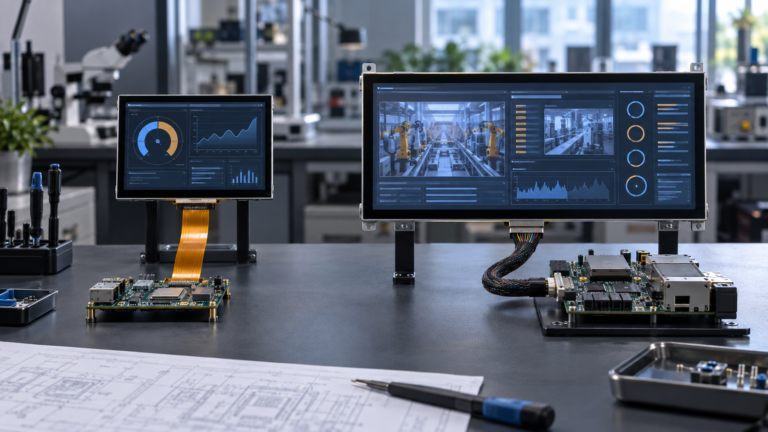
Для многих промышленных и встраиваемых продуктов TFT LCD остается наиболее практичным выбором. Причины не ограничиваются стоимостью. Модули TFT LCD доступны во многих размерах, поддерживают множество интерфейсов, могут комбинироваться с сенсорными панелями и защитным стеклом, а также могут сочетаться с контроллерными платами для различных системных входов.
OLED может использоваться во встраиваемых продуктах, но его следует выбирать осторожно, если приложение отображает статические иконки, приборные панели, меню, зоны предупреждений или фиксированные элементы интерфейса в течение длительного времени. Следует оценить риск выгорания, ожидаемый срок службы, требования к яркости и доступность поставок.
ЖК-дисплей со светодиодной подсветкой часто является стандартной формой современного TFT LCD. Если требуется высокая яркость, конструкция подсветки становится особенно важной. Например, промышленный HMI или дисплей для транспортных средств может требовать более высокой яркости и лучшей читаемости, чем потребительский внутренний продукт.
Как выбрать между TFT LCD, OLED и LED-подсветкой LCD
Правильная технология отображения зависит от требований проекта. Вместо вопроса о том, какая технология в целом лучше, следует спросить, какая из них соответствует среде продукта, пользовательскому интерфейсу, целевому бюджету и производственному плану.
Требования проекта
Рекомендуемое направление
Причина
Чувствительное к стоимости встраиваемое изделие
TFT LCD или TFT LCD с LED-подсветкой
Хорошая доступность и практичная стоимость интеграции
Премиальный визуальный опыт
OLED
Отличная контрастность, уровень черного и тонкая конструкция
Статический пользовательский интерфейс в течение длительного времени
TFT LCD или LCD с LED-подсветкой
Меньший риск выгорания по сравнению с OLED
Наружное или яркое окружение
TFT LCD с высокой яркостью
Подсветка может быть спроектирована для лучшей видимости
Тонкое носимое устройство
OLED или компактный TFT LCD, в зависимости от требований
OLED может поддерживать очень тонкие конструкции, но стоимость и срок службы должны быть оценены
Промышленный HMI
TFT LCD с подходящим интерфейсом и платой контроллера
Поддерживает практичную настройку и системную интеграцию
Индивидуальное покровное стекло или дизайн сенсорного экрана
TFT LCD с настройкой сенсорного экрана и покровного стекла
Общий путь разработки встраиваемых дисплейных продуктов
Важные факторы выбора для B2B-покупателей
Для B2B-покупателей технология отображения — лишь одна часть решения. Конечный дисплей должен соответствовать полному дизайну продукта. Перед выбором между TFT LCD, OLED и LCD с LED-подсветкой покупателям следует оценить следующие факторы:
Размер дисплея и активная область
Разрешение
Требования к яркости
Требования к углу обзора
Использование внутри помещений, на улице или в полуоткрытых условиях
Требования к сенсорной панели
Дизайн покровного стекла
Тип интерфейса, например RGB, LVDS, MIPI, SPI, HDMI или eDP
Требования к плате контроллера
Потребности в адаптации прошивки или программного обеспечения
Рабочая температура
Статическое или динамическое содержимое пользовательского интерфейса
Целевая стоимость и ожидаемый объем производства
Требования к долгосрочным поставкам
Дисплей с отличным качеством изображения все равно может быть неправильным выбором, если он не соответствует интерфейсу, механической конструкции, схеме питания, требованиям к сенсорному экрану или условиям производства.
Поддержка RJY Display для TFT LCD и интеграции дисплеев
RJY Display предоставляет продукты TFT LCD, платы контроллеров и 定制显示器 поддержку для проектов, ориентированных на инженерию. Для многих B2B-приложений ключ заключается не только в выборе технологии отображения, но и в согласовании дисплейного модуля с правильным интерфейсом, сенсорной панелью, покровным стеклом, подсветкой, платой контроллера и требованиями к прошивке.
Если ваш проект требует модуля TFT LCD, дисплея с высокой яркостью, сенсорного дисплея, платы контроллера, индивидуального покровного стекла, настройки подсветки или адаптации интерфейса, RJY Display может помочь оценить практическую пригодность на основе требований вашего приложения.
Заключение: Какую технологию отображения следует выбрать?
TFT LCD, OLED и LED часто сравнивают вместе, но они не описывают одну и ту же категорию дисплеев. TFT LCD — это технология активной матрицы LCD. OLED — это самоизлучающая технология отображения. LED, в большинстве обсуждений LCD-продуктов, обычно означает LCD с LED-подсветкой.
Выбирайте TFT LCD, когда вам нужен практичный баланс стоимости, доступности, настройки, вариантов интерфейса, пригодности для статического пользовательского интерфейса и интеграции с платой контроллера.
Выбирайте OLED, когда премиальная контрастность, глубокий черный цвет, тонкий дизайн и сильное визуальное воздействие важнее стоимости и проблем со статическим изображением.
Выбирайте LCD с LED-подсветкой, когда вам нужны преимущества технологии LCD с производительностью LED-подсветки, особенно в отношении яркости, контроля стоимости и широкой доступности продукта.
Для промышленной, встраиваемой и B2B-разработки продуктов лучший выбор — тот, который соответствует всей системе: размер дисплея, разрешение, яркость, интерфейс, сенсорный экран, плата контроллера, прошивка, механическая конструкция, рабочая среда и производственный план.
Часто задаваемые вопросы
Является ли TFT LCD тем же самым, что и LCD?
TFT LCD — это тип LCD. Он использует тонкопленочные транзисторы для управления пикселями в активной матрице. Большинство современных цветных LCD-модулей, используемых во встраиваемых и промышленных продуктах, являются TFT LCD.
Лучше ли LED, чем TFT LCD?
Такое сравнение может вводить в заблуждение. Многие TFT LCD уже используют LED-подсветку. Если LED означает LCD с LED-подсветкой, то это не противоположность TFT LCD. Если LED означает прямой обзор LED или Micro LED, то это относится к другой архитектуре дисплея.
Лучше ли OLED, чем TFT LCD?
OLED обычно обеспечивает лучший уровень черного, контрастность, угол обзора и тонкость. Однако TFT LCD часто более практичен для промышленных и встраиваемых продуктов из-за стоимости, доступности, пригодности для статического пользовательского интерфейса, вариантов настройки и совместимости с платами контроллеров.
Нужна ли TFT LCD-дисплеям подсветка?
Да. TFT LCD не излучают свет самостоятельно. Им требуется подсветка, обычно LED-подсветка, чтобы сделать изображение видимым.
Есть ли у OLED риск выгорания?
OLED может иметь риск выгорания или сохранения изображения при длительном отображении статического контента. Фактический риск зависит от яркости, характера использования, контента, технологии панели и функций смягчения.
Какой дисплей лучше всего подходит для использования на улице?
TFT LCD с высокой яркостью или LCD с LED-подсветкой часто являются практичным выбором для использования на улице или в полуоткрытых условиях. Однако окончательный выбор также должен учитывать покровное стекло, отражение, угол обзора, рабочую температуру и конструкцию корпуса.
Какой дисплей лучше всего подходит для промышленного HMI?
TFT LCD обычно используется для промышленного HMI, поскольку он предлагает широкую доступность, гибкость интерфейса, поддержку сенсорного экрана, варианты плат контроллеров и потенциал настройки. Конкретный дисплей следует выбирать на основе размера, разрешения, яркости, интерфейса и рабочей среды.