Столкнулись с трудностями в проекте встраиваемого дисплея?
Не позволяйте сложной интеграции или проблемам цепочки поставок замедлить ваш выход на рынок. Забронируйте бесплатную консультацию с экспертной командой RJY для получения индивидуальной поддержки в проектировании и производстве.
AMOLED против IPS-дисплея: что лучше для вашего продукта?
Когда речь заходит о высокопроизводительных экранах в потребительской электронике, носимых устройствах или промышленном оборудовании, на рынке доминируют две технологии отображения — AMOLED и IPS.
Published:
Время чтения: 16 мин
Updated:
AMOLED vs IPS дисплей Это распространенное сравнение, когда продуктовые команды оценивают технологии дисплеев для смартфонов, носимых устройств, умных панелей, промышленных HMI, медицинских интерфейсов, автомобильных дисплеев и встраиваемых устройств. AMOLED и IPS могут обеспечивать высокое качество изображения, но работают принципиально по-разному.
AMOLED — это самоизлучающая технология дисплея. Каждый пиксель излучает собственный свет, поэтому черные области создаются путем отключения пикселей. IPS — это тип технологии LCD-панелей. Она использует жидкие кристаллы, цветные фильтры, управление тонкопленочными транзисторами и светодиодную подсветку для формирования изображения.
Ни одна из технологий не является универсально лучшей. AMOLED часто привлекателен для премиальных потребительских устройств, темных интерфейсов, тонких конструкций и высокой контрастности. IPS TFT LCD часто предпочитают за стабильную яркость, длительную работу, меньший риск выгорания, зрелую цепочку поставок и множество промышленных или встраиваемых проектов.
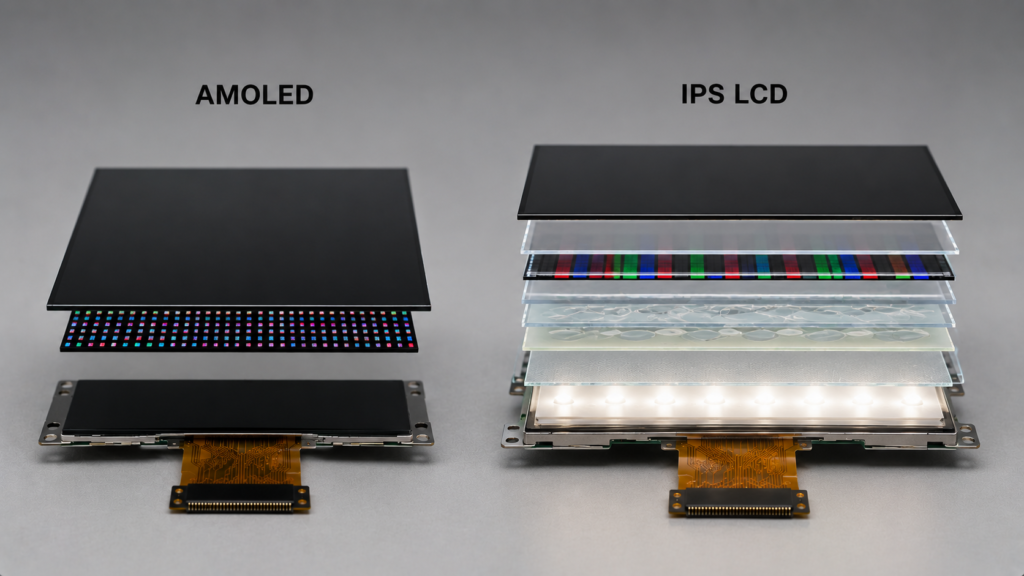
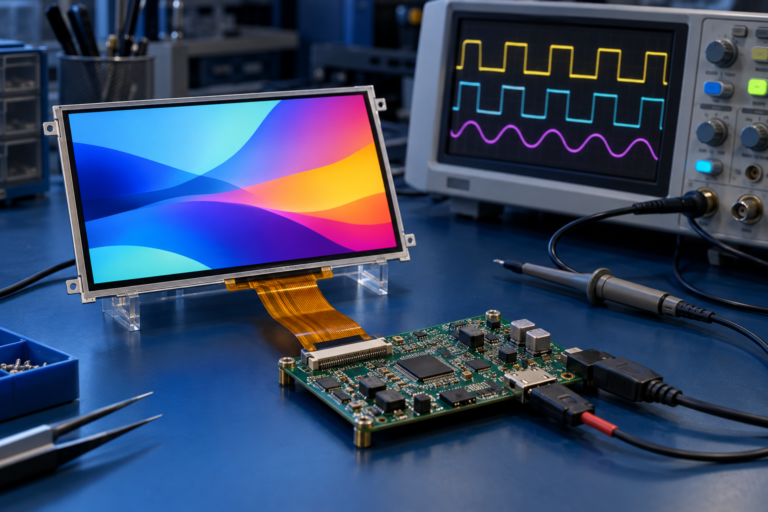
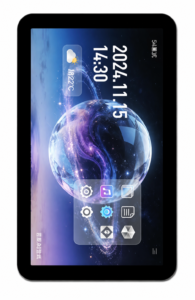
Структура дисплея AMOLED vs IPS: самоизлучающие пиксели и слои подсветки IPS LCD
Что такое AMOLED-дисплей?
AMOLED расшифровывается как активная матрица на органических светодиодах. Это тип OLED-дисплея, использующий активную матрицу для управления отдельными пикселями. В отличие от LCD, AMOLED-дисплей не требует подсветки. Каждый пиксель производит свет с помощью органических светоизлучающих материалов.
Эта самоизлучающая структура дает AMOLED несколько важных характеристик. Черные пиксели можно полностью отключать, что создает очень высокую контрастность. Дисплей также можно сделать тонким, так как отсутствует отдельный блок подсветки. Это одна из причин, почему AMOLED широко используется в смартфонах, умных часах, складных устройствах и премиальной потребительской электронике.
Однако у AMOLED есть и компромиссы. Органические излучающие материалы могут стареть со временем, а статические элементы интерфейса могут создавать риск выгорания, если дисплей долго показывает одно и то же содержимое. Стоимость, доступность, варианты размеров, поведение яркости и требования к сроку службы должны быть тщательно оценены перед выбором AMOLED для продукта.
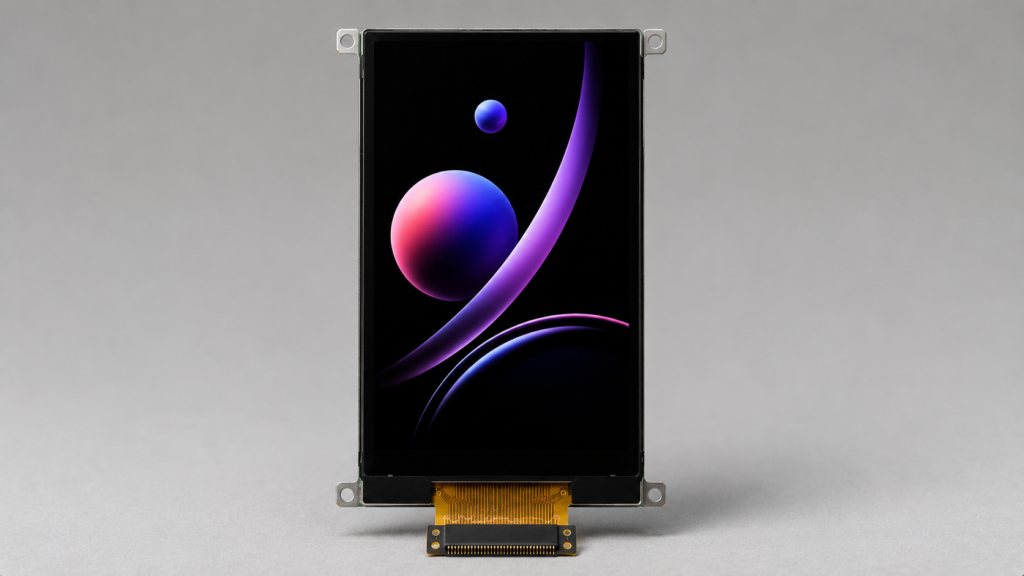
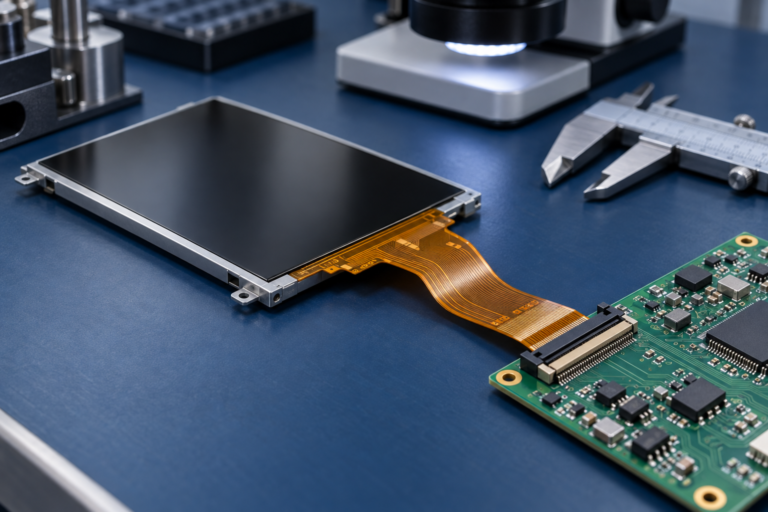
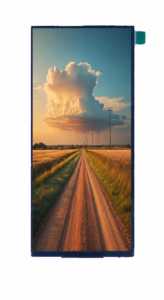
AMOLED-дисплей, демонстрирующий глубокие черные области и высококонтрастный интерфейс
Что такое IPS-дисплей?
IPS расшифровывается как переключение в плоскости. Это тип технологии LCD-панелей. В IPS LCD молекулы жидких кристаллов движутся более параллельно поверхности дисплея, что помогает панели сохранять стабильный цвет и контрастность при более широких углах обзора по сравнению со многими TN LCD-панелями.
IPS обычно используется в TFT LCD-модулях. Типичный TFT LCD-модуль IPS включает массив TFT, слой жидких кристаллов, цветной фильтр, поляризаторы, светодиодную подсветку, драйверные ИС, гибкий печатный кабель (FPC) и механическую структуру. Поскольку жидкокристаллический материал сам не излучает свет, дисплей зависит от подсветки для формирования изображения.
IPS TFT LCD широко используется в промышленных дисплеях, панелях умного дома, интерфейсах оборудования, дисплеях медицинских устройств, автомобильных устройствах и других встраиваемых продуктах, где важны стабильный угол обзора, зрелая цепочка поставок и длительный срок службы.
AMOLED vs IPS дисплей: ключевое различие
Ключевое различие между технологиями дисплеев AMOLED и IPS заключается в источнике света.
Пиксели AMOLED излучают собственный свет. Пиксели IPS LCD управляют тем, сколько света подсветки проходит через структуру жидких кристаллов и цветных фильтров. Это различие влияет на уровень черного, контрастность, энергопотребление, толщину, срок службы, риск выгорания, стратегию яркости и пригодность для применения.
Фактор
Дисплей AMOLED
Дисплей IPS
Тип дисплея
Самоизлучающая OLED-технология
Технология LCD-панелей
Источник света
Каждый пиксель излучает свет
Использует светодиодную подсветку
Уровень черного
Очень глубокий черный, так как пиксели могут отключаться
Ограничен утечкой подсветки
Контрастом
Очень высокий
От умеренной до хорошей в зависимости от панели и подсветки
Энергопотребление
Может быть эффективным при темном интерфейсе
Подсветка потребляет энергию по всему экрану
Риск выгорания
Возможен при статическом контенте с течением времени
Обычно ниже риск выгорания, чем у AMOLED
Толщину модуля
Может быть очень тонким
Обычно толще из-за структуры подсветки
Зрелость поставок для встраиваемых LCD-проектов
Зависит от размера, поставщика и применения
Очень зрелая для многих размеров TFT LCD-модулей
Как правило, лучший контроль цвета, чем у пассивно-матричного LCD
Смартфоны, носимые устройства, премиальные потребительские устройства
Промышленные HMI, умные панели, дисплеи оборудования, встраиваемые системы
Разница в качестве изображения
AMOLED часто признается за сильное визуальное воздействие. Поскольку каждый пиксель излучает свет независимо, AMOLED может создавать очень глубокие черные области и высокую контрастность. Это может сделать темные интерфейсы, видео и премиальные дизайны пользовательских интерфейсов яркими.
IPS-дисплеи обычно обеспечивают стабильное и естественное качество изображения, особенно при просмотре под разными углами. IPS часто выбирают, когда дисплей требует постоянной цветопередачи и хорошей читаемости в интерфейсах оборудования, панелях управления или сенсорных дисплеях.
Лучшее качество изображения зависит от контента. AMOLED может выглядеть сильнее для темного интерфейса и высококонтрастного медиа. IPS может быть более предсказуемым для долго работающих интерфейсов, промышленных экранов и приложений, где стабильная яркость и поведение при просмотре важнее, чем драматическая контрастность.
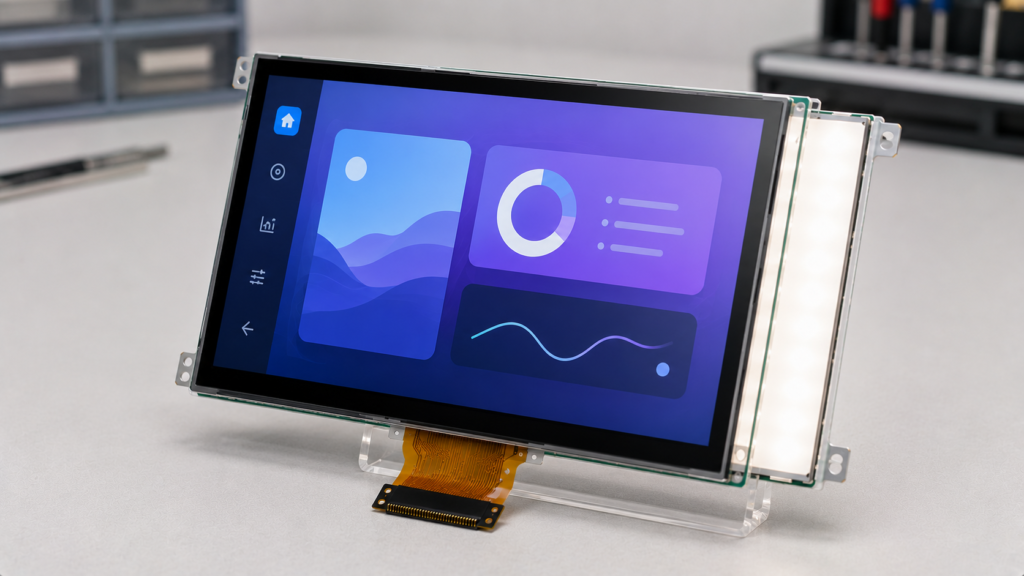
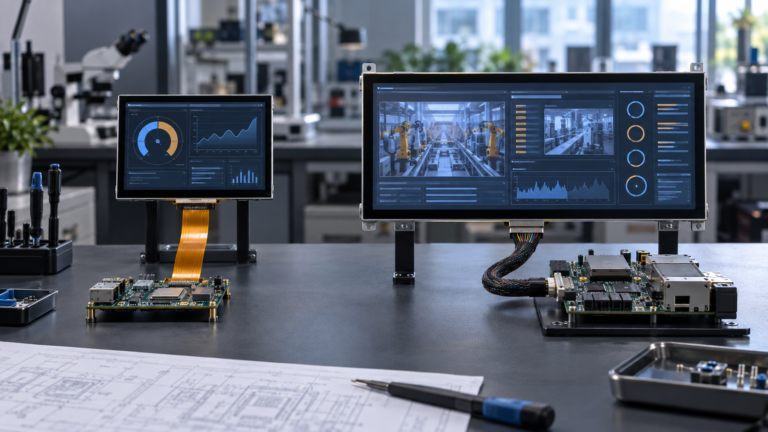
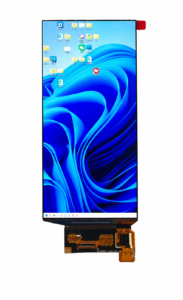
IPS TFT LCD-модуль со светодиодной подсветкой, демонстрирующий стабильную яркость
Уровень черного и контрастность
AMOLED имеет явное преимущество в уровне черного. Когда пикселю нужно показать черный, его можно отключить. Это создает глубокий черный и высокую контрастность.
IPS LCD использует подсветку. Даже когда слой жидких кристаллов блокирует свет, может оставаться некоторая утечка подсветки. Это означает, что черные области на IPS-дисплеях обычно не могут сравниться с уровнем черного AMOLED.
Для продуктов с темными темами, воспроизведением медиа, премиальными визуальными интерфейсами и эффектами постоянно включенного дисплея AMOLED может быть привлекательным. Для промышленных интерфейсов с яркими фонами, кнопками, меню и статическими экранами данных преимущество контрастности может быть менее важным, чем срок службы, яркость и стабильность поставок.
Яркость и читаемость на улице
Яркость определяется не только названием технологии дисплея. Дисплеи AMOLED и IPS могут быть спроектированы с разными уровнями яркости в зависимости от панели, драйвера, конструкции питания, тепловой структуры и целевого продукта.
IPS TFT LCD-модули часто используют светодиодные подсветки, которые могут быть спроектированы для стабильной яркости. Это может быть полезно для промышленных дисплеев, умных панелей управления, автомобильных устройств и интерфейсов оборудования, которые должны оставаться читаемыми при изменяющемся окружающем освещении.
AMOLED может обеспечивать высокую воспринимаемую контрастность, но поведение яркости зависит от конструкции панели, контента, ограничения мощности и терморегулирования. Для наружных или полунаружных продуктов покупатели должны оценивать фактическую яркость, отражательную способность, защитное стекло, антибликовую обработку, тепловую конструкцию и бюджет мощности, а не выбирать только по AMOLED или IPS.
Разница в энергопотреблении
Энергопотребление AMOLED сильно зависит от содержимого изображения. Темные интерфейсы могут потреблять меньше энергии, так как черные пиксели отключены. Яркие белые фоны могут потреблять больше энергии, так как многие пиксели излучают свет одновременно.
Энергопотребление IPS LCD более тесно связано с подсветкой. Подсветка обычно остается активной по всей области дисплея, независимо от того, является ли изображение в основном темным или ярким. Уменьшение яркости подсветки может снизить энергопотребление, но само содержимое изображения не меняет энергопотребление так же, как в AMOLED.
Это означает, что AMOLED может быть эффективным для устройств в темном режиме, экранов носимых устройств, дисплеев в режиме ожидания и дизайнов интерфейсов с большими черными областями. IPS может быть более предсказуемым для фиксированных промышленных интерфейсов, ярких макетов интерфейсов и приложений, где дисплей работает на контролируемом уровне яркости.
Срок службы и риск выгорания
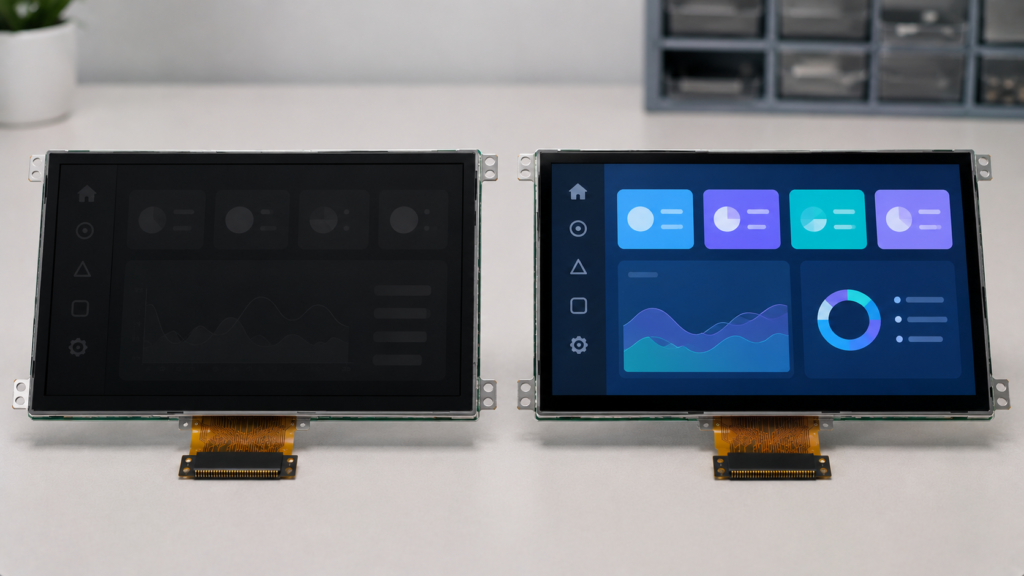
Срок службы — одно из самых важных различий между технологиями дисплеев AMOLED и IPS в B2B-продуктах. AMOLED использует органические светоизлучающие материалы, которые стареют при использовании. Если статические элементы остаются на экране в течение длительного времени, выгорание или неравномерное старение могут стать проблемой.
IPS LCD не использует органические светоизлучающие пиксели. У него все еще есть компоненты с ограниченным сроком службы, особенно светодиодная подсветка, но в целом он менее подвержен тому же механизму выгорания, что и AMOLED. Это делает IPS TFT LCD практичным выбором для интерфейсов, которые отображают статические меню, иконки, предупреждения, приборные панели или экраны управления в течение длительного времени.
Для смартфонов и носимых устройств выгорание AMOLED часто можно контролировать с помощью дизайна интерфейса, сдвига пикселей, тайм-аута экрана, темного режима и программных средств управления. Для промышленных HMI или фиксированных панелей оборудования статический контент интерфейса может оставаться видимым гораздо дольше, поэтому риск выгорания следует оценивать более тщательно.
Толщина и механическая конструкция
AMOLED может поддерживать очень тонкие конструкции дисплеев, так как не требует отдельного блока подсветки. Это полезно для смартфонов, умных часов, складных устройств и других компактных потребительских электронных устройств.
IPS TFT LCD-модули обычно толще, так как включают блок подсветки, оптические пленки, световодную пластину, поляризаторы и механическую поддержку. Однако эта структура является зрелой, экономически эффективной и доступной для многих размеров модулей и промышленных форматов.
Для B2B встраиваемых продуктов толщина — лишь один из факторов конструкции. Инженерам также необходимо учитывать защитное стекло, сенсорную панель, направление FPC, монтажную структуру, расположение разъемов, мощность подсветки, плату контроллера, конструкцию корпуса и долгосрочные поставки.
Угол обзора и стабильность цвета
Как AMOLED, так и IPS могут обеспечивать широкие углы обзора во многих современных продуктах. AMOLED не зависит от поляризации света LCD так же, как IPS LCD, в то время как IPS был разработан для улучшения угла обзора и стабильности цвета по сравнению со многими старыми режимами LCD-панелей.
При практическом выборе продукта покупателям не следует полагаться только на технологическую маркировку. Фактическое поведение при просмотре зависит от конкретной панели, оптической конструкции, защитного стекла, метода склейки, яркости и угла установки.
Для промышленных HMI, медицинских интерфейсов и сенсорных панелей IPS TFT LCD часто является сильным выбором, так как поведение при просмотре является зрелым и предсказуемым для многих размеров дисплеев. Для премиальных потребительских устройств AMOLED может обеспечить отличный обзор и контрастность, если конструкция продукта это поддерживает.
Стоимость и доступность поставок
AMOLED часто стоит дороже, чем IPS LCD, во многих категориях продуктов, особенно когда требуемый размер, яркость, интеграция сенсорного ввода или условия поставки являются специализированными. Доступность AMOLED также сильно зависит от размера панели и экосистемы поставщиков.
IPS TFT LCD широко доступен во многих стандартных встраиваемых размерах и разрешениях экранов. Это упрощает поиск модулей для промышленных изделий, интеллектуальных панелей, систем управления, охранного оборудования, медицинских устройств и дисплеев для транспортных средств.
Для B2B-проектов самая низкая цена панели не всегда является лучшим выбором. Покупателям следует сравнивать полную стоимость проекта, включая стоимость модуля, сенсорной панели, защитного стекла, подсветки, гибкого печатного кабеля (FPC), платы контроллера, встроенного ПО, тестирования, минимального объема заказа (MOQ), времени выполнения заказа и долгосрочные риски поставок.
Преимущества AMOLED
AMOLED может быть хорошим выбором, когда продукту требуется превосходное визуальное восприятие, тонкая конструкция, глубокий черный цвет и высокая контрастность.
Самоизлучающие пиксели без подсветки
Очень глубокий уровень черного
Высокая контрастность
Тонкая структура модуля
Возможность создания гибких или изогнутых дисплеев
Эффективность для темных интерфейсов (UI)
Привлекательность для премиальной потребительской электроники
Ограничения AMOLED
AMOLED также имеет ограничения, важные для планирования продукта, особенно когда дисплей будет длительное время отображать статический контент.
Потенциальный риск выгорания при статических элементах интерфейса
Старение органических материалов со временем
Стоимость может быть выше, чем у IPS LCD
Доступность поставок может быть ограничена для некоторых размеров
Яркость и срок службы зависят от панели и условий управления
Может потребоваться тщательное проектирование интерфейса для снижения неравномерного старения
Преимущества IPS-дисплеев
IPS TFT LCD часто выбирают за стабильную и практичную производительность дисплея во встраиваемых и промышленных изделиях.
Широкий угол обзора
Стабильная цветопередача
Зрелая цепочка поставок TFT LCD
Множество вариантов размеров и разрешений
Меньший риск выгорания по сравнению с AMOLED для статического интерфейса
Стабильная яркость благодаря конструкции светодиодной подсветки
Хорошая совместимость с сенсорными панелями и интерфейсами оборудования
Часто более практичен для длительной работы
Ограничения IPS-дисплеев
IPS LCD также имеет компромиссы. Он не является наилучшим выбором для каждого продукта.
Не может воспроизводить истинный черный цвет, как самоизлучающий AMOLED
Требует конструкции с подсветкой
Обычно толще, чем AMOLED
Подсветка увеличивает энергопотребление
Контрастность может быть ниже, чем у AMOLED и некоторых VA LCD-панелей
Читаемость на открытом воздухе по-прежнему зависит от яркости и оптической конструкции
AMOLED против IPS-дисплеев для промышленных изделий
Для промышленных изделий практический выбор часто зависит от времени работы, статического содержимого интерфейса, условий просмотра, яркости, стабильности поставок и требований к обслуживанию.
Промышленные HMI, экраны оборудования, панели управления и интерфейсы автоматизации часто длительное время отображают фиксированные меню, сигналы тревоги, значки, кнопки и информационные панели состояния. В этих случаях IPS TFT LCD часто является более безопасным и практичным направлением для дисплея, поскольку он позволяет избежать проблем с выгоранием, характерных для AMOLED, и широко доступен в форматах промышленных дисплейных модулей.
AMOLED может рассматриваться для специализированных промышленных или портативных изделий, где тонкий дизайн, темный интерфейс, высокая контрастность и премиальный внешний вид важнее, чем риск статического интерфейса. Команде разработчиков продукта следует протестировать панель в реальных условиях эксплуатации перед ее выбором.
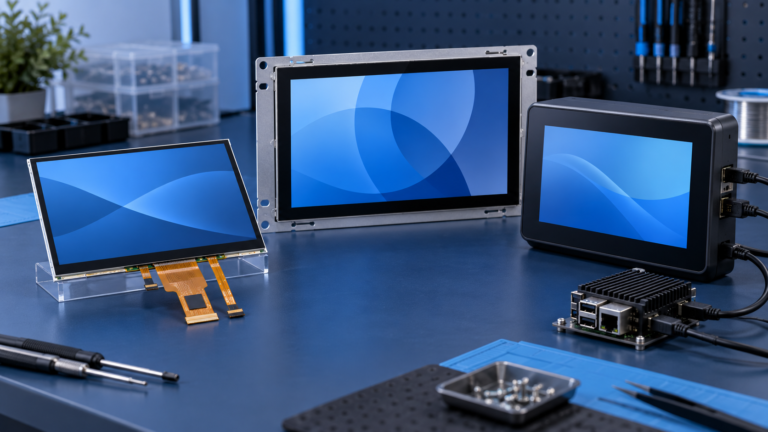
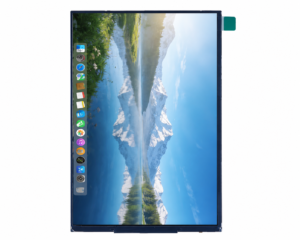
Риск выгорания AMOLED по сравнению со стабильным статическим интерфейсом IPS LCD
AMOLED против IPS-дисплеев для медицинских интерфейсов
Медицинские интерфейсы требуют читаемого текста, стабильной графики, четкой информации о состоянии и надежной работы. IPS TFT LCD обычно рассматривается для этих нужд, поскольку он обеспечивает стабильное поведение при просмотре и доступен во многих типоразмерах встраиваемых дисплейных модулей.
AMOLED может обеспечить превосходную контрастность, но статический интерфейс, срок службы, требования к яркости и доступность закупок требуют тщательного анализа. Для любого медицинского изделия выбор дисплея следует оценивать совместно с требованиями к устройству, часами использования, дизайном интерфейса, документацией и применимыми нормативными ожиданиями.
Не выбирайте технологию дисплея, основываясь только на визуальной привлекательности. Выбирайте, исходя из того, как дисплей будет использоваться в реальном устройстве.
AMOLED против IPS-дисплеев для устройств «умного дома» и потребительских устройств
Продукты для «умного дома» и потребительские устройства могут выиграть как от AMOLED, так и от IPS в зависимости от позиционирования продукта.
AMOLED привлекателен, когда продукту требуется премиальный внешний вид, глубокий черный интерфейс, тонкий профиль или эффект отображения в режиме ожидания. Это подходит для носимых устройств, умных пультов, премиальных устройств управления и компактной персональной электроники.
IPS TFT LCD часто более практичен, когда продукту требуется контроль стоимости, стабильные поставки, поддержка сенсорного интерфейса и доступность стандартных модулей. Многие панели «умного дома», настенные контроллеры и встраиваемые потребительские устройства могут эффективно использовать IPS TFT LCD.
AMOLED против IPS-дисплеев для устройств, связанных с транспортными средствами
Дисплеи для транспортных средств могут требовать стабильной яркости, читаемого интерфейса, широкого угла обзора, длительного срока службы и устойчивости к старению при статическом интерфейсе. IPS TFT LCD часто является практичным выбором для приборных панелей, дисплеев управления и интерфейсов оборудования, когда проекту требуется доступность стандартных модулей и зрелая поддержка интеграции.
AMOLED может быть привлекателен для премиальных визуальных решений, но выгорание, поведение при высоких температурах, ограничения по яркости, ожидаемый срок службы и требования к поставкам должны быть тщательно проанализированы для продуктов, связанных с транспортными средствами.
Окончательный выбор дисплея должен учитывать яркость, угол обзора, отражение защитного стекла, рабочую температуру, требования к сенсорному вводу, плату контроллера, механическую совместимость и долгосрочные производственные потребности.
Когда следует выбирать AMOLED?
Выбирайте AMOLED, когда визуальное воздействие дисплея, тонкая конструкция и глубокий черный контраст являются ключевыми для восприятия продукта.
AMOLED может подходить для:
Смартфоны
Умных часов
Фитнес-трекеров
Складных устройств
Премиальной потребительской электроники
Пользовательских интерфейсов в темном режиме
Компактные изделия, где важна тонкая конструкция
Устройства с контролируемым временем работы экрана
Перед выбором AMOLED необходимо оценить риск статического интерфейса, время работы, требования к яркости, стоимость, доступность поставок и ожидаемый срок службы.
Когда следует выбирать IPS TFT LCD?
Выбирайте IPS TFT LCD, когда продукту требуется стабильное изображение, зрелые поставки, меньший риск выгорания и практичная интеграция в стандартные размеры дисплеев.
IPS TFT LCD часто подходит для:
Промышленные HMI-панели
Панели управления умного дома
Интерфейсов медицинских устройств
Дисплеев охранного оборудования
Дисплеев транспортного оборудования
Встраиваемых сенсорных панелей
Приборных панелей оборудования
Изделий с длительным временем работы экрана
Проектов, требующих стандартных TFT LCD модулей
Для многих B2B проектов в области дисплеев IPS TFT LCD обеспечивает хороший баланс качества изображения, углов обзора, доступности поставок, контроля стоимости и гибкости кастомизации.
Как выбрать между AMOLED и IPS дисплеем
Начинайте с требований к продукту, а не с названия технологии. Правильная технология дисплея зависит от сценария использования, времени работы, содержимого интерфейса, энергопотребления, механической конструкции и потребностей в sourcing.
Требования проекта
Рекомендуемое направление
Причина
Глубокий черный и превосходный визуальный контраст
AMOLED,
Самоизлучающие пиксели обеспечивают высокий уровень черного
Длительное отображение статического интерфейса
IPS TFT LCD
Меньший риск выгорания для фиксированных меню и приборных панелей
Очень тонкое потребительское устройство
AMOLED,
Отсутствие необходимости в подсветке
Промышленный HMI или дисплей оборудования
IPS TFT LCD часто предпочтительнее
Зрелые поставки и стабильная работа для встраиваемых проектов
Носимый интерфейс в темном режиме
AMOLED,
Темные пиксели могут потреблять меньше энергии
Яркий интерфейс, отображаемый большую часть времени
Оценивайте оба варианта тщательно
Энергопотребление и яркость зависят от реального содержимого и конструкции панели
Пользовательский сенсорный дисплейный модуль
IPS TFT LCD часто практичен
Широкий выбор модулей и поддержка интеграции
Гибкая или складная конструкция
AMOLED,
Лучше подходит для гибких дисплейных структур
Распространенные ошибки при сравнении AMOLED и IPS
Одна из распространенных ошибок — утверждение, что AMOLED всегда лучше из-за более глубокого черного. Глубокий черный ценен, но он не решает автоматически проблемы срока службы, выгорания, стоимости, яркости или поставок.
Другая ошибка — утверждение, что IPS устарел из-за использования подсветки. IPS TFT LCD остается практичным и широко используемым выбором для многих промышленных, встраиваемых и дисплейных приложений оборудования.
Третья ошибка — игнорирование статического содержимого интерфейса. Если продукт отображает одни и те же кнопки, иконки, цифры или строки меню в течение тысяч часов, риск выгорания AMOLED требует серьезного анализа.
Четвертая ошибка — сравнение только дисплейной панели без учета полного модуля. Сенсорная панель, защитное стекло, FPC, интерфейс, подсветка, плата контроллера, прошивка, механическая подгонка и рабочая среда могут влиять на окончательный выбор дисплея не меньше, чем технология панели.
Что покупатели должны подтвердить перед выбором дисплея
Перед выбором AMOLED или IPS TFT LCD покупатели должны подготовить полные требования к дисплею. Это снижает риски sourcing и помогает поставщику предложить реалистичный вариант.
Важная информация включает:
Размер дисплея
Разрешение
Целевая яркость
Требования к углу обзора
Ожидаемое время работы экрана
Статическое или динамическое содержимое пользовательского интерфейса
Требования к сенсорному экрану
Требования к покровному стеклу
Тип интерфейса
Требования к плате контроллера
Требования к прошивке или программному обеспечению
Рабочая температура и окружающая среда
Бюджетом энергопотребления
Механическая конструкция
Целевой объем производства
Ожидаемый срок службы продукта
Поддержка RJY Display для IPS TFT LCD и интеграции дисплеев
RJY Display поддерживает TFT LCD модули, платы контроллеров и обсуждение пользовательских дисплейных решений для инженерно-ориентированных B2B проектов. Для проектов, сравнивающих технологии AMOLED и IPS, RJY Display может помочь оценить, подходит ли IPS TFT LCD модуль, сенсорный дисплей, плата контроллера или кастомизированное TFT LCD решение для данного применения.
Поддержка пользовательских дисплеев может обсуждаться на основе существующих TFT LCD модулей, включая яркость, сенсорную панель, защитное стекло, подсветку, FPC, интерфейс, плату контроллера, прошивку и координацию механической структуры.
Если вашему продукту требуется стабильный IPS TFT LCD модуль, сенсорный дисплей, высокояркостный TFT LCD, плата контроллера или пользовательская интеграция дисплея, подготовьте размер дисплея, разрешение, яркость, интерфейс, требования к сенсору, рабочую среду и ожидаемый объем производства перед запросом.
AMOLED и IPS дисплеи построены на разных принципах. AMOLED является самоизлучающим, поэтому каждый пиксель создает собственный свет. Это обеспечивает глубокий черный, высокий контраст, тонкую конструкцию и сильное визуальное воздействие. IPS — это LCD технология, использующая подсветку и слой жидких кристаллов для формирования изображения. Она обеспечивает стабильные углы обзора, зрелую доступность модулей, меньший риск выгорания и практичное долгосрочное использование во многих встраиваемых продуктах.
AMOLED часто является сильным выбором для смартфонов, носимых устройств, складных устройств и премиальных потребительских продуктов, где важны контраст, темный интерфейс и тонкая конструкция. IPS TFT LCD часто является более практичным выбором для промышленных HMI, умных панелей, медицинских интерфейсов, охранного оборудования, транспортных дисплеев и долгосрочных встраиваемых приложений.
Правильный выбор основан не на том, какая технология звучит более продвинуто. Он зависит от реальных требований продукта: размер экрана, содержимое интерфейса, время работы, яркость, энергопотребление, риск выгорания, сенсор, интерфейс, плата контроллера, механическая структура, стоимость и план поставок.
Часто задаваемые вопросы
В чем основное различие между AMOLED и IPS дисплеем?
Основное различие — в источнике света. Пиксели AMOLED излучают собственный свет, в то время как IPS — это LCD технология, использующая LED подсветку за слоем жидких кристаллов.
Лучше ли AMOLED, чем IPS?
AMOLED лучше для глубокого черного, высокого контраста, тонкой конструкции и темного интерфейса. IPS часто лучше для длительных статических интерфейсов, зрелых поставок модулей, меньшего риска выгорания и многих промышленных или встраиваемых дисплейных приложений.
Есть ли у AMOLED риск выгорания?
Да. AMOLED использует органические светоизлучающие материалы, и статические элементы интерфейса могут со временем вызывать неравномерное старение или выгорание. Риск зависит от яркости, содержимого, времени работы и программного управления.
Нужна ли IPS дисплею подсветка?
Да. IPS — это LCD технология, поэтому для видимости изображения обычно требуется LED подсветка.
Какой дисплей лучше для промышленного HMI, AMOLED или IPS?
IPS TFT LCD часто более практичен для промышленного HMI, поскольку обеспечивает стабильное изображение, зрелые поставки, длительную работу и меньший риск выгорания для статических элементов интерфейса.
Какой дисплей потребляет меньше энергии, AMOLED или IPS?
AMOLED может потреблять меньше энергии при темном интерфейсе, так как черные пиксели могут отключаться. Энергопотребление IPS LCD больше связано с подсветкой, поэтому содержимое изображения оказывает меньшее влияние на энергопотребление, чем в AMOLED.
Какой дисплей лучше подходит для использования на открытом воздухе?
Читаемость на открытом воздухе зависит от яркости, контрастности, отражения защитного стекла, антибликовой обработки, термодизайна и энергопотребления. AMOLED и IPS следует оценивать по фактическим характеристикам панели, а не только по названию технологии.
Как мне выбрать между AMOLED и IPS TFT LCD?
Выбор основывается на типе продукта, времени работы экрана, статическом содержимом интерфейса, яркости, бюджете энергопотребления, риске выгорания, размере дисплея, интерфейсе, требованиях к сенсорному управлению, контроллерной плате, стоимости и доступности поставок.