








Существует несколько типов ЖК-панелей, каждый оптимизирован для конкретных задач:
TN-панели являются самой старой и базовой формой технологии ЖК-дисплеев. Жидкие кристаллы в этих панелях скручиваются при подаче электрического тока, изменяя способ прохождения света через них. Это обеспечивает относительно быстрое время отклика, что делает TN-панели идеальными для динамичного контента, такого как видеоигры или высокопроизводительные вычислительные задачи.
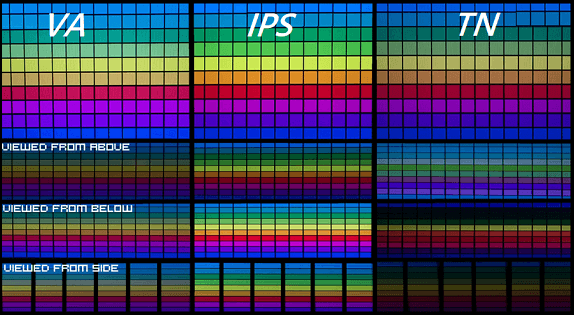
Однако, TN-панели они известны своим низким цветовым охватом и и узкими углами обзора. Цвета часто искажаются при взгляде под углом, а яркость панели может значительно снижаться при широких углах обзора. В результате TN-панели не являются лучшим выбором для профессионального дизайна, задач, чувствительных к цвету, или совместной работы.
Несмотря на эти ограничения, они хорошо подходят для экономичных дисплеев с низким уровнем взаимодействия.
Преимущества TN-панелей
- 🟢 Быстрое время отклика— идеально для динамичного контента
- 🟢 Доступная цена— самая низкая стоимость среди типов панелей
- 🟢 Часто используются в базовых промышленных дисплеях, бюджетных мониторах, начальном оборудовании
Ограничения
- 🔴 Быстрый отклик, низкая стоимость
- 🔴 Низкая цветопередача— не подходит для интерфейсов с богатой графикой или совместной работы
- 🔴 Яркость и цвет искажаются при взгляде под углом
Лучше всего подходят для: Экономичных дисплеев, где скорость важнее точности цветопередачи.
Распространены в мобильных устройствах, профессиональных дисплеях
VA-панели используют другой подход к расположению жидких кристаллов. В выключенном состоянии кристаллы выровнены вертикально, блокируя свет. Однако при подаче напряжения кристаллы поворачиваются, позволяя свету проходить. Такое уникальное расположение позволяет VA-панели достичь одного из лучших коэффициентов контрастности на рынке ЖК-дисплеев, с более глубокими черными и яркими белыми оттенками.
Хотя VA-панели обеспечивают отличную контрастность, они все же страдают от ограниченных углов обзора, хотя обычно превосходят TN-панели TN-панели VA-панели в этом отношении. Цветопередача на VA-панелях.
также обычно лучше, чем у TN-панелей, но все же не так точна, как у IPS-панелей . Технология вертикального выравнивания (VA)обеспечивает исключительный коэффициент контрастности, — часто превышающий 3000:1 — благодаря способности эффективнее блокировать свет. Это делает их подходящими для промышленных сред с низким окружающим освещением , а также для применений, где.
четкость черного уровня
- 🟢 имеет решающее значение.Преимущества VA-панелей
- 🟢 Превосходная контрастность
- — глубокие черные и яркие светлые тона Лучшая цветопередача, чем у TN 🟢 Хорошо работают в
Ограничения
- 🔴 слабоосвещенных средах , таких как диспетчерские или диагностические помещения
- Сдвиг цвета
- при широких углах обзора
Лучше всего подходят для: 🔴 Медленнее, чем TN, но быстрее, чем старые поколения IPS.
Идеальны для начального уровня мониторов, бюджетных применений
VA-панелях 🔴 Несколько выше стоимость по сравнению с TN Медицинская визуализация, умная бытовая техника, домашняя автоматизация и полу-уличные среды. и IPS-панели. являются самой передовой технологией ЖК-дисплеев с точки зрения, VA-панелях точности цветопередачи.
и углов обзора.
. Жидкие кристаллы в IPS-панелях выровнены горизонтально, что обеспечивает лучший контроль света. В результате.
IPS-панели
- 🟢 сохраняют стабильную яркость и цветопередачу при широких углах обзора, что делает их идеальными для применений, требующих точной цветопередачи и широких углов обзора.Из-за более сложного производственного процесса IPS-панели часто дороже, чем TN или VA-панели.
- 🟢 Для промышленных ЖК-экранов, требующих высокой визуальной четкости, точной цветопередачи и широких углов обзора, технология In-Plane Switching (IPS) является золотым стандартом. Хотя и более дорогая, технология IPS гарантирует, что сенсорные интерфейсы и приложения, чувствительные к цвету, остаются стабильными по всей поверхности экрана. Преимущества IPS-панелей
- 🟢 Стабильная яркость— идеально подходит для совместного или вертикального крепления
Ограничения
- 🔴 Подробнее дороже в производстве
- 🔴 Немного большее время отклика по сравнению с TN
- 🔴 Более низкая контрастность в контенте с преобладанием черного по сравнению с VA
Лучше всего подходят для: Промышленные HMI, медицинские мониторы, дизайнерские системы и дисплеи, требующие точной цветопередачи.
TN vs VA vs IPS: Подробное сравнение
Теперь рассмотрим, как TN, VA, и IPS панели соотносятся по различным ключевым аспектам:
| Аспект | TN-панель | VA-панель | IPS-панель |
|---|---|---|---|
| Цветовая точность | Низкая | Лучше, чем у TN, но не такая точная, как у IPS | Наилучшая точность цветопередачи |
| Углы обзора | Узкие (искажения под углами) | Шире, чем у TN, но всё же ограниченные | Очень широкие (стабильность со всех углов) |
| Коэффициент контрастности | Ниже | Высокая, глубокий черный цвет | Умеренная или высокая |
| Время отклика | Высокая | Медленнее, чем у TN, но всё же приемлемая | Медленнее, чем у TN, но подходит для большинства задач |
| Стоимость | Доступная | Средний ценовой диапазон | Дорогие |
| Лучше всего подходит для | Игр, бюджетных мониторов | Домашних развлечений, медицинских дисплеев | Профессиональной работы, дизайна, медицинских применений |
Для компаний, разрабатывающих промышленные ЖК-дисплеи или пользовательские TFT-модули, понимание преимуществ каждого типа ЖК-панелей имеет решающее значение:
- TN – Лучший выбор для недорогих решений с быстрым откликом
- VA – Идеально для сред с высокой контрастностью и фокусированной видимостью
- IPS – Оптимальный выбор для насыщенных интерфейсом, многопользовательских / многоракурсных, высокоточных и
Интегрируя правильную панель в ваше индивидуальное дисплейное решение, вы обеспечиваете лучшую производительность, долговечность и удовлетворенность пользователей.
Как выбрать правильную панель для вашего пользовательского дисплея
Вот что следует оценивать при выборе типа пользовательской ЖК-панели:
- Условия освещения: Используется ли дисплей при дневном свете или в условиях низкой освещенности?
- Угол обзора: Будет ли взаимодействие с дисплеем происходить под разными углами?
- Технология касания: Требуется ли ёмкостный или резистивной сенсорное покрытие?
- Требования к цвету: Важна ли высокоточная визуализация?
- Совместимость с процессором: Какой интерфейс использует ваша система (MCU, ARM и т.д.)?
- Срок службы и поддержка: Критически важны ли долгосрочная доступность или защита от выгорания?
Мы поддерживаем проекты с пользовательскими разрешениями, интерфейсами, настройкой яркости и механическим дизайном.
👉 Рекомендуем к прочтению: Как выбрать правильный тип сенсорного ЖК-дисплея для вашего проекта
Часто задаваемые вопросы (ЧЗВ)
В1: Какая ЖК-панель лучше всего подходит для промышленного HMI-интерфейса?
О1: IPS идеально подходит для HMI с высокой видимостью, обеспечивая точность цветопередачи и широкие углы обзора. Для базовых панелей числового управления может быть достаточно TN.
В2: Можно ли использовать VA-панели для уличных киосков?
О2: Да — особенно в сочетании с высокояркостной подсветкой и антибликовыми покрытиями. Глубокий контраст VA обеспечивает читаемость в условиях сильной затенённости.
В3: Подходят ли TN-панели для промышленной автоматизации?
О3: Да, для простых интерфейсов и проектов с ограниченным бюджетом. Однако они не идеальны для задач, чувствительных к цвету, или использования под разными углами.
В4: Поддерживают ли IPS-панели сенсорное управление в перчатках?
О4: При правильной настройке сенсорного датчика, — да. Мы предоставляем услуги индивидуальной настройки сенсорного ввода для ёмкостных накладок для поддержки работы в перчатках.
В5: Можете ли вы настроить модули TFT ЖК-дисплеев под конкретное применение?
О5: Безусловно. Мы предлагаем подбор панелей, склейку, интеграцию сенсорного слоя, и изготовление индивидуальных корпусов для различных отраслей — медицины, фабричной автоматизации, розничной торговли и других.
Ресурсы для ознакомления