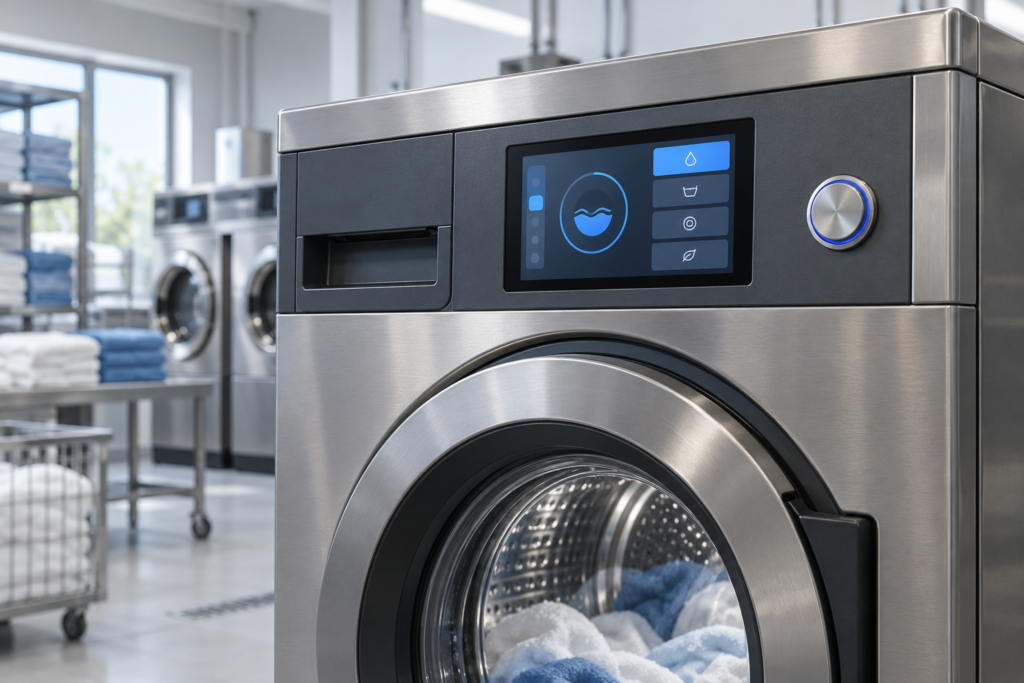
Der Display-Markt wird häufig über Größenordnungen beschrieben: größere Fertigungsanlagen, höhere Auflösungen, niedrigere Stückkosten, größere Produktionskapazitäten und Liefermengen, die über globale Consumer-Elektronik-Kategorien gemessen werden. Diese Perspektive erklärt, wie die Industrie Displays effizient herstellt, offenbart jedoch nicht jede Quelle zukünftigen Werts.
Viele der am besten zugänglichen Nischen-Display-Marktchancen entstehen außerhalb des konventionellen Wettlaufs um den Verkauf eines weiteren standardmäßigen rechteckigen Panels. Sie treten dort auf, wo ein Display in eine ungewöhnliche Produktform passen muss, eine spezialisierte Interaktion unterstützt, als Teil eines eingebetteten Systems fungiert oder einem Gerätehersteller hilft, eine Schnittstelle zu schaffen, die Wettbewerber nicht einfach durch den Kauf desselben Katalogbauteils reproduzieren können.
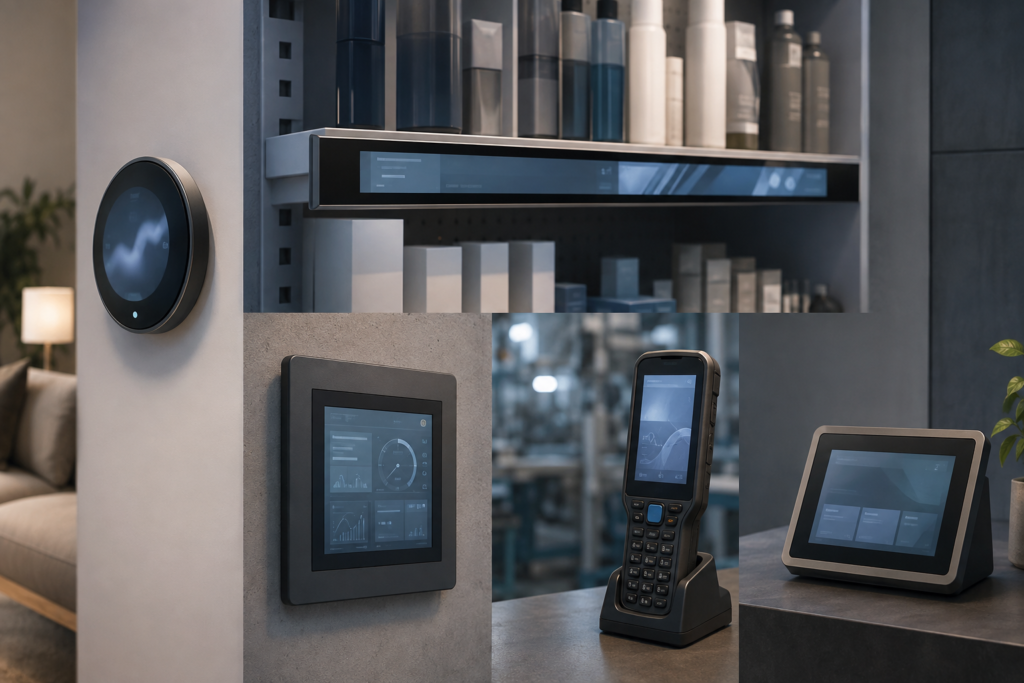
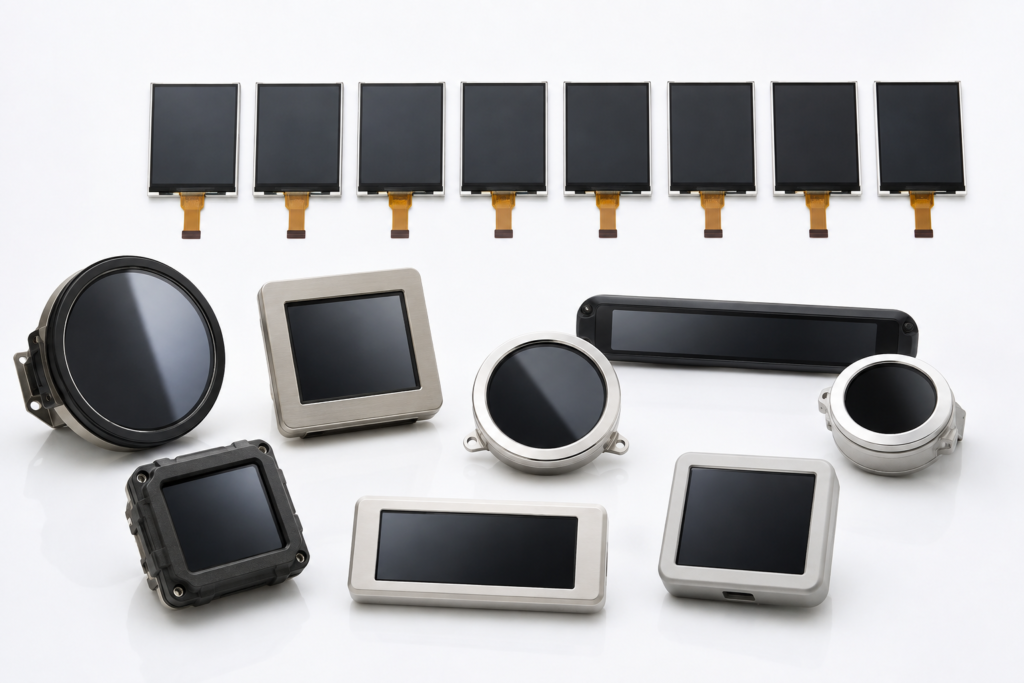
Runde Smart-Home-Bedienelemente, gestreckte Regaldisplays, quadratische Industrieschnittstellen, kompakte Roboter-Gesichter, Handheld-Terminals, Selbstbedienungs-Lebensmittelautomaten, Raumstatus-Panels, Ladetechnik, Sicherheitsgeräte und spezialisierte Steuerungssysteme veranschaulichen alle denselben Wandel: Käufer benötigen zunehmend ein Display, das einer definierten Anwendung dient, anstatt als isolierte Komponente zu existieren.
Dies bedeutet nicht, dass Standard-LCD-Module irrelevant werden. Tatsächlich bleiben sie die Grundlage vieler differenzierter Produkte. Die Chance ergibt sich aus der Auswahl des richtigen vorhandenen Moduls und der Wertschöpfung durch Abdeckglas, Touch, Hintergrundbeleuchtung, FPC, Schnittstelle, Controller-Board, Firmware, Gehäuse und Koordination der Benutzeroberfläche.
Für Geräteentwickler und spezialisierte Display-Lieferanten verändert dies die zentrale Marktfrage. Anstatt zu fragen: “Wie können wir mehr Bildschirme verkaufen?” lautet die nützlichere Frage: “Welche Produktprobleme können durch ein besser integriertes Display gelöst werden?”
Warum das Commodity-Display-Modell zunehmend an Attraktivität verliert
Ein Standard-Display konkurriert über vertraute Variablen: Größe, Auflösung, Helligkeit, Schnittstelle, Verfügbarkeit und Stückpreis. Wenn viele Lieferanten Produkte mit ähnlichen Spezifikationen anbieten können, wird es schwierig, Differenzierung aufrechtzuerhalten.
Beschaffungsteams können Angebote schnell vergleichen. Kunden können zwischen Lieferanten wechseln, wenn die Module austauschbar erscheinen. Der Margendruck steigt, weil der Käufer das Produkt als Komponente betrachtet und nicht als Teil einer einzigartigen technischen Lösung.
Diese Dynamik macht den Standard-Display-Markt nicht unbedeutend. Hochvolumige Standardmodule sind für die Elektronikindustrie unerlässlich. Wenn jedoch ausschließlich über Standardspezifikationen konkurriert wird, geraten kleinere Lieferanten in direkten Wettbewerb mit Organisationen, die möglicherweise über größere Produktionskapazitäten, stärkere Einkaufsmacht, breitere Kataloge oder etabliertere Vertriebsnetze verfügen.
Ein differenzierter Markt funktioniert anders. Der Kunde benötigt möglicherweise ein Display, das:
- In ein unkonventionelles Gehäuse passt
- Der visuellen Identität eines Produkts entspricht
- Mit einer ausgewählten Host-Plattform funktioniert
- Ein bestimmtes Touch-Verhalten unterstützt
- In einer definierten Installation lesbar bleibt
- In eine bestehende mechanische Struktur integriert wird
- Ein Controller- und Firmware-Konfiguration verwendet, die für die Anwendung geeignet ist
- Vor der Produktion bemustert und verfeinert werden kann
In diesem Markt wird Wert durch Passgenauigkeit und Integration geschaffen, nicht allein durch Spezifikation. Der Preis spielt weiterhin eine Rolle, wird jedoch zu einer Variable innerhalb einer breiteren technischen Entscheidung.
Die Display-Industrie bewegt sich von Komponenten hin zu vertikalen Lösungen
Aktuelle Strategien großer Display-Konzerne unterstützen diese breitere Bewegung hin zu Anwendungen und integriertem Wert.
Im Juli 2026 beschrieb AUO drei strategische Geschäftssäulen: Display, Mobility Solutions und Vertical Solutions. Das Geschäftsfeld Vertical Solutions umfasst integrierte Hardware, Software und Dienstleistungen für Einzelhandel, Gesundheitswesen, Bildung, Unternehmen und andere Anwendungsmärkte.1
BOE fördert weiterhin seine Strategie “Empower IoT with Display” und präsentiert Display-Technologie im Kontext von Smart Cockpit, Smart Office, IoT, Gesundheitswesen und anderen systembezogenen Anwendungen.2
LG Display hat differenzierte OLED-Produkte für Automobil, IT, Gaming, Robotik und andere zukünftige Anwendungsmärkte hervorgehoben, anstatt jedes Display als generisches Panel zu behandeln.3
Diese Unternehmen operieren in einer Größenordnung, die weit über der der meisten spezialisierten Lieferanten liegt, doch die strategische Ausrichtung ist aufschlussreich. Das Display selbst ist nicht länger die vollständige Wertquelle. Größerer Wert kann aus der Anwendung, der Interaktion, der Software und der Integration des Displays in ein größeres Produkt oder eine größere Dienstleistung entstehen.
Für kleinere Display-Unternehmen besteht die Chance nicht darin, die Technologieinvestitionen globaler Panel-Hersteller zu duplizieren. Es geht darum, näher am Produktentwicklungsproblem des Kunden zu operieren.
Was einen Display-Markt wirklich differenziert?
Ein Markt ist nicht allein deshalb differenziert, weil der Bildschirm ungewöhnlich aussieht. Ein runde LCDs, in einem quadratischen Gehäuse montiertes Display ohne klaren Grund für die Benutzeroberfläche kann Kosten erhöhen, ohne einen sinnvollen Wert zu schaffen.
1. Eine spezifische Anwendungsbeschränkung
Das Produkt hat eine Anforderung, die Standardformate der Unterhaltungselektronik nicht effizient lösen. Der verfügbare Raum kann schmal, kreisförmig, vertikal ausgerichtet, versenkt, von mehreren Benutzern geteilt oder in einem ungewöhnlichen Betrachtungswinkel positioniert sein.
2. Ein klarer Nutzen für Benutzer oder Käufer
Das Display verbessert die Lesbarkeit, reduziert physische Bedienelemente, vereinfacht einen Arbeitsablauf, unterstützt eine unverwechselbare Produktform oder hilft dem Gerät, den Status effektiver zu kommunizieren.
3. Eine technische Hürde
Die Lösung erfordert Kenntnisse über das Modul, den Touch-Stack, die Hintergrundbeleuchtung, die Schnittstelle, den FPC, die Controller-Platine, die Firmware oder die mechanische Integration. Wettbewerber können dies nicht reproduzieren, indem sie lediglich den ersten Standardbildschirm aus einem Katalog auswählen.
4. Ausreichende wiederkehrende Nachfrage
Die Gelegenheit muss mehr als einen einmaligen Prototyp unterstützen. Eine tragfähige Nische kann kleiner sein als ein Markt der Unterhaltungselektronik, benötigt jedoch dennoch Gerätehersteller, Ersatzbedarf, mehrere Produktplattformen oder wiederkehrende Produktionsprogramme.
Wenn diese vier Elemente gemeinsam auftreten, kann eine Nische stärkere Lieferantenbeziehungen und einen besser verteidigbaren Wert unterstützen als ein spezifikationsgetriebenes Commodity-Produkt.
Chance 1: Runde Displays als Produktarchitektur
Runde Displays gehören zu den deutlichsten Beispielen für Formfaktor-Differenzierung. Sie passen in Produkte, deren physische Bedienelemente, Gehäuse oder visuelle Identität bereits um eine zentrale Achse organisiert sind.
Mögliche Anwendungen umfassen:
- Smart-Home-Thermostate und Umgebungssteuerungen
- Audio-Schnittstellen und Bedienknebel
- Koch- und Gastronomiegeräte
- Schnittstellen kleiner Roboter
- Ladesteuerungen
- Instrumententafeln
- Kompakte Trainingsgeräte
- Marine- und fahrzeugbezogene Zubehör-Displays
Die Gelegenheit ist nicht darauf beschränkt, ein rechteckiges LCD durch ein rundes zu ersetzen. Eine runde Schnittstelle verändert, wie Informationen organisiert werden. Fortschrittsringe, radiale Menüs, zentrale Statusanzeigen, wählerscheibenartige Bedienelemente und kurze Interaktionssequenzen können sich innerhalb eines rundes Display.
Runde Abdeckgläser können ebenfalls Teil des Außendesigns werden und einem Hersteller helfen, eine wiedererkennbare Frontplatte zu schaffen, ohne eine vollständig neue Produktarchitektur um einen großen rechteckigen Bildschirm zu entwickeln.
Kreisrunde Schnittstellen haben jedoch Einschränkungen. Lange Texte, komplexe Menüs, Tabellen und dichte Konfigurationsbildschirme können die verfügbare Fläche ineffizient nutzen. Das Produktteam sollte zunächst entscheiden, ob der Bildschirm eine Statusanzeige, ein einfacher Touchscreen, ein Bedienregler, eine markenorientierte Schnittstelle oder ein vollständiges Navigationssystem ist.
Entwickler sollten außerdem die aktive Fläche, Auflösung, Blickrichtung, Touch-Anforderungen, Abdeckglasstruktur, FPC-Austritt und den Controller-Pfad gemeinsam bewerten. Die Bildschirmform allein bestätigt nicht die Anwendungstauglichkeit.
RJY’s Kategorie rundes Display bietet einen Ausgangspunkt zur Bewertung bestehender runder Modulplattformen.
Chance 2: Balkendisplays für platzbeschränkte Informationen
Balken- und gestreckte Displays lösen ein anderes Anwendungsproblem. Sie ermöglichen es, dass Informationen einen langen, schmalen Raum einnehmen, ohne den Gerätehersteller zu zwingen, eine herkömmliche Platte mit großen ungenutzten Bereichen zu installieren.
Relevante Märkte umfassen:
- Regalrand-Informationen im Einzelhandel
- Gerätekopfzeilen und Statusleisten
- Aufzugs- und Rauminformationen
- Schnittstellen des öffentlichen Nahverkehrs
- Bedienelemente für Haushaltsgeräte
- Rack-montierte Geräte
- Audio- und Studiotechnik
- Kompakte digitale Beschilderung
- Automatisierte Lebensmittel- und Verkaufsautomaten
Die Geschäftsmöglichkeit ergibt sich aus dem Verhältnis zwischen Display-Geometrie und Installation. Ein gut ausgewähltes Balkenanzeige kann die Gehäusehöhe reduzieren, Produktraum erhalten, eine sauberere Schnittstelle schaffen oder Informationen direkt neben dem physischen Objekt platzieren, das es beschreibt.
Der Einzelhandel ist ein sichtbares Beispiel. AUO hat intelligente Regaldisplays und Balkendisplays als Teil intelligenter Einzelhandelssysteme präsentiert, die visuelle Informationen mit Content-Management- und Ladenbetriebsfunktionen verbinden.4
Für kleinere Geräteentwickler kann dasselbe Prinzip angewendet werden, ohne eine vollständige Unternehmens-Einzelhandelsplattform aufzubauen. Ein kompaktes Balken-LCD kann Produktstatus, Anleitungen, wechselnde Beschriftungen, Werbeinhalte, Bedienschritte oder Maschinenfeedback anzeigen.
Das Produktteam sollte definieren, ob der Inhalt hauptsächlich Text, Symbole, Bilder, Animationen oder Videos umfasst. Es sollte außerdem Betrachtungsabstand, Ausrichtung, Auflösung, Schnittstellenbandbreite und die Montageart des Displays berücksichtigen. Ein dramatisches Seitenverhältnis schafft nur dann Wert, wenn Inhalt und Gehäuse darauf ausgelegt sind.
Verfügbare Plattformen können über RJY’s Balken-LCD-Display-Kategorie.
Chance 3: Quadratische Displays für kompaktes HMI-Design
Quadratische Displays nehmen eine nützliche Position zwischen runden und Breitbildformaten ein. Sie können konventionellere Schnittstellenlayouts unterstützen als ein kreisrunder Bildschirm und passen dennoch in Produkte, die nicht genügend Breite für ein Querformat-Display aufweisen.
Mögliche Anwendungen umfassen:
- Smart-Home-Wandpaneele
- Raumcontroller
- Sicherheits- und Zutrittsterminals
- Industrielle Steuerungsknoten
- Kompakte Laborgeräte
- Desktop-Instrumente
- Audio-Controller
- Kleine Serviceroboter
Eine quadratische aktive Fläche kann zentrierte Dashboards, Icon-Raster, Kameravorschauen, Status-Kacheln, kompakte Menüs und symmetrische Frontplatten-Designs unterstützen. Sie kann auch die Mehrdeutigkeit zwischen Hoch- und Querformat vereinfachen, da die Benutzeroberfläche nicht von einem breiten, richtungsabhängigen Layout abhängt.
Wie bei jedem nicht standardmäßigen Formfaktor sollte das quadratische Display aus funktionalen Gründen gewählt werden. Das UI-Team muss Schriftgröße, Touch-Zielgrößen, Informationsdichte und Betrachtungsabstand auf der tatsächlichen aktiven Fläche testen.
Das Gehäuse kann das Display durch das Design des Abdeckglases größer oder anders geformt erscheinen lassen, aber die Benutzeroberfläche bleibt durch die tatsächliche aktive Anzeigefläche begrenzt. Industriedesigner und Software-Teams sollten daher auf Basis der Modulzeichnung arbeiten und nicht nur auf Basis der äußeren Glasabmessung.
Chance 4: Touch und Abdeckglas als Differenzierungsebene
Viele Gerätehersteller benötigen kein einzigartiges LCD-Panel. Sie benötigen eine einzigartige Frontplatten-Erfahrung.
Die Anpassung von Touchscreen und Abdeckglas kann dazu beitragen, ein Standardmodul in eine produktspezifische Schnittstelle zu verwandeln. Abhängig vom ausgewählten Modul und Projektumfang kann das Produktteam Folgendes prüfen:
- Abdeckglas-Kontur und Eckengeometrie
- Bedruckter Rand und abgedeckte Bereiche
- Öffnungen für Sensoren, Tasten, Lautsprecher oder Kameras
- Touch-aktive Fläche
- Auswahl des Touch-Controllers
- Glasdicke und Stack-up-Beschränkungen
- Anforderungen an die Oberflächenbehandlung
- Integration in das Gehäuse
Diese Schicht kann eine starke visuelle Differenzierung erzeugen, da Kunden die Frontplatte sehen und berühren, nicht die interne LCD-Teilenummer.
Sie ermöglicht auch, dass softwaredefinierte Bedienelemente physische Tastenansammlungen ersetzen. Eine Hardware-Plattform kann mehrere Schnittstellenversionen, Sprachen, Kundenmarken oder Arbeitsabläufe über Software unterstützen.
Touch ist jedoch nicht automatisch ein Upgrade. Es bringt Anforderungen an Controller, Firmware, Erdung, Abdeckglas, Verklebung, Umgebungsbedingungen und Validierung mit sich. Ein reines Status-Display kann ohne Touch zuverlässiger und wirtschaftlicher sein.
Die Gelegenheit ist dort am stärksten, wo Touch eine wichtige Benutzeraktion vereinfacht: eine Bestellung bestätigen, eine Einstellung anpassen, Gerätedaten navigieren, einen Alarm quittieren oder ein Produkt konfigurieren.
Behauptungen zu Handschuhbedienung, Wasserverhalten, Beschichtung, Glashärte oder spezifischer Touch-Punkt-Leistung müssen mit der vorgesehenen Baugruppe verifiziert werden. Diese Eigenschaften sollten nicht allein aus dem LCD abgeleitet werden.
Chance 5: Eingebettetes HMI anstelle eigenständiger Displays
Der Display-Markt expandiert, wenn ein Bildschirm zur Schnittstelle für einen Dienst, eine Maschine, einen Sensor oder einen automatisierten Prozess wird.
Ein eingebettetes HMI kann kombinieren:
- Ein TFT-LCD-Modul
- Einen Touchscreen
- Einen Controller oder eingebetteten Prozessor
- Lokale Firmware oder ein Betriebssystem
- Netzwerkkonnektivität
- Physische Ein- und Ausgänge
- Anwendungssoftware
- Ein produktspezifisches Gehäuse
Dies schafft Möglichkeiten in Gerätekategorien, die zuvor Kontrollleuchten, mechanische Tasten, bedruckte Etiketten oder sehr einfache Segmentanzeigen verwendeten.
Ein grafisches HMI kann Anweisungen, Betriebszustände, geführte Wartung, Sprachoptionen, konfigurierbare Bedienelemente, dynamisches Branding und kontextbezogene Warnungen darstellen. Der Hersteller kann den Arbeitsablauf aktualisieren, ohne das gesamte Äußere neu zu gestalten.
Der kommerzielle Wert geht daher über das LCD hinaus. Er umfasst reduzierte Schnittstellenkomplexität, größere Softwareflexibilität, einfachere Produktvarianten und eine verständlichere Kundenerfahrung.
Diese Richtung ist in der gesamten Branche sichtbar. AUO beschreibt vertikale Lösungen, die Hardware, Software und Dienstleistungen über Einzelhandel, Gesundheitswesen, Bildung und Unternehmensanwendungen integrieren.1 Die Chance für einen spezialisierten Lieferanten besteht darin, ähnliche Integrationslogik in kleinerem Maßstab für einzelne Gerätehersteller anzuwenden.
Chance 6: Controller-Boards zur Verkürzung der Integrationslücke
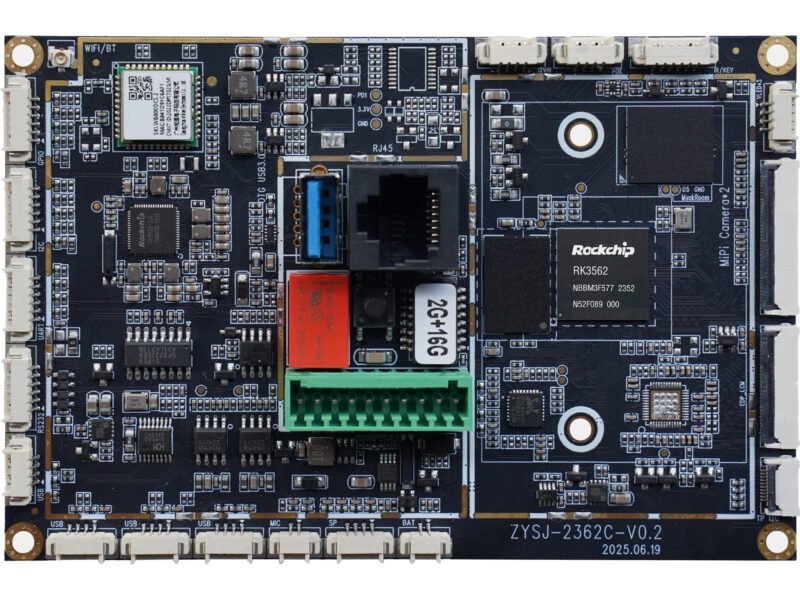
Ein geeignetes LCD schafft keinen Wert, wenn der Kunde es nicht von der gewählten Host-Plattform aus ansteuern kann. Die Unterstützung durch Controller-Boards kann daher zu einem wesentlichen Differenzierungsmerkmal werden.
Geräteentwickler können ein Display-Projekt mit HDMI, LVDS, MIPI, eDP, RGB, VGA, USB oder einer anderen Systemanforderung angehen. Diese Schnittstellennamen garantieren nicht, dass zwei Komponenten kompatibel sind.
Eine ordnungsgemäße Prüfung kann erfordern:
- LCD-Panel-Modell
- Auflösung und Timing
- Display-Schnittstelle und Lane-Konfiguration
- Pin-Definition oder Datenblatt
- Treiber-IC-Informationen, sofern verfügbar
- Anforderungen an Hintergrundbeleuchtungsspannung und -strom
- Touch-Schnittstelle
- Erforderlicher Host-Eingang
- Firmware und Betriebssystem
- Anforderungen an Boot, Rotation, Schlafmodus und Anzeigeverhalten
- Betriebsumgebung
Ein Lieferant, der diese Abhängigkeiten bewerten kann, kann dem Kunden helfen, den Bau eines unnötigen Mainboards oder die Kombination mehrerer Adapter zu vermeiden. Es kann auch ermöglichen, dass ein Display, das ursprünglich für eine eingebettete Schnittstelle vorgesehen war, in einer breiteren Systemarchitektur verwendet wird.
Die Marktchance liegt nicht in einem “universellen LCD-Controller”. Eine solche Produktbehauptung würde Panel-Timing, Initialisierung, Hintergrundbeleuchtung, Firmware und elektrische Unterschiede ignorieren. Die Chance liegt in projektspezifischer Anpassung und in der klaren Definition der unterstützten Konfiguration.
Für Käufer, die ein Controller-Projekt vorbereiten, erläutert RJY die Informationen, die benötigt werden, bevor die Kompatibilität bestätigt werden kann. Leitfaden zur Abstimmung von TFT-LCD und Android-Controller-Platine (Dieser Punkt entfällt, da er in Punkt 1 integriert wurde – bitte um Klarstellung, falls separat gewünscht.).
Chance 7: Smart Retail jenseits der großen Digital Signage
Investitionen in den Einzelhandelsdisplay sind oft mit großen wandmontierten Beschilderungen verbunden. Eine breitere Möglichkeit besteht auf Regal-, Produkt-, Tresen-, Umkleide-, Service- und Kassierebene.
Kompakte Displays können unterstützen:
- Regalkanten-Produktinformationen
- Geführte Produktauswahl
- Tresen-Demonstrationen
- Warteschlangen- und Servicestatus
- Wechselnde Werbeinhalte
- Abhol- und Sammelanweisungen
- Verfügbarkeit von Räumen oder Umkleidebereichen
- Geräteintegrierte Werbung
AUOs Smart-Retail-Strategie kombiniert Displays mit AIoT- und Cloud-Management-Systemen, während seine Einzelhandelslösungen elektronische Regaletiketten, intelligente Beschilderungen und andere vernetzte Werkzeuge umfassen.5
Kleinere Marken müssen nicht die gesamte Architektur duplizieren, um teilzunehmen. Sie können spezialisierte Terminals, Regaldisplays, Beauty-Geräteschnittstellen, Restaurantausstattung, Produktdemonstratoren oder Servicemaschinen entwickeln, die sich mit den bestehenden Systemen eines Einzelhändlers verbinden.

Die stärksten Produkte lösen ein betriebliches Problem zusätzlich zur Anzeige von Inhalten. Ein Regalbildschirm kann den Wechsel von gedrucktem Material reduzieren. Ein Tresenterminal kann Kunden durch ein komplexes Produktsortiment führen. Ein Abholdisplay kann die Unsicherheit über den Bestellstatus verringern.
Diese Unterscheidung trennt ein nützliches Einzelhandelssystem von einem Bildschirm, der nur installiert wird, weil digitale Beschilderung modern erscheint.
Chance 8: Smart-Home-Schnittstellen, die über den Tablet-Look hinausgehen
Frühe Smart-Home-Panels ähnelten oft kleinen Tablets, die an einer Wand montiert waren. Diese Form bleibt nützlich, aber es entsteht eine breitere Palette von Produktidentitäten.
Ein Klimaregler kann ein rundes Display verwenden. Ein Sicherheitspanel kann einen quadratischen Touchscreen verwenden. Ein Gerät kann eine schmale Balkenschnittstelle verwenden. Ein Lichtregler kann ein kompaktes Display mit einem physischen Drehregler kombinieren. Ein Raumstatusgerät kann ein kleines Nicht-Touch-Display verwenden, dessen Informationen sich je nach Sensordaten ändern.
Die Marktchance liegt darin, die Schnittstelle um die Funktion herum zu gestalten, anstatt jedes Gerät in dasselbe Breitbildformat zu zwingen.
Smart-Home-Entwickler müssen das Erscheinungsbild mit technischen Einschränkungen in Einklang bringen:
- Wandbox- und Gehäusetiefe
- Wärme vom Host-Prozessor und der Stromversorgung
- Betrachtungswinkel aus verschiedenen Höhen
- Größe der Touch-Ziele
- Verhalten im Ruhezustand
- Netzwerk- und Softwarearchitektur
- Physische Bedienelemente, die bei Systemausfall benötigt werden
- Langfristige Modul- und Firmware-Planung
Abdeckglas- und Schnittstellendesign können es ermöglichen, dass eine bestehende LCD-Plattform mehrere Markenpanels unterstützt. Dies ist besonders relevant für Unternehmen, die Differenzierung benötigen, aber keine vollständige Neuentwicklung eines Panels rechtfertigen können.
Chance 9: Roboter und automatisierte Anlagen benötigen ausdrucksstarke, aber praktische Bildschirme
Serviceroboter, Begleitgeräte, automatisierte Lebensmittelmaschinen, Übersetzungsgeräte und andere intelligente Ausrüstungen schaffen neue Display-Rollen.
Der Bildschirm kann fungieren als:
- Ein Statusindikator
- Eine einfache “Gesichts”- oder Persönlichkeitsfläche
- Eine Einrichtungsschnittstelle
- Ein Kundenbestellterminal
- Ein Fortschrittsdisplay
- Ein Wartungswerkzeug
- Ein mehrsprachiges Anweisungspanel
Diese Rollen schaffen Möglichkeiten für runde, Balken-, quadratische, kompakte Hochformat- und ungewöhnlich proportionierte Displays. Ein Roboter benötigt nicht immer einen großen konventionellen Bildschirm. Er benötigt möglicherweise ein Display, das zwischen Sensoren, Lautsprechern, Kameras, beweglichen Gelenken und Batterie- oder Rechensystemen passt.
Die wichtige Designentscheidung ist die Aufgabe des Bildschirms. Ein Robotergesicht, das einfache Ausdrücke anzeigt, hat andere Anforderungen an Auflösung, Touch und Software als ein Serviceroboter, der Menüs präsentiert und Kundeneingaben akzeptiert.
Die Displayauswahl sollte daher dem Interaktionskonzept folgen. Produktteams sollten definieren, ob der Bildschirm aus nächster Nähe, aus der Ferne im Raum, von einer Person, von mehreren Personen oder während das Gerät in Bewegung ist, betrachtet werden muss.
Die aufkommende Chance basiert nicht auf der Annahme eines explosionsartigen Wachstums für jede Roboter-Kategorie. Sie ergibt sich aus der zunehmenden Vielfalt physischer Produkte, die eine für Menschen lesbare Schnittstelle zwischen Automatisierung und Benutzer benötigen.
Chance 10: Industrielle Nischen, die für Consumer-Plattformen zu klein sind
Industrielle und professionelle Ausrüstung enthält viele Display-Möglichkeiten, die einzeln bescheiden, aber gemeinsam vielfältig sind.
Beispiele hierfür sind:
- Tragbare Testausrüstung
- Prozesssteuerungsterminals
- Laborinstrumente
- Zugangs- und Sicherheitsgeräte
- Energiemanagementsysteme
- Ladegeräte
- Gebäudesteuerungsschnittstellen
- Spezialisierte Audio- und Rundfunkwerkzeuge
- Wartungs- und Diagnoseterminals
Diese Märkte können kompakte Abmessungen, ungewöhnliche Montage, klare Statuskommunikation, lange Produktzyklen oder die Integration in bestehende Prozessoren erfordern. Sie erzeugen möglicherweise nicht das Volumen von Smartphones, dennoch kann das Display für den Betrieb des Geräts unerlässlich bleiben.
Die Chance für einen spezialisierten Anbieter liegt in der Portfoliobreite kombiniert mit ingenieurtechnischer Disziplin. Eine breite Palette vorhandener Module kann helfen, die mechanischen und elektrischen Anforderungen vieler kleinerer Programme zu erfüllen.
Industrielle Nutzung sollte nicht als allgemeine Leistungsaussage behandelt werden. Betriebstemperatur, Helligkeit, Display-Lebensdauer, Vibration, elektromagnetische Anforderungen, Zertifizierungen und Erwartungen an den Dauerbetrieb müssen für das ausgewählte Produkt und die Anwendung bestätigt werden.
Die Präsenz eines Moduls in industrieller Ausrüstung macht nicht automatisch jede Version “industrietauglich”. Die technische Spezifikation und der Validierungsplan müssen diese Schlussfolgerung stützen.
Wo sich die echte Marge bewegt: Von Pixeln zur Problemlösung
Bei einem Standardgeschäft wird der Lieferant für den Bildschirm bezahlt. Bei einem differenzierten Projekt kann der Lieferant auf mehreren Ebenen Wert schaffen.
| Wertschöpfungsebene | Kundenproblem | Möglicher Beitrag des Lieferanten |
|---|---|---|
| Formfaktor | Ein herkömmlicher Bildschirm passt nicht zum Produkt | Auswahl runder, quadratischer, balkenförmiger, hochformatiger oder kompakter Module |
| Visuelle Identität | Das Gerät wirkt generisch | Abstimmung von Deckglas und Frontblende |
| Interaktion | Physische Bedienelemente sind überfüllt oder unflexibel | Integration von Touchscreen und HMI |
| Sichtbarkeit | Das Display ist in der Installationsumgebung unklar | Überprüfung von Hintergrundbeleuchtung und optischen Anforderungen |
| Elektrische Eignung | Der Host kann das Panel nicht direkt ansteuern | Bewertung von Schnittstelle und Controller-Board |
| Mechanische Passung | FPC, Steckverbinder, Rahmen oder Gehäuse interferieren | Displaybezogene mechanische Abstimmung |
| Systemverhalten | Initialisierung oder Displayverhalten entspricht nicht dem Produkt | Projektspezifische Firmware-Abstimmung |
| Entwicklungsrisiko | Das Team ist unsicher, welche Konfiguration funktionieren wird | Muster, Dokumentation und Konfigurationsüberprüfung |
Dieser Übergang beseitigt den Preiswettbewerb nicht. Er macht direkte Preisvergleiche weniger vollständig, da der Kunde zusätzlich zum Modul selbst Risikominderung und Produkteignung bewertet.
Wie man eine echte Chance von teurer Neuheit unterscheidet
Differenzierung kann zur Falle werden, wenn ein Produktteam mit einer visuell dramatischen Komponente beginnt und nach einem Problem sucht, das sie lösen könnte.
Eine nützliche Chance sollte fünf Tests bestehen.
Verbessert sie einen realen Arbeitsablauf?
Das Display sollte Informationen verständlicher machen, Schritte reduzieren, die Interaktion verbessern oder die Ausrüstung effektiver ergänzen.
Wird der Kunde den Unterschied bemerken?
Ein kundenspezifisches Merkmal, das für den Benutzer unsichtbar ist und keinen operativen Nutzen bietet, unterstützt möglicherweise keinen höheren Produktwert.
Kann das System wiederholt gefertigt werden?
Ein visuell erfolgreicher Prototyp reicht nicht aus. Das Modul, die Touch-Baugruppe, der Controller, die Kabel, die Firmware und das Gehäuse müssen eine kontrollierbare Produktionskonfiguration bilden.
Unterstützt das Volumen die Ingenieursarbeit?
Geringes Volumen kann tragfähig sein, aber Entwicklung, Werkzeuge, Materialien und Kommunikation benötigen dennoch eine wirtschaftliche Grundlage.
Kann die Idee auf einer bestehenden Display-Plattform aufgebaut werden?
Wenn ein vorhandenes Modul die meisten Anforderungen erfüllt, kann eine Anpassung um dieses herum einen schnelleren und kontrollierbareren Weg bieten als die Entwicklung eines neuen Panels.
Projekte, die diese Tests nicht bestehen, können dennoch interessante Experimente sein. Sie sollten nicht automatisch als Marktchancen behandelt werden.
Warum bestehende Module die Grundlage vieler neuer Nischen bilden
Ein differenziertes Produkt erfordert nicht, dass jede Komponente einzigartig ist. Die praktischste Strategie ist oft die plattformbasierte Differenzierung.
Der Entwickler wählt ein vorhandenes LCD mit geeigneten Kerneigenschaften und passt dann die Ebenen an, die die Anwendungseignung bestimmen. Je nach Projektmachbarkeit können diese umfassen:
- Deckglasgröße und Erscheinungsbild
- Touchscreen-Konfiguration
- Anforderungen an die Hintergrundbeleuchtung
- FPC-Richtung und Steckverbinderanordnung
- Display-Schnittstelle
- Controller-Platine
- Firmware
- Displaybezogene mechanische Struktur
Dieses Modell bietet eine Balance zwischen Standardisierung und Differenzierung. Das vorhandene Modul stellt eine definierte optische und elektrische Grundlage bereit. Die umgebenden Schichten passen diese Grundlage an das Produkt an.
Es fördert außerdem eine bessere Nutzung der Entwicklungsbudgets. Anstatt stark in eine neue Panel-Geometrie zu investieren, die Kunden möglicherweise nie wahrnehmen, kann sich der Hersteller auf die Benutzeroberfläche, das Gehäuse, die Software und den Workflow konzentrieren.
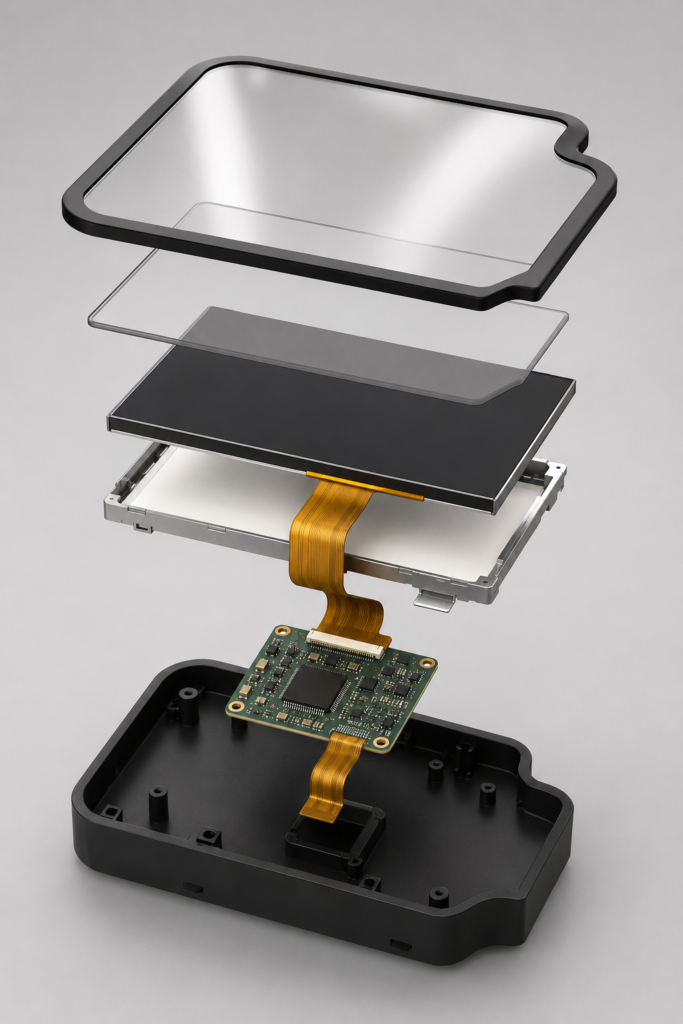
Es gibt Grenzen. Wenn kein vorhandenes Modul ausreichend nahe an der erforderlichen Größe, Auflösung, Schnittstelle oder optischen Leistung liegt, muss möglicherweise die Produktarchitektur geändert werden. Die Entwicklung einer völlig neuen LCD-Größe erfordert eine separate Machbarkeits-, Volumen-, Kosten- und Zeitplananalyse und sollte nicht als routinemäßige Anpassungsdienstleistung angenommen werden.
Von einem kundenspezifischen Projekt zu einer wiederholbaren Marktplattform
Die stärkste Nischenchance ist nicht unbedingt ein hochgradig kundenspezifischer Kundenauftrag. Es ist eine wiederholbare Plattform, die mehrere verwandte Produkte oder Käufer bedienen kann.
Beispielsweise kann ein Lieferant Erfahrung aufbauen in:
- Runde Touch-Schnittstellen für Smart-Home-Steuerungen
- Balkendisplays für Einzelhandelsregale und Gerätekopfzeilen
- Quadratische LCD-Baugruppen für kompakte Wandpaneele
- Kleine Android-Displaysysteme für Service-Terminals
- Deckglas- und Touch-Baugruppen für öffentliche Geräte
- Controller-Board-Pfade für ausgewählte hochauflösende MIPI-Panels
Jedes neue Projekt kann einen Teil des Engineering-Wissens, des Beschaffungsnetzwerks, der Validierungsmethode, der Dokumentation oder der Firmware-Grundlage wiederverwenden, die durch frühere Projekte aufgebaut wurden.
So wird eine Nische skalierbar, ohne zur Massenware zu werden. Der Lieferant standardisiert interne Fähigkeiten, während das kundenorientierte Produkt differenziert bleiben kann.
Dieselbe Logik kommt Geräteherstellern zugute. Eine LCD-und-Controller-Plattform kann mehrere Modelle durch unterschiedliche Deckglas-, Software-, Gehäuse- oder Peripheriekonfigurationen unterstützen. Dies reduziert doppelte Engineering-Arbeit und vereinfacht Ersatzteile.
Markteintrittsstrategie für Geräteentwickler
Ein Unternehmen, das in einen differenzierten Displaymarkt eintritt, sollte mit dem Benutzerproblem beginnen und nicht mit dem Displaykatalog.
Schritt 1: Die Anwendungsbeschränkung definieren
Den verfügbaren Raum, die Betrachtungsentfernung, die Umgebung, die Rolle der Schnittstelle und den physischen Workflow dokumentieren.
Schritt 2: Wesentliche und optionale Anforderungen trennen
Die Größe kann festgelegt sein, während die Auflösung flexibel ist. Touch kann wesentlich sein, während die genaue Deckglasgeometrie verhandelbar ist. Diese Unterscheidung macht die Modulauswahl effizienter.
Schritt 3: Nach einer vorhandenen Plattform suchen
Aktive Fläche, Umriss, Auflösung, Schnittstelle, Helligkeit, Betrachtungsrichtung, FPC, Touch-Optionen und Controller-Pfad vergleichen.
Schritt 4: Die vollständige Interaktion prototypisieren
Repräsentative Inhalte, Schriftarten, Touch-Ziele, Betrachtungswinkel, Gehäuse, Kabel, thermische Bedingungen und erwartetes Benutzerverhalten testen.
Schritt 5: Das kommerzielle Modell validieren
Musterkosten, Entwicklungskosten, Werkzeugkosten, MOQ, Produktionsbedarf, Softwareaufwand und erwarteten Verkaufswert schätzen.
Schritt 6: Die Konfiguration einfrieren
Display, Touch, Deckglas, Controller, Firmware, Kabel und mechanische Referenzen vor der Massenproduktion freigeben.
Dieser Prozess hilft zu verhindern, dass ein attraktives Displaykonzept zu einer unkontrollierten Sammlung kundenspezifischer Komponenten wird.
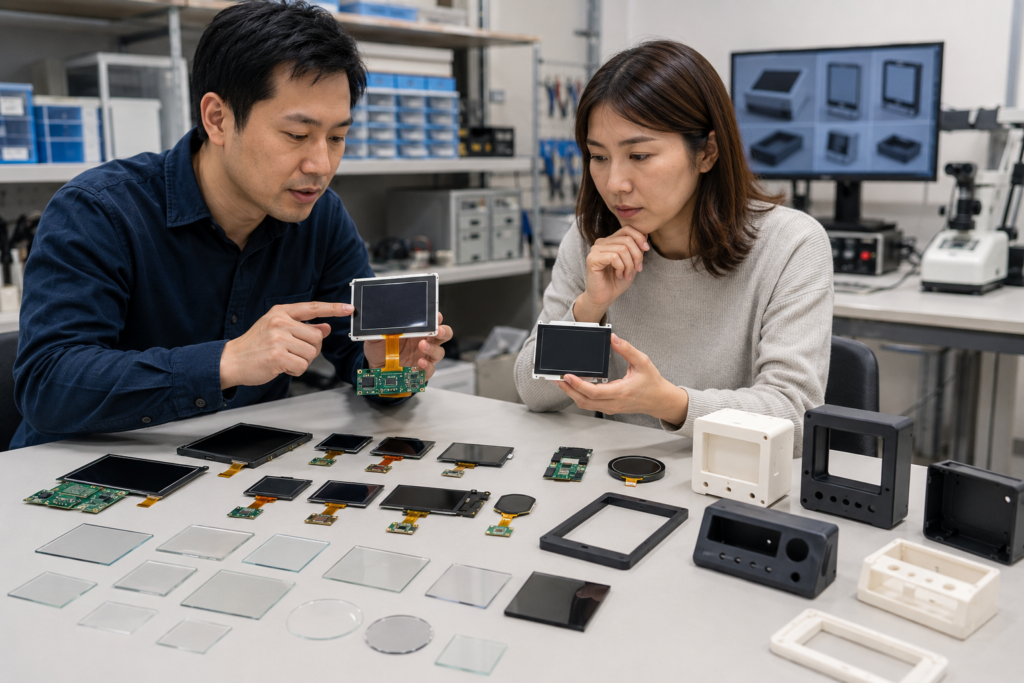
Wie RJY Display differenzierte Display-Projekte unterstützt
RJY Display positioniert sich als engineering-support-orientierter Lieferant von TFT-LCD-Produkten, Controller-Boards und kundenspezifische Display- Lösungen für F&E-Teams, Startups und Gerätehersteller.
RJYs praktischster Anpassungspfad beginnt mit vorhandenen Displaymodulen. Je nach ausgewähltem Produkt und Projektanforderungen kann die Prüfung umfassen:
- Auswahl runder, quadratischer, Balken-, Hochformat- und Standard-TFT-LCDs
- Helligkeits- und Hintergrundbeleuchtungsanpassung
- Touchscreen- und Deckglasanpassung
- FPC- und Schnittstellenanpassung
- Controller-Board-Auswahl oder -Anpassung
- Firmware-Koordination
- Displaybezogene Gehäuse- und Mechanikkoordination
Anpassungsprojekte beginnen typischerweise bei einer MOQ von etwa 500 Einheiten, abhängig vom Produkt, den Materialien, dem Entwicklungsumfang und den erwarteten Produktionsanforderungen. Dies sollte nach der Definition der Displaykonfiguration bestätigt werden.
RJY behandelt Anpassung nicht als uneingeschränktes Versprechen, jede neue LCD-Größe zu entwickeln. Wo möglich, sollte der Engineering-Prozess eine vorhandene Modulplattform identifizieren und bestimmen, welche umgebenden Elemente geändert werden müssen.
Die Controller-Board-Kompatibilität ist ebenfalls projektspezifisch. Sie sollte anhand des tatsächlichen Panel-Modells, der Auflösung, der Schnittstelle, der Pin-Definition, der Hintergrundbeleuchtung, des Touch-Pfads, des Host-Eingangs, der Firmware- oder Betriebssystemanforderungen und der Anwendungsumgebung geprüft werden.
Informationen, die zur Bewertung einer Nischen-Display-Chance erforderlich sind
Unternehmen, die ein differenziertes Displayprojekt vorbereiten, sollten bereitstellen:
- Zielprodukt und Anwendungsmarkt
- Das Benutzerproblem, das das Display lösen muss
- Bevorzugte Displayform und aktive Fläche
- Gehäusezeichnung oder verfügbarer Innenraum
- Erforderliche Inhalte und Ausrichtung der Schnittstelle
- Erwartungen an Auflösung und Betrachtungsentfernung
- Anforderungen an Helligkeit und Betriebsumgebung
- Touchscreen- und Abdeckglas-Anforderungen
- Host-Prozessor und Display-Schnittstelle
- Anforderungen an Controllerboard, Firmware und Betriebssystem
- FPC-Richtung und Anschlussbeschränkungen
- Musterstückzahl und Prototypen-Zeitplan
- Geschätzter Jahresbedarf und Ziel-MOQ
Ein detailliertes Briefing ermöglicht es dem Lieferanten, zwischen einer Standardmodul-Chance, einem praktischen Anpassungsprojekt und einem Konzept zu unterscheiden, das ein wesentlich anderes Entwicklungsmodell erfordern würde.
Fazit: Die nächste Chance ist nicht nur ein besserer Bildschirm
Die nächsten Chancen im Displaymarkt werden nicht nur daraus entstehen, Standardbildschirme größer, schärfer oder günstiger zu machen. Viele werden daraus entstehen, das richtige Display in ein eng definiertes Produkt zu integrieren und die vollständige Interaktion funktionsfähig zu machen.
Runde, quadratische und Balkendisplays eröffnen neue mechanische und visuelle Formate. Touch- und Deckglas schaffen Differenzierung an der Frontblende. Controller-Boards und Firmware verbinden spezialisierte Panels mit nutzbaren Systemen. Embedded-HMI-Design macht das Display zu einem Teil einer Maschine, eines Service oder eines Workflows.
Die kommerzielle Chance liegt darin, diese Ebenen rund um einen verifizierten Kundenbedarf zu kombinieren.
Für Gerätehersteller bietet dies einen Weg zur Differenzierung, ohne anzunehmen, dass jedes Produkt ein vollständig neues LCD-Panel erfordert. Für spezialisierte Display-Lieferanten schafft es Wert über Commodity-Angebote hinaus. Für Nutzer entstehen Schnittstellen, die für das Produkt entworfen wirken und nicht nachträglich hinzugefügt wurden, nachdem das Produkt bereits definiert war.
Die Unternehmen, die am wahrscheinlichsten profitieren werden, sind jene, die ein wiederholbares Anwendungsproblem identifizieren, eine geeignete bestehende Display-Plattform auswählen, die umgebende Hardware und Software integrieren und die vollständige Konfiguration validieren können, bevor sie skalieren.
Wenn Sie eine runde Schnittstelle entwickeln, Balkenanzeige Produkt, kompaktes HMI, Smart-Retail-Gerät, Embedded-Terminal oder eine andere anwendungsspezifische Anzeige, erkunden Sie RJY kundenspezifische Display- Integration? oder kontaktieren Sie RJY Display mit Ihren Anforderungen an Display, Touch, Controller-Board, Firmware und Mechanik.
Häufig gestellte Fragen
Was ist ein Nischen-Displaymarkt?
Ein Nischen-Displaymarkt bedient eine definierte Anwendung, deren mechanische, schnittstellenbezogene, interaktionsbezogene, umgebungsbezogene oder volumenbezogene Anforderungen durch gängige Consumer-Display-Formate nicht vollständig abgedeckt werden. Beispiele umfassen runde Bedienelemente, gestreckte Regaldisplays, quadratische HMIs, kompakte industrielle Terminals und geräteintegrierte Bildschirme.
Erfordern differenzierte Produkte ein vollständig kundenspezifisches LCD-Panel?
Nein. Viele differenzierte Produkte verwenden ein bestehendes TFT-LCD-Modul und passen das Deckglas, das Touchpanel, die Hintergrundbeleuchtung, das FPC, die Schnittstelle, das Controller-Board, die Firmware, das Gehäuse oder die Benutzeroberfläche darum herum an. Die Entwicklung neuer Panels ist ein separates, anspruchsvolleres Projekt.
Welche Display-Formen bieten Chancen jenseits standardmäßiger rechteckiger Bildschirme?
Runde Displays können radiale Steuerungen und produktzentrierte Schnittstellen unterstützen. Balkendisplays passen in schmale Informationsbereiche und Regalkantenanwendungen. Quadratische Displays eignen sich für kompakte Dashboards und symmetrische HMI-Designs. Die richtige Form hängt von Inhalt, Gehäuse und Nutzer-Workflow ab.
Wie kann ein Unternehmen überprüfen, ob eine Display-Nische kommerziell tragfähig ist?
Das Unternehmen sollte bestätigen, dass das Display ein reales Workflow- oder Integrationsproblem löst, einen von Kunden erkannten Nutzen schafft, wiederholbar gefertigt werden kann, ausreichende Nachfrage unterstützt und zu Kosten gebaut werden kann, die für das Endprodukt angemessen sind.
Kann RJY ein universelles Controller-Board für jedes TFT-LCD bereitstellen?
Nein. Die Kompatibilität des Controller-Boards hängt vom Panel-Modell, der Auflösung, der Schnittstelle, der Pin-Definition, dem Timing, der Hintergrundbeleuchtung, dem Touch-Pfad, der Firmware, dem Betriebssystem, dem Host-Eingang und der Umgebung ab. Die tatsächliche Konfiguration muss überprüft werden, bevor die Kompatibilität bestätigt wird.
Was ist die typische Anpassungs-MOQ von RJY Display?
Anpassungsprojekte beginnen typischerweise bei einer MOQ von etwa 500 Einheiten, abhängig vom Display-Modul, den Materialien, dem Entwicklungsumfang und den Projektanforderungen. Die endgültige MOQ sollte bestätigt werden, nachdem die vorgeschlagene Konfiguration definiert wurde.
Referenzen
- AUO Corporation: Organisatorische Neuausrichtung über Display, Mobility Solutions und Vertical Solutions
- BOE Technology Group: Display- und IoT-Anwendungstechnologien auf der CES 2025 präsentiert
- LG Display: Differenzierte OLED-Anwendungen für das KI-Zeitalter
- AUO Corporation: Balkendisplays und intelligente Regaldisplays für den Smart Retail
- AUO Display Plus: Integrierte Smart-Retail-Lösungen