ディスプレイ市場はしばしば規模によって語られる:より大規模な製造工場、より高い解像度、より低いユニットコスト、より大きな生産能力、そしてグローバルな民生電子機器カテゴリー全体で測定される出荷数量。この視点は業界がディスプレイを効率的に製造する方法を説明するが、将来の価値のすべての源泉を明らかにするものではない。.
最もアクセスしやすい ニッチディスプレイ市場の機会の多くは 従来の標準的な長方形パネルを販売する競争の外側で生まれている。これらは、ディスプレイが特殊な製品形状に適合し、専門的なインタラクションをサポートし、組み込みシステムの一部として動作し、または機器メーカーが同じカタログ部品を購入するだけでは競合他社が再現できないインターフェースを創出するのに役立つ場面に現れる。.
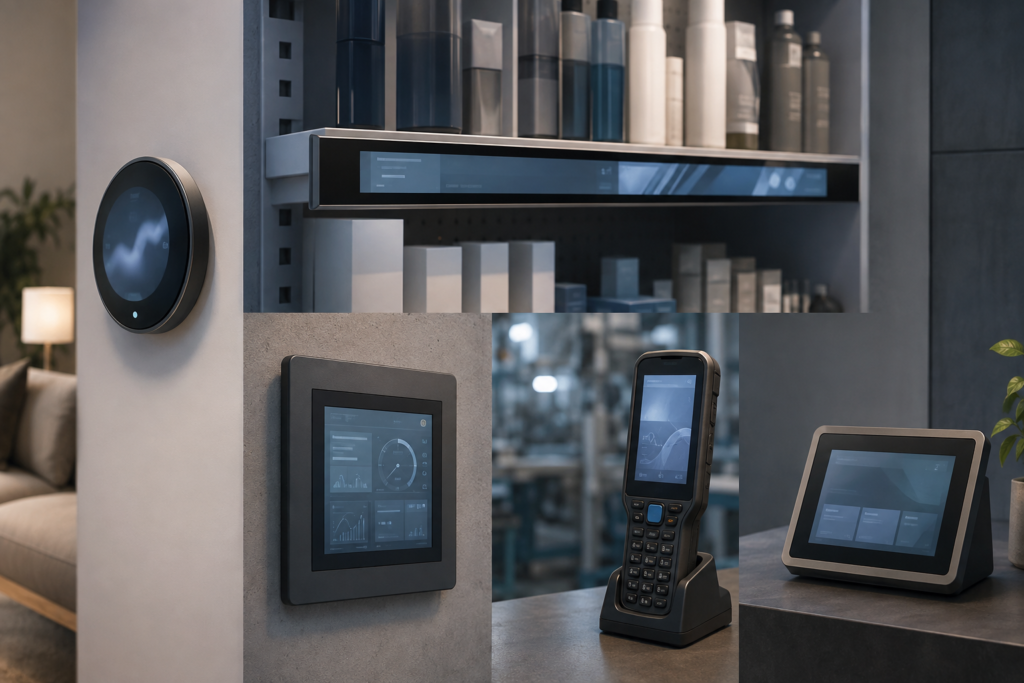
円形のスマートホームコントロール、細長い棚用ディスプレイ、正方形の産業用インターフェース、コンパクトなロボット用フェイス、ハンドヘルド端末、セルフサービス食品機器、部屋ステータスパネル、充電機器、セキュリティ機器、および専門制御システムはすべて同じ変化を示している:購入者はますます、ディスプレイが孤立したコンポーネントとして存在するのではなく、明確に定義されたアプリケーションに役立つことを求めている。.
これは標準LCDモジュールが無関係になりつつあることを意味するものではない。実際、それらは多くの差別化製品の基盤であり続けている。機会は、適切な既存モジュールを選択し、カバーガラス、タッチ、バックライト、FPC、インターフェース、コントローラーボード、ファームウェア、筐体、およびユーザーインターフェースの調整を通じて価値を付加することから生まれる。.
機器開発者と専門ディスプレイサプライヤーにとって、これは中心的な市場の問いを変える。「どうすればより多くの画面を販売できるか」と問う代わりに、より有用な問いは「より良く統合されたディスプレイによって解決できる製品上の問題は何か」となる。“
コモディティ型ディスプレイモデルが魅力を失いつつある理由
標準ディスプレイは、サイズ、解像度、輝度、インターフェース、入手可能性、単価といった馴染みのある変数で競争する。多くのサプライヤーが同様の仕様の製品を提供できる場合、差別化を維持することは困難になる。.
調達チームは見積もりを迅速に比較できる。モジュールが交換可能に見える場合、顧客はサプライヤー間を移動できる。購入者が製品を独自の技術ソリューションの一部ではなくコンポーネントとして見るため、マージン圧力が増大する。.
この力学は標準ディスプレイ市場を重要でなくするものではない。大量生産の標準モジュールはエレクトロニクス産業にとって不可欠である。しかし、標準仕様のみで競争することは、小規模サプライヤーを、より大きな生産規模、より強い購買力、より広範なカタログ、またはより確立された流通ネットワークを持つ組織との直接競争に置くことになる。.
差別化された市場は異なる形で機能する。顧客は以下のようなディスプレイを必要とする場合がある:
- 型にはまらない筐体に適合する
- 製品の視覚的アイデンティティに一致する
- 選択したホストプラットフォームと連携する
- 特定のタッチ動作をサポートする
- 定義された設置環境で読み取り可能である
- 既存の機械的構造に統合される
- アプリケーションに適したコントローラーとファームウェア構成を使用する
- 量産前にサンプリングと改良が可能である
この市場では、価値は仕様のみではなく適合性と統合によって創出される。価格も依然として重要だが、より広範なエンジニアリング上の意思決定における一変数となる。.
ディスプレイ業界はコンポーネントから垂直統合ソリューションへ移行している
大手ディスプレイグループの最近の戦略は、アプリケーションと統合的価値へのこのより広範な動きを支持している。.
2026年7月、AUOはディスプレイ、モビリティソリューション、垂直統合ソリューションの3つの戦略的柱を発表した。垂直統合ソリューション事業は、小売、ヘルスケア、教育、エンタープライズ、その他のアプリケーション市場にわたる統合ハードウェア、ソフトウェア、サービスを対象としている。.1
BOEは「ディスプレイでIoTを強化する」戦略を引き続き推進し、スマートコックピット、スマートオフィス、IoT、ヘルスケア、その他のシステムレベルの文脈の中でディスプレイ技術を提示している。.2
LGディスプレイは、すべてのディスプレイを汎用パネルとして扱うのではなく、自動車、IT、ゲーミング、ロボティクス、その他の将来のアプリケーション市場にわたる差別化されたOLED製品を重視している。.3
これらの企業はほとんどの専門サプライヤーをはるかに超える規模で事業を展開しているが、戦略的方向性は示唆に富む。ディスプレイ自体はもはや価値の完全な源泉ではない。より大きな価値は、アプリケーション、インタラクション、ソフトウェア、およびディスプレイとより大きな製品またはサービスとの統合から生まれ得る。.
小規模ディスプレイ企業にとって、機会はグローバルパネルメーカーの技術投資を複製することではない。顧客の製品開発上の問題に近い位置で活動することである。.
ディスプレイ市場を真に差別化する要素とは何か
市場は単に画面が珍しい外観を持つという理由だけで差別化されるわけではない。明確なユーザーインターフェース上の理由なしに正方形の筐体に ラウンドLCD 取り付けられたディスプレイは、意味のある価値を生み出すことなくコストを増加させる可能性がある。.
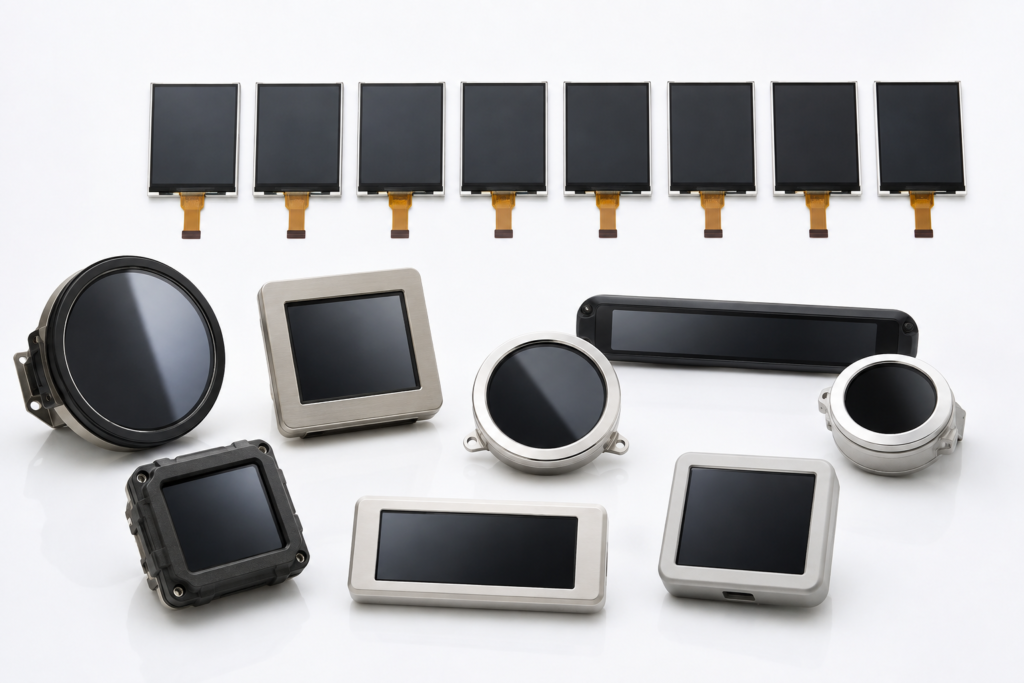
1. 特定のアプリケーション上の制約
当該製品には、標準的な民生用ディスプレイフォーマットでは効率的に解決できない要件がある。利用可能なスペースが狭い、円形、縦長、埋込型、複数ユーザーによる共有、または通常とは異なる視野角に配置される場合がある。.
2. 明確なユーザーまたは購入者にとっての利点
当該ディスプレイは、可読性の向上、物理的コントロールの削減、ワークフローの簡素化、特徴的な製品形状のサポート、または機器のステータス伝達の効率化に貢献する。.
3. 技術的障壁
このソリューションには、モジュール、タッチスタック、バックライト、インターフェース、FPC、コントローラーボード、ファームウェア、または機械的統合に関する知識が必要である。競合他社は、カタログの最初の標準画面を選択するだけでこれを再現することはできない。.
4. 十分な反復需要
この機会は、単発の試作品以上のものを支える必要がある。実行可能なニッチ市場は民生用エレクトロニクス市場より小さい場合があるが、それでも機器メーカー、交換需要、複数の製品プラットフォーム、または反復的な生産プログラムが必要である。.
これら4つの要素が同時に存在する場合、ニッチ市場は、仕様主導のコモディティ製品よりも強力なサプライヤー関係と、より防御可能な価値を支えることができる。.
機会1:製品アーキテクチャとしての円形ディスプレイ
円形ディスプレイは、フォームファクターの差別化における最も明確な例の一つである。物理的コントロール、筐体、または視覚的アイデンティティがすでに中心軸を中心に構成されている製品に適合させることができる。.
潜在的なアプリケーションには以下が含まれる:
- スマートホーム用サーモスタットおよび環境制御機器
- オーディオインターフェースおよびコントロールノブ
- 調理機器およびフードサービス機器
- 小型ロボット用インターフェース
- 充電コントロール
- 計器パネル
- コンパクトな運動機器
- マリンおよび車両関連のアクセサリーディスプレイ
この機会は、矩形LCDを円形のものに置き換えることに限定されない。円形インターフェースは、情報の構成方法を変える。プログレスリング、ラジアルメニュー、中央ステータスインジケーター、ダイヤル式コントロール、および短い操作シーケンスは、円形の形状内で自然に感じられる。 円形ディスプレイ.
円形のカバーガラスは外観デザインの一部にもなり得るため、メーカーは大型の矩形スクリーンを中心に完全に新しい製品アーキテクチャを開発することなく、認識可能なフロントパネルを作成できる。.
しかしながら、円形インターフェースには制約がある。長文テキスト、複雑なメニュー、表、および高密度の設定画面は、利用可能な領域を非効率的に使用する可能性がある。製品チームはまず、スクリーンがステータス表示、シンプルなタッチスクリーン、コントロールダイヤル、ブランド向けインターフェース、または完全なナビゲーションシステムのいずれであるかを決定すべきである。.
開発者はまた、アクティブエリア、解像度、視野方向、タッチ要件、カバーガラス構造、FPC引き出し方向、およびコントローラーパスを総合的に評価すべきである。スクリーン形状だけでは、アプリケーション適合性を確認することはできない。.
RJYの 円形ディスプレイカテゴリ は、既存の円形モジュールプラットフォームを評価するための出発点を提供する。.
機会2:省スペース情報表示のためのバー型ディスプレイ
バー型およびストレッチ型ディスプレイは、異なるアプリケーション上の問題を解決する。これらにより、情報は長く狭いスペースを占有でき、機器メーカーは大きな未使用領域を含む従来のパネルを設置する必要がなくなる。.
関連市場には以下が含まれる:
- 小売店舗の棚端情報表示
- 機器のヘッダーおよびステータスストリップ
- エレベーターおよび室内情報表示
- 公共交通機関向けインターフェース
- 家電製品のコントロール
- ラックマウント機器
- オーディオおよびスタジオシステム
- コンパクトなデジタルサイネージ
- 自動食品販売および自動販売機器
ビジネス上の機会は、ディスプレイの形状と設置の関係から生まれる。適切に選択された バーディスプレイ は、筐体の高さを低減し、製品スペースを確保し、よりすっきりしたインターフェースを実現し、または説明対象の物理的オブジェクトのすぐ隣に情報を配置することができる。.
小売は顕著な例である。AUOは、視覚情報をコンテンツ管理および店舗運営機能に接続するスマートリテールシステムの一部として、インテリジェント棚ディスプレイおよびバー型ディスプレイを発表している。.4
より小規模な機器開発者にとっては、完全なエンタープライズ小売プラットフォームを構築することなく、同じ原則を適用できる。コンパクトな バーLCD は、製品ステータス、ガイダンス、変更されるラベル、プロモーションコンテンツ、操作手順、または機械からのフィードバックを表示できる。.
製品チームは、コンテンツが主にテキスト、アイコン、画像、アニメーション、またはビデオのいずれであるかを定義すべきである。また、視聴距離、向き、解像度、インターフェース帯域幅、およびディスプレイの取り付け方法も考慮すべきである。劇的なアスペクト比は、コンテンツと筐体がそれに合わせて設計されている場合にのみ価値を生み出す。.
利用可能なプラットフォームは、RJYの バー型LCDディスプレイカテゴリを通じて確認できる。.
機会3:コンパクトなHMI設計のための正方形ディスプレイ
正方形ディスプレイは、円形とワイドスクリーンフォーマットの間の有用な位置を占める。円形スクリーンよりも従来型のインターフェースレイアウトをサポートでき、かつ横長ディスプレイに十分な幅がない製品にも適合する。.
潜在的なアプリケーションには以下が含まれる:
- スマートホーム用壁面パネル
- ルームコントローラー
- セキュリティおよび入退室管理端末
- 産業用制御ノード
- コンパクトな実験室機器
- デスクトップ計測器
- オーディオコントローラー
- 小型サービスロボット
正方形のアクティブエリアは、中央配置のダッシュボード、アイコングリッド、カメラプレビュー、ステータスタイル、コンパクトメニュー、対称的なフロントパネルデザインをサポートできる。また、ワイドな方向性レイアウトに依存しないため、縦横の曖昧さも軽減される可能性がある。.
他の非標準フォームファクターと同様に、正方形ディスプレイは機能的な理由に基づいて選択されるべきである。UIチームは、実際のアクティブエリア上でフォントサイズ、タッチターゲット寸法、情報密度、視聴距離をテストする必要がある。.
筐体により、カバーガラスの設計を通じて画面がより大きく見えたり、異なる形状に見えたりする場合があるが、UIは実際のアクティブ表示領域によって制約される。したがって、産業デザイナーとソフトウェアチームは、外側のガラス寸法のみではなく、モジュール図面に基づいて作業すべきである。.
機会4:差別化レイヤーとしてのタッチパネルとカバーガラス
多くの機器メーカーは、独自のLCDパネルを必要としているわけではない。彼らが求めるのは、独自のフロントパネル体験である。.
タッチスクリーンとカバーガラスのカスタマイズは、標準モジュールを製品固有のインターフェースに変換するのに役立つ。選択されたモジュールとプロジェクトの範囲に応じて、製品チームは以下を検討する場合がある:
- カバーガラスの外形とコーナー形状
- 印刷された枠線と隠蔽領域
- センサー、ボタン、スピーカー、またはカメラ用の開口部
- タッチアクティブエリア
- タッチコントローラーの選定
- ガラス厚とスタックアップ制約
- 表面処理要件
- 筐体との統合
この層は、顧客が内部のLCD部品番号ではなくフロントパネルを見て触れるため、強い視覚的差別化を生み出すことができる。.
また、ソフトウェア定義のコントロールが物理ボタンの集合を置き換えることを可能にする。単一のハードウェアプラットフォームで、ソフトウェアを通じて複数のインターフェースバージョン、言語、顧客ブランド、または操作ワークフローをサポートできる。.
しかしながら、タッチは自動的にアップグレードを意味するわけではない。コントローラー、ファームウェア、接地、カバーガラス、接着、環境、および検証に関する要件が新たに発生する。ステータスのみの表示であれば、タッチなしの方が信頼性が高く経済的である場合もある。.
タッチが重要なユーザー操作を簡素化する場合に、その機会は最も大きい:注文の確認、設定の調整、機器データのナビゲーション、アラームの確認、または製品の設定などである。.
手袋操作、水の挙動、コーティング、ガラス硬度、または特定のタッチポイント性能に関する主張は、意図したアセンブリで検証されなければならない。これらの特性は、LCD単体から推定されるべきではない。.
機会5:スタンドアロンディスプレイに代わる組み込み型HMI
画面がサービス、機械、センサー、または自動化プロセスへのインターフェースとなる場合、ディスプレイ市場は拡大する。.
組み込みHMIは以下を組み合わせることができる:
- TFT LCDモジュール
- タッチスクリーン
- コントローラーまたは組み込みプロセッサー
- ローカルファームウェアまたはオペレーティングシステム
- ネットワーク接続
- 物理的な入力および出力
- アプリケーションソフトウェア
- 製品固有の筐体
これにより、従来はインジケーターランプ、機械式ボタン、印刷ラベル、または非常に単純なセグメント表示を使用していた機器カテゴリーに機会が生まれる。.
グラフィカルHMIは、指示、動作状態、ガイド付きメンテナンス、言語オプション、設定可能なコントロール、動的ブランディング、および状況に応じた警告を提示できる。メーカーは外装全体を再設計することなくワークフローを更新できる。.
したがって、商業的価値はLCDを超えて広がる。インターフェースの複雑さの低減、ソフトウェアの柔軟性の向上、製品バリエーションの容易化、そしてより理解しやすい顧客体験が含まれる。.
この方向性は、より広い業界で見られる。AUOは、小売、ヘルスケア、教育、およびエンタープライズアプリケーションにわたってハードウェア、ソフトウェア、サービスを統合する垂直ソリューションを説明している。.1 専門サプライヤーにとっての機会は、同様の統合ロジックを個々の機器メーカー向けに小規模で適用することにある。.
機会6:統合ギャップを短縮するコントローラーボード
適切なLCDがあっても、顧客が選択したホストプラットフォームから駆動できなければ価値は生まれない。したがって、コントローラーボードのサポートが主要な差別化要因となり得る。.
機器開発者は、HDMI、LVDS、MIPI、eDP、RGB、VGA、USB、またはその他のシステム要件を伴ってディスプレイプロジェクトに取り組む場合がある。これらのインターフェース名は、2つのコンポーネントの互換性を保証するものではない。.
適切なレビューには以下が必要となる場合がある:
- LCDパネルモデル
- 解像度とタイミング
- 表示インターフェースとレーン構成
- ピン定義またはデータシート
- 利用可能な場合のドライバーIC情報
- バックライトの電圧および電流要件
- ピクセルクロック、水平同期、垂直同期、ポーチ値、およびアクティブ解像度。
- 必要なホスト入力
- ファームウェアおよびオペレーティングシステム
- ブート、回転、スリープ、および表示動作の要件
- 動作環境
これらの依存関係を評価できるサプライヤーは、顧客が不要なメインボードを構築したり、複数のアダプターを組み合わせたりすることを回避するのに役立つ。また、元々組み込みインターフェース向けに設計されたディスプレイを、より広範なシステムアーキテクチャ内で使用できるようにすることも可能である。.
市場機会は「汎用LCDコントローラー」ではない。そのような製品主張は、パネルのタイミング、初期化、バックライト、ファームウェア、および電気的差異を無視することになる。機会は、プロジェクト固有の適応と、サポートされる構成を明確に定義することにある。.
コントローラープロジェクトを準備している購入者向けに、RJYは TFT LCDとAndroidコントローラーボードのマッチングガイド 互換性が確認される前に必要な情報を説明します。.
機会7:大型デジタルサイネージを超えたスマートリテール
小売向けディスプレイ投資は、大型の壁掛けサイネージと関連付けられることが多い。しかし、棚、商品、カウンター、試着室、サービス、チェックアウトレベルにおいて、より広範な機会が存在する。.
コンパクトディスプレイは以下をサポートできる:
- 棚端の商品情報
- ガイド付き商品選択
- カウンタートップでのデモンストレーション
- 待ち行列およびサービス状況
- プロモーションコンテンツの変更
- 受け取りおよび集荷手順
- 部屋または試着エリアの空き状況
- 機器統合型広告
AUOのスマートリテール戦略は、ディスプレイとAIoTおよびクラウド管理システムを組み合わせるものであり、そのリテールソリューションには電子棚札、インテリジェントサイネージ、その他の接続ツールが含まれる。.5
小規模ブランドは、その全体構造を複製する必要はない。専門端末、棚ディスプレイ、美容機器インターフェース、レストラン機器、商品デモ機、または小売業者の既存システムに接続するサービス機器を開発することができる。.
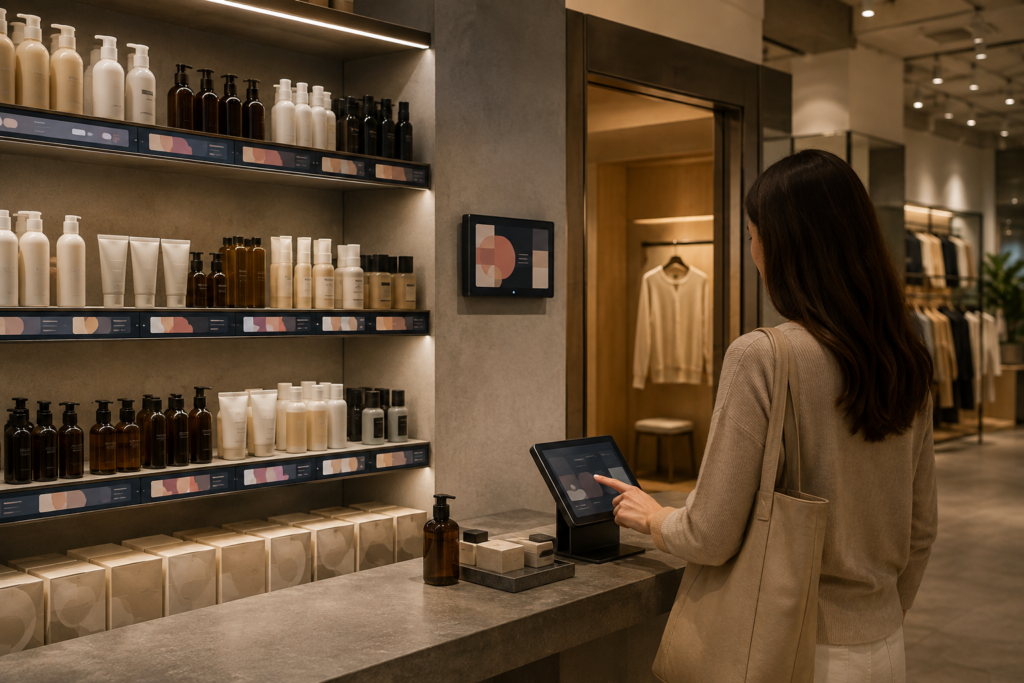
最も強力な製品は、コンテンツを表示することに加えて、運用上の問題を解決する。棚スクリーンは印刷物の交換を減らすことができる。カウンター端末は複雑な商品群を顧客に案内することができる。受け取り用ディスプレイは注文状況に関する不確実性を軽減できる。.
この違いが、有用なリテールシステムと、デジタルサイネージが現代的に見えるという理由だけで設置されたスクリーンとを区別する。.
機会8:タブレット外観を超えるスマートホームインターフェース
初期のスマートホームパネルは、壁に取り付けられた小型タブレットに似ていることが多かった。その形態は依然として有用であるが、より多様な製品アイデンティティが出現している。.
気候コントローラーは丸型ディスプレイを使用する場合がある。セキュリティパネルは角型タッチスクリーンを使用する場合がある。家電製品は細長いバーインターフェースを使用する場合がある。照明コントローラーはコンパクトディスプレイと物理的なダイヤルを組み合わせる場合がある。部屋の状態表示機器は、センサーデータに応じて情報が変化する小型の非タッチスクリーンを使用する場合がある。.
市場機会は、すべてのデバイスを同じワイドスクリーン形式に強制するのではなく、機能に合わせてインターフェースを設計することから生まれる。.
スマートホーム開発者は、外観と工学的制約のバランスを取る必要がある:
- ウォールボックスおよび筐体の奥行き
- ホストプロセッサーおよび電源からの熱
- 異なる高さからの視野角
- タッチターゲットのサイズ
- アイドル画面の動作
- ネットワークおよびソフトウェアアーキテクチャ
- システム障害時に必要な物理的コントロール
- 長期的なモジュールおよびファームウェア計画
カバーガラスとインターフェース設計により、既存のLCDプラットフォーム1つで複数のブランドパネルをサポートできる。これは、差別化が必要でありながら、完全に新しいパネル開発を正当化できない企業に特に関連する。.
機会9:ロボットおよび自動化機器に求められる表現力と実用性を兼ね備えた画面
サービスロボット、コンパニオンデバイス、自動食品機器、翻訳機器、その他のインテリジェント機器は、新たなディスプレイの役割を生み出している。.
スクリーンは以下の役割を果たす場合がある:
- ステータスインジケーター
- シンプルな「顔」または個性を表現する表面
- セットアップインターフェース
- 顧客注文端末
- 進捗表示
- メンテナンスツール
- 多言語説明パネル
これらの役割は、丸型、バー型、角型、コンパクトな縦型、および異例の比率を持つディスプレイに機会を生み出す。ロボットは必ずしも大型の従来型スクリーンを必要とするわけではない。センサー、スピーカー、カメラ、可動ジョイント、バッテリーまたはコンピューティングシステムの間に収まるディスプレイが必要な場合がある。.
重要な設計上の決定は、スクリーンの役割である。単純な表情を表示するロボットの顔は、メニューを表示し顧客入力を受け付けるサービスロボットとは、解像度、タッチ、ソフトウェア要件が異なる。.
したがって、ディスプレイの選択はインタラクションコンセプトに従うべきである。製品チームは、スクリーンが至近距離で見られるのか、部屋の向こう側から見られるのか、一人によって見られるのか、複数人によって見られるのか、またはデバイスが移動中に見られるのかを定義すべきである。.
新たな機会は、あらゆるロボットカテゴリーの爆発的成長を想定することに基づくものではない。それは、自動化とユーザーの間の人間可読インターフェースを必要とする物理的製品の多様性の増大から生まれる。.
機会10:コンシューマープラットフォームには小さすぎる産業用ニッチ市場
産業用および業務用機器には、個々には控えめであるが集合的には多様な、多くのディスプレイ機会が存在する。.
例えば、以下のようなものです:
- ポータブル試験機器
- プロセス制御端末
- 実験室用機器
- アクセスおよびセキュリティ機器
- エネルギー管理システム
- 充電機器
- ビル管理インターフェース
- 専門オーディオおよび放送ツール
- 保守および診断用端末
これらの市場では、コンパクトな寸法、特殊な取り付け方法、明確なステータス表示、長い製品ライフサイクル、または既存プロセッサとの統合が求められる場合があります。スマートフォンレベルの量産規模には達しないかもしれませんが、ディスプレイは機器の動作にとって不可欠であり続けることができます。.
専門サプライヤーにとっての機会は、ポートフォリオの幅広さとエンジニアリング規律の組み合わせにあります。既存モジュールの幅広いラインナップは、多くの小規模プログラムの機械的および電気的ニーズに適合するのに役立ちます。.
産業用途は、普遍的な性能保証として扱われるべきではありません。動作温度、輝度、, ディスプレイ寿命, 、振動、電磁要件、認証、および連続使用の想定は、選択した製品とアプリケーションについて確認されなければなりません。.
モジュールが産業機器に搭載されているという事実だけでは、すべてのバージョンが自動的に「産業グレード」になるわけではありません。技術仕様と検証計画がその結論を裏付ける必要があります。.
真の利益が移動する場所:ピクセルから問題解決へ
コモディティ取引では、サプライヤーはスクリーンに対して対価を受け取ります。差別化されたプロジェクトでは、サプライヤーは複数の層で価値を生み出す可能性があります。.
| 価値の層 | 顧客の問題 | サプライヤーの潜在的貢献 |
|---|---|---|
| フォームファクタ | 従来のスクリーンが製品に適合しない | 円形、正方形、バー型、縦長、またはコンパクトなモジュールの選定 |
| 視覚的アイデンティティ | 機器が一般的な外観である | カバーガラスおよびフロントパネルの調整 |
| インタラクション | 物理的コントロールが混雑している、または柔軟性に欠ける | タッチスクリーンおよびHMI統合 |
| 視認性 | 設置環境においてディスプレイが見にくい | バックライトおよび光学要件のレビュー |
| 電気的適合性 | ホストがパネルを直接駆動できない | インターフェースおよびコントローラボードの評価 |
| 機械的適合性 | FPC、コネクタ、フレーム、または筐体が干渉する | ディスプレイ関連の機械的調整 |
| システム動作 | 初期化または表示動作が製品と一致しない | プロジェクト固有のファームウェア調整 |
| 開発リスク | チームがどの構成が機能するか確信を持てない | サンプリング、ドキュメント、および構成レビュー |
この移行は価格競争を排除するものではありません。顧客がモジュール自体に加えてリスク低減と製品適合性を評価しているため、直接的な価格比較の完全性が低下するだけです。.
真の機会と高価な目新しさを見分ける方法
製品チームが視覚的に印象的な部品から始めて、それが解決できる問題を探し始めると、差別化は罠となり得ます。.
有用な機会は5つのテストを通過する必要があります。.
実際のワークフローを改善するか?
ディスプレイは情報を理解しやすくし、ステップを減らし、インタラクションを改善し、または機器により効果的に適合するものであるべきです。.
顧客はその違いに気づくか?
ユーザーに見えず、運用上の利点も提供しないカスタム機能は、より高い製品価値を裏付けるものではない可能性があります。.
システムは繰り返し製造できるか?
視覚的に成功したプロトタイプだけでは不十分です。モジュール、タッチアセンブリ、コントローラ、ケーブル、ファームウェア、および筐体が、管理可能な生産構成を形成する必要があります。.
その量はエンジニアリング作業を支えるか?
低量産でも成立する可能性はありますが、開発、工具、材料、およびコミュニケーションには依然として経済的基盤が必要です。.
そのアイデアは既存のディスプレイプラットフォームから構築できるか?
既存モジュールが要件の大部分を満たす場合、その周辺でのカスタマイズは、新規パネル開発よりも迅速で管理しやすい経路を提供する可能性があります。.
これらのテストに不合格のプロジェクトも、依然として興味深い実験である可能性があります。それらは自動的に市場機会として扱われるべきではありません。.
既存モジュールが多くの新規ニッチ市場の基盤となる理由
差別化された製品は、すべてのコンポーネントが独自であることを要求するものではありません。最も実用的な戦略は、多くの場合、プラットフォームベースの差別化です。.
開発者は、適切な中核特性を備えた既存のLCDを選択し、その後、アプリケーション適合性を決定する層をカスタマイズします。プロジェクトの実現可能性に応じて、これらには以下が含まれる場合があります:
- カバーガラスのサイズと外観
- タッチスクリーン構成
- バックライト要件
- FPCの方向とコネクタ配置
- ディスプレイインターフェース
- コントローラ基板
- ファームウェア
- ディスプレイ関連の機械構造
本モデルは標準化と差別化のバランスを提供する。既存モジュールは定義された光学特性と電気的基盤を提供し、周辺レイヤーがその基盤を製品に適合させる。.
また、開発予算のより効果的な活用を促進する。顧客が認識しない可能性のある新しいパネル形状に多額の投資をする代わりに、メーカーはユーザーインターフェース、筐体、ソフトウェア、ワークフローに注力できる。.
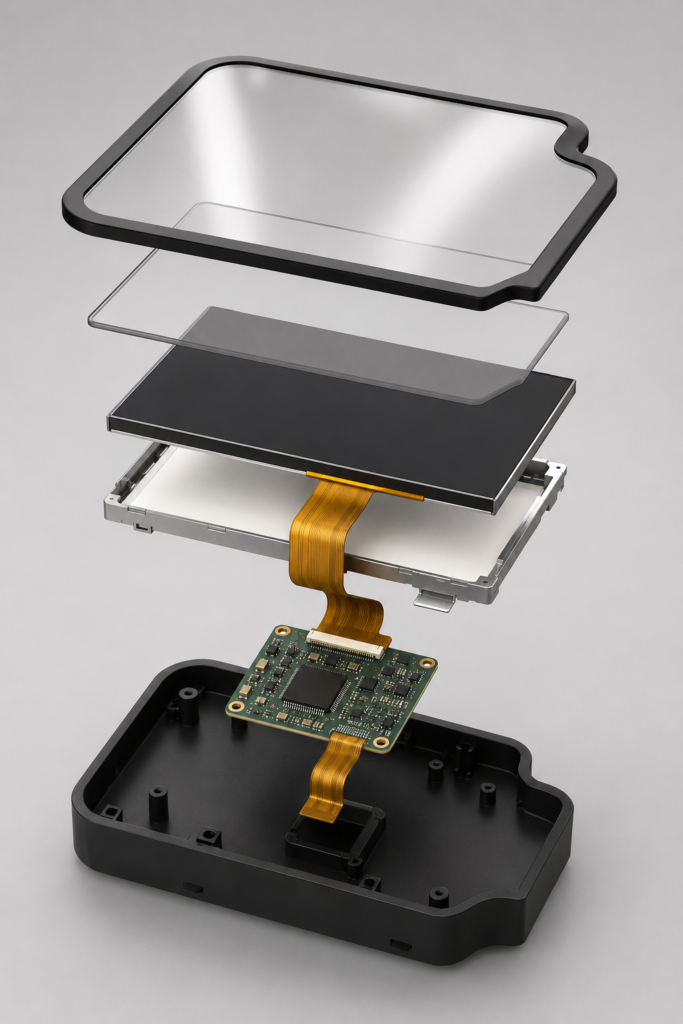
限界は存在する。必要なサイズ、解像度、インターフェース、または光学性能に十分近い既存モジュールがない場合、製品アーキテクチャの変更が必要になる可能性がある。完全に新しいLCDサイズの開発には、別途の実現可能性、量産数量、コスト、スケジュール分析が必要であり、これを日常的なカスタマイズサービスと想定すべきではない。.
単発のカスタムプロジェクトから反復可能な市場プラットフォームへ
最も強力なニッチ市場の機会は、必ずしも高度にカスタマイズされた単一の顧客注文ではない。それは、複数の関連製品または購入者にサービスを提供できる反復可能なプラットフォームである。.
例えば、サプライヤーは以下に関する経験を蓄積することができる:
- スマートホーム制御用の円形タッチインターフェース
- 小売棚および機器ヘッダー用のバーディスプレイ
- コンパクトな壁面パネル用の正方形LCDアセンブリ
- サービス端末用の小型Androidディスプレイシステム
- 公共機器用のカバーガラスおよびタッチアセンブリ
- 選択された高解像度MIPIパネル用のコントローラボード経路
各新規プロジェクトは、以前のプロジェクトで確立されたエンジニアリング知識、調達ネットワーク、検証方法、ドキュメント、またはファームウェア基盤の一部を再利用できる。.
これが、ニッチがコモディティ化することなくスケーラブルになる方法である。サプライヤーは内部能力を標準化しながら、顧客向け製品の差別化を維持する。.
同じ論理は機器メーカーにも利益をもたらす。1つのLCDおよびコントローラプラットフォームが、異なるカバーガラス、ソフトウェア、筐体、または周辺機器構成を通じて複数のモデルをサポートできる。これにより、重複するエンジニアリング作業が削減され、スペアパーツが簡素化される。.
機器開発者向け市場参入戦略
差別化されたディスプレイ市場に参入する企業は、ディスプレイカタログではなくユーザーの問題から始めるべきである。.
ステップ1:アプリケーションの制約条件を定義する
利用可能なスペース、視聴距離、環境、インターフェースの役割、物理的ワークフローを文書化する。.
ステップ2:必須要件と任意要件を分離する
サイズは固定でも解像度は柔軟に対応できる場合がある。タッチは必須でも、正確なカバーガラス形状は交渉可能な場合がある。この区別により、モジュール選定がより効率的になる。.
ステップ3:既存プラットフォームを検索する
アクティブエリア、外形、解像度、インターフェース、輝度、視野角、FPC、タッチオプション、コントローラ経路を比較する。.
ステップ4:完全なインタラクションをプロトタイプ化する
代表的なコンテンツ、フォント、タッチターゲット、視野角、筐体、ケーブル、熱条件、想定されるユーザー行動をテストする。.
ステップ5:商業モデルを検証する
サンプルコスト、開発費用、金型費、最小発注数量(MOQ)、生産需要、ソフトウェア作業、想定販売価値を評価する。.
ステップ6:構成を確定する
量産前にディスプレイ、タッチ、カバーガラス、コントローラ、ファームウェア、ケーブル、機械的参照を承認する。.
このプロセスは、魅力的なディスプレイコンセプトが無秩序なカスタム部品の集合体になることを防ぐのに役立つ。.
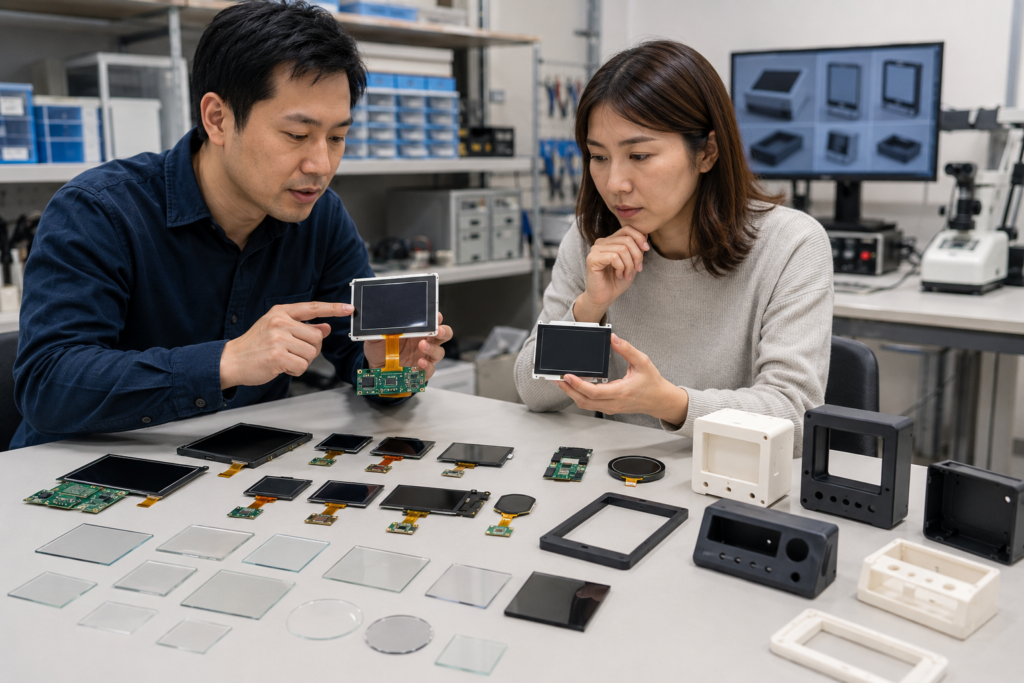
RJYディスプレイが差別化ディスプレイプロジェクトを支援する方法
RJY Displayは、TFT LCD製品、コントローラボード、およびソリューションを提供するエンジニアリングサポート重視のサプライヤーとして位置づけられており、 カスタムディスプレイ 研究開発チーム、スタートアップ、機器メーカーを対象としている。.
RJYの最も実用的なカスタマイズ経路は、既存のディスプレイモジュールから始まる。選択された製品とプロジェクト要件に応じて、レビューには以下が含まれる場合がある:
- 円形、正方形、バー型、縦型、標準TFT LCDの選定
- 輝度およびバックライトのカスタマイズ
- タッチスクリーンおよびカバーガラスのカスタマイズ
- FPCおよびインターフェースの適合
- コントローラボードの選定またはカスタマイズ
- ファームウェアの調整
- ディスプレイ関連の筐体および機構面の調整
カスタマイズプロジェクトは通常、製品、材料、開発範囲、想定される生産要件に応じて、約500ユニットの最小発注数量(MOQ)から始まる。これはディスプレイ構成が確定した後に確認されるべきである。.
RJYは、カスタマイズを新しいLCDサイズを開発するための無制限の約束として扱わない。可能な場合、エンジニアリングプロセスは既存のモジュールプラットフォームを特定し、どの周辺要素を変更する必要があるかを判断する。.
コントローラボードの互換性もプロジェクト固有である。実際のパネルモデル、解像度、インターフェース、ピン定義、バックライト、タッチ経路、ホスト入力、ファームウェアまたはオペレーティングシステムの要件、およびアプリケーション環境を使用してレビューされるべきである。.
ニッチディスプレイ機会を評価するために必要な情報
差別化されたディスプレイプロジェクトを準備する企業は、以下を提供する必要がある:
- ターゲット製品およびアプリケーション市場
- ディスプレイが解決すべきユーザーの問題
- 希望するディスプレイ形状およびアクティブエリア
- 筐体図面または利用可能な内部スペース
- 必要なコンテンツおよびインターフェースの向き
- 解像度および視聴距離の期待値
- 輝度および動作環境要件
- タッチスクリーンとカバーガラスの要件
- ホストプロセッサおよび表示インターフェース
- コントローラーボード、ファームウェア、およびオペレーティングシステムの要件
- FPC方向およびコネクタ制約
- サンプル数量および試作スケジュール
- 年間需要見込みおよび目標MOQ
詳細なブリーフにより、サプライヤーは標準モジュール案件、実用的なカスタマイズプロジェクト、および根本的に異なる開発モデルを必要とするコンセプトを区別することが可能となる。.
結論:次の機会は単なるより良い画面ではない
ディスプレイ市場における次の機会は、標準画面をより大きく、より高精細に、より低コストにすることだけから生まれるわけではない。その多くは、適切なディスプレイを特定の用途に特化した製品に組み込み、完全なインタラクションを機能させることから生まれる。.
円形、正方形、およびバー型ディスプレイは、新たな機械的・視覚的フォーマットを切り開く。タッチパネルとカバーガラスはフロントパネルの差別化を生み出す。コントローラーボードとファームウェアは、特殊なパネルを使用可能なシステムへと接続する。組み込みHMI設計は、ディスプレイを機械、サービス、またはワークフローの一部へと変える。.
商業的機会は、検証された顧客ニーズを中心にこれらのレイヤーを組み合わせることにある。.
機器メーカーにとって、これはすべての製品に完全に新しいLCDパネルが必要であると想定することなく差別化への道筋を提供する。専門ディスプレイサプライヤーにとって、これはコモディティ価格の枠を超えた価値を生み出す。ユーザーにとっては、製品が定義された後に追加されたものではなく、製品のために設計されたと感じられるインターフェースを生み出す。.
最も恩恵を受ける可能性が高い企業は、反復可能なアプリケーション上の課題を特定し、適切な既存ディスプレイプラットフォームを選択し、周辺ハードウェアとソフトウェアを統合し、量産前に完全な構成を検証できる企業である。.
円形インターフェースを開発している場合、, バーディスプレイ 製品、コンパクトHMI、スマートリテールデバイス、組み込み端末、またはその他のアプリケーション特化型ディスプレイを検討している場合は、 RJY カスタムディスプレイ ソリューション または RJY Displayにお問い合わせください。 ディスプレイ、タッチパネル、コントローラーボード、ファームウェア、および機械的要件についてご相談ください。.
よくある質問
ニッチディスプレイ市場とは何か?
ニッチディスプレイ市場とは、一般的な民生用ディスプレイフォーマットでは完全には対応されない機械的、インターフェース、インタラクション、環境、または数量要件を持つ特定のアプリケーションにサービスを提供する市場である。例としては、円形コントロール、ストレッチ型シェルフディスプレイ、正方形HMI、コンパクトな産業用端末、機器一体型スクリーンなどが挙げられる。.
差別化された製品には完全にカスタムのLCDパネルが必要か?
いいえ。多くの差別化製品は既存のTFT LCDモジュールを使用し、その周囲のカバーガラス、タッチパネル、バックライト、FPC、インターフェース、コントローラーボード、ファームウェア、筐体、またはユーザーインターフェースをカスタマイズする。新規パネル開発は別途の、より要求水準の高いプロジェクトである。.
標準的な長方形スクリーン以外に、どのようなディスプレイ形状が機会を提供するか?
円形ディスプレイは、放射状コントロールや製品中心のインターフェースをサポートできる。バー型ディスプレイは、狭い情報表示領域やシェルフエッジ用途に適合する。正方形ディスプレイは、コンパクトなダッシュボードや対称的なHMI設計に適している。正しい形状は、コンテンツ、筐体、およびユーザーワークフローに依存する。.
企業はディスプレイのニッチが商業的に viable であるかどうかをどのように検証できるか?
企業は、ディスプレイが実際のワークフローまたは統合上の問題を解決し、顧客が認識するメリットを生み出し、反復的に製造可能であり、十分な需要をサポートし、最終製品に適したコストで構築できることを確認すべきである。.
RJYはあらゆるTFT LCDに対応するユニバーサルコントローラーボードを提供できるか?
いいえ。コントローラーボードの互換性は、パネルモデル、解像度、インターフェース、ピン定義、タイミング、バックライト、タッチ経路、ファームウェア、オペレーティングシステム、ホスト入力、および環境に依存する。互換性が確認される前に、実際の構成をレビューする必要がある。.
RJY Displayの標準的なカスタマイズMOQは何か?
カスタマイズプロジェクトは通常、ディスプレイモジュール、材料、開発範囲、およびプロジェクト要件に応じて、約500台のMOQから開始される。最終的なMOQは、提案構成が定義された後に確認されるべきである。.