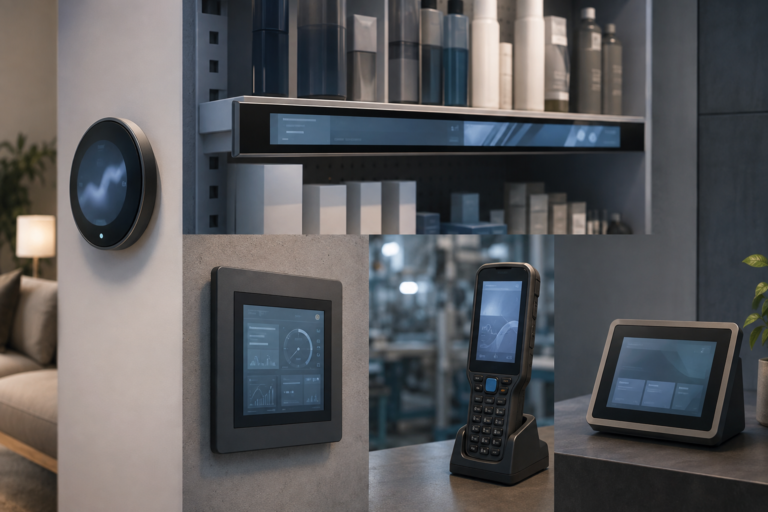
組込み表示プロジェクトでボトルネックに直面していませんか?
複雑な統合作業やサプライチェーンの問題が市場投入までの時間を遅らせないようにしましょう。RJYの専門家チームによる無料コンサルテーションを予約し、お客様に合わせた設計・製造サポートをご利用ください。.

調達マネージャーやサプライチェーン責任者がハイステークスな電子市場を乗り切る上で、部品調達は単なる取引ではなく、戦略的提携です。あなたは、エンジニアリングチームの非現実的な技術要求と、財務部門の非現実的な予算制約が衝突するまさにその接点に立っています。そして、最終製品の「顔」に関して、ディスプレイほど重要なものはありません。適切なTFT LCDディスプレイメーカーを選ぶことは、製品の市場支配力を確実にするか、あるいは返品許可(RMA)レポートや突然の製造中止(EOL)通知に頭を悩ませる終わりのない夜をもたらすかの決断です。.
TFT LCDディスプレイメーカーの選択は、単に要求される画面サイズを見積もれる会社を見つけることではありません。サプライヤーは、提供するモジュールを文書化し、それをホストシステムに適合させ、生産リビジョンを管理し、必要なカスタマイズをサポートし、顧客の製品に支障をきたす前に変更を伝達できなければなりません。.
「メーカー」という言葉も広く使われています。ある会社はLCDパネルを製造し、別の会社は購入したパネルを中心にモジュールを組み立て、さらに別の会社はディスプレイ、タッチスクリーン、コントローラーボード、ファームウェア、および機械的統合を調整するかもしれません。最大手の会社やパネル製造段階に最も近い会社が、OEMプロジェクトにとって自動的に最良のサプライヤーであるとは限りません。.
正しい選択は、完了しなければならない作業、サプライヤーが提供できる証拠、およびバイヤーがサンプリングから生産まで管理する必要がある構成に依存します。.
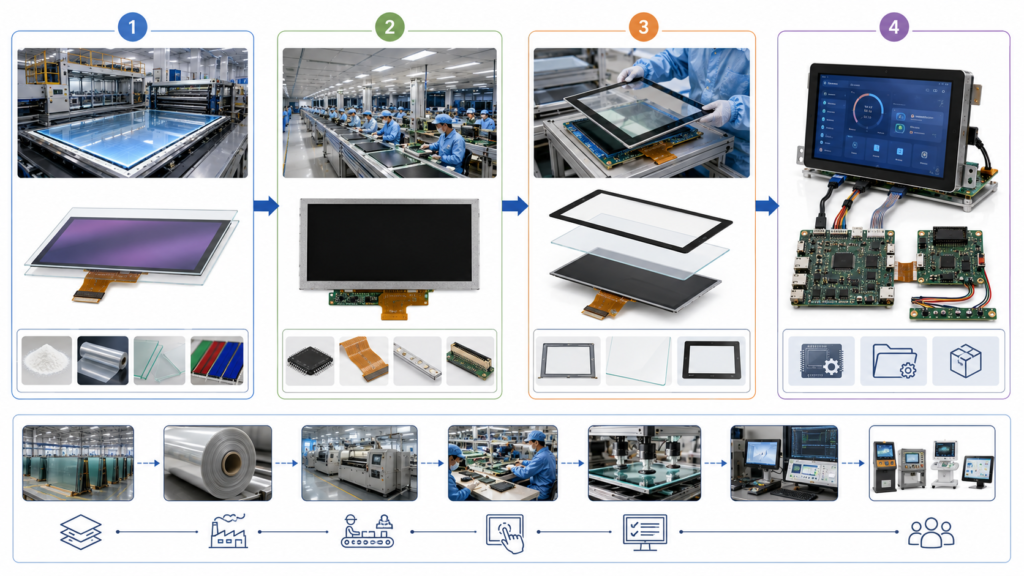
会社を比較する前に、プロジェクトがディスプレイサプライチェーンのどこに位置するかを特定します。.
| サプライヤータイプ | 典型的な役割 | 最適な用途 | 潜在的な制限 |
|---|---|---|---|
| パネルメーカー | 大規模な製造規模でLCDセルまたはオープンセルパネルを生産する | 大量パネル調達および定義されたパネルプラットフォームへのアクセスを必要とする顧客 | 小規模なOEM数量、カスタムFPC、タッチ、コントローラーボード、またはアプリケーション統合を直接サポートしない可能性がある |
| LCDモジュールメーカーまたはインテグレーター | パネルとドライバIC、FPC、バックライト、フレーム、およびその他のモジュールコンポーネントを組み合わせる | 完全なTFT LCDモジュールを必要とするOEM製品 | モジュールサイズ、プロセス、エンジニアリングリソース、および購入部品によって能力が大きく異なる |
| タッチディスプレイインテグレーター | LCDとタッチセンサー、コントローラー、カバーガラス、および接着構造を組み合わせる | 前面レンズとタッチ体験が中心的な要件となるプロジェクト | 基盤となるLCDプラットフォームまたはホスト側ファームウェアを管理しない可能性がある |
| ディスプレイソリューションプロバイダー | LCDの選定、タッチ、コントローラーボード、ファームウェア、ケーブル、電源、および機械的統合を調整する | システムレベルのエンジニアリングサポートを必要とする組み込みHMIおよび機器プロジェクト | どの製造プロセスとコンポーネントが内製、外注、またはパートナーから供給されているかを明確に特定する必要がある |
| 代理店またはリセラー | 1つ以上のメーカーからの既存製品へのアクセスを提供する | 標準製品、代替調達、サンプル、および確立されたブランドモジュール | カスタマイズ、BOM変更、ファームウェア、またはライフサイクルポリシーに対する権限が限られている可能性がある |
これらのモデルのいずれも本質的に不適切というわけではありません。問題は、バイヤーがある役割を期待しているのに、サプライヤーが別の役割を果たしている場合に発生します。製品仕様を誰が所有しているか、BOMを誰が管理しているか、変更を誰が承認するか、カスタマイズを誰が実行するか、エンジニアリングコミュニケーションに誰が責任を持つかを尋ねてください。.
不完全な要求に対してサプライヤーを公平に評価することはできません。各社が「7インチ産業用タッチスクリーン」を異なる解釈で捉えれば、それらのサンプルと見積もりは同じ製品を表すことにはなりません。.
初期の要求ベースラインでは以下を定義する必要があります:
各要件を必須、優先、または柔軟としてマークします。これにより、サプライヤーは重要な製品要件を静かに変更することなく、既存のプラットフォームを提案できるようになります。.
「MIPI対応」、「Android対応」、「カスタムインターフェース利用可能」などの一般的な記述は、エンジニアリング能力を確立するものではありません。最終候補のサプライヤーに実際のパネル、ホストボード、機械図面、または互換性の問題を提示し、彼らがどのように対応するかを調査してください。.
MIPI DSIは定義されたホスト-ディスプレイインターフェースですが、パネル統合は依然としてレーン構成、タイミング、動作モード、ピクセルフォーマット、初期化、電源、および物理的なコネクタ実装に依存します。.[1]
MIPI DSIディスプレイシステムに関するNXPのアプリケーションノートは、統合にパネル電源、リセット、バックライトGPIO、タイミング、信号極性、ピクセルクロック、D-PHY構成、およびパネル固有のドライバーが含まれることを示しています。.[2] インターフェース名、解像度、およびコネクタ数のみから互換性を承認するサプライヤーは、適切なレビューを完了していません。.
| エンジニアリングエビデンス | 有用な回答に含まれるもの | 警告サイン |
|---|---|---|
| データシートレビュー | 正確なモデル、タイミング、ピン定義、電源、バックライト、ドライバIC、および未解決の質問事項 | サイズと解像度のみに基づく承認 |
| インターフェースの整合性 | ホストとパネルの能力をボードレベルで比較 | SoCの能力を、実際のボードがパネルをサポートしていることの証明として使用 |
| 機械的レビュー | モジュール外形、アクティブエリア、FPC、コネクタ、カバーガラス、および筐体クリアランス | 製品写真から適合を承認 |
| タッチレビュー | コントローラ、インターフェース、ドライバ、座標、カバースタック、および環境を考慮 | LCD画像が動作するためタッチも動作すると想定 |
| ファームウェアの範囲 | サポート対象ボード、画像、パネル、成果物、リビジョン制限、および検証方法を定義 | 管理されたプラットフォームなしに無制限の「カスタムファームウェア」を約束 |
目的は、発注前に完全な設計を要求することではない。サプライヤーが実際のエンジニアリング上の依存関係を特定し、未確認の事項を文書化しているかどうかを判断することである。.
サプライヤーは、サンプルとして提供されるものと量産時に納品されるものを正確に特定できなければならない。マーケティング上の製品名だけでは、構成管理として不十分である。.
該当する項目を含む管理された仕様書パッケージを要求すること:
文書のリビジョンがどのように発行、承認され、生産にリンクされるかを尋ねること。サプライヤーに有能なエンジニアがいても、サンプリング時に送付された図面が、生産時に使用されるBOMや作業指示書と関連付けられていなければ、リスクが生じる可能性がある。.
ISO 9001は、品質マネジメントシステムを確立、維持、継続的に改善するための要件を定義している。ISOはまた、認証は任意であり、組織または顧客が自らシステムを監査してもよいと述べている。.[3]
したがって、認証書は有用な証拠となり得るが、特定のディスプレイが顧客の光学、電気、機械、環境、またはライフサイクル要件を満たしていることを独立して証明するものではない。.
サプライヤーが品質認証書を提示した場合、以下を確認すること:
| 認証書項目 | その重要性 |
|---|---|
| 法的組織名 | 認証対象の事業体が評価対象の会社または施設であることを確認 |
| サイト住所 | 認証範囲に含まれる拠点を示す |
| 規格およびエディション | 一般的な「ISO認証取得」という記述に依存しない |
| 認証範囲 | 関連するディスプレイまたは電子機器の活動が含まれているかを示す |
| 発行認証機関 | 購入者が認証書の出所を確認できる |
| 有効性および認証ステータス | 期限切れ、停止、または差し替えられた証拠を特定 |
次に、提案された製品に対してシステムがどのように機能するかを調査する。有用な証拠には、受入材料管理、工程指示書、検査記録、設備校正、オペレーター訓練、不適合材料管理、トレーサビリティ、是正処置、および文書改訂履歴が含まれる。.
すべてのディスプレイプロジェクトに一律の不良率目標を課さないこと。外観受入基準、機能不良、抜取計画、試験方法、およびエスカレーションルールは、実際の用途に合わせて合意されるべきである。.
完成したTFT LCDモジュールには、LCDパネル、ドライバIC、FPC、コネクタ、バックライト、フレーム、偏光板、タッチコントローラ、センサー、カバーガラス、接着剤、ケーブルなど、購入および加工された要素が含まれる。最終外観検査だけでは、すべてのばらつき要因を管理することはできない。.
| 管理段階 | 要求すべき証拠 |
|---|---|
| 受入管理 | 材料識別、サプライヤーステータス、検査基準、ロット記録、および不適合処理 |
| 工程管理 | 作業指示書、管理設定、オペレーター承認、設備チェック、および工程内記録 |
| 機能検査 | 表示パターン、インターフェース動作、バックライト、タッチ、電流、およびプロジェクト固有の機能 |
| 外観検査 | 照明、視距離、検査領域、欠陥定義、および受入基準 |
| 出荷管理 | ロットリリース、モデルおよびリビジョンチェック、数量、梱包、ラベル表示、および出荷トレーサビリティ |
機密の生産文書を共有できない場合は、匿名化されたサンプル記録を依頼すること。目的は、管理が存在し、それが正確な製品に結びついていることを確認することであり、他の顧客の専有情報を入手することではない。.
あらゆるTFT LCDをあらゆる用途に適合させる普遍的な信頼性試験条件は存在しない。温度、湿度、振動、衝撃、ESD、紫外線暴露、動作時間、実装方法、および受入基準は、製品環境および該当する要件に依存する。.
IEC環境試験規格は、試験の主張に完全な条件が必要である理由を示している。例えば、IEC 60068-2-57は、指定された過渡振動の厳しさの下で供試品を評価する手順を定義している。.[4] 「振動試験済み」という記述だけでは、方法、実装、軸、プロファイル、厳しさ、時間、サンプル構成、および合格/不合格基準がなければ不完全である。.
要求される各試験について、以下を文書化すること:
視覚的に類似したディスプレイからの試験データを、提案されたモジュールの適格性として受け入れないこと。ただし、構成間の関係が技術的に正当化され、承認されている場合は除く。.
カスタマイズ能力は、サプライヤーが実際に管理する作業に基づいて評価されるべきである。カスタムカバーガラスを準備できる企業が、LCDセルの設計を管理できるとは限らない。FPCを変更できるサプライヤーが、パネルのネイティブ解像度やドライバーアーキテクチャを変更できるとは限らない。.
RJY Displayの実用的なカスタマイズ範囲は、既存のディスプレイモジュールに基づいている。実現可能性に応じて、プロジェクトはカバーガラス、タッチスクリーン、バックライト、FPC、インターフェース、コントローラーボード、ファームウェア、および機械構造を調整できる。これは、新しいLCDサイズの無制限な開発として提示されるべきではない。.
| カスタマイズ領域 | 要求すべき証拠 |
|---|---|
| カバーガラス | 図面、アートワーク、公差、エッジ詳細、接着インターフェース、サンプル承認、および外観基準 |
| タッチスクリーン | センサーおよびコントローラーの定義、FPC、ホストインターフェース、ドライバー、座標マッピング、および検証計画 |
| バックライト | 電気的要件、ドライバーパス、調光、電源、熱評価、および確認された輝度目標 |
| 組立歩留まり | 回路図、ピン配置、レイアウト、コネクター、向き、機械的エンベロープ、およびサンプル試験 |
| コントローラ基板 | ボードリビジョン、実装されたインターフェース、入力モード、電源、バックライト、タッチパス、およびファームウェア |
| ファームウェア | サポートされるプラットフォーム、成果物、ソースまたはバイナリの状態、リビジョン範囲、所有権、および検証 |
以下を使用すること カスタムTFT LCDディスプレイガイド サプライヤーを評価する前に、より広範なカスタマイズ要件を準備するため。.
サンプルは、電源が入ったという理由だけで承認されるべきではない。評価中に使用された正確なハードウェアおよびソフトウェア構成を記録すること。.
サンプル記録は以下を特定する必要がある:
承認後、この構成がどのように生産基準となるかを決定すること。保持されたゴールデンサンプルは有用であるが、管理された仕様および合格基準によって裏付けられるべきである。物理的なサンプルだけでは、隠れたコンポーネントのリビジョンやファームウェアの内容を定義できない。.
サプライヤーが、受入検査、組立、フィールド使用、または生産中に欠陥が発見された場合にどのように対応するかを尋ねること。正確な是正措置の形式は異なる場合があるが、重要な点は、プロセスに証拠、封じ込め、根本原因分析、是正措置、検証、および再発防止が含まれているかどうかである。.
有用な問題報告書は以下を特定する必要がある:
すべての故障が検査証拠なしにユーザー取り扱いに起因する場合、または交換ユニットが提供される際に根本的な生産リスクが残存しているかどうかが特定されない場合には注意すること。.
いかなるサプライヤーも、ディスプレイを無期限に保証すると想定されるべきではない。LCDパネル、ドライバーIC、タッチコントローラー、LED、コネクター、メモリ、およびその他のコンポーネントは、変更されたり入手不可能になったりする可能性がある。.
サプライヤーに以下のプロセスを説明するよう求めること:
3年、5年、または10年の供給保証は、書面による契約のもとで正確なモデルに対して提供されない限り、想定しないこと。同様に、代替パネルまたはドライバーICがピン互換、機械的互換、またはファームウェア互換であると想定しないこと。.
現在のモジュールがすでに入手不可能な場合は、体系化された 製造中止TFT LCD交換プロセス を使用し、サイズとコネクターのみに基づいて代替品を受け入れないこと。.
ディスプレイモジュールは、完成機器に必要なすべての承認を自動的に継承するわけではない。対象製品および市場に適用される材料宣言、試験報告書、マネジメントシステム認証、トレーサビリティ記録、または顧客固有の文書を特定すること。.
各文書について以下を確認すること:
| 文書チェック | 質問 |
|---|---|
| 主体 | どの企業または施設が文書を発行または保持しているか? |
| 製品範囲 | 正確な部品、ファミリー、材料、またはプロセスを特定しているか。 |
| 規格または規則 | どのエディション、要求事項、免除事項、または市場が参照されているか。 |
| 日付および有効性 | 提案された生産構成に対して文書が最新であるか。 |
| 改訂の関係性 | BOMまたは材料の変更により、新たな宣言または試験が必要となるか。 |
| 完成品に対する責任 | どのコンプライアンス活動が機器メーカーに残されるか。 |
サプライヤーのロゴ、ウェブサイトバッジ、または製品が「医療用」「自動車用」「産業用グレード」であるという表明は、アプリケーション固有のエビデンスの代わりにはならない。.
2社のサプライヤーが同じ公称ディスプレイに対して異なる価格を提示する場合、その範囲が異なるためである。商業競争力を評価する前に、見積もりを標準化すること。.
| 市販品 | 比較対象 |
|---|---|
| 製品構成 | LCD、タッチパネル、カバーガラス、FPC、ケーブル、バックライト、基板、ファームウェア、およびパッケージング |
| NREおよび治具費用 | 成果物、所有権、改訂、保守、および該当する場合の返金またはクレジット条件 |
| サンプル | 数量、構成、ファームウェア、組み立て、検証、および出荷 |
| 生産価格 | 同一発注数量、通貨、有効期間、および部品範囲 |
| 最小発注数量(MOQ) | 標準モジュール、各カスタム部品、生産発注、および年間契約の有無 |
| 納入条件 | インコタームズ、指定場所、運送費、保険、関税、税金、および仕向地での取扱い |
| 支払いおよび保証 | 支払い段階、検査期間、保証範囲、除外事項、および救済措置 |
ICCのインコタームズ規則は、国際取引における買い手と売り手の間の責任、費用、およびリスクを定義する。.[5] 選択した規則と指定場所を記録し、見かけ上の価格差が単なる運送費や輸入責任の違いに過ぎないことを防ぐ。.
RJY Displayの現在のFAQでは、カスタム製品は通常500台以上のMOQが必要であると一般的に言及している。.[6] 実際のMOQは、ディスプレイおよび各カスタム部品について確認する必要がある。業界全体のMOQ平均値は、個別のサプライヤーからの約束として扱われるべきではない。.
良好なコミュニケーションは応答速度だけで定義されるものではない。迅速で無条件の「はい」は、不足情報を特定する遅い応答よりもリスクを生む可能性がある。.
サプライヤー評価の際には、以下の点を確認すること:
複数国を対象とするプロジェクトでは、仕様書、図面、翻訳、および承認がどのように管理されるかも判断すること。翻訳文書が異なる技術仕様になってはならない。.
| 評価領域 | 収集すべきエビデンス | 判断のための質問 |
|---|---|---|
| サプライヤーの役割 | 法的エンティティ、サイト、管理されたプロセス、外注業務、および製品責任 | ビジネスモデルは要求されるプロジェクトに適合しているか。 |
| エンジニアリング | データシートレビュー、マークされた図面、互換性分析、および未解決項目リスト | サプライヤーはディスプレイシステム全体を評価できるか。 |
| 文書管理 | 仕様書、図面、ピン配置、タイミング、BOM管理、および改訂プロセス | 生産構成を特定し、再現できるか。 |
| 品質システム | 該当する認証、手順、記録、トレーサビリティ、および監査結果 | 文書化された管理が提案された製品に適用されているか。 |
| 試験 | 試験計画、条件、サンプル構成、合格基準、および報告書 | エビデンスはアプリケーション要件と一致しているか。 |
| カスタマイズ | 既存のベースモジュール、管理された変更、治具、成果物、およびサンプル計画 | 要求されるカスタマイズは実証された能力の範囲内か。 |
| ライフサイクル | PCN、EOL、代替品、ラストタイムバイ、および交換手順 | 変更が生産を中断する前に管理できるか。 |
| 是正措置 | 封じ込め、根本原因、是正措置、および有効性の記録の例 | 障害の調査と再発防止は可能ですか? |
| 商用範囲 | 標準化された見積もり、最小発注数量(MOQ)、非経常費用(NRE)、サンプル、納期、支払条件、および保証条件 | プロジェクト全体の範囲は明確で比較可能ですか? |
| コミュニケーション | 応答の正確性、修正の規律、会議記録、およびエスカレーションパス | エンジニアリングおよび調達の決定はトレーサブルな状態を維持できますか? |
まずマトリクスを合否または調査ツールとして使用してください。実際の製品リスクに基づいて後で加重スコアを追加できますが、互換性、文書化、コンプライアンス、または変更管理における重大な障害を隠してはなりません。.
以下の内容を含むサプライヤーパッケージを準備してください:
選定された各サプライヤーに同じパッケージへの回答を依頼してください。これにより、比較可能な技術提案が得られ、前提条件がどこにあるかが明らかになります。.
RJY Displayは、既存のTFT LCDプラットフォームを、お客様のディスプレイ、インターフェース、タッチ、カバーガラス、バックライト、FPC、コントローラーボード、ファームウェア、機械、数量、および文書化要件に対してレビューできます。.
レビュー RJY Displayのカスタムソリューション範囲, 、以下を参照 工場情報または エンジニアリングレビューのためにプロジェクト文書を送付してください.
LCDパネルメーカーはLCDセルまたはオープンセルパネルを製造します。TFT LCDモジュールメーカーまたはインテグレーターは、パネルにドライバIC、FPC、バックライト、フレーム、コネクタ、場合によってはタッチなどのコンポーネントを組み合わせます。購入者は、サプライヤーが実際にどのプロセスと製品責任を管理しているかを確認する必要があります。.
いいえ。ISO 9001はサプライヤーの品質管理システムに関するものです。認証範囲、サイト、ステータス、および発行機関を確認する必要がありますが、ディスプレイはプロジェクトの光学、電気、機械、環境、規制、およびライフサイクル要件に対して依然として検証される必要があります。.
すべてのサプライヤーまたはプロジェクトに適用される業界全体のMOQはありません。RJY Displayの現在の一般的な参考値は、カスタム製品は通常500ユニット以上を必要とすることですが、実際のMOQはベースモジュール、カスタムコンポーネント、工具、購買要件、およびプロジェクト範囲に依存します。.
実際のプロジェクト要件を提供し、マーク付き図面、定義されたベースモジュール、エンジニアリング質問、カスタマイズ成果物、工具範囲、サンプル計画、ファームウェア境界、および検証方法を要求してください。一般的な主張や設備写真は、サプライヤーが必要な構成を完了できることを証明しません。.
LCDモデルとリビジョン、タッチコントローラー、カバーガラス、FPC、ケーブル、コントローラーボードリビジョン、ファームウェアまたはドライバーバージョン、電源およびバックライト構成、テストアプリケーション、機械的組み立て、既知の逸脱、および承認に使用された管理文書を記録してください。.
サプライヤーのPCN、コンポーネント代替、EOL、ラストタイムバイ、代替品、リビジョン管理、および顧客承認手順をレビューしてください。書面による契約で正確な製品に明記されていない限り、固定供給保証または事前通知期間を想定しないでください。.
ディスプレイサイズ、解像度、インターフェース、輝度、タッチ要件、コントローラーボード要件、およびアプリケーション環境を共有してください。.
関連するディスプレイ技術ガイドとアプリケーションリファレンスを引き続きお読みください。.
この記事のトピックに関連する製品ページをご覧ください。.

RJYのエンジニアリングチームにご相談いただき、ディスプレイマッチング、コントローラーボードの確認、およびカスタマイズについて話し合ってください。.