Столкнулись с трудностями в проекте встраиваемого дисплея?
Не позволяйте сложной интеграции или проблемам цепочки поставок замедлить ваш выход на рынок. Забронируйте бесплатную консультацию с экспертной командой RJY для получения индивидуальной поддержки в проектировании и производстве.
Как выбрать подходящего производителя TFT LCD дисплеев
Для менеджеров по закупкам и руководителей цепочек поставок, работающих на рынках электроники с высокими ставками, поиск компонентов — это редко просто транзакция; это стратегический альянс. Вы находитесь на точном пересечении, где невозможные технические требования инженерной команды сталкиваются с невозможными бюджетными ограничениями финансового отдела. И когда речь идет о "лице" вашего конечного продукта, ничто не является более критичным, чем дисплей.
Published:
15 минут чтения
Updated:
Выбор производителя TFT LCD дисплеев — это не просто вопрос поиска компании, которая может предложить цену на экран требуемого размера. Поставщик должен быть в состоянии документально подтвердить предлагаемый модуль, согласовать его с хост-системой, контролировать производственные ревизии, поддерживать требуемую кастомизацию и сообщать об изменениях до того, как они нарушат продукт заказчика.
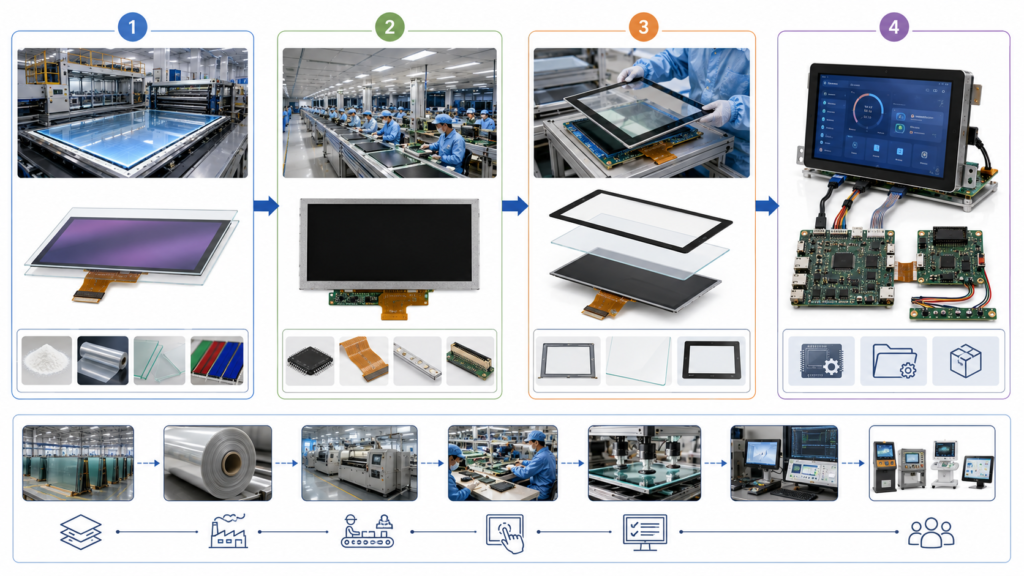
Слово “производитель” также используется в широком смысле. Одна компания может изготавливать ЖК-панели, другая — собирать модули вокруг закупленных панелей, а третья — координировать дисплеи, сенсорные экраны, контроллерные платы, прошивку и механическую интеграцию. Крупнейшая компания или компания, наиболее близкая к этапу производства панелей, не обязательно является лучшим поставщиком для OEM-проекта.
Правильный выбор зависит от работы, которую необходимо выполнить, доказательств, которые поставщик может предоставить, и конфигурации, которую покупателю необходимо контролировать от этапа образцов до серийного производства.
Оценка производителя TFT LCD дисплеев с использованием модулей, чертежей, записей о качестве и инженерных образцов
Определите, какой тип поставщика дисплеев вам необходим
Прежде чем сравнивать компании, определите, где проект находится в цепочке поставок дисплеев.
Тип поставщика
Типичная роль
Наилучшее соответствие
Потенциальное ограничение
Производитель панелей
Производит ЖК-ячейки или открытые панели в крупных производственных масштабах
Закупки панелей большими объемами и клиенты, нуждающиеся в доступе к определенной платформе панелей
Может напрямую не поддерживать малые OEM-объемы, нестандартные FPC, сенсорные экраны, контроллерные платы или интеграцию приложений
Производитель или интегратор ЖК-модулей
Объединяет панель с драйвером IC, FPC, подсветкой, рамкой и другими компонентами модуля
OEM-продукты, требующие полного TFT LCD модуля
Возможности значительно различаются в зависимости от размера модуля, технологического процесса, инженерных ресурсов и закупаемых компонентов
Интегратор сенсорных дисплеев
Объединяет ЖК-дисплей с сенсорным датчиком, контроллером, защитным стеклом и структурой склейки
Проекты, в которых передняя линза и сенсорный интерфейс являются ключевыми требованиями
Может не контролировать базовую ЖК-платформу или прошивку на стороне хоста
Поставщик дисплейных решений
Координирует выбор ЖК-дисплея, сенсора, контроллерной платы, прошивки, кабелей, питания и механической интеграции
Проекты встраиваемых HMI и оборудования, требующие системной инженерной поддержки
Должен четко определить, какие производственные процессы и компоненты являются внутренними, аутсорсинговыми или поставляются партнерами
Дистрибьютор или реселлер
Обеспечивает доступ к существующим продуктам одного или нескольких производителей
Стандартные продукты, замещающие закупки, образцы и устоявшиеся брендированные модули
Может иметь ограниченные полномочия в отношении кастомизации, изменений BOM, прошивки или политики жизненного цикла
Ни одна из этих моделей не является inherently непригодной. Проблема возникает, когда покупатель ожидает одну роль, а поставщик выполняет другую. Спросите, кто владеет спецификацией продукта, кто контролирует BOM, кто утверждает изменения, кто выполняет кастомизацию и кто отвечает за инженерную коммуникацию.
Начните с письменной базовой спецификации требований
Поставщик не может быть справедливо оценен на основе неполных требований. Если каждая компания интерпретирует “7-дюймовый промышленный сенсорный экран” по-разному, их образцы и котировки не будут представлять один и тот же продукт.
Базовая спецификация требований должна определять:
Целевое приложение и рабочая среда
Размер дисплея, активную область, разрешение, яркость и требования к углам обзора
Хост-процессор, контроллерную плату или источник видеосигнала
Интерфейс дисплея, тайминги, распиновку и ограничения по разъемам
Тип сенсорного ввода, контроллер, защитное стекло и интерфейс сенсорного ввода на стороне хоста
Требования к подсветке, регулировке яркости, питанию и запуску
Направление гибкого печатного шлейфа (FPC) и механический корпус
Требования к прошивке, драйверу, операционной системе и загрузке
Требуемые стандарты, декларации, испытания и процесс утверждения заказчиком
Образцы, пилотная партия, серийное производство и ожидаемые годовые объемы
Пометить каждое требование как обязательное, желательное или гибкое. Это позволяет поставщику предложить существующую платформу без незаметного изменения критически важного требования к продукту.
Оцените инженерные возможности с помощью реальной задачи на совместимость
Общие формулировки, такие как “поддерживает MIPI”, “поддерживает Android” или “доступен пользовательский интерфейс”, не подтверждают инженерную компетенцию. Предоставьте отобранным поставщикам реальную панель, материнскую плату, механический чертеж или проблему совместимости и оцените их реакцию.
MIPI DSI — это определенный интерфейс между хостом и дисплеем, однако интеграция панели по-прежнему зависит от конфигурации линий, синхронизации, режима работы, формата пикселей, инициализации, питания и реализации физического разъема.[1]
Прикладное руководство NXP для дисплейной системы MIPI DSI демонстрирует, что интеграция включает питание панели, сброс, GPIO подсветки, синхронизацию, полярность сигналов, тактовую частоту пикселей, конфигурацию D-PHY и драйвер, специфичный для конкретной панели.[2] Поставщик, который подтверждает совместимость только на основании названия интерфейса, разрешения и количества разъемов, не провел надлежащую проверку.
Инженерные доказательства
Что должно содержать полезное заключение
Предупреждающий признак
Анализ технической документации
Точная модель, синхронизация, назначение выводов, питание, подсветка, драйверный ИС и нерешенные вопросы
Одобрение только на основании размера и разрешения
Согласование интерфейса
Сравнение возможностей хоста и панели на уровне платы
Использование возможностей SoC как доказательства того, что фактическая плата поддерживает панель
Механическая проверка
Габаритные размеры модуля, активная область, FPC, разъем, защитное стекло и зазоры корпуса
Соответствие, одобренное на основании фотографии изделия
Проверка сенсорного экрана
Учитываются контроллер, интерфейс, драйвер, координаты, структура покровного стекла и условия эксплуатации
Сенсорный ввод считается работающим, поскольку изображение на ЖК-экране работает
Объем прошивки
Определены поддерживаемая плата, образ, панель, результаты поставки, ограничение версий и метод валидации
Неограниченная “пользовательская прошивка”, обещанная без контролируемой платформы
Цель — не требовать полного проектирования до размещения заказа. Цель — определить, выявляет ли поставщик реальные инженерные зависимости и документирует ли то, что остается неподтвержденным.
Проверьте процесс управления спецификацией продукта и контроля версий
Поставщик должен точно указать, что будет поставлено в качестве образцов и что будет поставляться в серийном производстве. Маркетинговое название продукта не является достаточным контролем конфигурации.
Электрические характеристики и таблица синхронизации
Определение выводов FPC и информация о разъеме
Драйверный ИС и требования к инициализации
Спецификация подсветки
Информация о контроллере сенсорного ввода и защитном стекле
Версия платы контроллера и определение кабеля
Версия прошивки или BSP
Утвержденные критерии внешнего вида
Требования к упаковке и маркировке
Уточнить, как выпускаются, утверждаются и связываются с производством ревизии документов. Поставщик может располагать квалифицированными инженерами, но при этом создавать риски, если чертежи, отправленные на этапе образцов, не связаны с перечнем компонентов (BOM) и производственными инструкциями.
Проверьте систему менеджмента качества за пределами сертификата
ISO 9001 определяет требования к созданию, поддержанию и постоянному улучшению системы менеджмента качества. ISO также отмечает, что сертификация является добровольной и что организации или заказчики могут проводить аудит системы самостоятельно.[3]
Сертификат может служить полезным доказательством, но он не подтверждает независимо, что конкретный дисплей соответствует оптическим, электрическим, механическим, экологическим требованиям или требованиям жизненного цикла заказчика.
Если поставщик предоставляет сертификат качества, необходимо проверить:
Пункт сертификата
Почему это важно
Юридическое наименование организации
Подтверждает, что сертифицированным лицом является компания или объект, проходящий оценку
Адрес объекта
Показывает, какие объекты входят в область сертификации
Стандарт и редакция
Исключает опору на общее заявление “сертифицировано по ISO”
Область сертификации
Показывает, включены ли соответствующие виды деятельности по отображению информации или электронике
Орган, выдавший сертификат
Позволяет покупателю проверить происхождение сертификата
Срок действия и статус сертификата
Выявляет просроченные, приостановленные или заменённые документы
Затем изучите, как система работает для предлагаемой продукции. Полезные доказательства включают: контроль входных материалов, технологические инструкции, записи инспекций, калибровку оборудования, обучение операторов, контроль несоответствующих материалов, прослеживаемость, корректирующие действия и историю пересмотра документов.
Не устанавливайте единый общий целевой показатель уровня дефектов для каждого проекта отображения. Приёмка по внешнему виду, функциональные отказы, планы выборки, методы испытаний и правила эскалации должны быть согласованы для конкретного применения.
Изучите входной, производственный и финальный контроль
Готовый модуль TFT LCD содержит закупленные и обработанные элементы, которые могут включать ЖК-панель, драйвер ИС, FPC, разъём, подсветку, рамку, поляризаторы, контроллер сенсора, датчик, покровное стекло, клей и кабели. Только финальный визуальный контроль не может управлять всеми источниками вариативности.
Этап контроля
Запрашиваемые доказательства
Входной контроль
Идентификация материалов, статус поставщика, критерии инспекции, записи партий и обработка несоответствий
Контроль процесса
Рабочие инструкции, контролируемые параметры, допуск операторов, проверки оборудования и записи в процессе производства
Функциональная инспекция
Тестовые изображения, работа интерфейса, подсветка, сенсор, ток и функции, специфичные для проекта
Контроль внешнего вида
Освещение, расстояние просмотра, область инспекции, определения дефектов и критерии приёмки
Контроль отгрузки
Выпуск партии, проверка модели и ревизии, количество, упаковка, маркировка и прослеживаемость отгрузки
Запрашивайте анонимизированные образцы записей, если конфиденциальные производственные документы не могут быть переданы. Цель — проверить, что контроль существует и связан с конкретным продуктом, а не получить конфиденциальную информацию другого заказчика.
Определите испытания на надежность исходя из применения
Не существует универсальных условий испытаний на надёжность, которые подтверждают пригодность каждого TFT LCD для любого применения. Температура, влажность, вибрация, удар, ЭСР, УФ-воздействие, продолжительность работы, способ монтажа и критерии приёмки зависят от среды эксплуатации продукта и применимых требований.
Стандарты IEC по экологическим испытаниям иллюстрируют, почему заявления об испытаниях требуют полных условий. Например, IEC 60068-2-57 определяет процедуры оценки образца при заданных уровнях переходной вибрации.[4] Заявление типа “испытано на вибрацию” является неполным без указания метода, способа крепления, осей, профиля, уровня воздействия, продолжительности, конфигурации образца и критериев приёмки/отбраковки.
Для каждого требуемого испытания задокументируйте:
Стандарт испытания и редакцию, если применимо
Точный метод и уровень воздействия
Рабочее или нерабочее состояние
Конфигурацию и количество образцов
Условия монтажа и электрические условия
Измерения до, во время и после испытания
Критерии приёмки
Лабораторию и идентификацию отчёта
Не принимайте данные испытаний визуально аналогичного дисплея в качестве подтверждения квалификации предлагаемого модуля, если связь между конфигурациями не обоснована технически и не одобрена.
Оцените кастомизацию в рамках контролируемой платформы
Возможность кастомизации должна оцениваться с учётом работ, которые поставщик фактически контролирует. Компания, способная подготовить индивидуальное покровное стекло, может не контролировать проектирование ЖК-ячейки. Поставщик, способный модифицировать FPC, может быть не в состоянии изменить собственное разрешение панели или архитектуру драйвера.
Практическая область кастомизации RJY Display основана на существующих дисплейных модулях. В зависимости от осуществимости проект может координировать покровное стекло, сенсорный экран, подсветку, FPC, интерфейс, плату контроллера, прошивку и механическую конструкцию. Это не должно представляться как неограниченная разработка любого нового размера ЖК-экрана.
Область кастомизации
Запрашиваемые доказательства
Покровное стекло
Чертеж, художественное оформление, допуски, детали кромок, интерфейс склейки, утверждение образца и критерии внешнего вида
Сенсорный экран
Определение датчика и контроллера, FPC, интерфейс хоста, драйвер, сопоставление координат и план валидации
Подсветка
Электрические требования, путь драйвера, регулировка яркости, питание, тепловой анализ и подтверждённая целевая яркость
Гибкий печатный кабель (FPC)
Схема, назначение выводов, компоновка, разъём, ориентация, механические габариты и испытание образца
Плата контроллера
Ревизия платы, реализованные интерфейсы, режимы ввода, питание, подсветка, путь сенсора и прошивка
Прошивка
Поддерживаемая платформа, результаты, статус исходного или бинарного кода, область ревизии, право собственности и валидация
Образец не должен быть одобрен только потому, что он включается. Зафиксируйте точную конфигурацию аппаратного и программного обеспечения, использованную при оценке.
Запись об образце должна идентифицировать:
Модель и ревизия ЖК-дисплея
Контроллер сенсора и ревизию покровного стекла
Версии FPC и кабеля
Ревизия платы контроллера
Версия прошивки, BSP или драйвера
Конфигурация источника питания и подсветки
Версия тестового приложения и пользовательского интерфейса
Механическое крепление или корпус
Известные отклонения и открытые вопросы
После утверждения необходимо определить, каким образом данная конфигурация становится производственным эталоном. Сохранённый эталонный образец может быть полезен, но он должен подкрепляться контролируемыми спецификациями и критериями приёмки. Физический образец сам по себе не может определить скрытые ревизии компонентов или содержимое прошивки.
Проверьте возможность проведения корректирующих действий
Уточните, как поставщик реагирует при обнаружении дефекта в ходе входного контроля, сборки, эксплуатации или производства. Точный формат корректирующих действий может различаться; важно, чтобы процесс содержал доказательства, локализацию, анализ корневых причин, корректирующие действия, проверку и предотвращение повторения.
Полезный отчёт о проблеме должен содержать:
Затронутое изделие, ревизию, партию и количество
Описание отказа и условия воспроизведения
Немедленные меры локализации
Данные расследования и вывод о корневой причине
Корректирующие и предупреждающие действия
Ответственное лицо за внедрение и сроки
Доказательства эффективности принятых мер
Влияние на другие изделия или партии
Следует проявлять осторожность, если каждый отказ объясняется действиями пользователя без доказательств осмотра, или если предлагаются замены без выяснения того, сохраняется ли производственный риск.
Изучите процедуры жизненного цикла, PCN и EOL
Не следует предполагать, что какой-либо поставщик гарантирует поставку дисплея бессрочно. ЖК-панели, драйверные ИС, сенсорные контроллеры, светодиоды, разъёмы, память и другие компоненты могут изменяться или становиться недоступными.
Попросите поставщика разъяснить его процесс по следующим пунктам:
Уведомление об изменении продукции
Замена компонентов
Ревизия чертежей и прошивки
Уведомление о прекращении выпуска
Обработка закупок последней партии
Оценка заменяющей продукции
Согласование с заказчиком и повторная квалификация
Не предполагайте наличие гарантии поставок на три, пять или десять лет, если она не предоставлена для конкретной модели в рамках письменного соглашения. Также не предполагайте, что альтернативная панель или драйверная ИС будут совместимы по выводам, механически или по прошивке.
Проверьте нормативную и клиенто-специфичную документацию
Дисплейный модуль не наследует автоматически все разрешения, требуемые для готового оборудования. Определите, какие декларации о материалах, отчёты об испытаниях, сертификаты систем менеджмента, записи о прослеживаемости или документы, требуемые заказчиком, применимы к целевой продукции и рынку.
Для каждого документа подтвердите:
Проверка документа
Вопрос
Субъект
Какая компания или предприятие выпустило или владеет документом?
Охват продукции
Указывает ли документ точный компонент, семейство, материал или процесс?
Стандарт или регламент
На какую редакцию, требование, исключение или рынок даётся ссылка?
Дата и срок действия
Является ли документ актуальным для предлагаемой производственной конфигурации?
Связь с ревизиями
Требует ли изменение состава изделия или материалов новой декларации или испытаний?
Ответственность за готовую продукцию
Какие виды деятельности по подтверждению соответствия остаются за производителем оборудования?
Логотип поставщика, значок на веб-сайте или заявление о том, что продукция является “медицинской”, “автомобильной” или “промышленной”, не заменяют доказательств, специфичных для конкретного применения.
Нормализуйте коммерческие условия перед сравнением поставщиков
Два поставщика могут указать одинаковую цену на номинально одинаковый дисплей, поскольку их объём поставки различается. Приведите котировки к сопоставимому виду перед оценкой коммерческой конкурентоспособности.
Результаты работ, право собственности, revisions, техническое обслуживание и условия возврата или зачёта средств, если применимо
Образцы
Количество, конфигурация, прошивка, сборка, валидация и отгрузка
Производственная цена
Тот же объём заказа, валюта, срок действия и состав компонентов
Минимальный объём заказа (MOQ)
Стандартный модуль, каждый индивидуальный компонент, производственный заказ и любые годовые обязательства
Базис поставки
Инкотермс, указанное место, фрахт, страховка, пошлины, налоги и обработка в пункте назначения
Оплата и гарантия
Этапы оплаты, окно инспекции, объём гарантии, исключения и меры возмещения
Правила Инкотермс ICC определяют обязанности, затраты и риски между покупателем и продавцом в международных сделках.[5] Зафиксируйте выбранное правило и указанное место, чтобы очевидная разница в цене не сводилась лишь к различиям во фрахте или импортных обязательствах.
Текущий раздел FAQ компании RJY Display содержит общее указание, что для индивидуальных продуктов обычно требуется минимальный объём заказа (MOQ) от 500 единиц.[6] Фактический MOQ должен быть подтверждён отдельно для дисплея и каждого индивидуального компонента. Среднеотраслевые значения MOQ не следует рассматривать как обязательства конкретного поставщика.
Оцените техническую коммуникацию
Хорошая коммуникация не определяется только скоростью ответа. Быстрое безоговорочное “да” может создать больше рисков, чем более медленный ответ, выявляющий недостающую информацию.
При оценке поставщика проверьте, выполняет ли компания следующее:
Разделяет подтверждённые факты и предположения
Возвращает аннотированные чертежи и конкретные технические вопросы
Указывает инженера или команду, ответственную за рассмотрение
Использует последовательные номера моделей и версии документов
Фиксирует решения, принятые в ходе переговоров и отладки образцов
Объясняет ограничения до принятия заказа
Способна доводить изменения до отделов закупок и инженерии
Для проектов, обслуживающих несколько стран, также определите, как будут контролироваться спецификации, чертежи, переводы и утверждения. Переведённый документ не должен становиться иной технической спецификацией.
Матрица оценки производителя TFT LCD
Область оценки
Доказательства для сбора
Решающий вопрос
Роль поставщика
Юридическое лицо, площадка, контролируемые процессы, субподрядные работы и ответственность за продукт
Соответствует ли бизнес-модель требованиям проекта?
Инженерия
Анализ технического описания, аннотированные чертежи, анализ совместимости и перечень нерешённых вопросов
Способен ли поставщик оценить всю дисплейную систему?
Документация
Спецификация, чертёж, назначение выводов, тайминги, контроль BOM и процесс revisions
Можно ли идентифицировать и воспроизвести производственную конфигурацию?
Система качества
Применимые сертификаты, процедуры, записи, прослеживаемость и результаты аудитов
Действуют ли задокументированные контроли на предлагаемом продукте?
Тестирование
План испытаний, условия, конфигурация образцов, критерии приёмки и отчёты
Соответствуют ли доказательства требованиям применения?
Кастомизация
Существующий базовый модуль, контролируемые изменения, оснастка, результаты работ и план образцов
Находится ли запрашиваемая кастомизация в пределах подтверждённых возможностей?
Жизненный цикл
PCN, EOL, замена, последний заказ (last-time-buy) и процедуры замены продукта
Могут ли изменения быть управляемыми до того, как они нарушат производственный процесс?
Корректирующее действие
Пример записей о локализации, первопричине, корректирующих действиях и оценке эффективности
Можно ли расследовать отказы и предотвращать их повторение?
Коммерческий объем
Нормированное коммерческое предложение, минимальный объем заказа (MOQ), затраты на разработку (NRE), условия по образцам, срокам поставки, оплате и гарантии
Ясен ли общий объем проекта и сопоставим ли он?
Коммуникация
Точность ответов, дисциплина внесения изменений, протоколы совещаний и путь эскалации
Можно ли обеспечить прослеживаемость инженерных и закупочных решений?
Используйте матрицу в первую очередь как инструмент «пройти или провести расследование». Взвешенная оценка может быть добавлена позже на основе фактического риска продукта; она не должна скрывать критический сбой в совместимости, документации, соответствии требованиям или контроле изменений.
Что отправлять при запросе проверки производителя
Подготовьте пакет документов для поставщика, содержащий:
Целевое применение и целевые рынки сбыта
Спецификацию дисплея или эталонную модель
Информацию о базовой плате и доступных интерфейсах
Механический чертеж или габаритный корпус
Репрезентативный дизайн пользовательского интерфейса и ориентацию
Требования к сенсорному вводу и покровному стеклу
Требования к подсветке, питанию и регулировке яркости
Требования к прошивке и операционной системе
Требуемые испытания, стандарты, декларации и отчеты
Объемы образцов, пилотной партии и серийного производства
Ожидаемый годовой спрос и жизненный цикл продукта
Требуемые условия по PCN, EOL, гарантии и согласованию изменений
Попросите каждого отобранного поставщика ответить на один и тот же пакет документов. Это обеспечит сопоставимые технические предложения и выявит, где остаются допущения.
Запросите проверку проекта TFT LCD
Компания RJY Display может провести анализ существующей платформы TFT LCD на соответствие вашим требованиям к дисплею, интерфейсу, сенсорному экрану, покровному стеклу, подсветке, гибкому шлейфу (FPC), контроллерной плате, прошивке, механике, объему и документации.
В чем разница между производителем ЖК-панелей и производителем TFT LCD модулей?
Производитель ЖК-панелей изготавливает ЖК-ячейку или открытую панель. Производитель или интегратор TFT LCD модулей объединяет панель с такими компонентами, как драйверная ИС, гибкий шлейф (FPC), подсветка, рамка, разъем, а иногда и сенсорный экран. Покупатели должны уточнить, какие процессы и зоны ответственности за продукт фактически контролирует поставщик.
Подтверждает ли сертификат ISO 9001, что TFT LCD подходит для вашего продукта?
Нет. ISO 9001 касается системы менеджмента качества поставщика. Следует проверить область действия сертификата, площадку, статус и орган, выдавший сертификат, но дисплей все равно должен быть валидирован на соответствие оптическим, электрическим, механическим, экологическим, нормативным требованиям и требованиям жизненного цикла проекта.
Каков типичный минимальный объем заказа (MOQ) для заказного TFT LCD?
Не существует отраслевого MOQ, применимого ко всем поставщикам или проектам. Текущий общий ориентир компании RJY Display заключается в том, что заказные продукты обычно требуют 500 единиц или более, однако фактический MOQ зависит от базового модуля, заказных компонентов, оснастки, требований к закупкам и объема проекта.
Как я могу проверить возможности производителя дисплеев по кастомизации?
Предоставьте реальные требования проекта и запросите размеченные чертежи, определенный базовый модуль, инженерные вопросы, результаты кастомизации, объем оснастки, план образцов, границы прошивки и метод валидации. Общие заявления или фотографии оборудования не доказывают, что поставщик способен выполнить требуемую конфигурацию.
Что должно быть включено в утвержденную конфигурацию образца TFT LCD?
Зафиксируйте модель ЖК-дисплея и ревизию, контроллер сенсорного экрана, покровное стекло, гибкий шлейф (FPC), кабели, ревизию контроллерной платы, версию прошивки или драйвера, конфигурацию питания и подсветки, тестовое приложение, механическую сборку, известные отклонения и контролируемые документы, использованные для утверждения.
Как следует оценивать поддержку жизненного цикла TFT LCD?
Изучите процедуры поставщика по PCN, замене компонентов, EOL, последней закупке, замене, контролю ревизий и согласованию с заказчиком. Не предполагайте наличие гарантии фиксированных поставок или периода предварительного уведомления, если это не указано для конкретного продукта в письменном соглашении.
Международная электротехническая комиссия, “IEC 60068-2-57:2013 — Испытания на воздействие окружающей среды, испытание Ff: вибрация”.” https://webstore.iec.ch/en/publication/542