Столкнулись с трудностями в проекте встраиваемого дисплея?
Не позволяйте сложной интеграции или проблемам цепочки поставок замедлить ваш выход на рынок. Забронируйте бесплатную консультацию с экспертной командой RJY для получения индивидуальной поддержки в проектировании и производстве.
Определение ЖК-дисплея: Технология, принципы работы, области применения и перспективы развития в 2026 году
Определить ЖК-дисплей в контексте электронной инженерии — значит понять дисплейную систему, основанную на электрооптической модуляции света с помощью жидких кристаллов. Широко применяемые в промышленной автоматике, автомобильных системах, медицинских интерфейсах и встраиваемой электронике, жидкокристаллические дисплеи (ЖК-дисплеи) остаются основой технологии плоскопанельных дисплеев.
Published:
17 минут чтения
Updated:
Онтологическая основа и этимология технологии жидких кристаллов
Для определения технологии ЖК-дисплеев в современную эпоху требуется понимание, выходящее за рамки базовой аббревиатуры. ЖК-дисплей (LCD) — это электронно-модулируемое оптическое устройство, использующее уникальные свойства модуляции света жидкими кристаллами в сочетании с сложными поляризационными фильтрами для отображения изображений, текста и видео. В отличие от самоизлучающих технологий, ЖК-дисплей по сути действует как “световой клапан”. Он не генерирует собственные фотоны, а регулирует пропускание света от внешнего источника, обычно высокоинтенсивной LED-подсветки или, в отражательных конфигурациях, окружающего света.
При попытке определить механику ЖК-экрана разговор должен начинаться с самого состояния вещества. Жидкие кристаллы — это вещества, проявляющие двойственную природу: они обладают текучестью и позиционной хаотичностью жидкостей, сохраняя при этом дальний ориентационный порядок и анизотропные физические свойства твердых кристаллов. Это состояние вещества, часто называемое мезофазой, позволяет материалу реагировать на внешние электрические стимулы путем переориентации своих молекулярных осей. Эта переориентация изменяет оптическое двойное лучепреломление среды, что является механизмом, обеспечивающим избирательное блокирование или пропускание света.
На современном глобальном рынке под ЖК-панелями почти исключительно понимаются тонкопленочные транзисторные жидкокристаллические дисплеи (TFT-LCD). Это активные матричные дисплеи, в которых каждый отдельный пиксель управляется выделенным транзистором, что обеспечивает высокое разрешение, глубокую цветопередачу и высокую частоту обновления, необходимые для всего: от смартфонов и телевизоров до критически важных медицинских диагностических мониторов и военной авионики. Замена тяжелых громоздких электронно-лучевых трубок (ЭЛТ) технологией ЖК-дисплеев в конце 2000-х годов ознаменовала смену парадигмы во взаимодействии человека и машины, освободив информацию от настольных силовых кабелей и обеспечив революцию мобильных вычислений.
Эволюция технологии ЖК-дисплеев
Эволюция технологии ЖК-дисплеев — это история постоянного научного любопытства, которое в конечном итоге переросло в промышленного гиганта. Хотя многие воспринимают ее как современное изобретение, фундаментальное открытие датируется концом XIX века.
Открытие и ранние научные курьезы (1888–1960)
Путь начался в 1888 году, когда австрийский ботаник-физиолог Фридрих Райнитцер изучал свойства плавления производных холестерина, извлеченных из моркови. Он наблюдал две различные точки плавления: сначала вещество плавилось в мутную жидкость, а затем, при более высокой температуре, в прозрачную. Немецкий физик Отто Леманн продолжил эти исследования и ввел термин “текучие кристаллы” или “жидкие кристаллы” для описания этого уникального состояния. Несмотря на эти ранние прорывы, материал оставался научной диковинкой почти 80 лет, и ученые часто рассматривали его как курьез без практического применения.
Жидкокристаллический световой клапан
Переход к технологии начался в 1911 году, когда Шарль Моген экспериментировал с жидкими кристаллами, заключенными между пластинами, а в 1927 году Всеволод Фредерикс разработал переход Фредерикса — электрически переключаемый эффект светового клапана который остается основным принципом всех современных ЖК-технологий. Компания Marconi Wireless Telegraph запатентовала первое практическое применение — “Жидкокристаллический световой клапан” — в 1936 году, хотя коммерческая реализация была еще далека.
Появление рабочих дисплеев (1960–1980)
1960-е годы принесли ренессанс в исследования жидких кристаллов, особенно в Radio Corporation of America (RCA) в США. В 1962 году Ричард Уильямс обнаружил электрооптические характеристики жидких кристаллов, а к 1968 году Джордж Хейлмайер представил первый рабочий жидкокристаллический дисплей на основе режима динамического рассеяния (DSM). Однако DSM-дисплеи требовали рабочих температур около 80°C и значительной мощности, что ограничивало их коммерческую привлекательность.
Ключевой прорыв произошел в 1971 году, когда Джеймс Фергасон в США и Мартин Шадт с Вольфгангом Хельфрихом в Швейцарии разработали твист-нематическую (TN) ячейку. Эффект TN позволил дисплеям работать при комнатной температуре с значительно более низкими напряжениями и энергопотреблением. Это напрямую привело к взрывному росту использования ЖК-дисплеев в наручных часах и карманных калькуляторах на протяжении 1970-х годов, кульминацией чего стал выпуск в 1974 году Casiotron — первых цифровых часов с функцией календаря.
Индустриализация и революция активных матриц (1980–2010)
К 1980-м годам фокус сместился в сторону цвета и более высокой информационной плотности. Первый цветной плоский ЖК-телевизор был представлен в Японии в 1984 году, а в 1988 году Sharp анонсировала 14-дюймовый полноцветный TFT-LCD с активной матрицей. Эта разработка была решающей, поскольку доказала, что технология ЖК-дисплеев может масштабироваться до размеров, подходящих для компьютерных мониторов и телевизоров. На протяжении 1990-х годов ЖК-дисплеи стали основополагающей технологией для рынка ноутбуков, так как они были единственной платформой плоских панелей, достаточно тонкой и энергоэффективной для работы от батареи.
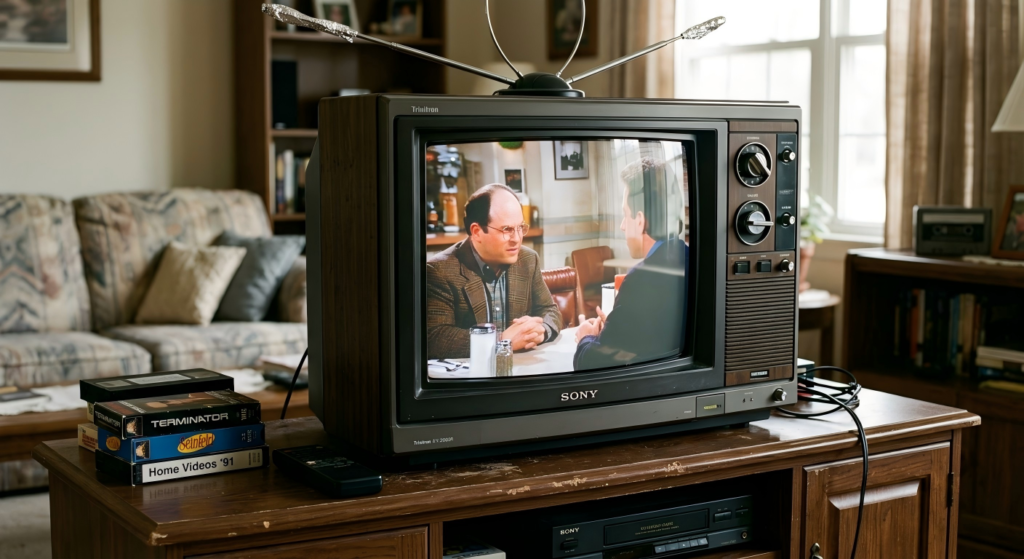
Классические телевизоры Sony на ЭЛТ
В 2007 году произошел знаковый момент: мировые продажи ЖК-телевизоров впервые превысили продажи ЭЛТ-телевизоров. Этот переход был подпитан улучшениями в производстве, которые снизили затраты, одновременно увеличив контрастность и углы обзора благодаря новым технологиям, таким как In-Plane Switching (IPS) и Vertical Alignment (VA).
Знаковый год
Событие
Влияние
1888
Фридрих Райницер открывает жидкие кристаллы.
Закладываются основы физики мезофаз.
1927
Открытие перехода Фредерикса.
Установлен принцип электрического переключения.
1968
Джордж Хейлмайер (RCA) представляет DSM-LCD.
Первое работоспособное жидкокристаллическое устройство отображения.
1971
Разработка твистированного нематического (TN) элемента.
Обеспечена возможность создания низкопотребляющих дисплеев, работающих при комнатной температуре.
1984
Первый цветной плоский LCD-телевизор представлен в Японии.
Сдвиг в сторону мультимедийных приложений.
1988
Sharp выпускает 14-дюймовый TFT-LCD.
Доказана масштабируемость технологии для рынка ПК.
2007
Глобальные продажи LCD впервые превосходят продажи CRT.
Доминирование технологии плоских панелей.
2025-2026
Интеграция технологий Mini-LED и QLED.
Сближение характеристик LCD и OLED.
Физические принципы: молекулярный порядок и оптическая анизотропия
Вопрос о том как работает ЖК-панель рассматривается через призму физики конденсированного состояния, в частности, изучения “мягкой материи”. Молекулы жидких кристаллов, обычно стержнеобразной (каламитической) или дискообразной (дискотической) формы, выстраиваются таким образом, чтобы минимизировать свободную энергию системы.
Термодинамические мезофазы и директор
В обычной жидкости молекулы движутся хаотично, без порядка. В кристаллическом твердом теле они зафиксированы в трёхмерной решётке. Жидкие кристаллы занимают промежуточное состояние.
Нематическая фаза: Это наиболее важная фаза для технологии дисплеев. Молекулы не имеют позиционного порядка, но проявляют одномерный дальний ориентационный порядок. Они стремятся ориентироваться в общем направлении, описываемом безразмерным единичным вектором, называемым директором (n).
Смектическая фаза: Более упорядоченная, чем нематическая фаза, смектические жидкие кристаллы организованы в слои. Сохраняя ориентационный порядок, они также обладают определённой степенью позиционного порядка, что делает их похожими на высоковязкие жидкости или мыла.
Хиральная фаза (холестерическая): Образуемая оптически активными молекулами, эта фаза характеризуется директором, который вращается по спиральной структуре по всему объёму материала. Расстояние, необходимое для полного поворота директора на 360 градусов, называется “шагом” спирали.
Двойное лучепреломление и модуляция света
Основой, которую использует ЖК-технология, является двулучепреломление, или двойное лучепреломление. Поскольку молекулы жидких кристаллов анизотропны, свет, проходящий через них, испытывает различные показатели преломления в зависимости от его поляризации относительно директора.
Испытывается светом, поляризованным параллельно директору.neИспытывается светом, поляризованным перпендикулярно директору. Разность Δn = n_e − n_o является величиной двулучепреломления.
Когда поляризованный свет попадает в ячейку с жидким кристаллом, он разделяется на две компоненты, которые распространяются с разными скоростями, создавая фазовую задержку.n=neК моменту выхода света из ячейки его состояние поляризации оказывается повёрнутым или изменённым на эллиптическую поляризацию.noИспользуя второй поляризатор (анализатор) на выходе, система может избирательно блокировать или пропускать свет в зависимости от степени поворота, вызванной жидкими кристаллами. Реакция жидких кристаллов на электрическое поле определяется их диэлектрической анизотропией. Большинство жидких кристаллов, используемых в дисплеях, имеют положительную диэлектрическую анизотропию, что означает, что диполи молекул стремятся сориентироваться параллельно приложенному электрическому полю. В TN-дисплее приложение напряжения «раскручивает» молекулы, заставляя их вставать перпендикулярно стеклянным подложкам.
Диэлектрическая анизотропия и электрическое поле
Это останавливает вращение плоскости поляризации света, в результате чего пиксель выглядит тёмным при наблюдении через скрещенные поляризаторы. Недавние исследования, отмеченные в 2025 году, сосредоточены на ферроэлектрической нематической (N_F) фазе. В отличие от стандартных нематиков, фазы N_F обладают спонтанным полярным упорядоченным состоянием, в котором все молекулы направлены в одну сторону, что приводит к диэлектрической проницаемости (ε) величиной до 20 000. Это обеспечивает чувствительность к электрическим полям на порядки величин выше, чем у традиционных материалов, открывая перспективы создания дисплеев со сверхнизким энергопотреблением и наносекундными скоростями переключения.
Недавние исследования, освещенные в 2025 году, сосредоточены на сегнетоэлектрической нематической (NF) фазе. В отличие от стандартных нематиков, NFСовременные дисплеи используют исключительно светодиоды (LED). К 2025-2026 годам индустрия перешла к массивам Mini-LED, в которых используются тысячи крошечных светодиодов для создания локальных зон затемнения с целью улучшения контрастности.ε) до 20 000. Это обеспечивает чувствительность к электрическим полям на порядки выше, чем у обычных материалов, что обещает дисплеи со сверхнизким энергопотреблением и скоростью переключения в наносекундном диапазоне.
Анатомическая структура: инженерия стека дисплея
Рассеивающие и призматические плёнки:.
Блок подсветки (BLU) и управление светом
Эти слои “перерабатывают” свет и направляют его к зрителю, максимизируя яркость и минимизируя энергопотребление.
Задний и передний поляризаторы: Эти фильтры являются «привратниками». Обычно ориентированные под углом 90 градусов друг к другу, они гарантируют, что до глаза доходит только свет с правильным поворотом поляризации.
Стеклянные подложки: Специализированное стекло, сформированное методом фьюзинга (часто от поставщиков вроде Corning), обеспечивает стабильную и лёгкую платформу для электроники. В передовых конструкциях 2026 года производители используют сверхтонкое стекло для поддержки гибких или изогнутых архитектур.
Слой TFT: Это “мозг” панели. Сетка из транзисторов на основе аморфного кремния (a-Si) или низкотемпературного поликристаллического кремния (LTPS) позволяет независимо управлять каждым субпикселем.
Поляризаторы и подложки
Цветовой фильтр (CF): These filters are the “gatekeepers.” Typically oriented 90 degrees to each other, they ensure that only correctly rotated light reaches the eye.
Glass Substrates: Specialized fusion-formed glass, often from suppliers like Corning, provides the stable, lightweight platform for the electronics. In high-end 2026 designs, manufacturers are utilizing ultra-thin glass to support flexible or curved architectures.
Поляризаторы и подложки
Матрица активных элементов и цветовые фильтры
TFT Layer: This is the “brain” of the panel. A grid of amorphous silicon (a-Si) or Low-Temperature Polycrystalline Silicon (LTPS) transistors allows for independent control of every sub-pixel.
Color Filter (CF): Сетка из красного, зеленого и синего (RGB) фоторезистов. Каждый пиксель состоит из трех субпикселей. Изменяя напряжение на каждом субпикселе, ЖК-дисплей может воспроизводить миллионы цветов.
Черная матрица: Сетка фоторезиста с углеродным пигментом, разделяющая субпиксели. Она служит для увеличения контрастности и предотвращения “цветовых перекрестных помех”, когда свет от одного субпикселя проникает в другой.
Расширенная техническая таксономия: режимы TN, IPS и VA
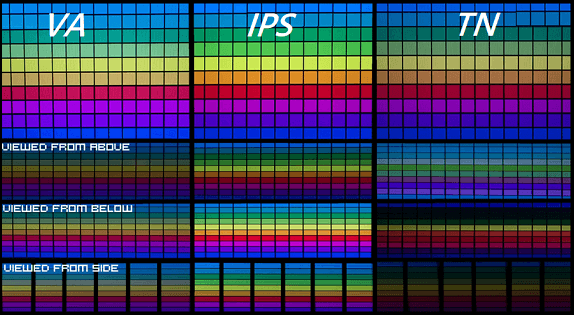
Хотя основные принципы остаются неизменными, внутренняя ориентация жидких кристаллов определяет эксплуатационные характеристики панели. Различные внутренние структуры привели к появлению современных основных типов панелей: TN, IPS и VA. .
Режимы TN, IPS и VA
Панели с твист-нематическим эффектом (TN)
TN — наиболее зрелая и экономически эффективная технология. В “выключенном” состоянии жидкие кристаллы закручены на 90 градусов, поворачивая свет и позволяя ему проходить. TN-панели Они ценятся за высокую частоту обновления и низкую стоимость производства, что делает их повсеместно распространенными в стандартных офисных мониторах и бюджетных ноутбуках. Однако они страдают от плохих углов обзора и искажения цветов.
Панели с переключением в плоскости (IPS)
Разработанная для устранения ограничений TN, VA-панелях технология IPS выравнивает жидкие кристаллы в горизонтальной плоскости. При подаче напряжения молекулы вращаются в этой плоскости. Это обеспечивает значительно более широкие углы обзора (обычно 178 градусов) и превосходную цветопередачу. IPS является отраслевым стандартом для профессиональной творческой работы и медицинской диагностической визуализации.
Панели с вертикальным выравниванием (VA)
В панелях VA кристаллы в выключенном состоянии выровнены вертикально. Это эффективно блокирует свет, обеспечивая наиболее глубокий черный цвет и самые высокие коэффициенты контрастности среди всех типов ЖК-дисплеев (часто 3000:1 или 4000:1). Хотя они обеспечивают лучшие углы обзора, чем TN, они могут страдать от более медленного времени отклика и “сдвига гаммы” при взгляде под углом.
Супер-твист нематические (STN) и специализированные варианты
Для более простых, маломощных применений, таких как промышленные измерительные приборы, в STN-дисплеях используется угол скручивания более 90 градусов (часто от 180 до 270 градусов). Это создает более крутую электрооптическую характеристику, позволяя отображать больше строк данных в пассивно-матричной конфигурации без транзистора в каждом пикселе. Двухслойные (DSTN) и цветные (CSTN) варианты были распространены до резкого снижения цен на технологию TFT.
Производство: от сырого стекла до модуля
Международный форум по аккредитации (IAF) Производство TFT-LCD представляет собой многомиллиардное предприятие, требующее сверхчистых, свободных от пыли сред для обеспечения бездефектного выпуска продукции.
Процесс формирования матрицы: создание транзисторной основы
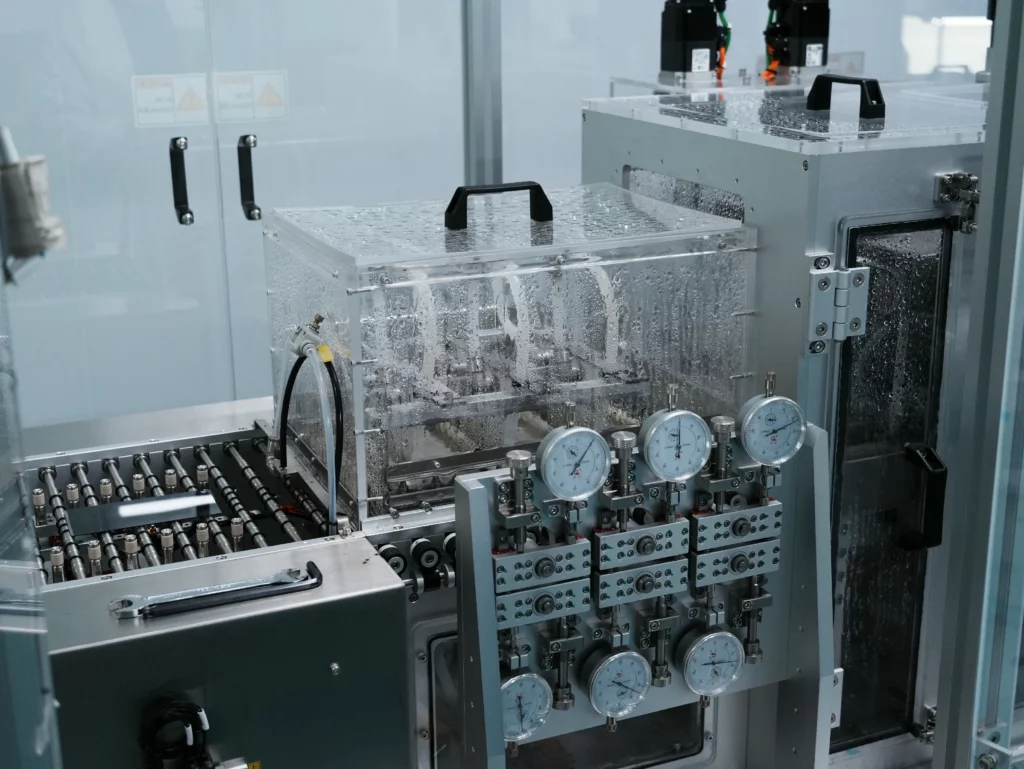
Очистка стеклянной подложки: Процесс начинается с интенсивной химической и ультразвуковой очистки для удаления всех загрязнений.
Нанесение тонких пленок: Слои полупроводникового материала (a-Si), затворного изолятора и проводящего ITO наносятся методом распыления или химического осаждения из паровой фазы (CVD).
Фотолитография (Формирование рисунка): Наносится светочувствительный фоторезист (PR), который экспонируется УФ-светом через фотошаблон с рисунком схемы, а затем проявляется.
Травление и удаление: Излишки материала удаляются плазмой или кислотами, оставляя только рисунок транзисторов, а остаточный фоторезист снимается. Этот цикл повторяется многократно для построения полной 3D-структуры транзистора.
Очистка стеклянной подложки
Процесс сборки ячейки: создание светового клапана
Нанесение полиимида (PI): Тонкий слой PI наносится как на стекло с TFT, так и на стекло цветового фильтра.
Шлифовка (Выравнивание): Вращающийся барабан с бархатной тканью шлифует слой PI, создавая микроскопические бороздки, которые определяют начальную ориентацию молекул ЖК.
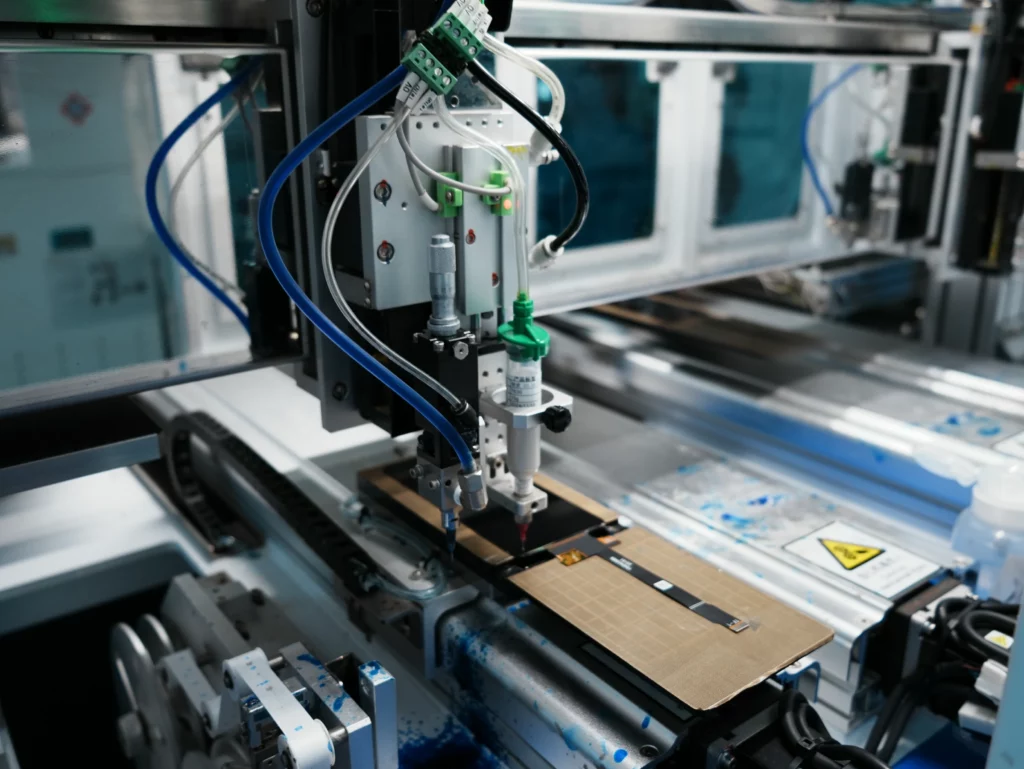
Распределение спейсеров и нанесение герметика: Спейсеры распределяются для поддержания зазора между стеклами (обычно 3–5 микрон), а эпоксидный герметик наносится по периметру.
Инжекция жидких кристаллов (ODF): На современных линиях жидкие кристаллы наносятся на стекло до соединения двух подложек в вакууме.
Нарезка и разделение: Большая материнская стеклянная пластина разрезается на отдельные панели с помощью лазерных или алмазных инструментов.
Машина для герметизации
Процесс сборки модуля: финальная сборка и контроль
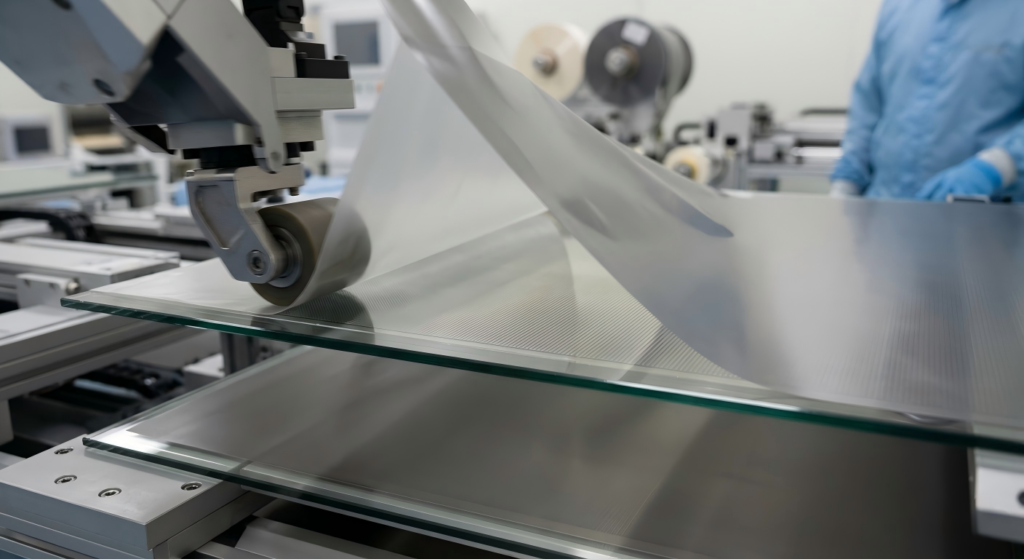
Ламинирование поляризаторов: Поляризационные пленки автоматически наносятся на обе стороны ячейки.
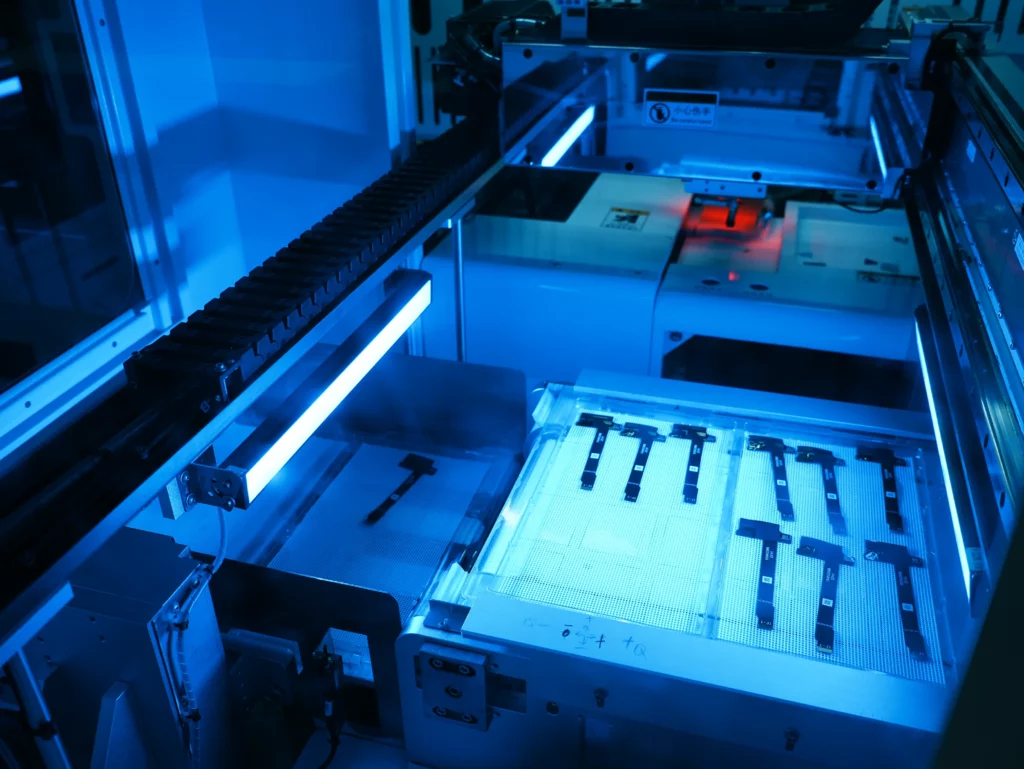
Монтаж COG/FOG (Управляющая электроника): Драйверные микросхемы монтируются непосредственно на стекло (Chip-On-Glass), а гибкие печатные платы (FPC) присоединяются для подключения дисплея к основной системе.
Интеграция и AOI: Собираются светодиодная подсветка, сенсорная панель и металлические рамки. Наконец, дисплей проходит автоматический оптический контроль (AOI) и электрические испытания, включая старение в течение 8+ часов для обеспечения надежности.
Монтаж COG/FOG
Этап процесса
Ключевое оборудование
Критическая переменная
Вид отказа
Формирование матрицы
Степпер / CVD-установка
Толщина слоя
Обрывы / Короткие замыкания
Формирование ячейки
Машина для шлифовки
Давление при шлифовке
Плохое выравнивание / Утечка света
Формирование ячейки
Дозатор ODF
Объем ЖК
Пузыри / Мура
101,52 ×
Установка для монтажа COG
Точность совмещения
Дефекты вертикальных линий
Контроль
Система AOI (автоматического оптического контроля)
Алгоритм обнаружения
Битые пиксели
Подключение и протоколы: управление современным дисплеем
В промышленной и встраиваемой сфере выбор интерфейсные определяет производительность дисплея, стабильность ЭМП и энергопотребление.
Параллельные и простые интерфейсы (MCU и RGB)
Для маломощных дисплеев малого размера (до 5 дюймов) предпочтителен интерфейс MCU (8080/6800), поскольку он имеет собственный буфер кадра, снижая нагрузку на главный процессор. При переходе к разрешениям около 800×600 используется параллельный интерфейс RGB (TTL). Однако, поскольку RGB не является дифференциальным, он подвержен электромагнитным помехам (ЭМП) и требует множества сигнальных линий (до 24-бит для цвета).
Высокоскоростные последовательные интерфейсы (MIPI DSI и LVDS)
MIPI DSI (интерфейс мобильных процессоров): Стандарт для смартфонов и планшетов. Это высокоскоростной, малопотребляющий последовательный интерфейс, использующий меньше проводов, чем RGB, и поддерживающий разрешения 4K и выше в компактных форм-факторах.
LVDS (низковольтная дифференциальная передача сигналов): Промышленная “рабочая лошадка” для дисплеев свыше 10 дюймов. Будучи дифференциальным, он невосприимчив к помехам и поддерживает длину кабеля в несколько метров, что делает его идеальным для крупных машин и медицинского оборудования.
Следующее поколение: eDP и V-by-One
Встроенный DisplayPort (eDP) быстро заменил LVDS в ноутбуках и мониторах высокого класса. Основанный на протоколе DisplayPort, он использует пакетный подход, поддерживающий огромную пропускную способность (до 32,4 Гбит/с в eDP 1.5). Он требует меньше линий передачи, чем LVDS, потребляет меньше энергии и поддерживает такие функции, как Panel Self-Refresh (PSR) и Adaptive-Sync, что критически важно для стандартов энергоэффективности 2026 года.
Характеристика
RGB (TTL)
LVDS
eDP
MIPI DSI
Тип сигнала
Параллельный
Дифференциальный
Пакетный
Последовательный дифференциальный
Макс. разрешение
800 x 600
1920 x 1200
8K и выше
4K и выше
Энергопотребление
Высокая
Умеренные
Низкая
Наименьшая
Помехоустойчивость
Низкая
Отличная
Высокая
Умеренные
Лучшее применение
Простые HMI
Промышленные контроллеры
Ноутбуки/моноблоки
Смартфоны/носимые устройства
Промышленные стандарты: медицинские, военные и аэрокосмические вертикали
Требования к “профессиональному” ЖК-дисплею выходят далеко за рамки потребительских спецификаций, фокусируясь на стабильности, надежности и соответствию нормативным требованиям.
Медицинская визуализация и DICOM Part 14
Медицинские дисплеи — это специализированные приборы, а не просто мониторы. Стандарт Digital Imaging and Communications in Medicine (DICOM), часть 14, является универсальным языком для точности передачи градаций серого.
GSDF (Функция стандартного отображения градаций серого): Гарантирует, что яркостная характеристика монитора соответствует человеческому зрению. Это обеспечивает одинаковую видимость пиксельного значения, представляющего опухоль, на любом экране, соответствующем DICOM.
Калибровка: Медицинские дисплеи оснащены внутренними 14-битными 3D таблицами преобразования (LUT) и фронтальными датчиками, которые каждое утро выполняют автокалибровку для коррекции дрейфа яркости.
Экологическая безопасность: Они должны соответствовать стандартам безопасности IEC 60601-1 по утечке тока и ЭМП вблизи пациента.
Усиление для военных и аэрокосмических применений (MIL-STD)
Дисплеи, используемые в боевых условиях или авиации, должны выдерживать нагрузки, которые мгновенно уничтожили бы стандартный ноутбук.
MIL-STD-810H: Регулирует воздействие окружающей среды. Испытания включают камеры высокогорья (до 40 000 футов), экстремальные температуры (-55°C до +95°C), солевой туман для морского применения и непрерывную вибрацию по 4–8 часов на каждую ось.
MIL-STD-461G: Контролирует электромагнитные помехи. Он гарантирует, что дисплей не излучает сигналы, которые могут выдать позицию транспортного средства вражеским датчикам, и что он остается невосприимчивым к близлежащим радарам и радиопередатчикам.
NVIS (Система ночного видения): Военные дисплеи должны быть “совместимы с NVIS”, используя специальные фильтры, чтобы подсветка не засвечивала и не ослепляла пилота, использующего очки ночного видения.
Определение ЖК-дисплея: технология, принципы работы, применение и будущие тенденции в 2026 году 9
Технологические горизонты 2025–2026: Mini-LED, QLED и далее
Следующие два года станут эпохой трансформации для ЖК-технологий, характеризующейся сближением производительности с самовоспроизводящими технологиями, такими как OLED.
Рост технологии Mini-LED подсветки
Mini-LED представляет собой самое значительное обновление ЖК-подсветки за десятилетие. Уменьшив размер светодиодов и увеличив их количество с десятков до тысяч, производители достигли “полномассивного локального затемнения” (FALD). Это позволяет дисплею отключать подсветку в темных областях изображения, сохраняя тысячи нит яркости в светлых участках. В моделях 2026 года дисплеи Mini-LED достигают контрастности 1 000 000:1, что делает их прямыми конкурентами OLED в сегментах телевизоров и мониторов высокого класса.
Интеграция квантовых точек (QLED)
Пленка для улучшения квантовых точек (QDEF) произвела революцию в цветовом охвате ЖК-дисплеев. Квантовые точки — это наноразмерные полупроводниковые кристаллы (часто на основе CdSe, хотя идет переход к бескадмиевым индиевым версиям для соответствия RoHS), которые преобразуют синий свет в высокочистые красный и зеленый.
QDEF: “Дополнительная” пленка, размещаемая между подсветкой и ЖК-слоем. Она позволяет ЖК-дисплеям достигать более 90% цветового пространства DCI-P3, по сравнению с ~70% у стандартных панелей.
QD-on-Glass (QDOG): Тренд 2025-2026 годов, при котором квантовые точки наносятся непосредственно на световодную пластину, что позволяет создавать ультратонкие дисплейные модули, ранее возможные только с OLED.
Автомобильный “умный кокпит” 2026 года”
Автомобильный сектор стал основным драйвером инноваций для высококачественных ЖК-дисплеев. BMW, Mercedes-Benz и Tesla задали дорожную карту для опыта взаимодействия с кокпитом в 2026 году.
Дисплеи от стойки до стойки: Массивные изогнутые ЖК-дисплеи, охватывающие всю приборную панель.
Панорамные проекционные дисплеи (P-HUD): Использование ЖК-движков для проецирования AR-навигации и данных автомобиля на нижнюю часть лобового стекла.
Режим конфиденциальности / Двойной вид: Решения Samsung “Flex Magic Pixel” и CarUX с использованием параллакс-барьера позволяют пассажирам смотреть развлекательный контент, в то время как водитель видит только навигацию, предотвращая его отвлечение.
Прозрачные и сдвигаемые дисплеи: Tianma и BOE представили на CES 2026 сдвигаемые ЖК-дисплеи, которые могут скрываться или расширяться в зависимости от режима работы автомобиля (например, парковка vs. движение).
Часто задаваемые вопросы (ЧЗВ)
В: В чем основное различие между ЖК-телевизором и LED-телевизором? О: Все “LED-телевизоры” фактически являются ЖК-панелями. Термин “LED” относится только к типу подсветки, используемой для освещения жидких кристаллов. Истинный LED-дисплей (где каждый пиксель — это светодиод) называется Micro-LED или Mini-LED дисплеем.
В: Страдает ли ЖК-технология от выгорания? О: Нет. Поскольку ЖК — это неэмиссионная технология, использующая неорганические материалы, она не подвержена постоянному остаточному изображению (выгоранию), которое может затрагивать органические OLED-дисплеи. Это делает ЖК-технологию предпочтительным выбором для критически важных мониторов, работающих круглосуточно, и автомобильных дисплеев.
В: Почему медицинские дисплеи намного дороже потребительских? О: Медицинские дисплеи являются регулируемыми медицинскими изделиями. Они включают специализированное оборудование для авто-калибровки (DICOM-сенсоры), бесвентиляторные антимикробные корпуса для стерильных сред и высокоточные схемы управления, обеспечивающие срок службы 7–10 лет при непрерывном использовании.
В: Является ли ЖК-технология экологически безопасной? О: Отрасль достигла значительного прогресса. Большинство производителей заменили вредный хром в черной матрице на фоторезисты на углеродной основе. Кроме того, современные ЖК-дисплеи с LED-подсветкой значительно более энергоэффективны, чем замененные ими CCFL или ЭЛТ-дисплеи.
Анализ мирового рынка дисплеев до 2026 года указывает, что технология жидких кристаллов остается краеугольным камнем в передаче визуальной информации. Благодаря интеграции Mini-LED и квантовых точек, традиционный ЖК-дисплей превратился в высокопроизводительную платформу, способную соответствовать визуальной точности OLED, сохраняя при этом долговечность и экономическую эффективность, необходимые для промышленного, медицинского и автомобильного секторов. По мере перехода новых фаз, таких как сегнетоэлектрический нематик, из лаборатории на производство, и с появлением интерфейсов, таких как eDP 1.5, обеспечивающих беспроводное подключение 8K, определение технологии ЖК-экранов будет продолжать расширяться, доказывая, что этому 140-летнему научному феномену еще далеко до устаревания.