Столкнулись с трудностями в проекте встраиваемого дисплея?
Не позволяйте сложной интеграции или проблемам цепочки поставок замедлить ваш выход на рынок. Забронируйте бесплатную консультацию с экспертной командой RJY для получения индивидуальной поддержки в проектировании и производстве.
What Is IPS Display Technology and How Does It Work?
IPS (In-Plane Switching) is a type of TFT-LCD display technology. It uses a liquid crystal layer controlled by thin-film transistors and relies on a backlight to produce visible images. The crystals shift orientation to allow light through or block it, creating colors via a color filter layer.
IPS Display Highlights
Requires a constant backlight
Produces accurate colors and high brightness
Delivers stable performance and long-term reliability
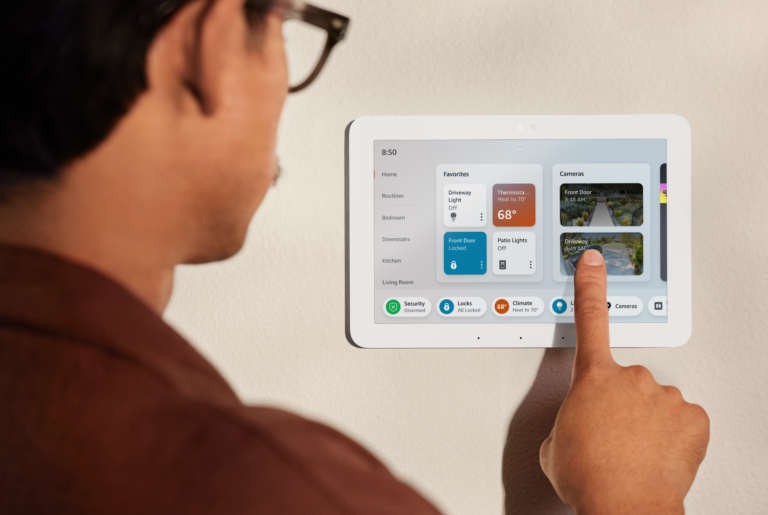
Used in monitors, medical displays, industrial screens
Because of its precise color reproduction and reliability over time, IPS is often found in critical environments like medical diagnostics и control interfaces where accuracy matters.
AMOLED (Active Matrix Organic Light Emitting Diode) screens don’t need a backlight. Each pixel in an AMOLED panel emits its own light using organic compounds that glow when electric current flows through them.
This structure allows for:
True black (pixels turn completely off)
Ultra-thin designs
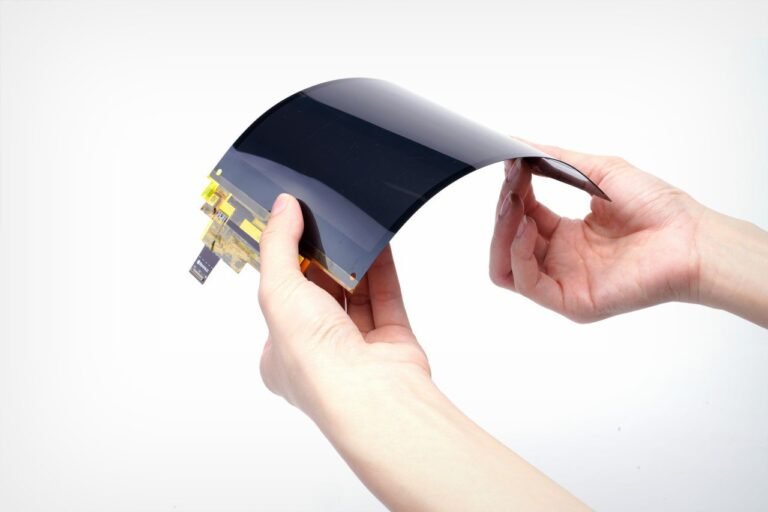
Flexible or curved screen possibilities
High contrast and deep colors
AMOLED is widely used in smartphones, wearables, foldable devices, и premium consumer electronics.
AMOLED vs IPS: A Side-by-Side Comparison
Характеристика
AMOLED Display
IPS Display
Light Source
Self-emissive pixels
Requires LED backlight
Коэффициент контрастности
Very high (true black)
Moderate, backlight limits contrast
Яркость
Moderate, varies by brand
Generally brighter, consistent
Цветовая точность
Vivid colors, sometimes oversaturated
Accurate, natural tones
Power Usage
Lower on dark backgrounds
Higher across all images
Срок службы
Limited (organic material degrades)
Longer, especially in static displays
Стоимость
Higher due to complex manufacturing
More affordable, widely available
Design Flexibility
Thin, flexible, foldable
Rigid, thicker with backlight
Best For
Smartphones, wearables, premium tablets
Medical, industrial, long-use environments
AMOLED vs IPS display side-by-side comparison
Pros and Cons of AMOLED Displays
✅ Advantages
True blacks & infinite contrast: Pixels switch off completely in black areas
Flexible design: Suitable for foldable or curved screens
Energy-efficient: Especially in dark UI or standby modes
Wider viewing angles: Color remains consistent from all directions
❌ Disadvantages
Shorter lifespan: Organic pixels, especially blue, degrade over time
Risk of burn-in: Static content can cause ghost images
Higher cost: Due to complex materials and lower yield rates
Thin AMOLED panel on flexible smartphone
Pros and Cons of IPS TFT Displays
✅ Advantages
Superior color accuracy: Critical for medical, design, and industrial applications
High brightness output: Ideal for use in bright environments
Stable longevity: No organic material, resistant to burn-in
Consistent viewing experience: Maintains image quality at wide angles
❌ Disadvantages
No true blacks: Backlight always on, lowering contrast
Thicker modules: Less flexible design for compact devices
Higher energy use: Backlight draws constant power regardless of image content
Ideal for: Medical monitors, industrial HMIs, rugged tablets, automotive displays
Final Thoughts: AMOLED vs IPS—It Depends on the Application
Choosing between AMOLED and IPS displays isn’t about which one is better universally—it’s about which one suits your product best.
If you value style, flexibility, and rich contrast in mobile or consumer devices, AMOLED delivers a premium look and feel. If your focus is on reliability, color accuracy, and continuous use in tough environments, IPS remains the industry workhorse.
В Дисплей RJY, we offer both custom AMOLED and IPS TFT display solutions, helping businesses find the perfect match for performance, cost, and application demands.