Столкнулись с трудностями в проекте встраиваемого дисплея?
Не позволяйте сложной интеграции или проблемам цепочки поставок замедлить ваш выход на рынок. Забронируйте бесплатную консультацию с экспертной командой RJY для получения индивидуальной поддержки в проектировании и производстве.
Когда речь заходит о дисплеях, одним из первых упоминаемых параметров является размер экрана. Будь то обзор смартфона, промышленной панели управления, медицинского устройства, умного бытового прибора или коммерческого терминала, дисплей часто описывается такими числами, как 2,8 дюйма, 7 дюймов, 10,1 дюйма или 15,6 дюйма.
Большинство пользователей понимают, что большее число означает больший экран. Однако многие инженеры, менеджеры по продуктам и закупщики с удивлением обнаруживают, что размер ЖК-экрана измеряется не так, как они изначально предполагают.
Понимание того, как определяется размер экрана и как он влияет на дизайн продукта, является важным шагом при выборе дисплея для OEM-проекта.
Размер ЖК-экрана относится к диагональному измерению
Размер ЖК-экрана измеряется по диагонали от одного угла активной области отображения до противоположного угла.
Измерение не включает рамку, корпус, монтажную раму или внешний кожух. Оно относится только к видимой области дисплея, способной отображать изображения.
Например, 7-дюймовый ЖК-дисплей не означает, что экран имеет ширину семь дюймов. Вместо этого диагональное расстояние по видимой области отображения составляет семь дюймов.
Этот метод измерения используется в индустрии дисплеев на протяжении десятилетий, поскольку он обеспечивает простой способ сравнения дисплеев с различными соотношениями сторон и физическими размерами.
В результате заявленный размер дисплея всегда является его диагональным измерением, а не шириной или высотой.
Почему два дисплея одинакового размера могут выглядеть по-разному
Многие люди предполагают, что два дисплея с одинаковыми размерами экрана будут иметь идентичные габариты.
Это не всегда верно.
Размер экрана описывает только диагональное измерение. Фактическая форма дисплея зависит от его соотношения сторон.
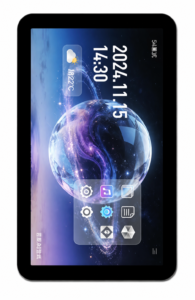
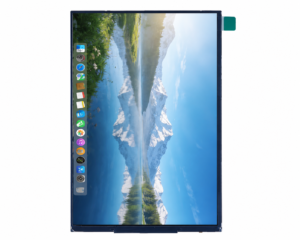
7-дюймовый дисплей с традиционным соотношением сторон 4:3 будет иметь другие физические размеры, чем 7-дюймовый дисплей с соотношением сторон 16:9.
Что такое размер ЖК-экрана? 3
Хотя оба экрана имеют диагональ семь дюймов, один может казаться выше, а другой — шире.
Это различие становится важным при разработке продукта, поскольку конструкция корпуса, компоновка пользовательского интерфейса и визуальное восприятие зависят от соотношения сторон.
Поэтому инженерам следует оценивать как размер экрана, так и соотношение сторон, а не сосредотачиваться на одном параметре.
Размер экрана не определяет разрешение
Еще одно распространенное заблуждение заключается в том, что большие дисплеи автоматически имеют более высокое разрешение.
В действительности размер экрана и разрешение являются отдельными характеристиками.
Небольшой дисплей может иметь чрезвычайно высокое разрешение, в то время как более крупный дисплей может использовать относительно скромное количество пикселей.
Рассмотрим два разных дисплея:
Один дисплей может иметь размер 5 дюймов и содержать очень плотное расположение пикселей. Другой может иметь размер 10 дюймов, но использовать более низкую плотность пикселей.
Что такое размер экрана ЖК-дисплея?
В результате меньший дисплей может фактически выглядеть более четким, несмотря на меньший физический размер.
Для разработки OEM-продуктов размер экрана всегда следует оценивать вместе с разрешением, плотностью пикселей, расстоянием просмотра и предполагаемым применением.
Идеальная комбинация зависит от того, как пользователи будут взаимодействовать с продуктом.
Почему размер ЖК-экрана важен для дизайна продукта
Размер дисплея влияет на гораздо большее, чем просто внешний вид.
Во многих продуктах дисплей становится основным интерфейсом между пользователем и системой. Размер дисплея влияет на то, как представлена информация, как пользователи взаимодействуют с элементами управления и как воспринимается продукт в целом.
Слишком маленький дисплей может ограничить удобство использования. Операторам может быть трудно читать информацию или эффективно взаимодействовать с сенсорным управлением.
И наоборот, излишне большой дисплей может увеличить энергопотребление, увеличить корпус, повысить производственные затраты и усложнить системную интеграцию.
Успешные продукты обычно балансируют размер дисплея с требованиями приложения.
Цель состоит не в том, чтобы выбрать самый большой из возможных экранов. Цель состоит в том, чтобы выбрать размер дисплея, который наилучшим образом поддерживает пользовательский опыт.
Распространенные размеры ЖК-экранов и их применение
Различные размеры дисплеев, как правило, связаны с разными категориями продуктов.
Небольшие дисплеи часто используются в портативных устройствах, переносных приборах, умных датчиках и компактных встраиваемых системах, где пространство ограничено.
Дисплеи среднего размера обычно встречаются в промышленных HMI, умных домашних панелях управления, медицинских устройствах и коммерческом оборудовании, поскольку они обеспечивают комфортный баланс между информационной плотностью и физическими габаритами.
Более крупные дисплеи обычно выбираются для киосков, транспортных систем, цифровых вывесок, коммерческих терминалов и передовых промышленных систем управления, где необходимо одновременно отображать большой объем информации.
Само приложение обычно определяет наиболее подходящий размер экрана.
Вот почему выбор дисплея должен начинаться с требований пользователя, а не только с эстетики продукта.
Как OEM-команды выбирают правильный размер ЖК-экрана
Выбор размера дисплея редко является изолированным решением.
Инженеры должны учитывать, как дисплей взаимодействует с другими аспектами продукта.
Расстояние просмотра играет важную роль. Дисплей, просматриваемый с расстояния в несколько футов, обычно требует другого размера, чем тот, который просматривается на расстоянии вытянутой руки.
Взаимодействие с пользователем не менее важно. Сенсорные интерфейсы часто требуют больших площадей дисплея для улучшения удобства использования и уменьшения ошибок ввода.
Условия окружающей среды также могут повлиять на решение. Оборудование для наружного применения, транспортные системы и промышленные машины часто требуют больших дисплеев для сохранения видимости в сложных условиях.
Наиболее успешные OEM-проекты оценивают размер дисплея как часть более широкого процесса проектирования системы, а не рассматривают его как отдельную характеристику.
Почему нестандартные размеры ЖК-экранов становятся все более популярными
По мере того как продукты становятся более специализированными, многие производители обнаруживают, что стандартные размеры дисплеев не полностью соответствуют их требованиям.
Это привело к растущему спросу на индивидуальные решения для дисплеев.
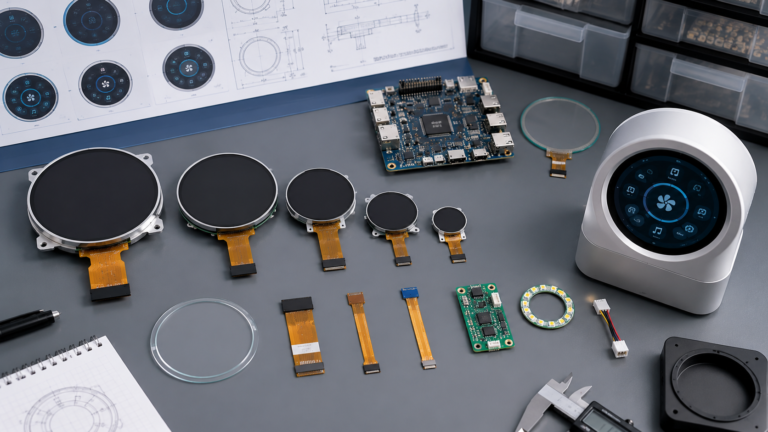
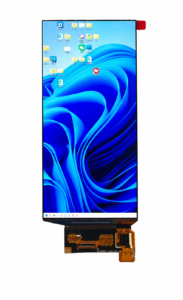
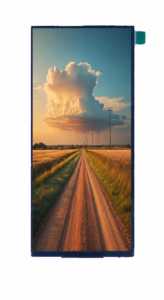
Некоторые продукты требуют круглых дисплеев вместо традиционных прямоугольных форматов. Другие выигрывают от вытянутых баровых дисплеев, уникальных соотношений сторон или специализированных сенсорных интеграций.
В этих случаях цель заключается не просто в выборе размера экрана. Она состоит в создании решения для дисплея, которое соответствует промышленному дизайну, функциональности и целям пользовательского опыта продукта.
Эта тенденция особенно заметна в умных устройствах, транспортных системах, медицинском оборудовании и передовых HMI-приложениях.
Как RJY поддерживает выбор размера дисплея
Выбор правильного размера ЖК-экрана включает в себя больше, чем просто просмотр технического паспорта.
RJY работает с OEM-командами, чтобы оценить требования к дисплею с системной точки зрения, учитывая расстояние просмотра, взаимодействие с пользователем, архитектуру интерфейса, ограничения корпуса, сенсорную интеграцию и долгосрочные цели продукта.
Независимо от того, требует ли проект компактный встраиваемый дисплей, круглое ЖК-решение, вытянутый баровый дисплей или пользовательский TFT ЖК-модуль, раннее планирование дисплея может снизить риски разработки и упростить интеграцию.
Такой подход помогает гарантировать, что выбранный размер дисплея поддерживает как технические требования, так и цели пользовательского опыта.
Заключение
Размер ЖК-экрана относится к диагональному измерению видимой области отображения, а не к ширине или высоте экрана.
Хотя это определение кажется простым, размер экрана влияет на многие аспекты разработки продукта, включая удобство использования, дизайн корпуса, энергопотребление, выбор разрешения и общий пользовательский опыт.
Для OEM-производителей и разработчиков продуктов наиболее эффективный процесс выбора дисплея учитывает размер экрана наряду с соотношением сторон, разрешением, требованиями приложения и системной архитектурой.
Правильно выбранный дисплей делает больше, чем просто отображает информацию — он помогает определить, как пользователи взаимодействуют с самим продуктом.
Часто задаваемые вопросы
Как измеряется размер ЖК-экрана?
Размер ЖК-экрана измеряется по диагонали через видимую область отображения от одного угла до противоположного угла.
Включает ли размер экрана рамку?
Нет. Размер экрана относится только к активной области дисплея и не включает окружающую рамку или корпус.
Всегда ли больший ЖК-экран имеет более высокое разрешение?
Нет. Размер экрана и разрешение являются отдельными характеристиками.
Почему два 7-дюймовых дисплея иногда выглядят по-разному?
Различные соотношения сторон могут создавать разные физические формы, даже если диагональное измерение остается одинаковым.
Какой размер экрана лучше всего подходит для промышленных HMI?
Идеальный размер зависит от расстояния просмотра, сложности пользовательского интерфейса и условий эксплуатации.
Можно ли настроить размеры ЖК-экранов?
Да. Многие OEM-проекты используют индивидуальные решения TFT LCD, включая круглые дисплеи, полосовые дисплеи и специализированные соотношения сторон.
↗
Планируете проект с дисплеем?
Укажите размер дисплея, разрешение, интерфейс, яркость, требования к сенсорному экрану, требования к контроллеру и условия эксплуатации.