








Что такое стандартный ЖК-дисплей?
Стандартные ЖК-дисплеи относятся к прямоугольным модулям на основе тонкоплёночных транзисторов (TFT), широко используемым в смартфонах, планшетах, мониторах, POS-системах и встраиваемых устройствах. Они производятся на стандартизированных линиях, где большие стеклянные подложки нарезаются на прямоугольные сегменты для повышения эффективности и масштабируемости.
- Соотношение сторон: 4:3, 16:9 или пользовательское прямоугольное
- Массовое производство: Преимущества от экономии на масштабе в цепочке поставок
- Интерфейс: Обычно поддерживает интерфейсы MIPI, RGB, LVDS или HDMI
- Поддержка сенсорного ввода: Легко интегрируется с проекционно-ёмкостными (PCAP) или резистивными плёнками
Благодаря своей универсальности и модульности, стандартные ЖК-дисплеи являются чрезвычайно экономически эффективными для большинства применений.

Что такое круглый ЖК-дисплей?
A Круглый ЖК-дисплей — это цифровой экран с идеально круглой активной областью, специально разработанный для применений с ограниченным пространством или требовательных к дизайну. В отличие от прямоугольных экранов, круглые дисплеи являются высококастомизированными — они требуют специализированной обработки для придания формы и обеспечения полного использования пикселей в пределах круглой границы.
- Защита от погодных условий: 1.28″, 2.1″, 3.4″ и до 10.1″
- Области применения: Смарт-часы, приборные панели транспортных средств, цифровые измерители, поворотные элементы управления
- 128,75 ×: Часто интегрирует изогнутые рамки, гибкие печатные кабели (FPC) и специализированные драйверы
Несмотря на схожее разрешение или диагональ с прямоугольными дисплеями, круглые ЖК-дисплеи обычно в два раза дороже из-за своей уникальной конструкции.

Растущий рынок круглых ЖК-дисплеев
Международный форум по аккредитации (IAF) Революция носимых устройств, в сочетании с растущим спросом в сегментах умных домашних устройств, , автомобильных интерфейсов, и и медицинских наручных мониторов, создала устойчивый рынок для круглых дисплеев. Их эстетичная и эргономичная форма даёт брендам преимущество в дизайне на насыщенных потребительских рынках.
Тренды, поддерживающие круглые дисплеи:
- Смарт-часы, заменяющие аналоговые циферблаты
- Умные термостаты и кухонные панели управления
- Кольцевые элементы информационно-развлекательных систем в автомобильных панелях
- Циферблатные фитнес- и медицинские мониторы
Технические различия между круглыми и стандартными ЖК-дисплеями
Круглые ЖК-дисплеи — это не просто прямоугольные дисплеи, обрезанные по кругу. Они включают:
- Пользовательский дизайн фотошаблона TFT для кругового расположения пикселей
- Неравномерное рассеивание подсветки , требующее радиального расположения светодиодов
- Оптимизацию стеклянной подложки, при которой большая часть прямоугольной панели идёт в отходы
- Специализированные микросхемы , поддерживающие нелинейное координатное преобразование
Это добавляет сложности на всех этапах — от производства до интеграции.
Структура затрат стандартных ЖК-дисплеев
| Компонент | Примечания |
|---|---|
| Стекло TFT | Эффективная нарезка из полноразмерных панелей |
| Сенсорная плёнка | Доступны стандартные размеры PCAP |
| Блок подсветки | Прямые светодиодные ленты или световоды |
| Микросхема и контроллер | Массово производимые драйверы |
| Гибкий печатный кабель (FPC) | Предварительно спроектированная, стандартная разводка проводников |
| Выход годных при сборке | Высокая, с минимальными отходами |
| Объём поставки | Очень высокий — миллионы за партию |
Результат: Низкая себестоимость единицы, лёгкая интеграция, быстрое время выхода на рынок
👉 Рекомендуем к прочтению: Структура и принцип работы TFT жидкокристаллического дисплея
Структура затрат круглых ЖК-дисплеев
| Компонент | Примечания |
|---|---|
| Стекло TFT | Резка лазером или по специальным маскам, больше отходов |
| Сенсорная панель | Изогнутые ИПО-узоры, индивидуальное соединение |
| Блок подсветки | Радиальное расположение светодиодов, специальные направляющие |
| Микросхема и контроллер | Может потребоваться программная калибровка |
| Гибкий печатный кабель (FPC) | Часто изогнутые или нелинейные, специальная оснастка |
| Выход годных при сборке | Ниже, больше дефектов по краям или в зонах герметизации |
| Объём поставки | Низкий-средний, только под заказ |
Результат: 20%–100% — более высокая стоимость единицы по сравнению с прямоугольными дисплеями
Инженерные требования при производстве круглых дисплеев
В отличие от прямоугольных ЖК-дисплеев, круглые дисплеи должны учитывать:
- Радиальные механические напряжения
- Равномерность управления пикселями по краю
- Симметрия чувствительности сенсора
- Изогнутая маршрутизация цепей и согласование дорожек
Всё это приводит к более длительному времени производства, более высоким нормам брака, и более дорогим циклам тестирования/валидации.
Кастомизация модулей круглых ЖК-дисплеев
Кастомизация почти всегда требуется в:
- Дизайне сенсорной панели: Полностью круглые или кольцевые проекционно-ёмкостные сенсоры
- Защитном стекле или лицевой панели: Должны соответствовать круглому окну обзора
- Точках механического крепления: Часто асимметричные или встроенные
- Расположении разъёма гибкого шлейфа: Смещённое или изогнутое для соответствия круглым контурам
Эти корректировки увеличивают стоимость спецификации материалов и оснастки.
Различия интерфейсов
Модули круглых ЖК-дисплеев часто используют:
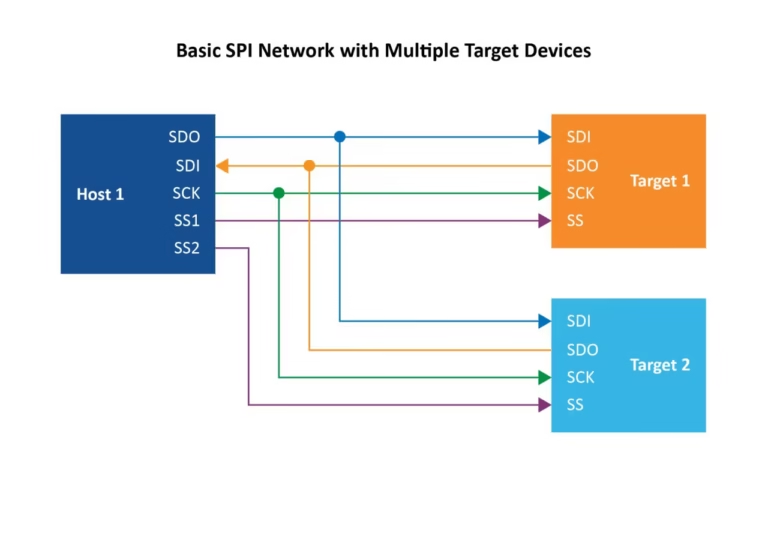
- SPI для низкоскоростного управления (IoT, носимые устройства)
- MIPI-DSI для высокоскоростного видео (системы Android)
- Специальные I²C-мосты для контроллеров сенсорного ввода
Стандартные ЖК-дисплеи, напротив, выигрывают от широкой, готовой к использованию совместимости. Круглые дисплеи могут требовать специальных драйверов или патчей ядра— особенно во встраиваемых средах Linux или Android.
Требования к микропрограмме и драйверам
Для полного использования круглого экрана могут потребоваться:
- Библиотеки отрисовки круглого пользовательского интерфейса
- Преобразование координат для сенсорного ввода
- Фильтрация входной маски для исключения регистрации касаний вне экрана
Системы, такие как Android, Qt и LVGL, требуют специальной конфигурации для поддержки круглых разрешений (например, 320×320, 360×360).
Влияние объёма и выхода на стоимость
Стандартные ЖК-панели производятся объёмами десятков миллионов в год. Круглые дисплеи? Часто менее 100 тыс. единиц на модель.
Более низкий выход годных и меньшие партии увеличивают:
- Трудовые затраты на единицу
- Время настройки и калибровки
- Риски транспортировки и хранения запасов
Архитектура подсветки для круглых дисплеев
Круглые модули требуют радиальной равномерности освещения, что включает:
- Круглые световодные плёнки (LGF)
- Дугообразное расположение светодиодов
- Отражатели с концентрическими кольцами
Стандартные панели используют прямые линейки или краевые системы подсветки. В результате подсветка круглых дисплеев дороже и сложнее в юстировке для равномерной яркости.
Сравнительная таблица: Факторы стоимости
| Фактор | Стандартный ЖК-дисплей | Круглый ЖК-дисплей |
|---|---|---|
| Использование стекла | 90%+ | ~60% |
| Трассировка гибкой печатной платы (FPC) | Линейная | Специальная изогнутая |
| Сенсорный слой | Готовое решение | Специальный рисунок |
| Подсветка | Линейная | Радиальный или концентрический |
| Стоимость оснастки | Низкая | Высокая |
| Минимальный объём заказа (MOQ) | 1K–5K | Часто 500–1K |
| Программное обеспечение драйвера | Универсальное | Специальное/под конкретный интерфейс |
Преимущества дизайна и эстетики круглых ЖК-дисплеев
Теперь перейдём к сути вопроса —почему выбирают круглую форму, несмотря на более высокую стоимость?
- Знаковый визуальный эффект: Круглые экраны привлекают внимание и усиливают уникальность продукта
- Естественный пользовательский опыт (UX): Круглая форма лучше соответствует взаимодействию с человеком в носимых устройствах на запястье, ручках и циферблатах
- Фокусно-центричный дизайн: Внимание пользователя концентрируется к центру, что идеально для данных в реальном времени и уведомлений
- Более высокая воспринимаемая ценность: Потребители ассоциируют круглые экраны с инновациями и роскошью
- Улучшенная эргономика: Особенно во вращающихся интерфейсах и интерфейсах с управлением жестами
Дизайн — не второстепенная мысль —это стратегическое преимущество, и круглые дисплеи предлагают его в изобилии.
Долгосрочная окупаемость инвестиций (ROI) и ценность круглых ЖК-дисплеев
Хотя производство круглых дисплеев обходится дороже, они:
- Позволяют устанавливать более высокие цены на потребительских рынках
- Дифференцируют бренды в переполненной экосистеме
- Улучшают пользовательский опыт (UX) для критически важных приложений (например, медицинских или автомобильных)
- Предлагают привлекательность дизайна, устремлённого в будущее , которая масштабируется с трендами в программном обеспечении
Для компаний, ориентированных на лидерство в дизайне или подрыв рынка, круглые ЖК-дисплеи обеспечивают высокую окупаемость инвестиций (ROI), выходящую за рамки чистой стоимости.
Сравнение производительности
| Характеристика | Стандартный ЖК-дисплей | Круглый ЖК-дисплей |
|---|---|---|
| Равномерность яркости | Высокая | Требует настройки |
| Поддержка интерфейсов: Совместимость с архитектурой устройства. | Стабильная | Требуется калибровка краёв |
| Потребляемая мощность | Схожая | Несколько выше (расположение светодиодов) |
| Оптимизация пользовательского интерфейса (UI) | Простота | Требуются пользовательские фреймворки |
| Визуальная привлекательность | Универсальное | Премиум |
Часто задаваемые вопросы
Почему круглые ЖК-дисплеи стоят дороже?
Из-за более низкого выхода годных, пользовательских компонентов и более высоких затрат на проектирование и оснастку.
Можно ли использовать Android с круглым дисплеем?
Да, при наличии соответствующих драйверов и корректировок пользовательского интерфейса (особенно с модификациями LVGL или AOSP).
Круглые дисплеи читаются на солнце?
Некоторые модели обеспечивают яркость 800–1000 нит, что подходит для применения на открытом воздухе.
Какие отрасли получают наибольшую выгоду от круглых дисплеев?
Носимые устройства, автомобильные панели приборов, медицинская диагностика и устройства для умного дома премиум-класса.
Можно ли получить круглые ЖК-дисплеи с емкостным сенсором?
Безусловно — многие модели поддерживают мультитач благодаря пользовательскому проекционно-емкостному (PCAP) решению.
Заключение
Международный форум по аккредитации (IAF) Разница в стоимости между круглыми ЖК-дисплеями и стандартными ЖК-дисплеями обусловлена сложностью производства, кастомизацией и меньшими объемами выпуска. Однако эти затраты приносят существенные преимущества в пользовательском опыте, узнаваемости бренда, и инновационности дизайна. Для продуктов, где успех определяют интерфейс, привлекательность и удобство использования —круглые дисплеи — это не расходы, а инвестиции.