Stehen Sie bei Ihrem Embedded-Display-Projekt vor einer Herausforderung?
Lassen Sie nicht komplexe Integration oder Lieferkettenprobleme Ihre Markteinführung verzögern. Vereinbaren Sie eine kostenlose Beratung mit dem RJY-Expertenteam für maßgeschneiderte Design- und Fertigungsunterstützung.
Kunden- vs. Standard-TFT-Module: Welches ist das Richtige für Sie?
Seien wir ehrlich: Hardware ist schwierig. Sie wird nicht umsonst als "Hardware" bezeichnet, denn ein physisch nicht passendes Bauteil lässt sich nicht einfach an einem Freitagnachmittag per Over-the-Air (OTA)-Software-Update beheben. Wenn Sie ein neues elektronisches Gerät entwerfen – sei es ein robustes industrielles Bedienfeld, ein elegantes medizinisches Beatmungsgerät oder die nächste maßlos übertechnisierte Kaffeemaschine – ist das Display unbestritten das "Gesicht" Ihres Produkts. Es ist das Erste, was Ihre Benutzer sehen, berühren und unweigerlich beanstanden, wenn es nicht einwandfrei funktioniert.
Veröffentlicht:
9 Minuten Lesezeit
Aktualisiert:
1. Der “Konfektionsanzug”: Standard-TFT-Module
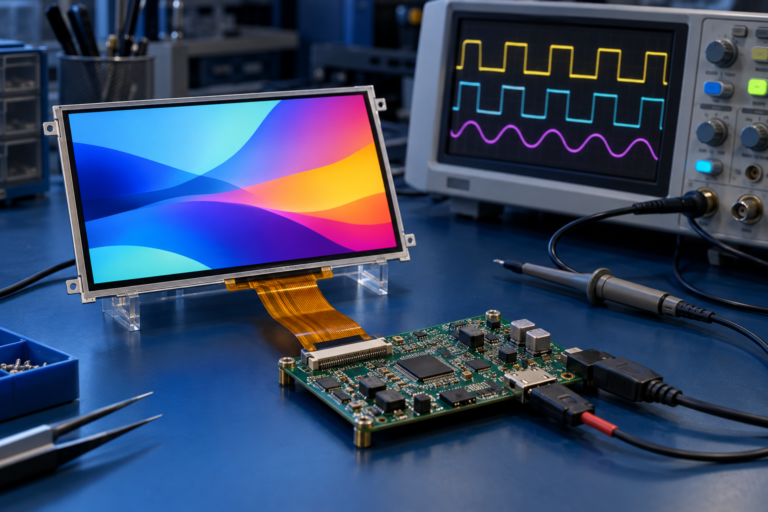
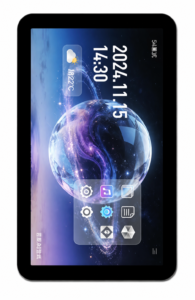
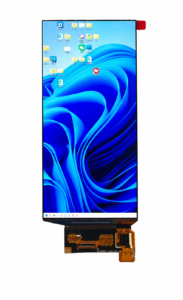
Standard TFT-Module sind die Arbeitstiere der Displayindustrie. Dabei handelt es sich um vorkonstruierte, in Massenproduktion hergestellte Bildschirme, die von Displayherstellern für den breitestmöglichen Markt entwickelt werden. Sie verfügen über eine feste Auflösung, eine feste Helligkeit, eine vordefinierte Anschlussbelegung (FPC-Pinout) und ein starres, “nehmen oder lassen”-Datenblatt.
Die glänzenden Vorteile von Standardlösungen
Markteinführungsgeschwindigkeit (Der “Ich brauche es schon gestern”-Faktor): Wenn Ihr Entwicklungsteam noch diese Woche ein Display für den Prototypenbau benötigt, sind Standard-TFT-Module Ihr bester Freund. Distributoren haben sie in der Regel auf Lager, sodass Sie die quälenden Wochen für mechanisches Design und Werkzeugbau umgehen können.
Keine NRE-Gebühren: NRE steht für “Non-Recurring Engineering” (einmalige Entwicklungskosten). Es ist die Vorabgebühr, die Hersteller für die Konstruktion und den Bau individueller Werkzeuge (wie Glas-Schneidemasken oder Spritzgussformen) berechnen. Bei Standardmodulen beträgt die NRE exakt null. Die Fabrik hat die F&E-Kosten bereits absorbiert.
Geringe Mindestabnahmemengen (MOQs): Da der Hersteller dieses exakt gleiche Display wahrscheinlich an vierzig andere Unternehmen verkauft, ist es ihm egal, ob Sie für Ihren ersten Pilotlauf nur 500 Stück kaufen möchten.
Bewährte Zuverlässigkeit: Ein Standardmodul ist wahrscheinlich seit Jahren im Einsatz. Die Fehler im Treiber-IC wurden beseitigt, die Wärmeableitung der Hintergrundbeleuchtung ist gut verstanden und die Ausfallraten sind mathematisch vorhersehbar.
Die schmerzhafte Realität von Standardmodulen
Das “Viereckiger Stift, rundes Loch”-Dilemma: Sie haben ein brillantes, elegantes, geschwungenes Industriedesign für Ihren neuen IoT-Thermostaten. Aber das einzige Standarddisplay, das in Ihr Budget passt, ist ein klobiges Rechteck mit einem Rahmen, der aussieht, als stamme er aus dem Jahr 2012. Wenn Sie ein Standarddisplay wählen, müssen Ihre Konstrukteure das gesamte Produktgehäuse um den Bildschirm herum entwerfen.
Schnittstelleninkompatibilität: Sie finden vielleicht einen Standardbildschirm mit der perfekten Größe und Helligkeit, aber er verwendet eine MIPI-DSI-Schnittstelle, und Ihr gewählter Mikrocontroller unterstützt nur RGB oder SPI. Jetzt sind Sie gezwungen, einen Brücken-Chip auf Ihre Hauptplatine zu setzen, was Ihre Stücklisten- (BOM-)Kosten und die Leiterplattenkomplexität erhöht.
Überraschungen in der Lieferkette (EOL): Wenn Sie Standard-TFT-Module kaufen, sind Sie dem Markt ausgeliefert. Wenn der Hersteller entscheidet, dass das spezifische 4,3-Zoll-Display, von dem Sie abhängen, nicht mehr profitabel ist, weil die Trends bei Konsumenten-Tablets weitergezogen sind, erhalten Sie eine furchterregende End-of-Life (EOL)-Mitteilung. Plötzlich haben Sie sechs Monate Zeit, um Ihr gesamtes Produkt neu zu konstruieren.
2. Die Maßschneiderei: Individuelle TFT-Module
Wenn Standarddisplays Konfektionsanzüge sind, dann sind individuelle TFT-Module die maßgeschneiderte Savile Row-Schneiderei der Elektronikwelt. Sie bekommen genau das, was Sie wollen, perfekt angepasst an die mechanischen und elektrischen Anforderungen Ihres Produkts – aber Sie werden für dieses Privileg bezahlen, sowohl in Zeit als auch in Geld.
“Individuell” ist jedoch kein einfacher Ein/Aus-Schalter. Es ist ein Spektrum. Lassen Sie uns die Ebenen der Individualisierung aufschlüsseln, von leichten Anpassungen bis zur Komplettüberholung.
Hier landen 80% der europäischen und amerikanischen Industriedesigner. Man nimmt ein Standard-LCD-Glas und modifiziert die Peripherie darum herum.
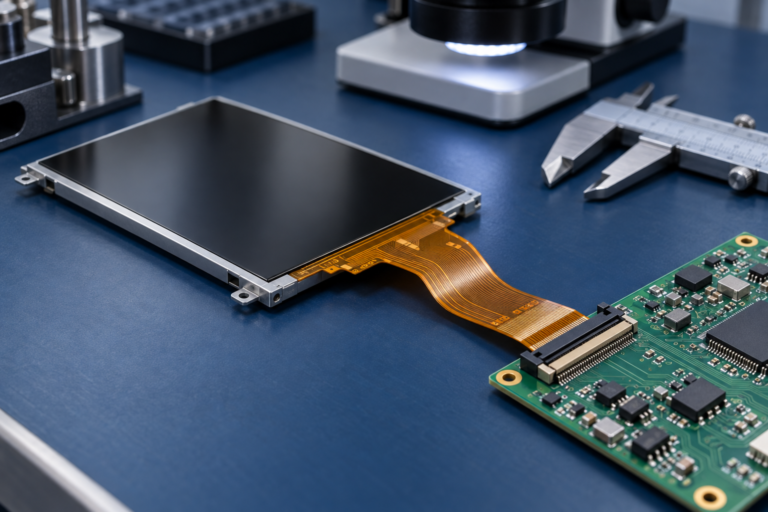
Individueller FPC (Flexible Printed Circuit): Der Standard-FPC ist zu kurz, um Ihre Hauptplatine zu erreichen, oder die Anschlussbelegung ist verkehrt herum. Es ist sehr üblich und äußerst kosteneffektiv, eine kleine NRE zu zahlen, um die Form, Länge und Pin-Anordnung des FPC neu zu gestalten.
Individuelle Hintergrundbeleuchtungseinheit (BLU): Der Standardbildschirm hat 300 Nits (großartig für einen dunklen Raum, nutzlos im Freien). Sie können bezahlen, um eine individuelle LED-Reihe hinter dem Glas einzubauen, die die Helligkeit auf sonnenlichtlesbare 1.000+ Nits erhöht.
Das eigentliche LCD bleibt standardmäßig, aber das Glas, das der Benutzer berührt, gehört ganz Ihnen.
Projiziert-kapazitive (PCAP) Touch-Abstimmung: Wenn Ihr Produkt ein Medizingerät ist, bei dem Krankenschwestern dicke Latexhandschuhe tragen, oder ein Marine-Plotter, der mit Salzwasser bespritzt wird, wird ein Standard-Touchpanel kläglich versagen. Sie benötigen eine individuelle Firmware-Abstimmung für den Touch-Controller-IC.
Deckglas (CG)-Ästhetik: Sie möchten randloses Glas, individuelle Ausschnitte für einen mechanischen Knopf, Ihr Firmenlogo siebgedruckt unter dem Glas und eine Anti-Glare (AG)- oder Anti-Fingerprint (AF)-Beschichtung. Dies erfordert individuellen Werkzeugbau für die Glas-Schneide- und Druckprozesse.
Sie möchten ein LCD-Panel in Dreiecksform oder ein ultrabreites 21:3-Seitenverhältnis, das es nirgendwo auf der Welt gibt.
Die Realitätsprüfung: Um einen individuellen Zuschnitt des eigentlichen TFT-Glases (der aktiven Matrix selbst) zu erhalten, müssen Sie direkt mit den riesigen, milliardenschweren Panel-Fabriken verhandeln. Die NRE-Gebühren hierfür belaufen sich auf Hunderttausende von Dollar, und die MOQ wird bei Hunderttausenden von Stück liegen. Außer Sie bauen das nächste Flaggschiff-Smartphone oder beliefern eine globale Automobilflotte, ist Stufe 3 in der Regel unerreichbar.
3. Die Kostenfrage: Stückkosten vs. NRE
Der Kampf zwischen individuellen und standardmäßigen TFT-Modulen findet normalerweise im Büro des CFOs statt. Er läuft auf eine klassische ROI (Return on Investment)-Berechnung hinaus.
Nehmen wir an, Sie benötigen ein Display mit einem sehr spezifischen, etwas längeren Flachbandkabel (FPC).
Option A (Standard): Sie kaufen ein Standarddisplay und entwerfen eine winzige sekundäre “Adapterplatine” in Ihrem Produkt, um den kurzen FPC mit Ihrer Hauptplatine zu verbinden. Diese Adapterplatine und die zusätzlichen Stecker kosten Sie 1,50 € pro Einheit.
Option B (Individuell): Sie zahlen eine NRE-Gebühr von 2.000 € an den Displayhersteller, um einen individuellen, verlängerten FPC zu entwerfen und das Werkzeug dafür zu bauen. Das Display selbst bleibt zum gleichen Preis.
Die Rechnung:
Wenn Sie nur 500 Einheiten, produzieren, verursacht Option A $750 an zusätzlichen Teilen. Option B kostet Sie $2.000 an NRE-Kosten. Entscheiden Sie sich für Standard.
Wenn Sie 10.000 Einheiten, produzieren, verursacht Option A $15.000 an zusätzlichen Teilen und Montagezeit. Option B kostet nach wie vor nur die einmaligen $2.000 NRE. Entscheiden Sie sich für kundenspezifische Lösung.
Eine kundenspezifische Anpassung erfordert Vorabinvestitionen, aber in größeren Stückzahlen reduziert sie fast immer die Stückkosten der Bauteilliste (BOM), eliminiert Fehlerquellen (weniger Steckverbinder) und vereinfacht Ihre Montagelinie erheblich.
4. Die Zeitdimension: Zeitpläne und Geduld
In der Produktentwicklung ist Zeit oft teurer als Komponenten.
Wenn Sie sich für Standard-TFT-Module, entscheiden, sieht Ihr Zeitplan wie folgt aus:
Muster bestellen: 3 Tage.
Evaluieren und in Ihren Prototyp integrieren: 2 Wochen.
Wenn Sie sich für Bei kundenspezifischen TFT-Modulen, betreten Sie die Welt der mechanischen Werkzeuge und der Validierung.
Anforderungen besprechen und CAD-Zeichnungen vom Hersteller erhalten: 1-2 Wochen.
Zeichnungen freigeben und NRE für Werkzeuge bezahlen: 1 Woche.
Werkzeugherstellung und Produktion des Erstmuster-Prototyps: 3-5 Wochen.
Sie erhalten Prototypen, testen sie und finden unweigerlich einen Fehler (z. B. registriert der Touchscreen falsche Berührungen, wenn die Hintergrundbeleuchtung bei 100% ist): 2 Wochen.
Zweite Überarbeitung der Prototypen: 3 Wochen.
Endfreigabe und Lieferzeit für die Serienproduktion: 6-8 Wochen.
Eine kundenspezifische Lösung verlängert Ihren Produktentwicklungszyklus um mindestens 2 bis 3 Monate . Wenn Ihr Marketingteam Investoren bereits einen Veröffentlichungstermin genau 90 Tage ab heute zugesagt hat, wurde Ihre Entscheidung für Sie getroffen: Kaufen Sie Standard.
5. Branchenspezifische Einsatzgebiete
Immer noch unentschlossen? Werfen wir einen Blick darauf, wie bestimmte Branchen in den nordamerikanischen und europäischen Märkten mit der Debatte "kundenspezifisch vs. Standard" umgehen.
Der Medizingerätesektor
Das Urteil: Teilweise kundenspezifisch.
Warum: Medizingeräte erfordern eine extreme Langlebigkeit (eine Produktlebensdauer von 7 bis 10 Jahren) und müssen strenge EN 60601-EMC-Tests bestehen. Medizintechniker wählen in der Regel ein äußerst stabiles, standardmäßiges Industrie-TFT-Panel, entscheiden sich jedoch für stark angepasste PCAP-Touchpanels und Abdeckgläser. Sie benötigen einen Touchscreen, der auf die Ablehnung von Salztropfen und die Bedienung durch doppellagige Operationshandschuhe ausgelegt ist.
Der Industrie- & Außenbereichssektor
Das Urteil: Starke kundenspezifische Anpassung.
Warum: Ein Standard-Display mit 350 Nit wird mittags auf einem texanischen Ölfeld oder einem spanischen Solarpark wie ein schwarzes Quadrat aussehen. Diese Anwendungen erfordern kundenspezifische Hochhelligkeits-Hintergrundbeleuchtungen, UV-beständige Polarisatoren, um ein Vergilben des Displays zu verhindern, und Optisches Bonding (das direkte Verkleben des Touchglases mit dem LCD, um Blendung zu eliminieren und Kondensation zu verhindern).
Der Konsumelektronik- & IoT-Sektor
Das Urteil: Vollständige kundenspezifische Anpassung (Ästhetik steht an erster Stelle).
Warum: Im Smart-Home-Markt ist Design alles. Wenn Sie einen intelligenten Thermostaten bauen, reicht ein standardmäßiger rechteckiger Bildschirm nicht aus. Sie benötigen kundenspezifisches Abdeckglas mit eleganten, gebogenen Kanten, siebgedruckten Symbolen und Dead-Fronting (wobei der Bildschirm bei ausgeschaltetem Zustand völlig unsichtbar ist und mit dem schwarzen Kunststoffgehäuse verschmilzt).
6. Die ultimative Entscheidungsmatrix
Zusammenfassend: Nehmen Sie diese Checkliste zu Ihrem nächsten Abstimmungstermin für Technik und Beschaffung mit:
Entscheidungsfaktor
Tendenz zu Standard-TFT-Modulen
Tendenz zu kundenspezifischen TFT-Modulen
Jahresvolumen (EAU)
Niedrig (< 1.000 Einheiten/Jahr)
Mittel bis hoch (> 5.000 Einheiten/Jahr)
Time-to-Market
Markteinführung in < 3 Monaten
Markteinführung in 6+ Monaten
Mechanisches Design
Gehäuse kann um den um Bildschirm herum
entworfen werden
Betriebsumgebung
Bildschirm muss in ein streng vorgegebenes, vorgefertigtes Gehäuse passen
Innenbereich, Raumtemperatur, saubere Hände
Außenbereich, extreme Temperaturen, Wasser, Handschuhe, dickes Glas
Budgetbeschränkungen
Kein Budget für NRE-Werkzeugkosten
Schlussfolgerung
Verfügbares Kapital für NRE, um langfristige BOM-Kosten zu senken.
Wenn Sie ein aufstrebendes Startup sind, das versucht, die Produkt-Markt-Fit zu beweisen, oder ein Industriehersteller, der kleinserielle, hochkomplexe Maschinen baut, Standard-TFT-Module sind Ihr schnellster und sicherster Weg zu Einnahmen.
Wenn Sie jedoch ein Produkt entwickeln, bei dem das Nutzererlebnis die Marke definiert, extreme Umgebungen das Überleben bestimmen oder Produktionsmengen es ermöglichen, jeden Cent aus der Stückliste zu optimieren, Bei kundenspezifischen TFT-Modulen sind keine Kosten – sie sind eine strategische Investition in den Wettbewerbsvorteil Ihres Produkts.
Häufig gestellte Fragen (FAQ)
F: Was sind die typischen NRE-Kosten für die Individualisierung eines TFT-Moduls?
A: Es hängt stark von der Ebene der Anpassung ab.
Kundenindividuelle FPC: ~$500 – $1.500.
Kundenindividuelle Hintergrundbeleuchtung: ~$1.000 – $3.000 (abhängig vom Werkzeug für die Lichtleitplatte).
Hinweis: Die NRE ist in der Regel eine einmalige Gebühr. Sobald das Werkzeug gefertigt ist, gehört Ihnen das Design.
F: Erschwert die Individualisierung eines Displays die CE- oder FCC-Zertifizierung?
A: Bei korrekter Umsetzung kann es diese sogar erleichtern. Ein Hauptproblem bei Standarddisplays ist die elektromagnetische Störstrahlung (EMI) der generischen FPC. Bei einem kundenspezifischen FPC-Design können Sie gezielt Masseebenen, EMI-Abschirmfolien und optimierte Leiterbahnführung integrieren, um sicherzustellen, dass Ihr Gerät die europäischen CE- und nordamerikanischen FCC-Emissionsprüfungen bereits im ersten Anlauf besteht.
F: Was ist “Optical Bonding” und handelt es sich um einen kundenspezifischen Prozess?
A: Optical Bonding bezeichnet das Einspritzen einer Schicht optischen Harzes (OCA oder OCR) zwischen das TFT-LCD und das Touchglas, um den Luftspalt zu entfernen. Ja, dies wird allgemein als kundenspezifischer Montageprozess betrachtet. Es verbessert die Ablesbarkeit bei Sonnenlicht und die mechanische Robustheit erheblich. Für den Außeneinsatz Ihres Produkts ist es erforderlich.
F: Kann ich ein Standard-TFT-LCD kaufen und nur die Schnittstelle von LVDS auf HDMI ändern?
A: Die native Schnittstelle des rohen TFT-Glases selbst kann nicht geändert werden (diese wird durch den auf dem Glas montierten Treiber-IC bestimmt). Ein Hersteller kann jedoch eine kundenspezifische “Bridge Board” (eine kleine Leiterplatte auf der Rückseite des Moduls) entwickeln, die das native LVDS- oder MIPI-Signal des Displays in HDMI wandelt, wodurch es für Systeme wie Raspberry Pi oder Industrie-PCs plug-and-play-fähig wird.
F: Wenn ich ein kundenspezifisches Werkzeug bezahle, wem gehört dann das Design?
A: Ihnen. Ein seriöser Displayhersteller wird eine Geheimhaltungsvereinbarung (NDA) und einen Werkzeugvertrag unterzeichnen, in dem festgehalten wird, dass die für Sie entwickelte kundenspezifische FPC, Hintergrundbeleuchtung oder Touchpanel nicht an Ihre Wettbewerber verkauft wird.
↗
Planen Sie ein Display-Projekt?
Teilen Sie Ihre Display-Größe, Auflösung, Schnittstelle, Helligkeit, Touch-Anforderung, Controllerplatinen-Anforderung und Anwendungsumgebung mit.