Incontri un collo di bottiglia nel tuo progetto di display embedded?
Non lasciare che integrazioni complesse o problemi di supply chain rallentino il tuo time-to-market. Prenota una consulenza gratuita con il team di esperti RJY per un supporto su misura in progettazione e produzione.
Nella tecnologia di visualizzazione moderna, la Scala di Risoluzione è diventata uno strumento importante per ottimizzare le prestazioni visive e potenziare la funzionalità dei dispositivi, specialmente in applicazioni come i settori medicale, IoT (Internet of Things) e domotica. Con l'ampia diffusione della tecnologia TFT LCD, comprendere come la scalatura della risoluzione influisca sulla qualità e sulle prestazioni del display è cruciale. Questo articolo approfondisce il concetto di scala di risoluzione, se gli schermi TFT LCD supportano le regolazioni di scalatura della risoluzione, e i vantaggi e svantaggi di queste regolazioni nell'uso pratico, aiutandoti a comprendere meglio come selezionare e regolare gli schermi LCD per vari scenari.
Pubblicato:
14 minuti di lettura
Aggiornato:
La risoluzione LCD descrive quanti pixel sono disposti lungo la larghezza e l'altezza di un display. Di solito viene espressa come pixel orizzontali × pixel verticali, ad esempio 800 × 480, 1280 × 720 o 1920 × 1080. Una risoluzione più alta significa che il display contiene più pixel, ma la risoluzione da sola non descrive completamente la qualità dell'immagine o l'usabilità.
La reale differenza nella risoluzione LCD dipende da diversi fattori che lavorano insieme: numero di pixel, dimensioni dello schermo, densità di pixel, rapporto d'aspetto, risoluzione nativa, comportamento di ridimensionamento, larghezza di banda dell'interfaccia, prestazioni grafiche, consumo energetico e distanza di visione.
Per i progetti display B2B, comprendere la risoluzione LCD è importante perché una risoluzione errata può influire sulla chiarezza dell'interfaccia utente, sull'usabilità tattile, sulla selezione della scheda di controllo, sulle prestazioni del software, sul budget energetico e sul design meccanico. Un display ad alta risoluzione non è sempre la scelta migliore. La risoluzione giusta è quella che corrisponde all'applicazione del prodotto.
Cosa significa risoluzione LCD?
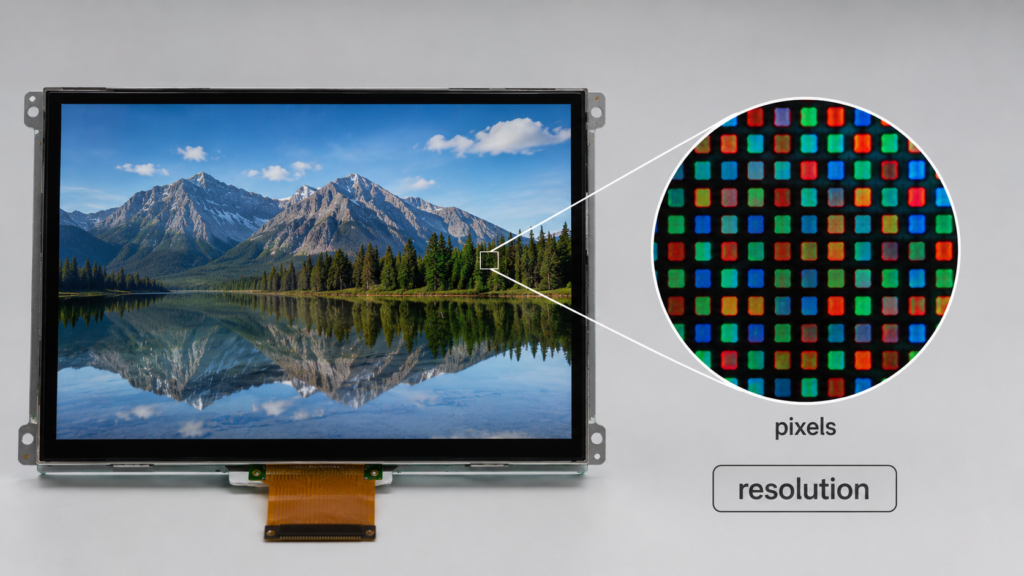
La risoluzione LCD è il numero di pixel integrati nel pannello del display. Il primo numero descrive il numero di pixel lungo la larghezza. Il secondo numero descrive il numero di pixel lungo l'altezza.
Per esempio:
480 × 272 significa 480 pixel orizzontali e 272 pixel verticali.
800 × 480 significa 800 pixel orizzontali e 480 pixel verticali.
1280 × 720 significa 1280 pixel orizzontali e 720 pixel verticali.
1920 × 1080 significa 1920 pixel orizzontali e 1080 pixel verticali.
Il numero totale di pixel si calcola moltiplicando i due numeri. Un display 1920 × 1080 ha 2.073.600 pixel. Questo è il motivo per cui il Full HD può mostrare più dettagli rispetto a 800 × 480 quando entrambi vengono utilizzati correttamente.
Tuttavia, il numero totale di pixel è solo una parte della storia. La risoluzione di un display deve essere valutata insieme alle dimensioni dello schermo, alla densità di pixel, al rapporto d'aspetto, all'interfaccia e alla capacità del sistema.
Illustrazione della risoluzione LCD che mostra uno schermo con una griglia di pixel RGB ingrandita
Perché le differenze di risoluzione LCD sono importanti
Le differenze di risoluzione influenzano la quantità di informazioni che un display può mostrare e quanto nitide appaiono tali informazioni. Nei prodotti embedded, ciò può influenzare l'intera esperienza utente.
Un LCD a bassa risoluzione può essere sufficiente per pulsanti semplici, icone, numeri e indicatori di stato. Un LCD a risoluzione più alta può essere necessario per grafiche dettagliate, feed di telecamere, mappe, grafici, cruscotti, menu densi o interfacce basate su immagini.
La risoluzione influisce su:
Chiarezza del testo
Nitidezza di icone e linee
Densità del layout dell'interfaccia utente
Dettaglio di immagini e video
Carico di lavoro del processore grafico
Larghezza di banda dell'interfaccia del display
Prestazioni di memoria e software
Consumo energetico
Compatibilità della scheda di controllo
Costo del prodotto
Per display industriali, pannelli per smart home, interfacce medicali, apparecchiature di sicurezza, display per veicoli ed elettronica di consumo, la risoluzione giusta deve essere scelta in base a come lo schermo verrà effettivamente utilizzato.
Risoluzioni LCD comuni e loro utilizzi tipici
Risoluzione
Tipo di formato
Applicazione tipica adatta
480 × 272
Widescreen compatto
Pannelli di controllo piccoli, HMI di base, interfacce embedded semplici
800 × 480
Classe WVGA
Pannelli touch industriali, pannelli per smart home, interfacce per apparecchiature
1024 × 600
Formato widescreen embedded
Display classe 7 pollici, terminali HMI, sistemi di controllo
Interfacce stile tablet, pannelli dati, schermi per apparecchiature
1920 × 1080
Full HD
Display ad alto dettaglio, interfacce di imaging, pannelli embedded più grandi
1080 × 1080
Formato quadrato
Display quadrati, cruscotti, layout UI speciali
1920 × 720 o simili
Formato barra o allungato
LCD a barra, segnaletica, display per veicoli, pannelli stretti per apparecchiature
Questi esempi non devono essere considerati regole fisse. La risoluzione corretta dipende dalle dimensioni dello schermo, dalla distanza di visione, dal contenuto dell'interfaccia utente, dall'interfaccia e dal design del sistema.
Risoluzione vs dimensioni dello schermo
Risoluzione e dimensioni dello schermo sono specifiche diverse. La risoluzione descrive il numero di pixel. Le dimensioni dello schermo descrivono la diagonale fisica del display, solitamente misurata in pollici.
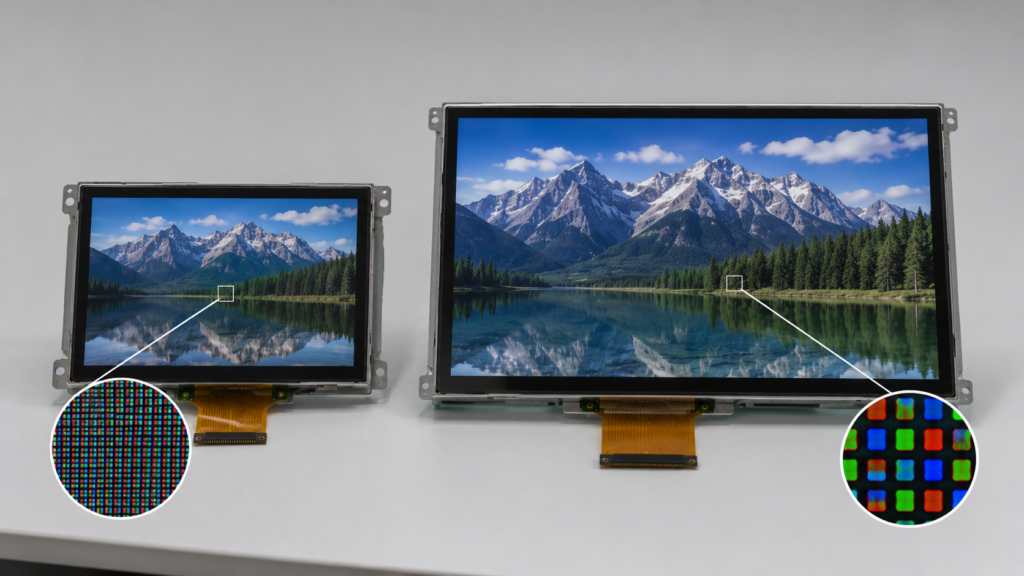
Due LCD possono avere la stessa risoluzione ma dimensioni fisiche diverse. Ad esempio, un display da 5 pollici 1280 × 720 e un display da 10,1 pollici 1280 × 720 contengono lo stesso numero di pixel, ma il display più piccolo concentra quei pixel in un'area fisica più ridotta. Di conseguenza, il display più piccolo ha una densità di pixel maggiore e può apparire più nitido a distanza ravvicinata.
È vero anche il contrario. Un display di grandi dimensioni con una risoluzione moderata può mostrare pixel visibili più grandi se osservato da vicino. Questo può essere accettabile per cartellonistica o visione a distanza, ma non per l'interazione tattile a distanza ravvicinata.
Ecco perché gli acquirenti non dovrebbero confrontare la risoluzione LCD senza verificare le dimensioni fisiche e la distanza di visione.
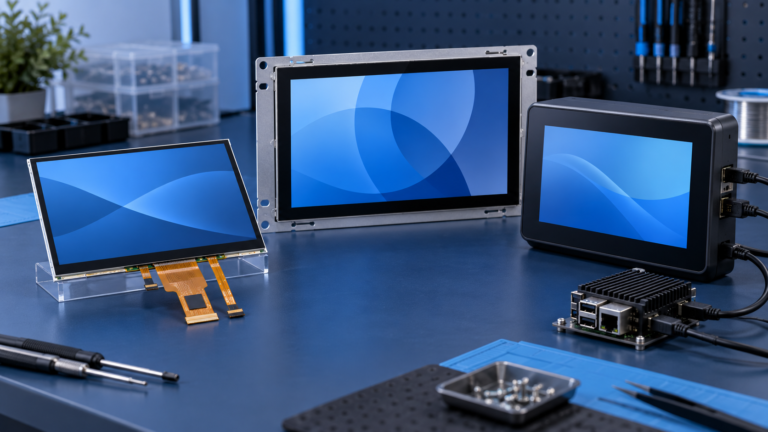
Stessa risoluzione LCD mostrata su diverse dimensioni dello schermo per spiegare la densità di pixel
Risoluzione vs densità di pixel
La densità di pixel descrive quanto strettamente i pixel sono impacchettati nell'area del display. Di solito viene misurata in PPI, o pixel per pollice.
Un PPI più alto di solito significa dettagli più fini e testo più nitido a distanza di visione ravvicinata. Ma un PPI più alto non è sempre necessario. Un display visto da più lontano può apparire nitido con una densità di pixel inferiore rispetto a un dispositivo portatile.
La densità di pixel dipende sia dalla risoluzione che dalle dimensioni fisiche. Una risoluzione 1920 × 1080 può produrre risultati visivi molto diversi su un display da 5 pollici, uno da 10,1 pollici e uno da 15,6 pollici.
Se è necessario stimare la dimensione diagonale, le proporzioni o confrontare i parametri del display, è possibile utilizzare il calcolatore dei parametri del display di RJY Display come riferimento rapido.
Risoluzione nativa: la risoluzione per cui è progettato l'LCD
Ogni pannello LCD ha una risoluzione nativa. Questa è la disposizione fisica dei pixel integrata nel pannello. Un pannello LCD 1024 × 600 ha 1024 colonne e 600 righe di pixel. Non può diventare fisicamente un pannello 1920 × 1080 semplicemente modificando le impostazioni software.
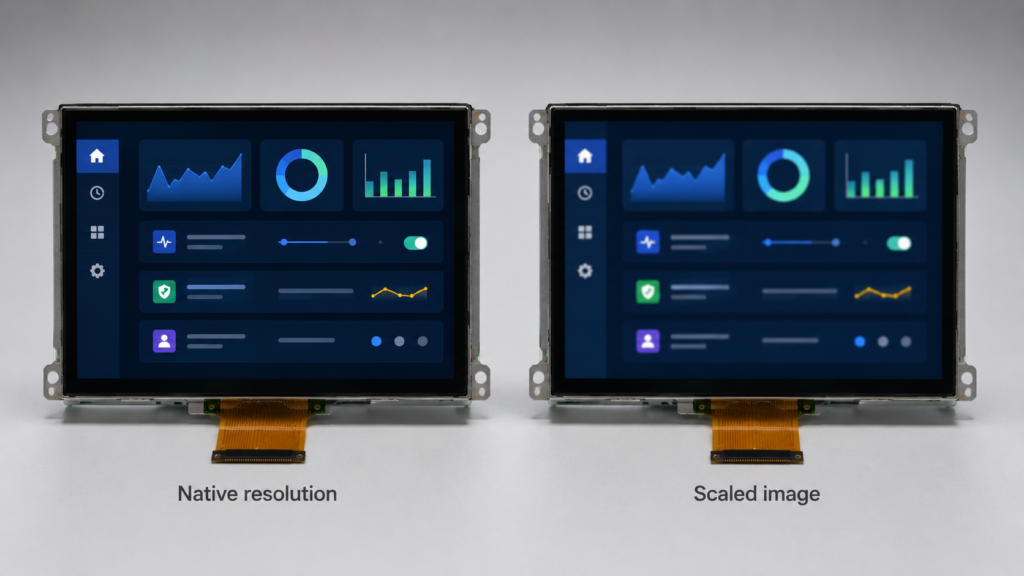
Quando un LCD viene pilotato alla sua risoluzione nativa, un pixel sorgente può mapparsi direttamente su un pixel del display. Questo di solito fornisce l'immagine più nitida.
Quando il segnale di ingresso non corrisponde alla risoluzione nativa, l'immagine deve essere scalata. La scalatura può rendere testo, icone e linee meno nitidi o meno precisi, specialmente se cambiano anche le proporzioni.
Risoluzione LCD nativa confrontata con immagine scalata che mostra un rendering dell'interfaccia utente più nitido e meno nitido
Che cos'è il ridimensionamento della risoluzione?
La scalatura della risoluzione significa adattare il contenuto da una risoluzione all'altra in modo che possa adattarsi al display. Questo può avvenire nel sistema operativo, nel processore grafico, nel software applicativo, nella scheda controller o nell'hardware del display.
La scalatura può funzionare in due direzioni:
Ridimensionamento (Downscaling): il contenuto a risoluzione più alta viene ridotto per adattarsi a un display a risoluzione inferiore.
Ingrandimento (Upscaling): il contenuto a risoluzione inferiore viene ingrandito per riempire un display a risoluzione più alta.
La scalatura è utile, ma non è la stessa cosa che avere la corretta risoluzione nativa. Se la scalatura è pesante, il testo potrebbe apparire sfocato, le linee sottili potrebbero diventare irregolari e gli elementi dell'interfaccia utente potrebbero non allinearsi perfettamente con la griglia dei pixel.
Per i dispositivi embedded, la scalatura deve essere gestita con attenzione perché può influenzare la precisione tattile, la chiarezza dell'interfaccia utente, le prestazioni grafiche e l'esperienza utente.
È possibile regolare il ridimensionamento della risoluzione sui display TFT LCD?
Sì, la scalatura della risoluzione può spesso essere regolata a livello di sistema, ma la risoluzione nativa del pannello LCD è fissa. La regolazione avviene solitamente tramite software, impostazioni grafiche, progettazione dell'interfaccia utente dell'applicazione, scalatura del sistema operativo o una scheda controller.
Ad esempio, un sistema Linux embedded, un sistema Android, un sistema Windows o una scheda controller personalizzata possono scalare l'interfaccia utente prima di inviarla all'LCD. Alcuni sistemi possono ridurre la risoluzione di rendering per migliorare le prestazioni. Altri possono ingrandire il contenuto per adattarlo a uno schermo a risoluzione più alta.
Tuttavia, la capacità di scalatura dipende dal sistema, non solo dall'LCD. Il pannello, la scheda controller, il processore, la GPU, la memoria, l'interfaccia del display e lo stack software influenzano tutti se la scalatura è possibile e se il risultato è accettabile.
Vantaggi dell'uso del ridimensionamento della risoluzione
La scalatura della risoluzione può essere utile in alcuni sistemi di visualizzazione, specialmente quando sono importanti le prestazioni, la durata della batteria o la compatibilità software.
Miglioramento delle prestazioni del sistema
Rendering di meno pixel può ridurre il carico di lavoro del processore e della grafica. Questo può aiutare in sistemi embedded a basso consumo, pannelli per smart home, terminali portatili o dispositivi in cui il processore ha capacità grafiche limitate.
Minore richiesta di potenza in alcuni sistemi
Ridurre il carico di lavoro di rendering può aiutare a ridurre il consumo energetico del sistema. Tuttavia, nei sistemi LCD, la retroilluminazione è spesso un importante consumatore di energia, quindi abbassare la risoluzione di rendering non riduce automaticamente tutta l'energia del display. L'effetto energetico effettivo dipende dalla progettazione del sistema.
Compatibilità software
La scalatura può aiutare il software più vecchio o le applicazioni con layout fisso ad adattarsi a un display più recente. Questo può essere utile quando si sostituisce un display fuori produzione o si aggiorna un prodotto mantenendo il software esistente.
Sviluppo flessibile dell'interfaccia utente
In alcuni sistemi, i progettisti dell'interfaccia utente utilizzano la scalatura per adattare un layout software a più dimensioni o risoluzioni del display. Questo può ridurre lo sforzo di sviluppo, ma deve essere testato attentamente sul display finale.
Svantaggi del ridimensionamento della risoluzione
La scalatura della risoluzione presenta anche dei compromessi. Non dovrebbe essere utilizzata come sostituto per la scelta del pannello corretto quando chiarezza e precisione sono importanti.
Ridotta nitidezza
La scalatura non nativa può rendere testo, icone, linee sottili e piccoli elementi dell'interfaccia utente meno nitidi. Questo è particolarmente evidente sui display tattili a distanza ravvicinata.
Distorsione dell'immagine
Se le proporzioni della sorgente e le proporzioni del display non corrispondono, la scalatura può allungare, ritagliare o aggiungere barre nere all'immagine. Questo può far apparire l'interfaccia utente mal progettata.
Problemi di allineamento tattile
Nei sistemi touchscreen, la scalatura del display deve corrispondere alla mappatura delle coordinate tattili. Se il software, la scheda controller e il driver tattile non sono allineati, l'input tattile potrebbe risultare spostato o impreciso.
Limitazioni della scheda controller
Non tutte le schede controller supportano ogni modalità di scalatura, risoluzione o temporizzazione. Un display può supportare fisicamente una risoluzione, ma la scheda controller e il firmware devono anche corrispondervi.
Conviene acquistare un LCD ad alta risoluzione e ridimensionarlo?
Acquistare un LCD ad alta risoluzione e ridimensionare il contenuto può essere utile in alcuni casi, ma non è sempre la scelta ingegneristica migliore.
Un display a risoluzione più alta può offrire maggiore flessibilità per futuri aggiornamenti dell'interfaccia utente, immagini dettagliate e aspetto premium. Tuttavia, può anche aumentare i costi, la larghezza di banda dell'interfaccia, il carico di lavoro del processore, l'uso della memoria, la richiesta di potenza e la complessità del software.
Per prodotti con interfaccia utente semplice, pulsanti fissi, visualizzazione dati di base o obiettivi di costo rigorosi, una risoluzione nativa moderata può essere più pratica. Per sistemi basati su immagini, cruscotti, display di telecamere, interfacce di mappatura o menu densi, una risoluzione più alta può essere giustificata.
La domanda migliore non è “Dovrei acquistare la risoluzione più alta?” La domanda migliore è: “Quale risoluzione nativa corrisponde alla mia interfaccia utente, distanza di visione, processore, interfaccia, budget energetico e costo del prodotto?”
In che modo la risoluzione LCD influisce sulla selezione dell'interfaccia
Una risoluzione più alta richiede il trasferimento di più dati immagine. Questo influisce sull'interfaccia del display e sulla scheda controller.
I display a bassa risoluzione possono utilizzare interfacce SPI, MCU o RGB a seconda del progetto. I moduli TFT LCD a risoluzione più alta spesso richiedono RGB, LVDS, MIPI DSI, HDMI o eDP a seconda del pannello e dell'architettura del sistema.
Per i progetti basati su scheda controller, la risoluzione deve corrispondere alla capacità di uscita della scheda, alla temporizzazione del display, alla configurazione del firmware e ai requisiti di retroilluminazione. Una mancata corrispondenza può causare assenza di immagine, comportamento instabile del display, scalatura errata, sfarfallio o scarsa qualità visiva.
Livello di risoluzione
Possibile direzione dell'interfaccia
Nota Tecnica
Bassa risoluzione
SPI, MCU, RGB a seconda del modulo
Spesso utilizzata per interfacce embedded compatte
Media risoluzione
RGB, LVDS, MIPI a seconda del sistema
Comune nei pannelli industriali e per dispositivi intelligenti
Alta risoluzione
LVDS, MIPI DSI, HDMI, eDP a seconda dell'architettura
Richiede un controller più potente e un'attenta verifica della compatibilità
Formato speciale
Dipendente dal progetto
I display quadrati, rotondi o a barra possono richiedere un supporto specifico per l'interfaccia utente e il controller
L'interfaccia esatta non può essere determinata solo dalla risoluzione. Il modello del pannello, il circuito integrato del driver, la definizione dei pin, la retroilluminazione, il requisito tattile e il sistema host devono essere esaminati insieme.
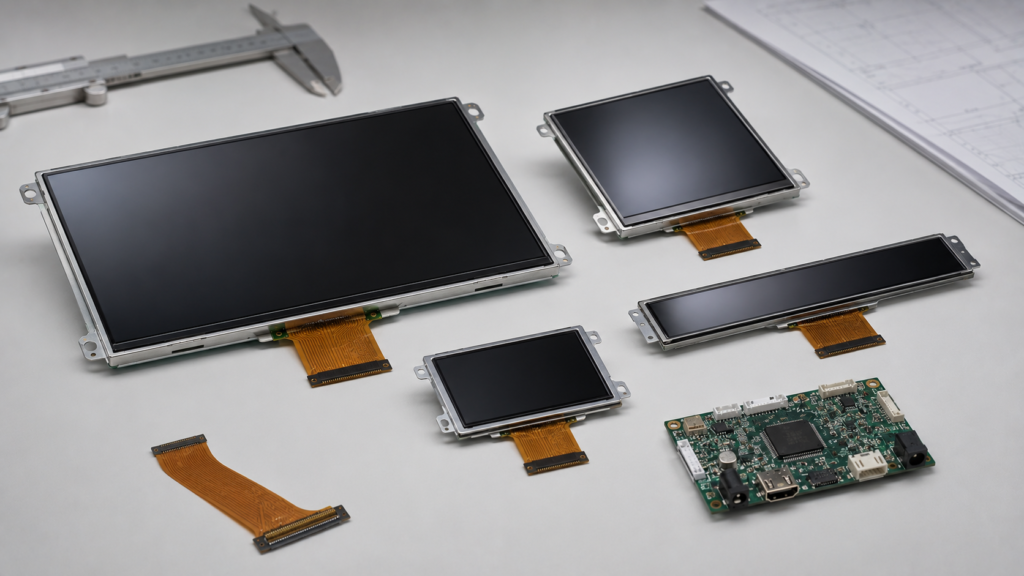
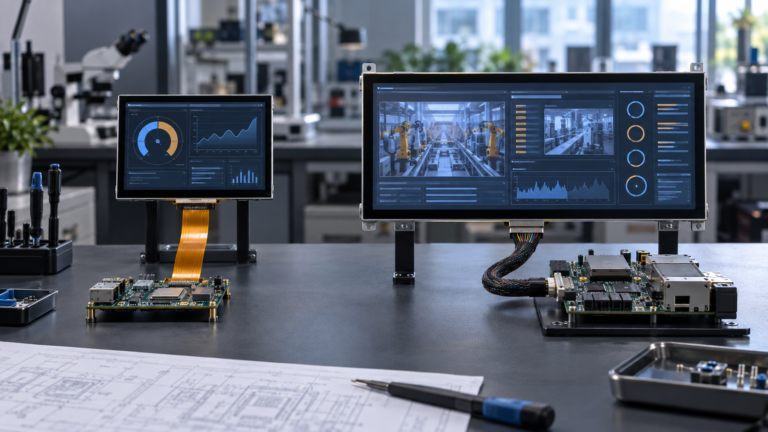
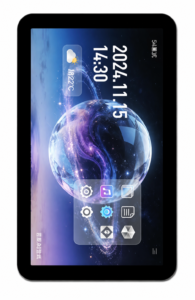
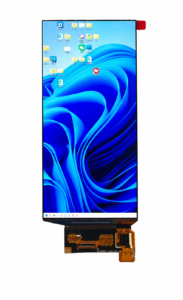
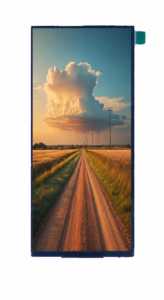
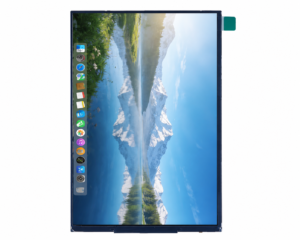
Moduli TFT LCD in diverse dimensioni e formati per la selezione della risoluzione LCD
In che modo la risoluzione LCD influisce su potenza e calore
La risoluzione influisce sul carico di lavoro del sistema perché più pixel richiedono solitamente più dati immagine, larghezza di banda della memoria ed elaborazione grafica. Questo può aumentare il consumo energetico a livello di sistema.
In un modulo LCD, la retroilluminazione è spesso uno dei maggiori consumatori di energia. Pertanto, una risoluzione di rendering inferiore non significa automaticamente una riduzione significativa dell'energia totale del display se la luminosità della retroilluminazione rimane la stessa.
Per i dispositivi alimentati a batteria, devono essere valutati sia la risoluzione che la luminosità della retroilluminazione. Per le apparecchiature industriali, l'energia può essere meno restrittiva, ma il calore, la stabilità e l'affidabilità a lungo termine sono comunque importanti.
Risoluzione LCD in diverse applicazioni
Settori industriali e tipologie di prodotto differenti richiedono strategie di risoluzione diverse. Un display deve essere selezionato in base all'applicazione, non solo confrontando i valori di risoluzione.
HMI industriale
I display HMI industriali necessitano di testo leggibile, pulsanti chiari, risposta tattile stabile e funzionamento affidabile. Una risoluzione moderata può essere sufficiente per pannelli di controllo semplici, mentre una risoluzione più elevata può essere utile per cruscotti densi, grafici di tendenza, allarmi e interfacce multi-finestra.
Pannelli per smart home
I display per smart home spesso richiedono un equilibrio tra aspetto visivo, usabilità tattile, costo e consumo energetico. La risoluzione deve supportare l'interfaccia utente senza sovraccaricare la scheda di controllo o aumentare inutilmente i costi.
Interfacce medicali
I dispositivi medicali possono richiedere testo chiaro, visualizzazione stabile e riproduzione coerente delle immagini. Se il prodotto visualizza immagini dettagliate, la risoluzione nativa deve essere selezionata con attenzione. Evitare di fare affidamento su un ridimensionamento pesante laddove dettaglio e leggibilità sono importanti.
Display per veicoli
I display per veicoli possono utilizzare formati standard, quadrati, rotondi o a barra a seconda del design del prodotto. La risoluzione deve corrispondere al layout dell'interfaccia utente, alla distanza di visione, al requisito di luminosità e alla capacità della scheda di controllo. Non dare per scontato che una risoluzione più elevata migliori da sola la guida o l'usabilità dell'apparecchiatura.
Apparecchiature di sicurezza
I dispositivi di sicurezza possono visualizzare menu, flussi video, cruscotti di stato o interfacce di controllo. Una risoluzione più elevata può aiutare con i dettagli visivi, ma l'elaborazione del sistema, l'input video e l'interfaccia del display devono essere in grado di supportarla.
Come scegliere la giusta risoluzione LCD
Per scegliere la giusta risoluzione LCD, partire dal design del prodotto anziché dalla tabella delle risoluzioni. Chiedersi cosa deve vedere l'utente, quanto è vicino allo schermo, quante informazioni devono essere contenute e quale sistema piloterà il display.
Domande importanti per la selezione includono:
Qual è la dimensione fisica dello schermo?
Qual è la normale distanza di visione?
Quanto testo, dati o dettagli di immagine devono essere visualizzati?
L'interfaccia utente è prevalentemente statica, grafica, basata su video o touch?
Quale rapporto d'aspetto si adatta all'involucro del prodotto?
Quale interfaccia supporta il sistema host?
Il progetto richiede una scheda di controllo?
Quale processore o sistema operativo piloterà il display?
Qual è il budget energetico?
Verrà utilizzato il ridimensionamento o l'interfaccia utente sarà progettata per la risoluzione nativa?
È richiesta la mappatura delle coordinate tattili?
Quali sono il costo target e il volume di produzione?
Queste domande aiutano a restringere la scelta della risoluzione e a ridurre i problemi di compatibilità durante lo sviluppo.
Errori comuni nel confrontare la risoluzione LCD
Un errore comune è presumere che una risoluzione più elevata sia sempre migliore. Una risoluzione più elevata può migliorare il dettaglio, ma può anche aumentare costo, potenza, larghezza di banda e complessità del software.
Un altro errore è ignorare le dimensioni dello schermo. Una risoluzione che appare nitida su un piccolo display potrebbe non apparire nitida su un display molto più grande.
Un terzo errore è utilizzare una risoluzione non nativa e aspettarsi una nitidezza perfetta. I pannelli LCD hanno il loro miglior aspetto quando il segnale di ingresso corrisponde alla loro risoluzione nativa.
Un quarto errore è ignorare il rapporto d'aspetto. Un display può avere pixel sufficienti ma essere comunque inadatto se la forma dello schermo non corrisponde all'interfaccia utente o all'involucro.
Un quinto errore è selezionare il display prima di confermare la compatibilità della scheda di controllo. Risoluzione, temporizzazione, interfaccia, definizione dei pin, retroilluminazione, touch e firmware devono tutti corrispondere.
Supporto di RJY Display per la selezione della risoluzione LCD
RJY Display supporta moduli TFT LCD, schede di controllo e display personalizzati. Discussioni di soluzioni per progetti B2B guidati dall'ingegneria. La selezione della risoluzione può essere esaminata insieme a dimensioni del display, rapporto d'aspetto, luminosità, interfaccia, pannello touch, vetro di copertura, FPC, scheda di controllo, firmware e struttura meccanica.
Per molti progetti, la migliore risoluzione non è la risoluzione più alta disponibile. È la risoluzione che si adatta all'interfaccia utente, alla distanza di visione, al processore, all'interfaccia, al budget energetico, al design meccanico e al piano di produzione.
Se il tuo progetto richiede un modulo TFT LCD standard, un display quadrato, display rotondo, LCD a barra, un display ad alta luminosità, un display touch, una scheda di controllo o display personalizzati. supporto, prepara le dimensioni del display richieste, la risoluzione, l'interfaccia, la luminosità, il touch e i dettagli dell'applicazione prima della richiesta.
La differenza nella risoluzione LCD non è solo il numero di pixel. La risoluzione deve essere compresa insieme a dimensioni dello schermo, densità di pixel, rapporto d'aspetto, risoluzione nativa, comportamento di ridimensionamento, larghezza di banda dell'interfaccia, supporto della scheda di controllo, consumo energetico e distanza di visione.
Una risoluzione più elevata può migliorare il dettaglio, ma può anche aumentare i requisiti di sistema. Una risoluzione inferiore può ridurre costi e carico di lavoro, ma potrebbe non fornire sufficiente chiarezza per interfacce utente dense o applicazioni basate su immagini.
Per i progetti di display B2B, la scelta migliore è una configurazione di display bilanciata. Scegliere la risoluzione che si adatta al prodotto reale: dimensioni dello schermo, design dell'interfaccia utente, distanza di visione, interfaccia, requisiti touch, scheda di controllo, budget energetico, struttura meccanica e aspettative di produzione.
FAQ
Cos'è la risoluzione LCD?
La risoluzione LCD è il numero di pixel disposti orizzontalmente e verticalmente sul display. Di solito viene scritta come larghezza × altezza, ad esempio 800 × 480 o 1920 × 1080.
Qual è la differenza tra risoluzione e dimensioni dello schermo?
La risoluzione descrive il numero di pixel, mentre le dimensioni dello schermo descrivono la dimensione fisica del display. Due schermi possono avere la stessa risoluzione ma diversa densità di pixel se le loro dimensioni fisiche sono diverse.
Cos'è la risoluzione nativa?
La risoluzione nativa è la disposizione fisica dei pixel integrata in un pannello LCD. Il display appare solitamente più nitido quando il segnale di ingresso corrisponde a questa risoluzione nativa.
Cos'è il ridimensionamento della risoluzione?
Il ridimensionamento della risoluzione adatta il contenuto da una risoluzione all'altra in modo che possa adattarsi al display. Può comportare il downscaling di contenuti ad alta risoluzione o l'upscaling di contenuti a bassa risoluzione.
Il ridimensionamento della risoluzione riduce la qualità dell'immagine?
Può farlo. Il ridimensionamento non nativo può rendere testo, icone, linee sottili ed elementi dell'interfaccia utente più morbidi o distorti, specialmente quando il rapporto d'aspetto non corrisponde.
Una risoluzione LCD più elevata è sempre migliore?
No. Una risoluzione più elevata può migliorare il dettaglio, ma può anche aumentare costo, domanda di potenza, larghezza di banda dell'interfaccia, carico di lavoro grafico e complessità del software. La risoluzione giusta dipende dall'applicazione.
Come scelgo la giusta risoluzione LCD?
Scegliere in base a dimensioni dello schermo, distanza di visione, complessità dell'interfaccia utente, dettaglio dell'immagine, rapporto d'aspetto, interfaccia, supporto della scheda di controllo, capacità del processore, budget energetico e design meccanico.
RJY Display può aiutare con la selezione della risoluzione LCD?
RJY Display può aiutare a esaminare dimensioni del display, risoluzione, rapporto d'aspetto, interfaccia, luminosità, requisiti touch, supporto della scheda di controllo ed esigenze di personalizzazione per progetti TFT LCD.
Condividi le dimensioni del display, la risoluzione, l'interfaccia, la luminosità, i requisiti tattili, i requisiti della scheda controller e l'ambiente applicativo.