










Panoramica del prodotto
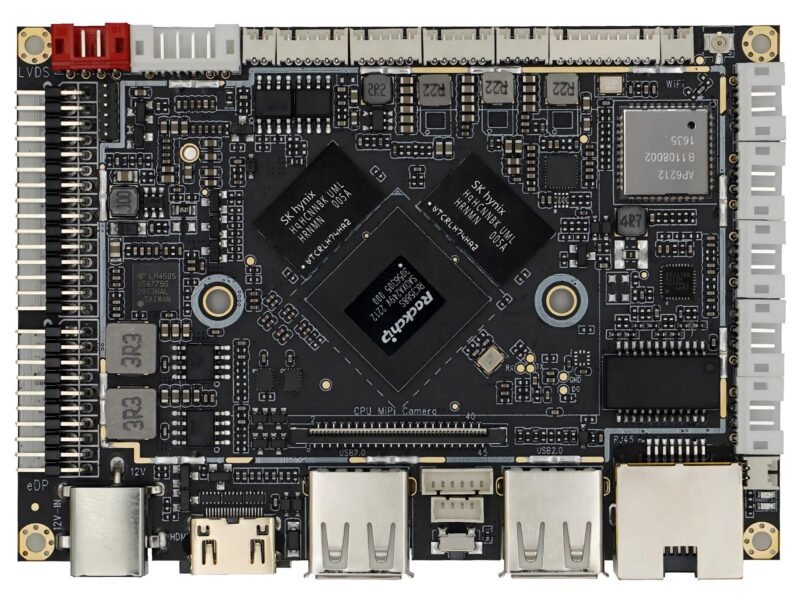
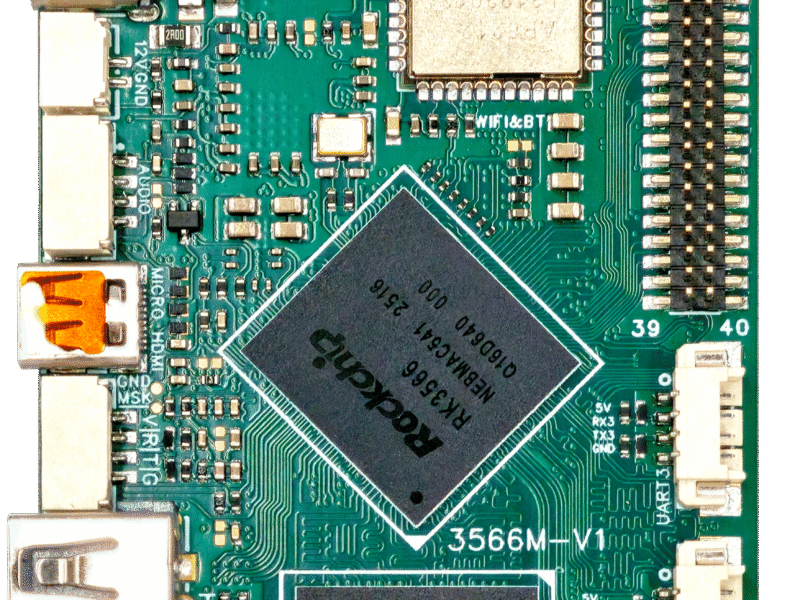
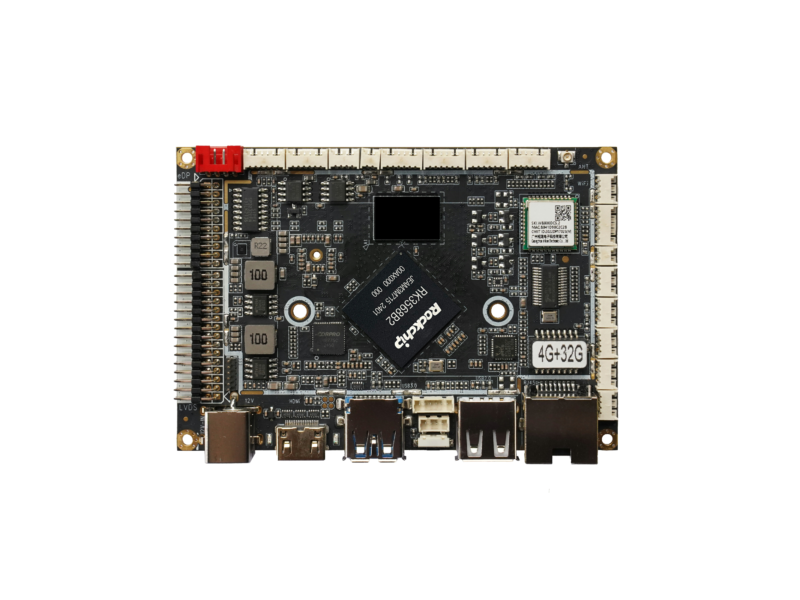
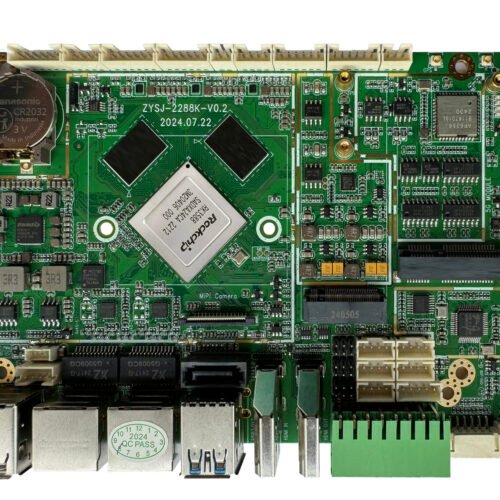
Il RJY-2288K è una scheda madre ad alte prestazioni alimentata dal processore AIoT di punta di nuova generazione di Rockchip RK3588. Supporta un'ampia gamma di sistemi operativi, tra cui Android, Debian, Ubuntu, Tongxin, Kirin e HarmonyOS. L'RK3588 è realizzato con la tecnologia di processo LP a 8 nm e presenta un CPU ottacore a 64 bit con con architettura Cortex-A76 + A55, che raggiunge una frequenza massima di 2,4 GHz, offrendo eccezionali prestazioni di calcolo generico.
La GPU è un'unità di fascia alta Mali-G610 quad-core, e la CPU integra un'unità di elaborazione neurale per l'IA (NPU) che supporta il calcolo a precisione mista IN4 / IN8 / INT16 , raggiungendo una potenza di calcolo di, 6,0 TOPS . La piattaforma è compatibile con vari strumenti e interfacce di sviluppo per l'IA, supportando la. conversione di modelli per TensorFlow, Caffe, MxNet, PyTorch e fornendo API tra cui, Android NN API, RKNN cross-platform API e interfaccia TensorFlow . Questa scheda madre supporta.
la visualizzazione indipendente multi-schermo , output LVDS 1080P a 6/8 bit, , interfacce di visualizzazione eDP e MIPI, , output HDMI 8K, e input HDMI 4K, e . È dotata di. doppia Gigabit Ethernet, Wi-Fi dual-band 2,4/5 GHz, Bluetooth 5.0 , nonché di, interfacce M.2/SATA/USB3.0, modulo 4G/5G, sensori di gravità, GPS, CAN, RS232/RS485, espansione I/O, espansione I2C, ingressi per telecamere MIPI e telecomando a infrarossi , offrendo un ricco set di opzioni di connettività., Dotata di questo potente processore AI ottacore, la ZYSJ-2288K è ideale per un'ampia gamma di applicazioni, tra cui.
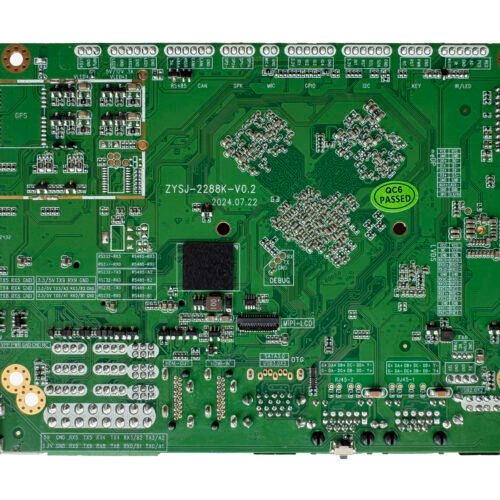
sicurezza antincendio intelligente, edilizia intelligente, controllo qualità industriale, veicoli autonomi, agricoltura intelligente, macchine di smistamento intelligenti, robotica AI, server cloud, NVR intelligenti, sistemi metaverso, PC ARM, sicurezza, medicina, trasporti, finanza, controllo industriale, istruzione e vendita al dettaglio . La combinazione di. piattaforma hardware e intelligenza software e consente un'esperienza fluida di interazione uomo-macchina e di dispositivi in rete su un'unica scheda madre terminale intelligente. Retro della 2288K V0.2.
Specifiche tecniche
| Categoria | Specifiche |
|---|---|
| Sistema Operativo | Android 12.0 / Debian / Ubuntu 20.04 / UOS / Kylin / HarmonyOS ecc. |
| Processore (CPU) | Rockchip RK3588 (8nm LPP), CPU ARM 64-bit octa-core, 4×Cortex-A76 + 4×Cortex-A55, fino a 2,4 GHz |
| GPU | Mali-G610 MP4 quad-core, supporta OpenGLES3.2, OpenVG1.1, OpenCL2.2, 450 GFLOPS |
| NPU (AI) | Unità di Elaborazione Neurale integrata, supporta IN4/IN8/INT16/FP16, 6,0 TOPS, compatibile con Caffe/MxNet/TensorFlow/TF Lite/ONNX/Darknet, inclusi strumenti di sviluppo AI |
| Memoria (RAM) | LPDDR4 4GB (opzioni: 8GB/16GB/32GB) |
| Immagazzinamento | eMMC 32GB (opzioni: 64GB/128GB/256GB), espansione SATA HDD |
| Espansione | PCIe M.2 4 corsie, supporta moduli di dimensioni M.2 2242/2260 |
| Rete | Doppia Gigabit Ethernet, Wi-Fi dual-band 2,4G/5G (opzionale Wi-Fi6), Bluetooth 5.0, 4G LTE (opzionale), 5G NR (opzionale) |
| GPS | Modulo GPS/BD integrato, sensibilità -162dBm, frequenza 1575,42MHz, 20 canali, precisione <10 m (opzionale) |
| Interfacce Display | 1×eDP 1.3 (4 corsie, 3,3V/5V), 1×LVDS (singolo/duale, 6/8-bit, 1080P60Hz, 3,3V/5V/12V), 1×HDMI 2.1 uscita 8K60Hz, 1×HDMI 2.0 ingresso 4K60Hz, 1×MIPI uscita 5,7Gbps, supporto multi-display |
| Retroilluminazione & Audio | Retroilluminazione a bordo 12V, 1×uscita audio (2×18W 4R), 1×uscita cuffie, 2×ingressi microfono |
| Fotocamera | 1×ingresso fotocamera MIPI (fino a 48MP, opzionale), supporto fotocamera USB (opzionale) |
| Porte USB | 6×USB 2.0 HOST, 1×USB 2.0 CPU, 1×USB 3.0 CPU, 1×USB 3.0 OTG |
| PCIe / SIM | 1×Mini PCIe per modulo 4G/5G LTE, 1×slot per scheda SIM, supporta eSIM |
| IR | 1×ricevitore a infrarossi, supporta telecomando |
| LED & Pulsanti | 1×LED alimentazione (rosso), 1×LED sistema (blu lampeggiante), pulsanti reset/alimentazione/aggiornamento |
| Seriale & Espansione I/O | 4×RS232, 3×RS485, 2×UART (TTL), 1×CAN, 1×I2C, 1×AD, 8×espansione I/O, 4×porte alta corrente 5/12V |
| Interfacce Ventola / Luce | Supporta controllo ventola e luce 5V/12V |
| Alimentazione | Ingresso AC 100–240V 50–60Hz, uscita DC 12V/2A, supporta accensione automatica o tramite pressione tasto |
| Ambiente operativo | Temperatura Operativa: -10 |
| Dimensioni | 160×105×20 mm |
| Multimedia | Supporta decodifica 8K 60fps H.265/H.264, codifica 8K 30fps H.265/H.264, decodifica/codifica simultanea con stesso codec, fino a 32×1080P30fps decodifica e 16×1080P60fps codifica |
| Caratteristiche di Sistema | Supporto multilingua, tastiera Android standard, metodi di input di terze parti opzionali, Android nativo con accesso root, personalizzabile per sviluppo prodotto |
| Gestione Sistema | Monitoraggio remoto in tempo reale, recupero automatico sistema, funzionamento 7×24h non presidiato, aggiornamento remoto OTA, Wi-Fi Display, watchdog software (hardware opzionale) |
| Rotazione Schermo | Supporta rotazione manuale 0°/90°/180°/270° e rotazione automatica tramite sensore di gravità (opzionale) |