








Jacky_Huang

Jacky_Huang

How is an LCD module composed?
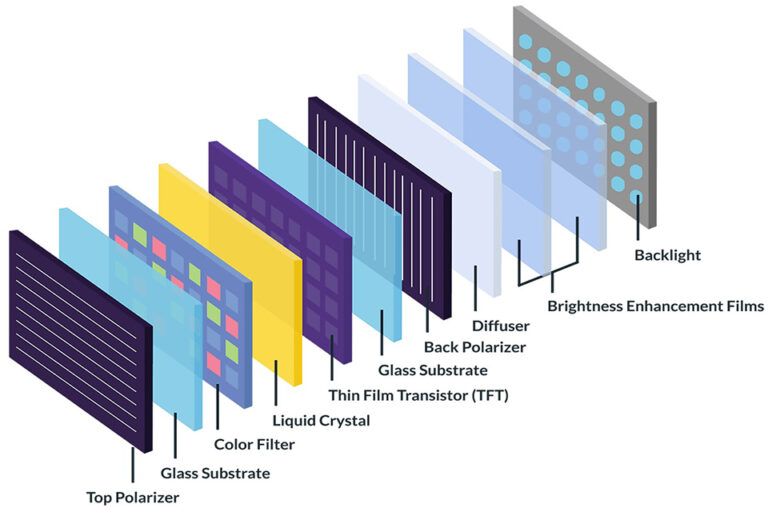
Structures of TFT LCD

Modern LCDs are intricate assemblies of precise optical, electronic, and structural elements. Understanding the parts of an LCD not only clarifies how these displays work—but also helps engineers and buyers select the right configuration for their application.

From polarizers and glass substrates to TFT arrays and touch layers, here’s a clear breakdown of what makes up an LCD module—and why each element matters.
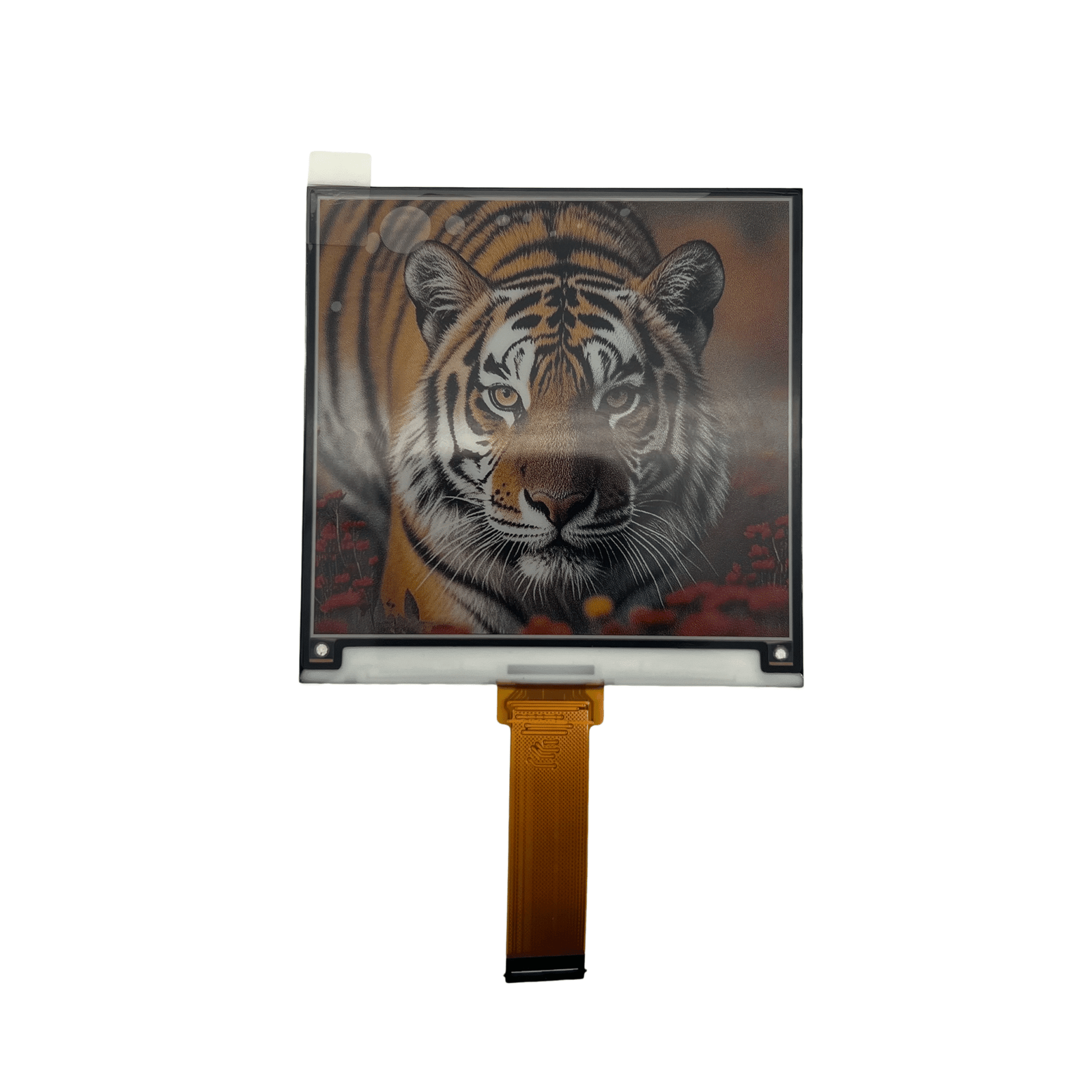
High-Contrast 4.05-inch E-Paper Display for Smart Applications

We are excited to announce the launch of our latest e-paper module, designed for low-power, high-clarity display solutions across various industries including smart retail, logistics, medical equipment, and IoT signage. This 832×768 resolution E-Ink display delivers crisp visuals with an ultra-low power profile—perfect for devices that require always-on visibility without constant energy consumption.

Cheap LCD Modules Cost Analysis: Benefits of Low-Cost Display Solutions

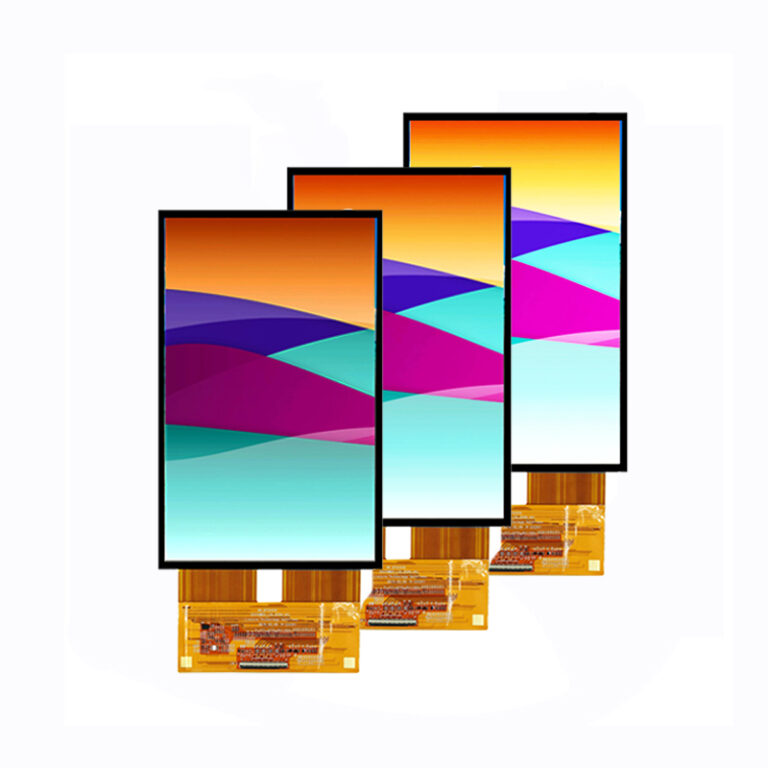
A cheap LCD module is a cost-effective display unit that integrates a TFT panel, backlight, driver circuit, and often FPC or touch interfaces. These modules are widely used in consumer devices, industrial panels, and smart appliances. Despite the low cost, they reliably display data, deliver stable image quality, and offer certification-backed safety and performance.

What is the industrial display assembly process?

Industrial touch screens are no longer a niche technology—they're central to how people interact with machines in factories, hospitals, outdoor terminals, and transportation systems. Unlike consumer displays, an industrial touch screen has to be tough, smartly built, and extremely reliable.

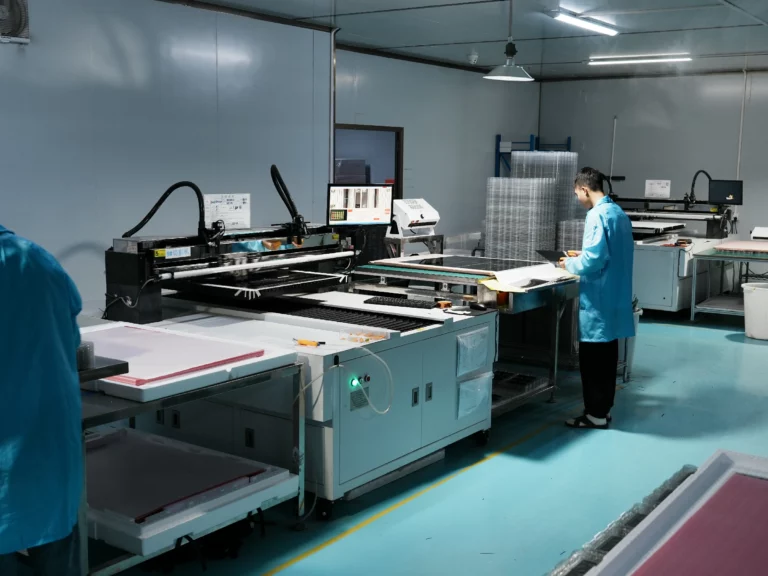
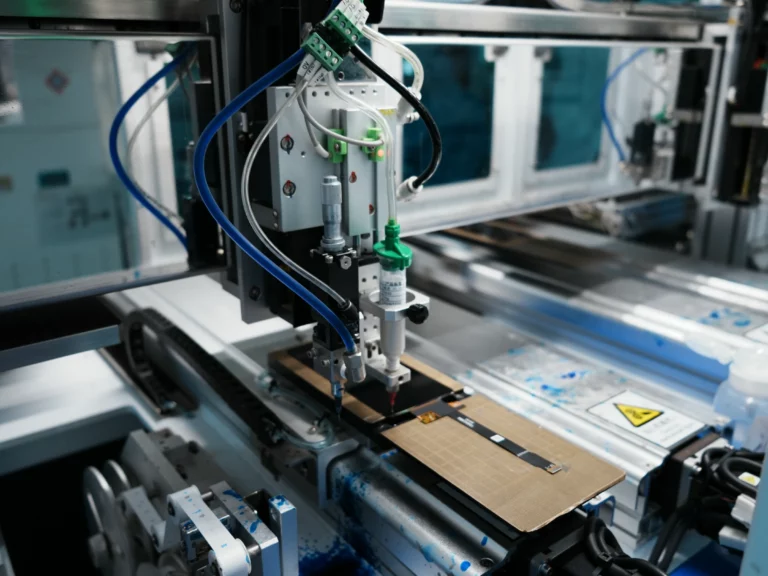
Behind every seamless touch experience is a highly engineered assembly process. From bonding and circuitry to housing and testing, every step matters. Let’s walk through the core components and techniques that go into building a truly industrial-grade touch display.

7-inch Sunlight Readable LCD-TFT for Outdoor Applications

We are pleased to announce the launch of our latest high-performance 7 inch TFT LCD module, designed to meet the rigorous demands of high-resolution, outdoor, and professional display applications. With advanced brightness, wide viewing angles, and a Full HD format, this display solution is perfect for developers looking to deliver outstanding visual clarity and durability.

How to Identify If Your LCD Module Supplier Is a Real Manufacturer

When selecting TFT LCD module manufacturers, one critical question often arises: Are you dealing with a real factory or just a middleman? The answer can significantly impact your project’s success, affecting everything from cost and lead time to product quality and customization options. This guide will walk you through how to determine whether your supplier is a genuine manufacturer or just a trading company.

The Viewing Angle of TFT LCD Display Screens

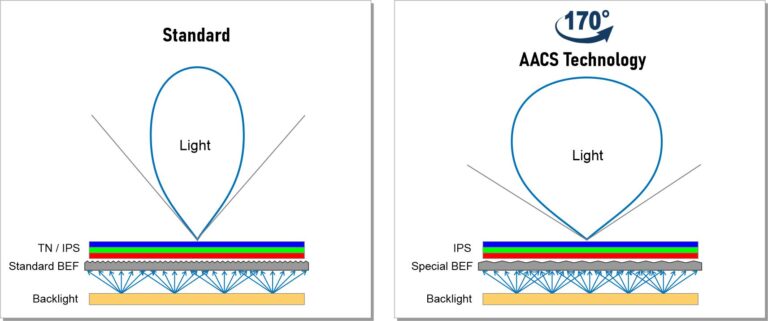
In today’s screen-dominated world, we often take for granted just how clearly we can view content on displays—from phones and tablets to medical monitors and car dashboards. One of the most crucial yet underappreciated aspects of display performance is the viewing angle. For anyone working with or selecting a TFT LCD display screen, understanding this feature is key to ensuring clarity, consistency, and user satisfaction.

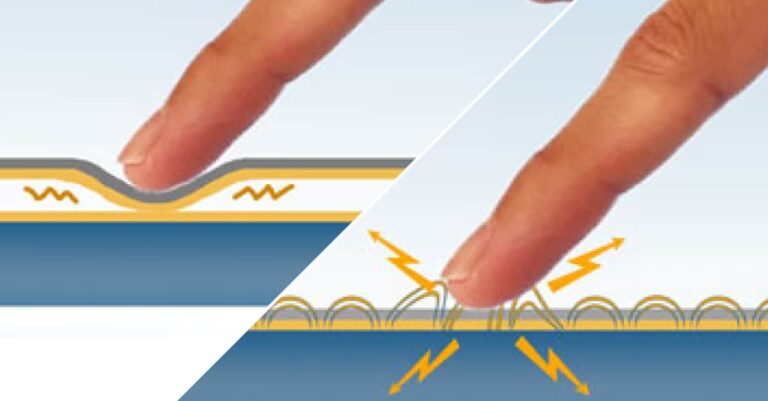
Capacitive vs Resistive Touchscreens

Capacitive-vs-Resistive-Touch

If you're designing an interface for a custom display solution, selecting between a capacitive vs resistive touchscreen is a decision that can impact everything from user experience to environmental resilience.

Both technologies detect touch—but how they do so, and the environments they thrive in, are fundamentally different. Here's what you need to know before you choose.

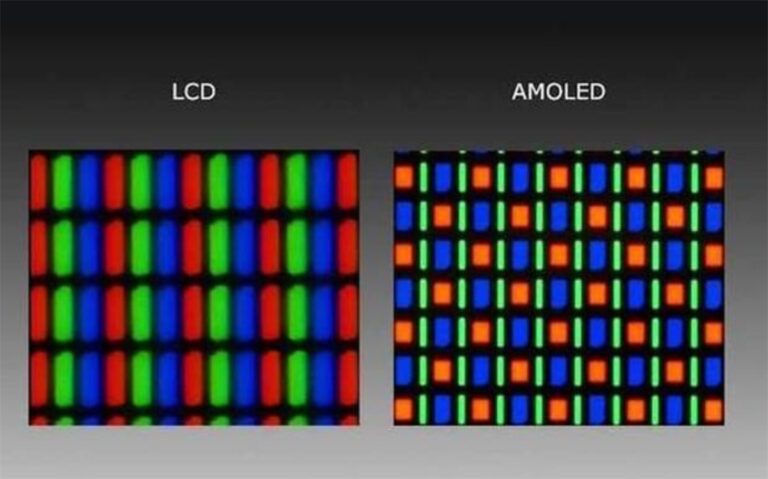
AMOLED vs IPS Displays

TFT LCD vs AMOLED

When it comes to high-performance screens in consumer electronics, wearables, or industrial devices, two display technologies dominate the landscape—AMOLED and IPS.

Both have transformed how we view and interact with digital content, but they operate on fundamentally different principles. Understanding the key distinctions between AMOLED vs IPS displays helps you make the right decision for your product’s performance, durability, and cost.

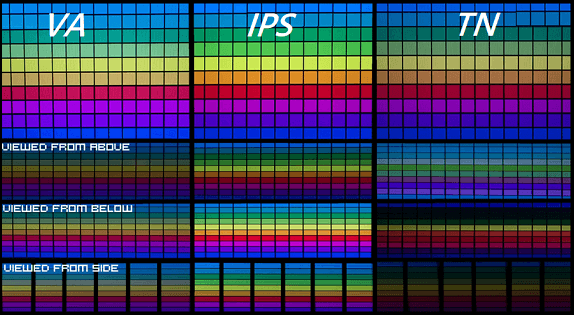
What are the differences between TN, VA, and IPS?

lcd panel types

Choosing the right LCD display panel type is critical when designing industrial monitors, medical devices, or custom touch interfaces. The three main panel types—TN (Twisted Nematic), VA (Vertical Alignment), and IPS (In-Plane Switching)—each bring unique strengths and limitations.

This guide explores each LCD technology in depth and helps you decide which is best suited for your product or environment.