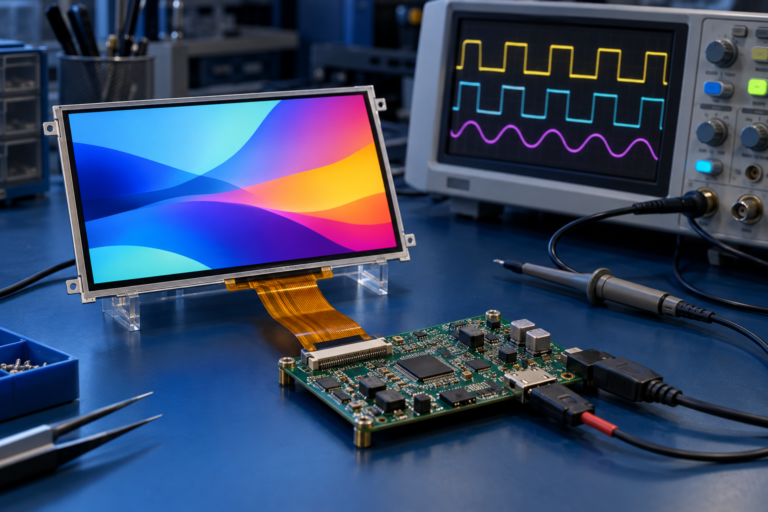
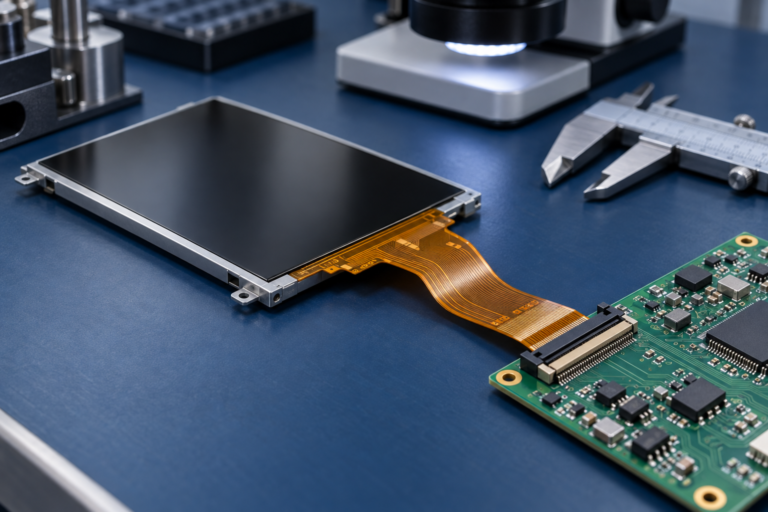
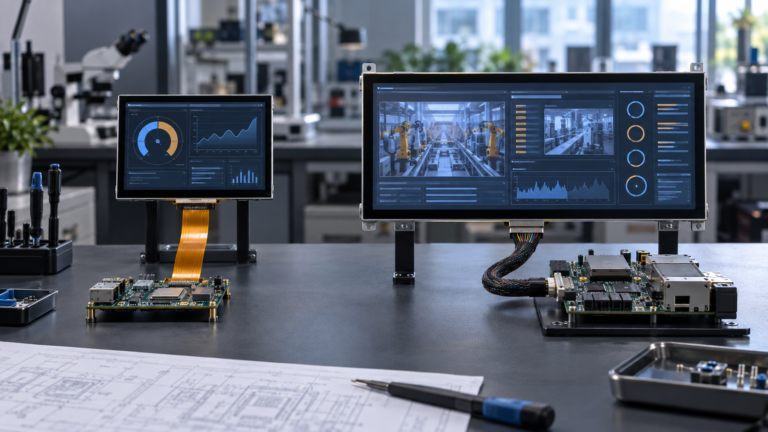
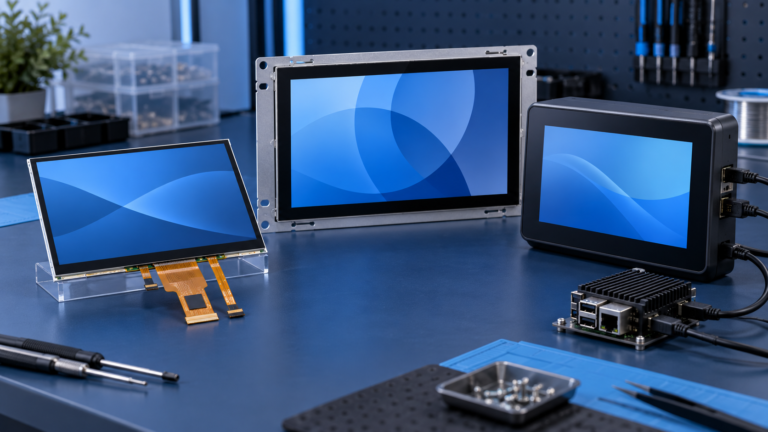
Stehen Sie bei Ihrem Embedded-Display-Projekt vor einer Herausforderung?
Lassen Sie nicht komplexe Integration oder Lieferkettenprobleme Ihre Markteinführung verzögern. Vereinbaren Sie eine kostenlose Beratung mit dem RJY-Expertenteam für maßgeschneiderte Design- und Fertigungsunterstützung.
Die 5 wichtigsten TFT-Modul-Innovationen des Jahrzehnts: Ein strategischer Leitfaden für Hardware-OEMs
Veröffentlicht:
12 Minuten Lesezeit
Aktualisiert:
Im hochriskanten Bereich der globalen Hardwarefertigung ist die Displaytechnologie oft die am stärksten geprüfte Komponente in der Stückliste (BOM). Im letzten Jahrzehnt wurde die Verbrauchermedien vom Aufstieg der OLED- und Faltbildschirme gefesselt. Für Hardware-Ingenieure, Produktmanager und Einkaufsleiter in den europäischen und nordamerikanischen Märkten – insbesondere jene, die für die Bereiche Industrieautomation, Medizingeräte, Fahrzeuginnenräume und intelligente Haushaltsgeräte entwickeln – hat die wahre Revolution jedoch an anderer Stelle still stattgefunden: innerhalb der Architektur des TFT-Moduls.
Seit fast dreißig Jahren ist der Dünnschichttransistor (TFT)-Flüssigkristallbildschirm (LCD) das Arbeitstier der globalen Elektronikindustrie. Doch das heutige TFT-Modul ist im Vergleich zu den generischen, kontrastarmen, dicken Panels der frühen 2010er Jahre praktisch nicht wiederzuerkennen. Angetrieben durch den unerbittlichen Druck, die visuelle Leistung von OLED zu erreichen und gleichzeitig die robuste Haltbarkeit, niedrigen Kosten und langen Produktlebenszyklen zu gewährleisten, die von professionellen Branchen gefordert werden, haben Display-Fabriken außergewöhnliche Innovationen entwickelt.
Dieses Consulting-Briefing dekonstruiert die fünf wichtigsten TFT-Modul-Innovationen des letzten Jahrzehnts. Es bietet eine technische Analyse der Funktionsweise dieser Fortschritte, ihre strategischen Auswirkungen auf Ihre Lieferkette sowie umsetzbare Ratschläge, wie Sie sie für Ihre nächste Hardware-Plattform spezifizieren können.
Innovation 1: Der Aufstieg von IGZO und hochmobilen Metalloxid-Backplanes
Jahrzehntelang war das Standardsubstrat für ein TFT-Modul amorphes Silizium (a-Si). Obwohl es in großen Stückzahlen kosteneffizient herzustellen ist, leidet a-Si in einer Ära, die ultrahohe Auflösungen und geringeren Stromverbrauch fordert, unter einem fatalen Fehler: geringe Elektronenmobilität. Die Transistoren auf einem a-Si-Backplane müssen physisch groß sein, um genügend Strom fließen zu lassen, was die Hintergrundbeleuchtung blockiert (das Öffnungsverhältnis reduziert) und zu einem dunkleren Bildschirm führt, der mehr Strom zur Beleuchtung benötigt.
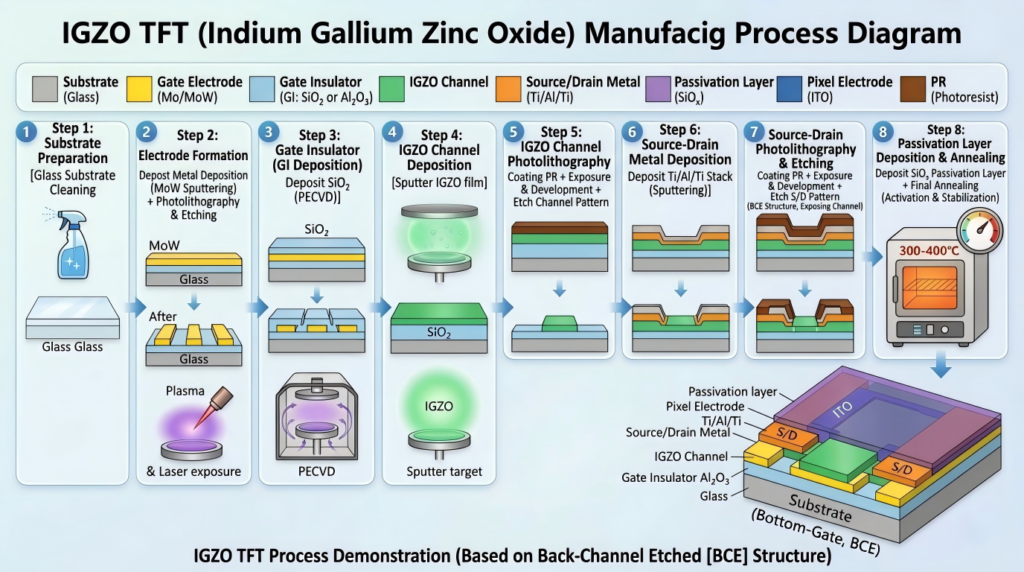
Die Einführung und anschließende Reifung der IGZO (Indium-Gallium-Zink-Oxid) Technologie im letzten Jahrzehnt hat das Verhältnis von Leistung zu Performance des TFT-Moduls grundlegend verändert.
Die 5 wichtigsten TFT-Modul-Innovationen des Jahrzehnts: Ein strategischer Leitfaden für Hardware-OEMs 6
Der technische Durchbruch
IGZO ist ein transparenter amorpher Oxid-Halbleiter. Sein Hauptvorteil ist seine Elektronenmobilität, die 20- bis 50-mal höher ist als die von herkömmlichem a-Si. Diese Hypereffizienz ermöglicht es Display-Ingenieuren, die physische Größe der Transistoren auf dem Glas drastisch zu reduzieren.
Höheres Öffnungsverhältnis: Kleinere Transistoren bedeuten, dass mehr Licht durch das Pixel gelangt. Dies ermöglicht entweder einen viel helleren Bildschirm bei gleicher Hintergrundbeleuchtungsleistung oder eine Standardhelligkeit bei drastisch reduzierter Batterieentladung.
Flimmerfreie statische Anzeige: Im Gegensatz zu a-Si, das ständig Strom verliert und eine Aktualisierung des Displays 60 Mal pro Sekunde (60 Hz) erfordert, selbst wenn das Bild statisch ist, kann ein IGZO-TFT-Modul seine elektrische Ladung über einen längeren Zeitraum halten. Die Bildwiederholrate kann für statische Bilder dynamisch auf 1 Hz (ein Bild pro Sekunde) gesenkt werden, wodurch der Stromverbrauch des Display-Panels um bis zu 80 % reduziert wird.
Strategische Bedeutung für OEMs
Wenn Ihr Produkt mit Batteriestrom betrieben wird (z. B. tragbare medizinische Diagnosegeräte, Logistikscanner, tragbare Wearables) und hauptsächlich statische Dashboards anzeigt, ist ein IGZO-TFT-Modul eine zwingende Spezifikation. Während die anfänglichen Komponentenkosten geringfügig höher sind als bei einem a-Si-Modul, führen die Einsparungen bei der Batteriekapazität (die es ermöglicht, eine kleinere, günstigere Lithium-Ionen-Zelle zu spezifizieren) oft zu einer Netto-Negativauswirkung auf Ihre gesamten BOM-Kosten, während gleichzeitig ein dünneres, leichteres Produktdesign ermöglicht wird.
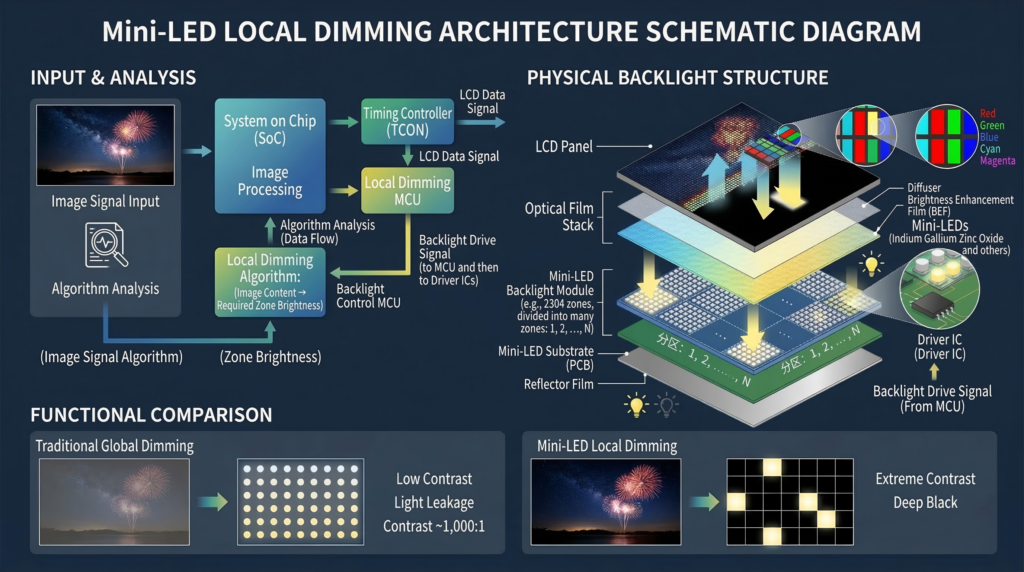
Die anhaltendste Kritik am Standard-TFT-Modul war sein Kontrastverhältnis. Da ein LCD-Panel auf eine kontinuierlich beleuchtete LED-Hintergrundbeleuchtung angewiesen ist, ist “echtes Schwarz” unmöglich zu erreichen; etwas Licht dringt unweigerlich durch die Flüssigkristalle, was in schwach beleuchteten Umgebungen zu einem dunkelgrauen Erscheinungsbild führt. Diese Einschränkung trieb Premium-Laptops und Automobildisplays in Richtung OLED – bis zur Kommerzialisierung von Mini-LED-Hintergrundbeleuchtung.
Die 5 wichtigsten TFT-Modul-Innovationen des Jahrzehnts: Ein strategischer Leitfaden für Hardware-OEMs 7
Der technische Durchbruch
Ein traditionelles TFT-Modul verwendet seitlich angebrachte LEDs oder eine spärliche Anordnung direkt beleuchteter LEDs (vielleicht 10 bis 50 Dioden), die den gesamten Bildschirm gleichzeitig beleuchten.
Die Mini-LED revolutioniert dieses einfache Hintergrundbeleuchtungsmodul (BLU) durch eine dicht gepackte Matrix mikroskopischer LEDs – oft in Tausender- oder Zehntausenderzahl. Noch wichtiger ist, dass diese LEDs in Hunderte unabhängiger “Local-Dimming-Zonen” unterteilt sind. Wenn ein Bildbereich schwarz sein soll (z. B. der Nachthimmel in einem Video oder der schwarze Hintergrund eines Fahrzeug-Instrumentenclusters), schaltet der TFT-Controller die LEDs direkt hinter diesen spezifischen Pixeln physisch aus.
OLED-ähnlicher Kontrast: Dies erreicht Kontrastverhältnisse von über 1.000.000:1 und eliminiert effektiv den “Halo-Effekt” und Hintergrundbeleuchtungs-Lichtaustritt.
Extreme Leuchtdichte: Im Gegensatz zu OLEDs, die bei Spitzenhelligkeit unter Einbrennen und thermischer Degradation leiden, kann ein Mini-LED-TFT-Modul problemlos 1.000 bis 2.500 Nits Helligkeit aufrechterhalten.
Strategische Bedeutung für OEMs
Mini-LED hat die Dominanz des TFT-Moduls in den Bereichen Automobil und medizinische Bildgebung gerettet. Im europäischen Markt, wo medizinische Displays strenge DICOM-Standards (Digital Imaging and Communications in Medicine) für Graustufengenauigkeit bei Röntgen- und MRT-Diagnostik einhalten müssen, machen der hohe Kontrast und die einbrennfreie Zuverlässigkeit von Mini-LED-TFT-Modulen diese zur überlegenen Wahl gegenüber OLED. Ebenso bietet Mini-LED für digitale Außenwerbung oder marine Chartplotter, die direktem Sonnenlicht ausgesetzt sind, die notwendige Leuchtdichte, ohne auf tiefe Schwarzwerte zu verzichten.
Innovation 3: In-Cell- und On-Cell-Touch-Integration
Historisch gesehen war das Hinzufügen eines Touchscreens zu einem TFT-Moduls war ein umständlicher, mehrschichtiger Prozess. Man begann mit dem LCD-Modul, fügte eine diskrete Schicht aus Sensor-Glas oder -Folie (das Touchpanel) hinzu und dann das schützende Deckglas (die G+G- oder G+F-Architektur). Dieser mehrkomponentige Stapel war dick, schwer, anfällig für optische Reflexionen zwischen den Schichten und erforderte eine komplexe Lieferkettenlogistik (Kauf des LCDs bei einem Anbieter, des Touchpanels bei einem anderen und Bezahlung eines Dritten für die Verbindung).
Das letzte Jahrzehnt erlebte die aggressive Verlagerung hin zu In-Cell- und On-Cell-Touch-Technologien, die eine Meisterklasse der Halbleiterintegration darstellen.
Die 5 wichtigsten TFT-Modul-Innovationen des Jahrzehnts: Ein strategischer Leitfaden für Hardware-OEMs 8
Der technische Durchbruch
Anstatt eine externe Sensorsschicht hinzuzufügen, fanden Display-Hersteller heraus, wie man die kapazitiven Touch-Sensoren direkt in das TFT-Array selbst einbettet.
On-Cell: Die Indium-Zinn-Oxid (ITO)-Touch-Sensoren werden auf der Außenfläche des Farbfilterglases des TFT-Moduls abgeschieden.
In-Cell: Die Touch-Sensoren werden vollständig innerhalb der Flüssigkristallzelle eingebettet, wobei sie oft dieselben Elektroden nutzen, die zur Manipulation der Flüssigkristalle mittels Zeitmultiplexing (schnelles Umschalten zwischen Display-Ansteuerung und Touch-Abtastung) verwendet werden.
Strategische Bedeutung für OEMs
Für nordamerikanische und europäische Hardware-Designer ist die In-Cell-Technologie ein Wunder der Lieferkette.
Optische Perfektion: Durch die Eliminierung der externen Touch-Schichten und des sie verbindenden Klebstoffs erhöht sich die Lichtdurchlässigkeit um etwa 10 %, wodurch das Display heller und lebendiger wird.
Ultradünne Formfaktoren: In-Cell-TFT-Module sparen entscheidende Millimeter an Produktdicke ein, was für moderne handgehaltene Point-of-Sale (POS)-Systeme und Premium-Smart-Home-Bedienfelder unerlässlich ist.
Beschaffungseinfachheit: Sie verwalten nicht länger mehrere Anbieter. Sie kaufen ein einziges, vollständig integriertes TFT-Modul von der Fabrik, komplett mit einem einzigen FPC (Flexible Printed Circuit), das sowohl Display-Daten als auch Touch-Koordinaten überträgt. Dies reduziert drastisch die Montagezeit und Fehlerquellen in Ihrer Fertigungslinie.
Innovation 4: Freiform-CNC-Schneiden und Gate-On-Array (GOA)
In den ersten vierzig Jahren seines Bestehens war das TFT-Modul streng auf eine einzige geometrische Form beschränkt: das Rechteck. Dies war auf die komplexe Führung der Gate- und Source-Treiberschaltungen zurückzuführen, die sich auf den physischen Rändern des Glases befanden, sowie auf die Einschränkungen von Glasschneidemaschinen. Dies zwang Industriedesigner dazu, klobige, einfallslose Produktgehäuse zu entwerfen.
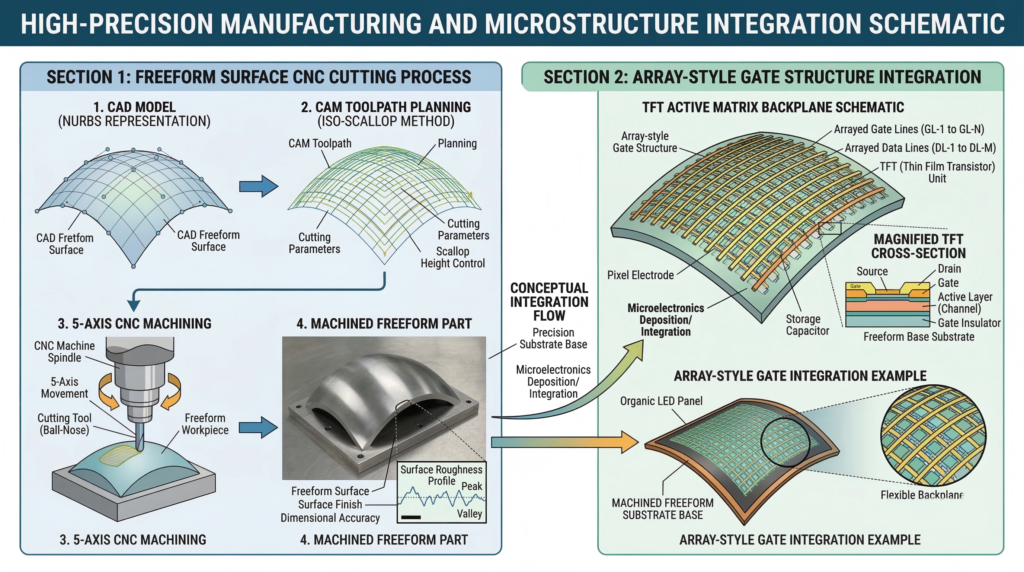
Die gleichzeitige Reifung der Freiform-CNC-Glasschneidetechnologie und und der Gate-On-Array (GOA)-Technologie.
Der technische Durchbruch
hat endlich die Tyrannei des Rechtecks gebrochen. Gate-On-Array (GOA):.
Bisher waren die Treiber-ICs, die zum Abtasten der Pixelzeilen erforderlich waren, auf einem physischen Vorsprung außerhalb des aktiven Displaybereichs montiert, was dicke, asymmetrische Rahmen schuf. Die GOA-Technologie verlagert diese Abtastschaltungen direkt in die aktive Matrixfläche des TFT-Backplanes. Dies ermöglicht „rahmenlose“ oder extrem schmale Rahmen-Designs (oft weniger als 1,5 mm). Freiform-Schneiden:.
Die 5 wichtigsten TFT-Modul-Innovationen des Jahrzehnts: Ein strategischer Leitfaden für Hardware-OEMs 9
Strategische Bedeutung für OEMs
Diese Innovation wurde maßgeblich vom europäischen Automobilsektor (z. B. Mercedes-Benz, BMW) vorangetrieben, der großflächige, gebogene, nicht-rechteckige digitale Armaturenbretter fordert, die sich nahtlos in die Fahrzeuginnenarchitektur einfügen.
Für Hersteller von Unterhaltungselektronik und Smart-Home-Geräten, sind runde TFT-Module heute der Goldstandard für hochwertige Thermostate, intelligente Drehregler und Wearables. Wenn Ihr Industriedesign-Team gegen die Einschränkungen eines rechteckigen Bildschirms kämpft, konsultieren Sie Ihren Display-Hersteller bezüglich Free-Form-GOA-Panels. Obwohl die NRE-Kosten (Einmalkosten für die Entwicklung) für kundenspezifisches Glasschneiden hoch sind, ist die ästhetische Differenzierung, die es in einem überfüllten Markt bietet, oft unübertroffen.
Innovation 5: Optisches Bonding und Ruggedisierung der nächsten Generation
Auch wenn es sich nicht um eine Innovation des Siliziums selbst handelt, haben die Fortschritte bei der Verpackung und dem Schutz eines TFT-Moduls die Einsatzmöglichkeiten dieser Bildschirme grundlegend erweitert. Vor zehn Jahren war es ein Rezept für eine Katastrophe, ein großes TFT-Modul im Freien direktem Sonnenlicht oder in einer Umgebung mit starken Vibrationen in Schwermaschinen auszusetzen. Es würde sich Kondenswasser hinter dem Deckglas bilden, das Display würde in der Sonne ausbleichen und die internen Polarisatoren würden sich ablösen.
Die Perfektionierung von optischer Verglasung (OCA/OCR) und UV-beständigen Materialien hat das Standard-TFT-Modul in eine robuste, militärische Komponente verwandelt.
Der technische Durchbruch
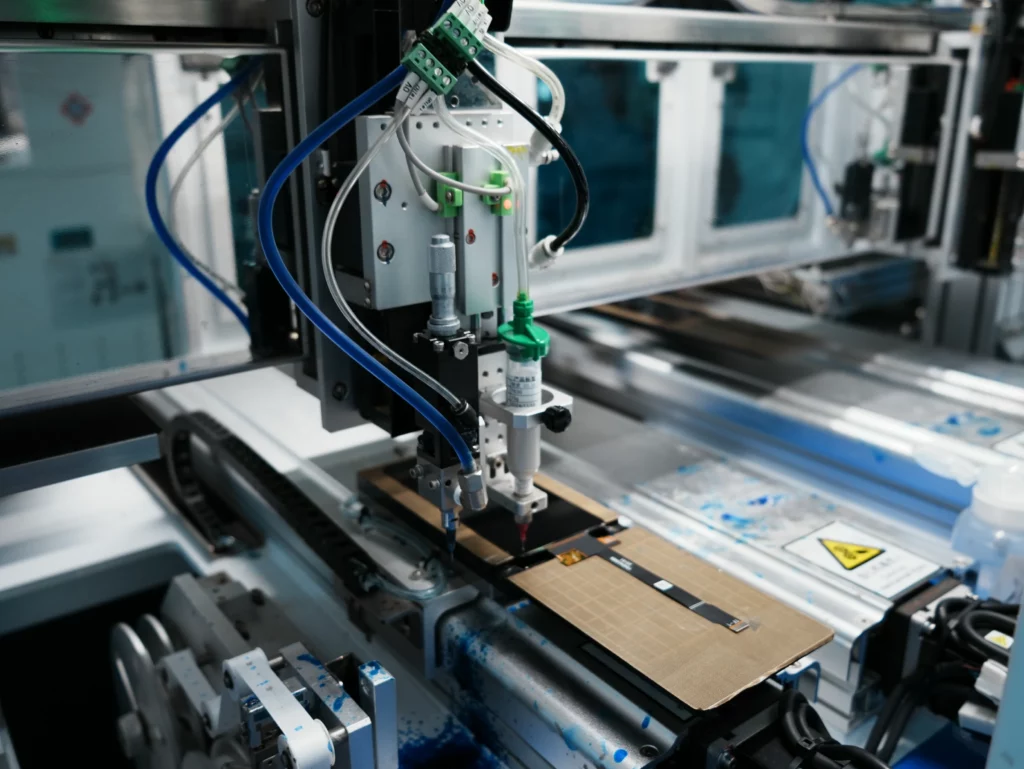
Optische Bindung ist der Prozess des Einbringens eines optisch reinen Flüssigharzes (OCR) oder eines festen Folienklebstoffs (OCA) zwischen das TFT-Modul und das schützende Deckglas, wodurch der Luftspalt vollständig eliminiert wird.
Optische Verbesserung: Ein Luftspalt verursacht interne Lichtreflexionen, die Umgebungs-Sonnenlicht in die Augen des Benutzers zurückwerfen und den Bildschirm auswaschen. Das Füllen dieses Spalts mit einem Klebstoff, der den Brechungsindex des Glases angleicht, reduziert die interne Reflexion um bis zu 90 % und erzeugt ein “aufgemaltes” Erscheinungsbild, wodurch die Lesbarkeit bei Sonnenlicht massiv verbessert wird, ohne die Hintergrundbeleuchtungsleistung zu erhöhen.
Strukturelle Integrität: Der feste Block aus ausgehärtetem Harz absorbiert kinetische Energie und erhöht die Schlagfestigkeit des Displays dramatisch. Er eliminiert zudem vollständig die Möglichkeit von Feuchtigkeitseintritt und Beschlagen, was für maritime, landwirtschaftliche und militärische Anwendungen entscheidend ist.
Fortschrittliche Silikone: Frühe optische Verglasungsklebstoffe (wie einfache Acrylate) vergilbten und rissen nach längerer UV-Strahlung. Moderne UV-stabile Silikone garantieren eine optische Klarheit von über 10 Jahren, selbst unter der intensiven Sonne Arizonas oder Spaniens.
Die 5 wichtigsten TFT-Modul-Innovationen des Jahrzehnts: Ein strategischer Leitfaden für Hardware-OEMs 10
Strategische Bedeutung für OEMs
Wenn Ihr Produkt im Freien, in einer Fabrikhalle oder in einer sterilen medizinischen Umgebung eingesetzt wird (wo es ständig mit aggressiven Chemikalien abgewischt wird), ist die Spezifikation einer optischen Verglasung für Ihr TFT-Modul nicht mehr optional; es ist eine grundlegende technische Anforderung. Es reduziert RMAs (Retouren) im Zusammenhang mit Beschlagen des Bildschirms und Stoßschäden und schützt den Ruf Ihrer Marke für Zuverlässigkeit.
Die Beratungserkenntnis: Navigation durch das nächste Jahrzehnt
Die Entwicklung des TFT-Moduls von einer einfachen, passiven Komponente zu einem hochintegrierten, intelligenten elektro-optischen System erfordert eine Änderung der Herangehensweise westlicher Hardware-Unternehmen an Beschaffung und Design.
Hören Sie auf, zu viel zu spezifizieren: Sie benötigen kein OLED-Display für ein Fabrik-HMI oder eine EV-Ladestation. Ein Mini-LED- oder hochhelles IPS-TFT-Modul bietet überlegene Langlebigkeit, kein Einbrennrisiko und wesentlich bessere Stückkosten.
Frühzeitig integrieren: Entwerfen Sie nicht Ihr Produktgehäuse und versuchen Sie dann, “einen Bildschirm zu finden, der passt”. Beziehen Sie einen führenden TFT-Modul-Hersteller bereits zu Beginn der industriellen Designphase ein. Nutzen Sie deren In-Cell- und GOA-Fähigkeiten, um die Größe Ihres Produkts zu verringern.
TCO über BOM: Ein kundenspezifisches IGZO-TFT-Modul mit optischer Verglasung hat höhere anfängliche Stückkosten als ein generisches, luftverglastes a-Si-Modul. Wenn man jedoch die reduzierte Batteriegröße (aufgrund von Energieeinsparungen), die Eliminierung der Kosten für die externe Touchpanel-Montage und die drastische Reduzierung von Feldausfällen und Garantieansprüchen berücksichtigt, spricht die Gesamtbetriebskosten (TCO) stark für die fortschrittliche Technologie.
Das TFT-Modul ist bei weitem nicht veraltet. Für den professionellen Hardware-Ingenieur bleibt es die vielseitigste, zuverlässigste und am kontinuierlichsten innovierende Display-Technologie der Welt.
Häufig gestellte Fragen (FAQ)
F1: Warum sollte ich für ein Industrieprodukt ein TFT-Modul einem OLED-Display vorziehen?
A: OLED-Displays leiden in industriellen Umgebungen unter zwei kritischen Mängeln: “Einbrennen” (dauerhafte Bildeinlagerung bei langer Anzeige statischer UI-Elemente) und thermische Degradation (die Lebensdauer sinkt erheblich bei dauerhaftem Betrieb mit hoher Helligkeit oder hohen Temperaturen). Ein modernes TFT-Modul, insbesondere eines mit IPS-Backplane und Mini-LED-Hintergrundbeleuchtung, bietet eine vergleichbare visuelle Leistung bei einer Lebensdauer von über 50.000 bis 100.000 Stunden, unabhängig von statischen Bildern oder extremen Temperaturen.
F2: Wie hoch sind die typischen NRE-Kosten (Werkzeugkosten) für ein kundenspezifisches Freiform-TFT-Modul?
A: Dies hängt stark vom Grad der Individualisierung ab. Wenn Sie lediglich ein standardmäßiges rechteckiges TFT-Modul nehmen und den Hersteller bitten, das schützende Deckglas in eine einzigartige Form zu schneiden, sind die NRE-Kosten relativ niedrig (typischerweise 2.000 – 5.000 $). Wenn Sie jedoch verlangen, dass das eigentliche aktive LCD-Glas in eine nicht-rechteckige Form geschnitten wird (Individualisierungsstufe 3), müssen Sie die Fabrik für die Erstellung neuer Fotolackmasken bezahlen. Diese NRE-Kosten können leicht zwischen 50.000 $ und über 200.000 $ liegen, was dies nur für Serienproduktionen im Konsumgüter- oder Automobilbereich rentabel macht.
F3: Wie löse ich das “ausgewaschene” Aussehen meines Displays bei Verwendung im Freien?
A: Sie müssen sowohl die Leuchtdichte als auch die Reflexion angehen. Spezifizieren Sie erstens ein TFT-Modul mit einer hochhellen Hintergrundbeleuchtung (mindestens 800 Nits, idealerweise 1.000+ Nits). Zweitens, und am wichtigsten, schreiben Sie Optisches Bonding. vor. Wenn ein Luftspalt zwischen Ihrem Deckglas und dem TFT-Modul vorhanden ist, kann keine noch so hohe Hintergrundbeleuchtungshelligkeit die Blendung durch die Sonne, die von den inneren Glasoberflächen reflektiert wird, vollständig überwinden.
F4: Sind In-Cell-Touch-Displays empfindlicher als herkömmliche G+G (Glas+Glas)-Displays?
A: Das In-Cell-TFT-Modul selbst ist dünner und strukturell etwas empfindlicher als ein dicker Dual-Glas-Sensorstapel. Die endgültige Haltbarkeit des Produkts wird jedoch durch das Deckglas (CG) bestimmt. Wenn ein In-Cell-TFT-Modul optisch mit einem dicken Stück chemisch verstärktem Deckglas (wie Corning Gorilla Glass oder Dragontrail) verglast wird, ist die resultierende Baugruppe außergewöhnlich robust und besteht problemlos standardmäßige industrielle Fall- und Stahlkugel-Aufpralltests.
F5: Erfordert der Umstieg auf IGZO Änderungen an meiner Hauptplatine oder Software?
A: Im Allgemeinen nein. Ein seriöser Display-Hersteller wird die notwendigen Treiber-ICs direkt auf das FPC des TFT-Moduls integrieren. Ihr Mikrocontroller (MCU) oder Mikroprozessor (MPU) kommuniziert mit dem IGZO-Display über Standardprotokolle (wie MIPI DSI, LVDS oder SPI), genau wie mit einem älteren a-Si-Display. Um jedoch die energiesparenden Funktionen von IGZO zu nutzen, muss Ihr Software-Team eine Logik schreiben, die die Bildwiederholfrequenz dynamisch senkt, wenn der Bildschirm ein statisches Bild anzeigt.
↗
Planen Sie ein Display-Projekt?
Teilen Sie Ihre Display-Größe, Auflösung, Schnittstelle, Helligkeit, Touch-Anforderung, Controllerplatinen-Anforderung und Anwendungsumgebung mit.