Facing a bottleneck in your Embedded Display Project?
Don’t let complex integration or supply chain issues slow your time-to-market. Book a free consultation with the RJY expert team for tailored design and manufacturing support.



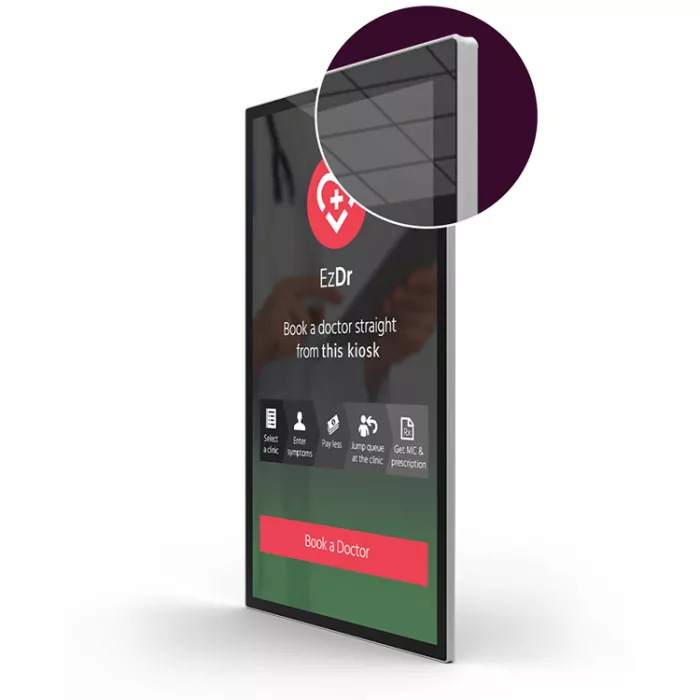
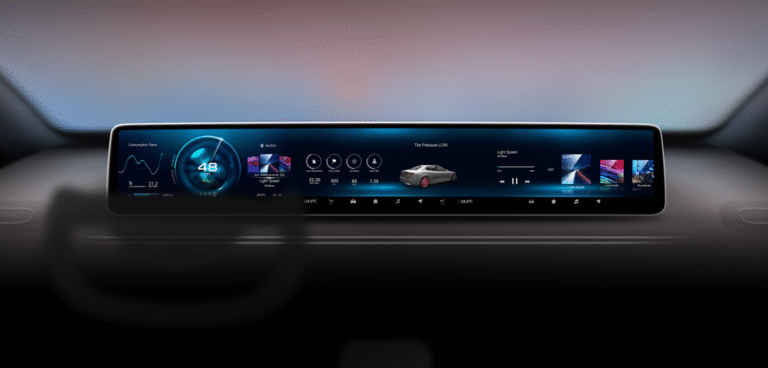
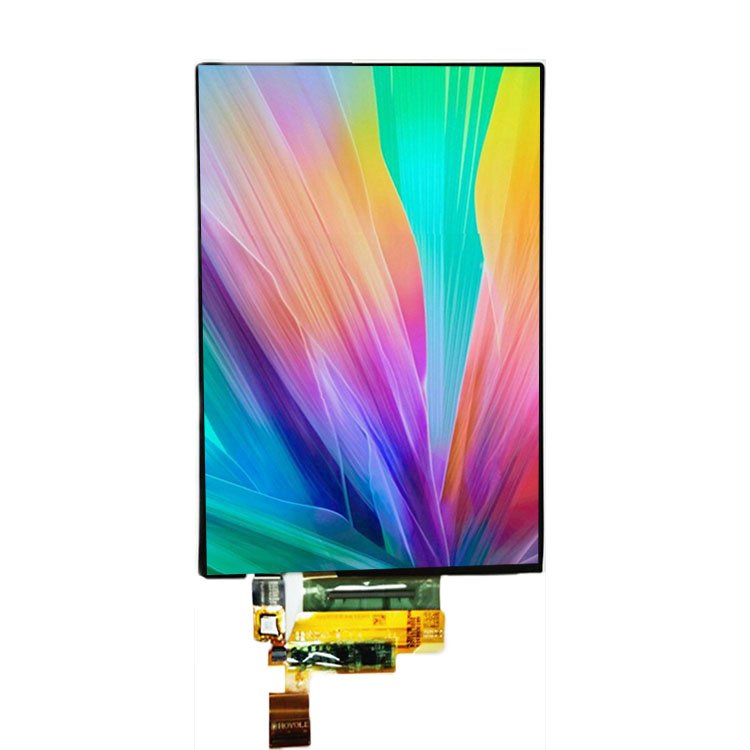
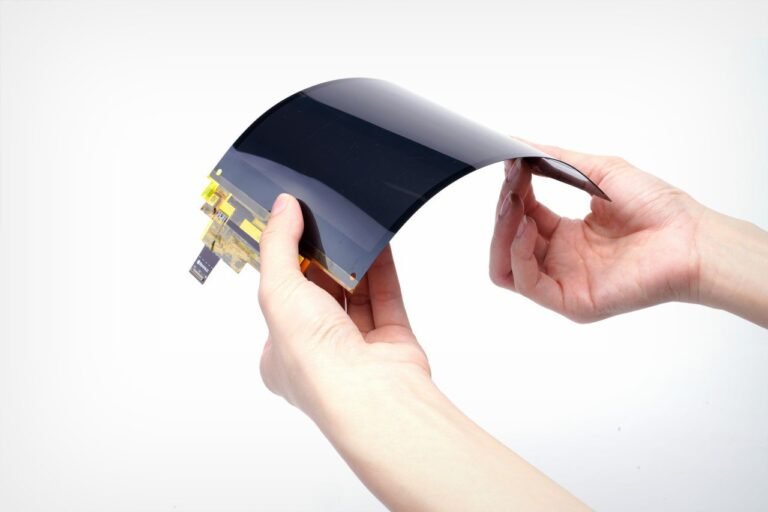
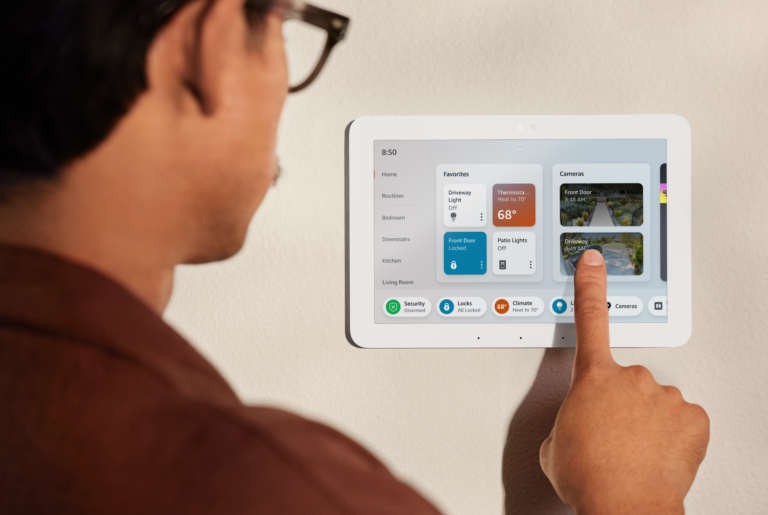
A TFT LCD display module is a self-contained unit that includes a thin-film transistor (TFT) LCD panel, a backlight, driving electronics, and sometimes touch capability. It serves as a human-machine interface (HMI) in a variety of devices such as medical monitors, control panels, automotive dashboards, and smart appliances.
While the term “TFT LCD” refers to the display technology itself, the “module” includes all supporting components required to drive and display content, making it a plug-and-play solution for engineers and developers.
Each component can be tailored depending on the needs of your specific application.
👉 Related reading: What is LCD : Define LCD Display
TFT LCD modules come in a wide variety of configurations, and choosing the wrong type for your application could lead to performance issues or over-engineering. Understanding the categories can help you narrow your selection:
The most common type. Affordable, readily available, and used in general consumer or industrial products where advanced visuals are not a priority.
Provides better color accuracy and wider viewing angles. Ideal for devices where color fidelity and readability from all directions are important, such as medical equipment and automotive displays.
Optimized for sunlight readability, with brightness levels over 800 nits. Suitable for outdoor kiosks, e-bikes, agriculture machinery, or industrial HMIs exposed to ambient light.
Modules with non-standard shapes like 3:1, 5:2, or 1:1. Used in automotive dashboards, shelf labels, or any custom UI layout.
Mostly used in smartwatches, fitness trackers, or instrument clusters. They require special PCB and driver configurations to match the circular form.
Ideal for ultra-low power or outdoor applications. These panels leverage ambient light instead of or in addition to backlight, reducing power draw.

Choosing a display module isn’t just a checkbox in your BOM. It has direct implications on:
A well-chosen tft lcd display module ensures your product performs reliably, stays within budget, and meets user expectations.
Choosing the right TFT LCD display module isn’t just about screen size—it’s about identifying the right combination of performance, efficiency, and durability for your specific application. This section breaks down the critical specs you must evaluate when selecting a module, whether you’re building a handheld device, a rugged control panel, or a wearable product.
One of the first specifications to consider is the diagonal screen size, typically ranging from 0.96″ to over 10″. More important than just the size, however, is the active area—the portion of the screen where content is actually displayed.
Tip: Always check that the housing and UI design aligns with both the module’s outer dimension and active display area.
Resolution determines how sharp your images, text, and UI elements will appear. It’s expressed as width × height in pixels, e.g., 480×272, 800×480, or 1280×720.
Pixel density (PPI – pixels per inch) matters most in close-range devices like smartwatches, while dashboards or kiosks may get away with lower PPI.
Recommendation: Match resolution with expected UI complexity. If you’re displaying text and vector icons only, QVGA (320×240) might be enough. For rich images, at least 720p is recommended.

👉 Related reading: What is the difference in LCD resolution?
Brightness is measured in nits (cd/m²). For indoor applications, 250–400 nits is standard. For outdoor or semi-outdoor use, look for:
Contrast ratio, defined as the ratio between the brightest white and the darkest black the screen can produce, influences readability and visual quality. IPS panels often provide better contrast ratios than TN panels.
Tip: Be sure to factor in the viewing environment when selecting brightness specs.
The viewing angle determines how clearly the screen can be seen when viewed from different directions. Technologies vary:
Use case example: An e-bike display needs wide-angle readability from above, below, and side angles—IPS or All O’Clock is ideal.

👉 Related reading: The Viewing Angle of TFT LCD Display Screens
The interface determines how the display communicates with your main processor. Common interface types include:
Developer note: Always check whether the display driver IC is compatible with your platform (e.g., STM32, NXP, Rockchip, etc.).
Many TFT LCD display modules come with touch panel integration—either as a standard feature or optional.
Touch performance depends on factors like touch IC, firmware tuning, and surface treatment. Some modules allow custom firmware calibration to optimize glove or water touch performance.
👉 Related reading: What are the differences between TN, VA, and IPS?
Industrial or outdoor applications demand modules with extended temperature ranges:
Exceeding the rated range can cause image persistence, slow response, or permanent damage.
The lifespan of the backlight (usually LEDs) is crucial for long-term applications. Most industrial modules offer:
Some modules include PWM dimming control or ambient light sensors to extend backlight life by reducing brightness intelligently.
Power efficiency is critical for battery-powered devices. Key contributors include:
Tip: For solar or portable use cases, consider reflective or transflective TFT modules with low power idle states.
Every application has its own set of technical and user demands. Understanding these will help you align your TFT LCD display module’s specifications to real-world usage. This section breaks down the most common use-case categories and recommends suitable module types for each.
👉 Check out our extensive industry applications
Key Considerations:
Recommended Specs:
Key Considerations:
Recommended Specs:

Key Considerations:
Recommended Specs:
Key Considerations:
Recommended Specs:
Key Considerations:
Recommended Specs:

When integrating a TFT LCD module into your product, consider:
Manufacturers often offer low-MOQ customization services. You can specify:
Finding the right TFT LCD display module is only half the equation—the other half lies in choosing a reliable manufacturer or supplier. A technically sound module can still fail if it comes from a partner lacking in quality control, support, or supply stability.
A trustworthy vendor will provide:
Red Flag: Vendors who hesitate to share documentation or only provide minimal specs.
Check how quickly they can:
Suppliers with in-stock modules or semi-custom SKUs shorten your go-to-market timeline.
Look for:
If your team needs help with integration, a display supplier that speaks your platform’s “language” is a game changer.
A professional supplier will:
Certifications such as ISO9001 and RoHS compliance should be verifiable and current.
Reducing the cost of a TFT LCD display module doesn’t mean compromising quality—it means making smart trade-offs that don’t affect critical performance.
Your display may be perfect on paper—but it needs to work smoothly with your system’s hardware and software.
Ensure your module:
Common platforms include:

👉 Related reading: What are the differences between TN, VA, and IPS?
Ask your supplier for:
This minimizes integration work and debugging during development.
For capacitive touch:
Bonus Tip: Bonded modules (LCD + touch panel + cover glass) reduce ghosting and dust ingress, improving overall reliability.
Choosing a TFT LCD display module isn’t about finding the most advanced screen on the market—it’s about finding the right screen for your product.
With thousands of variations available, your best approach is a strategic one: define your application needs, prioritize key specs, and partner with a supplier who can provide the technical support, quality assurance, and customization flexibility your product deserves.
From resolution and brightness to touch integration and cost control, every decision counts toward building a better device—and a better experience for your end user.
What’s the difference between TFT and IPS?
TFT is the underlying technology, while IPS is a type of TFT panel with better color accuracy and viewing angles.
Can I use a TFT LCD display outdoors?
Yes, with a brightness of at least 800 nits and optional anti-glare or transflective technology.
What’s the lifespan of a typical LCD module?
Most offer LED backlight lifespans of 20,000–50,000 hours under standard conditions.
How do I choose between SPI and MIPI interfaces?
SPI is ideal for simple, low-resolution modules. MIPI supports high-speed data and is better for high-resolution or video-rich displays.
Are custom FPC layouts possible?
Yes. Many manufacturers offer FPC length, shape, and pinout customization—even at low MOQ levels.
Do TFT modules support multi-touch?
Yes, capacitive touch modules support gestures and up to 10 points of contact depending on the IC and firmware.
 English English
  Korean
 Japanese
 Russian
 German
 French