








Jacky_Huang

Jacky_Huang

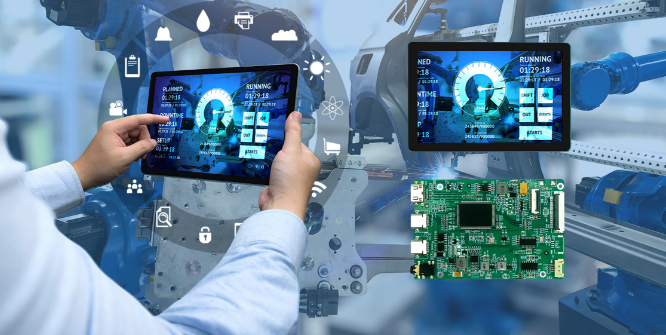
Enhancing User Experience with Touch Technology
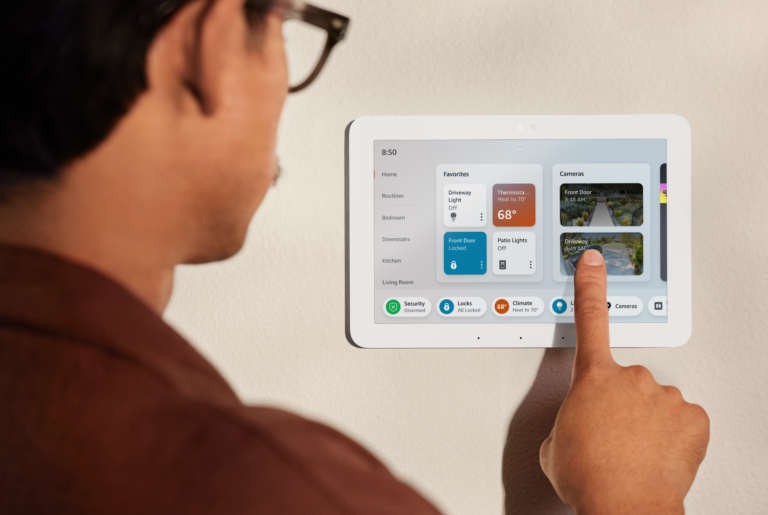
Solutions for Smart Home & Smart Office

A comprehensive analysis of the strategic impact of touch technology on modern HMI design. This guide examines the technical evolution of interactive displays and provides professional insights into selecting the right touch architecture to optimize user interaction and accessibility for future-ready businesses.

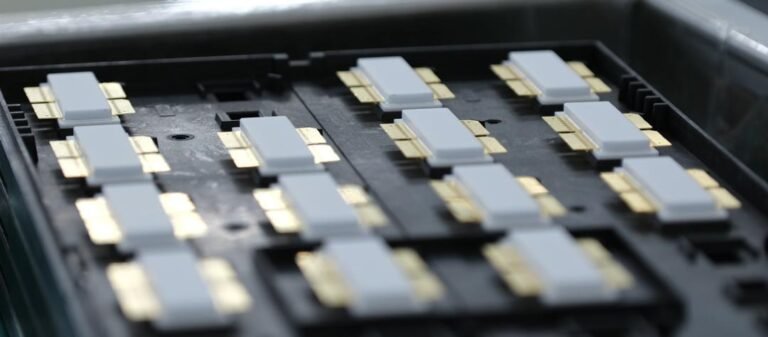
NXP’s “Exit”: Restructuring the Global RF PA Market Landscape

In the rapidly evolving landscape of wireless communication, Radio Frequency (RF) components serve as the core hub connecting the physical world with the digital ecosystem. Among them, the RF Power Amplifier (PA) acts as the "power core" of the RF front-end, determining the range, efficiency, and stability of signal transmission. It is an indispensable component for 5G, 5G-Advanced, and industrial interconnectivity.

For years, the PA industry has been the focal point of competition through the leaps from 3G to 5G. Recently, NXP Semiconductors announced the gradual closure of its ECHO GaN wafer fab in the U.S. and its eventual exit from the 5G RF PA business. This decision is more than a strategic pivot for a single firm; it marks a profound restructuring of the global supply chain, opening a historic window of opportunity for domestic manufacturers with technical prowess.

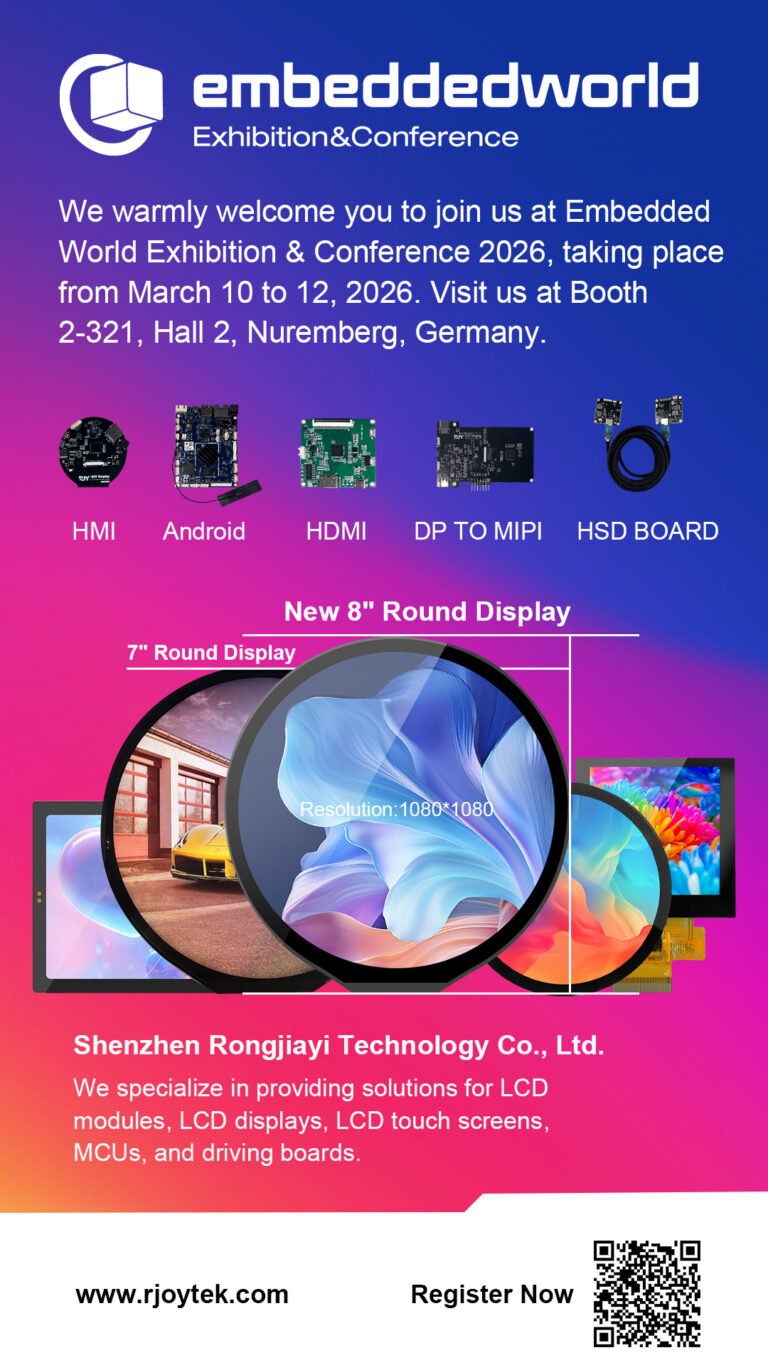
Driving the Future of Display & Computing: RJY to Showcase Latest Innovations at Embedded World 2026

RJY Display, a premier high-tech enterprise specializing in the deep integration of display and computing, is proud to announce its participation in the Embedded World Exhibition & Conference 2026. The event will take place from March 10 to 12, 2026, at the Nuremberg Exhibition Centre in Germany.
As a full-cycle innovation hardware and system solution provider, RJY will demonstrate its latest advancements in industrial-grade display modules and high-performance computing at Booth 2-321, Hall 2.

RJY Next-Generation AI Industrial Motherboard Series: Redefining Edge Intelligence

As industries worldwide accelerate their digital transformation, the demand for high-performance, AI-ready computing platforms has never been greater. From intelligent surveillance and smart retail to autonomous systems and industrial automation, businesses are seeking hardware solutions that combine robust computing power, energy efficiency, and flexible integration.

Responding to this growing need, RJY proudly introduces its next-generation AI industrial motherboard series, built on cutting-edge Rockchip processors and designed to empower a wide range of intelligent applications. Unlike traditional boards tailored for single-purpose use, this series offers a unified, scalable platform that balances performance, flexibility, and stability, making it ideal for diverse vertical industries.

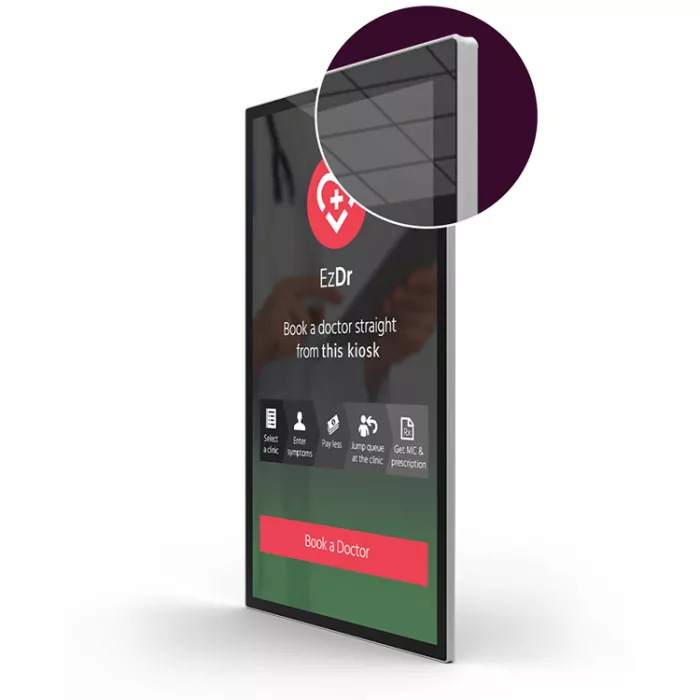
PCAP Touch Screen Technology: The Future of Human-Machine Interaction

PCAP Touch Screen

Touch screens have transformed the way humans interact with digital devices, evolving from resistive panels in early ATMs to today’s highly responsive smartphones and industrial displays. At the forefront of this evolution is the PCAP touch screen (Projected Capacitive Touch).

Unlike resistive touch screens that rely on physical pressure, PCAP technology uses electrical signals to detect touch through a conductive grid. This enables faster, more precise, and more durable interaction. Whether in consumer electronics, industrial control systems, medical devices, or retail kiosks, PCAP touch screens have become the standard for modern human-machine interaction (HMI).

This article explores the fundamentals of PCAP technology, its benefits, industry applications, challenges, and how businesses can leverage it to create next-generation interactive solutions.

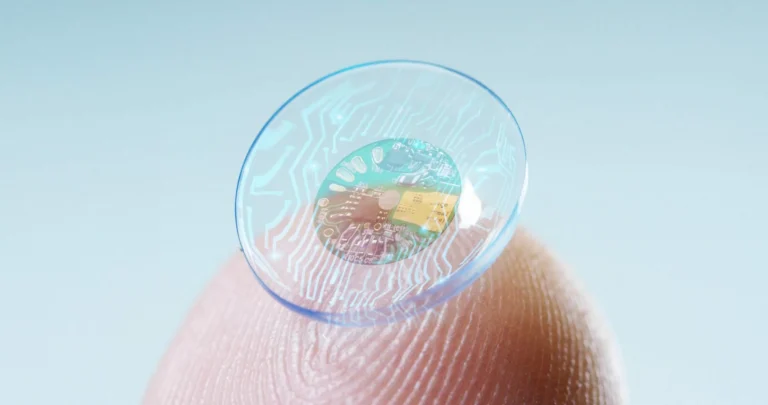
Why Embedded LCD Displays in Contact Lenses Were Abandoned

Embedded Display In Lens

In the feverish tech landscape of the 2010s, "Invisible Computing" was heralded as the ultimate destination for Human-Computer Interaction (HCI). The dream was simple yet intoxicating: a display that dissolved into the anatomy, eliminating the friction of handheld devices and the social stigma of bulky headsets. From the tactical overlays of The Terminator to the seamless AR of Black Mirror, the smart contact lens was the holy grail of wearable tech.

However, as we cross into 2026, the industry has reached a somber consensus. The multi-billion-dollar race to put a screen on the eye has ended not with a bang, but with a strategic retreat. This report deconstructs how this visionary beginning collapsed under the triple weight of biological limitations, regulatory gravity, and a fractured commercial logic.

Automotive TFT LCD Display: Technology, Applications, and Future Trends

Automotive TFT LCD Displays - RJY Display

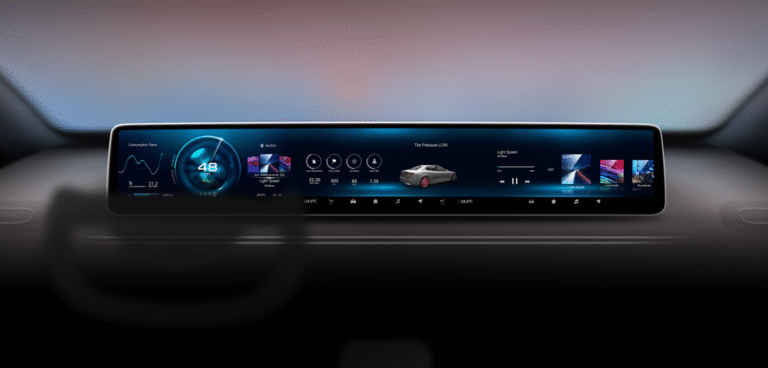
In today’s automotive industry, display technology has evolved far beyond basic instrument clusters and radio interfaces. As cars transform into smart, connected mobility hubs, the demand for advanced display solutions has grown exponentially. At the heart of this transformation lies the automotive TFT LCD display—a technology that combines high performance, reliability, and design flexibility tailored for the automotive environment.

This article takes an in-depth look at what an automotive TFT LCD display is, how it works, its technical specifications, real-world applications, and where the technology is headed in the future.

What is OLED Display and Why It Matters in Modern Technology

OLED Display - RJY Display

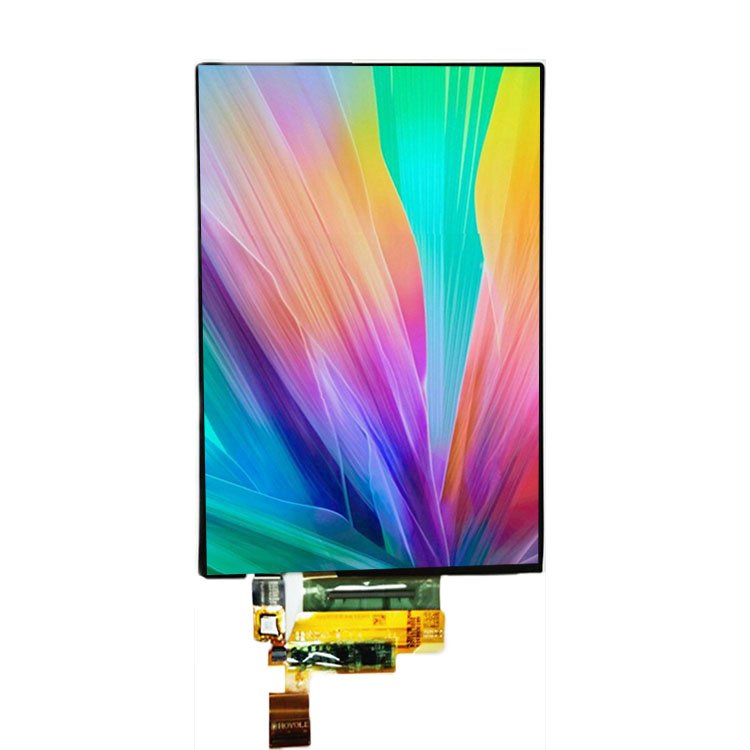
The display has become one of the most important aspects of modern consumer electronics. From smartphones and televisions to wearables and automotive dashboards, users today demand screens that are sharper, thinner, more power-efficient, and more visually stunning than ever before. Among the various display technologies, OLED (Organic Light Emitting Diode) has emerged as a major breakthrough.

But what is OLED display, how does it work, and why is it considered superior to traditional LCDs? This article explores the fundamentals of OLED technology, its advantages, limitations, and real-world applications.

Common LCD Problems and Effective Solutions Explained

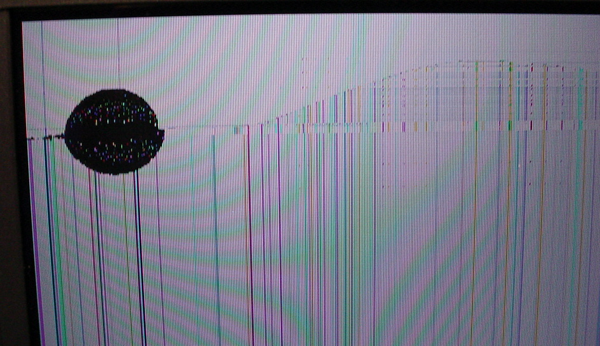
Liquid Crystal Displays (LCDs) are widely used in smartphones, laptops, televisions, automotive dashboards, industrial equipment, and countless other devices. Their versatility, efficiency, and affordability have made them a dominant display technology. However, like any technology, LCD problems can occur, impacting performance, reliability, and user experience.

This article explores the most common LCD problems, their technical causes, troubleshooting steps, and preventive measures. Whether you’re an engineer, technician, or consumer, understanding these issues can help prolong device life and ensure consistent performance.