Jacky_Huang

Jacky_Huang

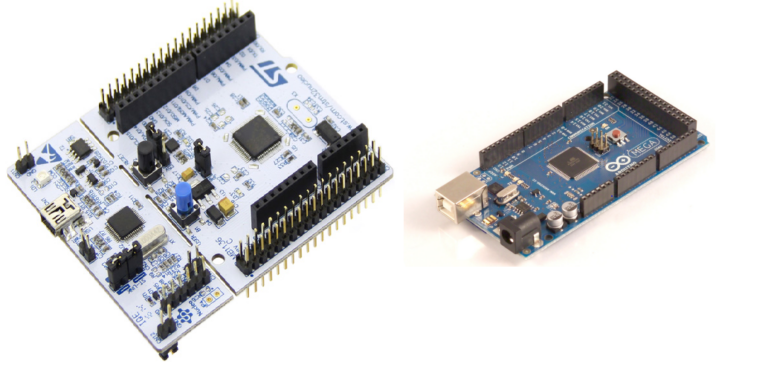
What is the difference between STM32 and Arduino?

In the world of embedded systems and microcontroller projects, two platforms often stand out for their versatility and widespread use: STM32 and Arduino. Both have their strengths and weaknesses when it comes to LCD development, depending on the complexity of the project and the requirements of the display. In this article, we'll explore the differences between STM32 and Arduino for LCD development, helping you choose the right platform for your next project.

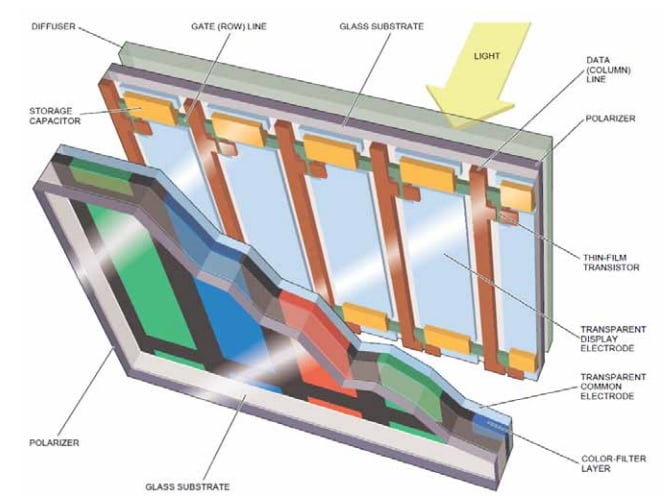
Structure and Driving Principle of TFT Liquid Crystal Display

Tft Structure

​In the digital age, Thin-Film Transistor Liquid Crystal Displays (TFT-LCDs) have become ubiquitous, powering devices such as smartphones, tablets, televisions, and computer monitors. Renowned for their superior display quality, high resolution, accurate color reproduction, and extended lifespan, TFT-LCDs have established themselves as the preferred choice across various industries.

Why Choosing a Custom Display with China Supplier is a Good Choice

Today’s tech landscape is all about differentiation. Whether you're launching a new wearable, a smart home device, or industrial control equipment, your display needs to stand out—and more importantly, work exactly how you need it to.

That’s where custom displays come in. Unlike standard options, a custom display is tailored to your product’s specific performance, design, and interface requirements. It adds a layer of professionalism and user experience that generic parts simply can’t match.

Global brands across industries are shifting to custom display solutions, and many are turning to one trusted region: China.


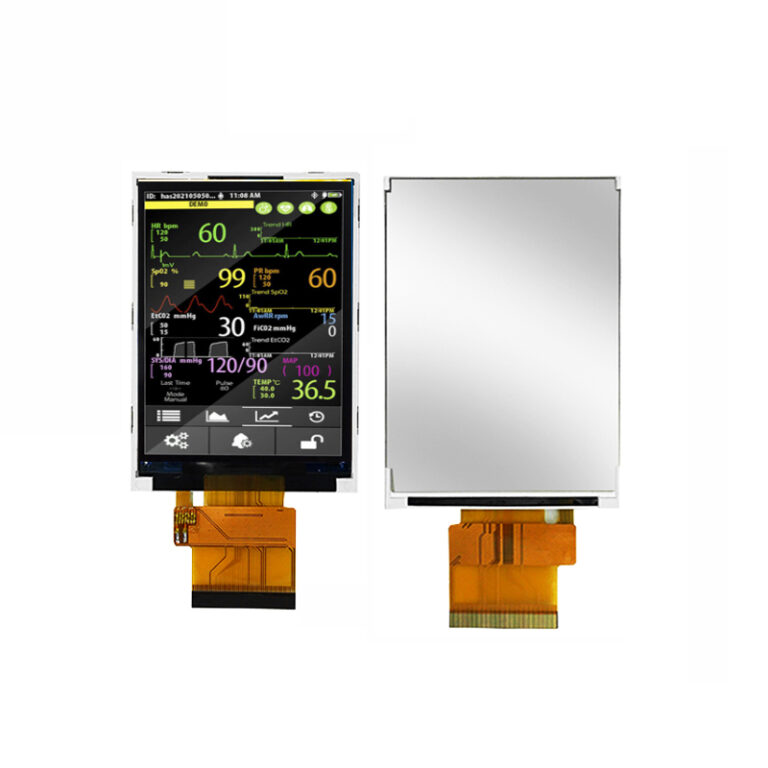
3.2-inch LCD-TFT with Anti-glare Surface

We're excited to introduce our latest innovation in display technology: the 3.2 TFT LCD module display, engineered for vibrant performance, wide viewing angles, and seamless integration across embedded and handheld applications. This high-resolution, anti-glare module is designed for industries that demand durability, precision, and crystal-clear visuals.

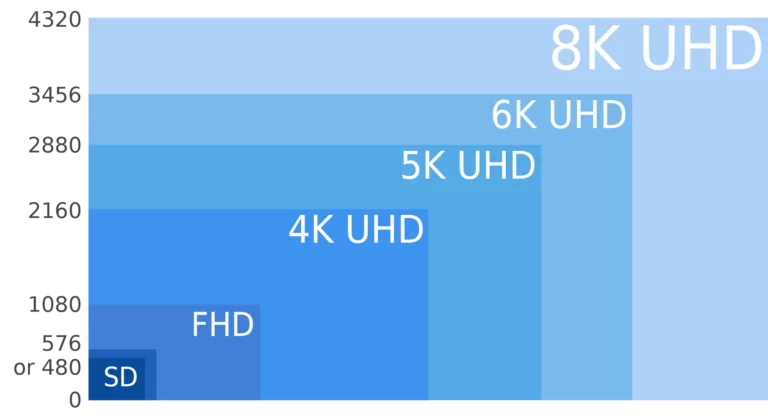
What is the difference in LCD resolution?

In modern display technology, Resolution Scale has become an important tool for optimizing visual performance and enhancing device functionality, especially in applications like medical, IoT (Internet of Things), and smart home industries. With the widespread use of TFT LCD technology, understanding how resolution scaling impacts display quality and performance is crucial. This article delves into the concept of resolution scale, whether TFT LCDs support resolution scaling adjustments, and the advantages and disadvantages of these adjustments in practical use, helping you better understand how to select and adjust LCD displays for various scenarios.

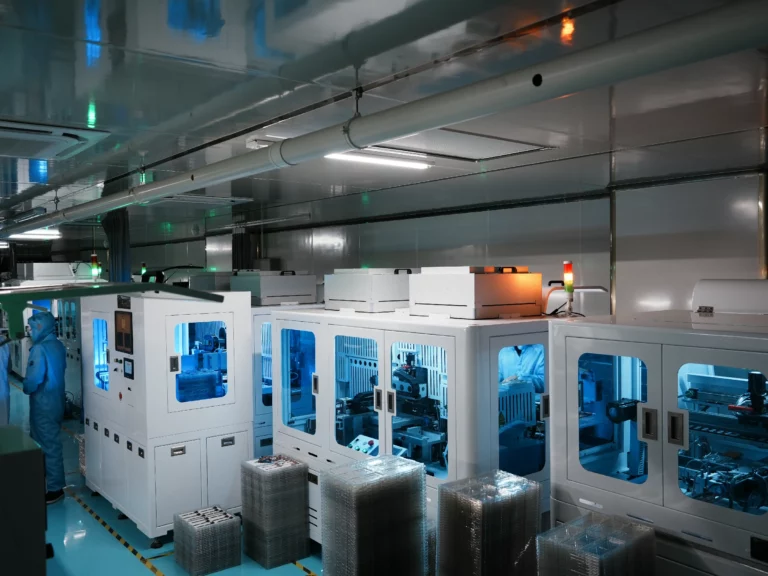
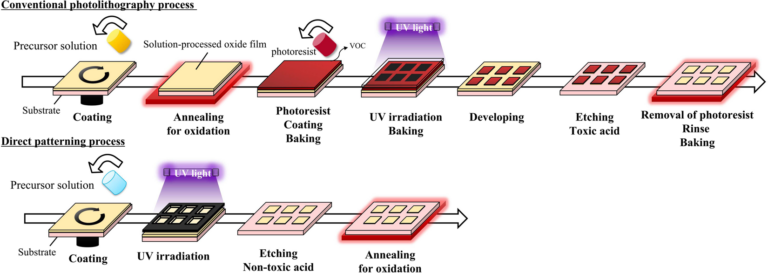
What are the manufacturing processes for TFT-LCDs?

Deposition, lithography and etching of TFT arrays

Thin-Film Transistor Liquid Crystal Displays (TFT-LCDs) have become the cornerstone of modern display technology, powering everything from smartphones and televisions to computer monitors and automotive displays. However, the manufacturing process behind these displays is highly intricate, involving several critical steps that ensure high-quality performance. In this article, we will delve into the key stages of TFT-LCD manufacturing, from array creation to cell fabrication and final module assembly.

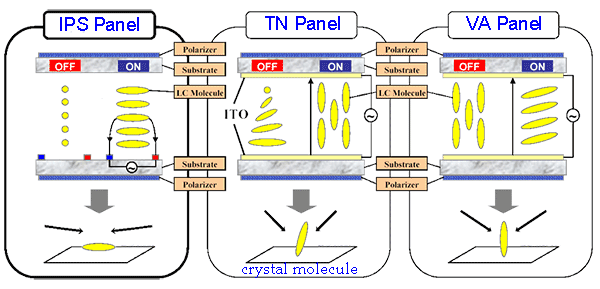
What is the Difference Between IPS and TFT LCD?

How to Differentiate the Viewing Angles of LCD Displays

In the procurement and design of Industrial Human-Machine Interfaces (HMIs), technical specifications often conflate backlighting methods with panel architectures. For engineering professionals, distinguishing between LED, TFT, and IPS is critical to ensuring system reliability, operator safety, and visual accuracy. 1.…

7-inch Round LCD-TFT for High-Performance Applications

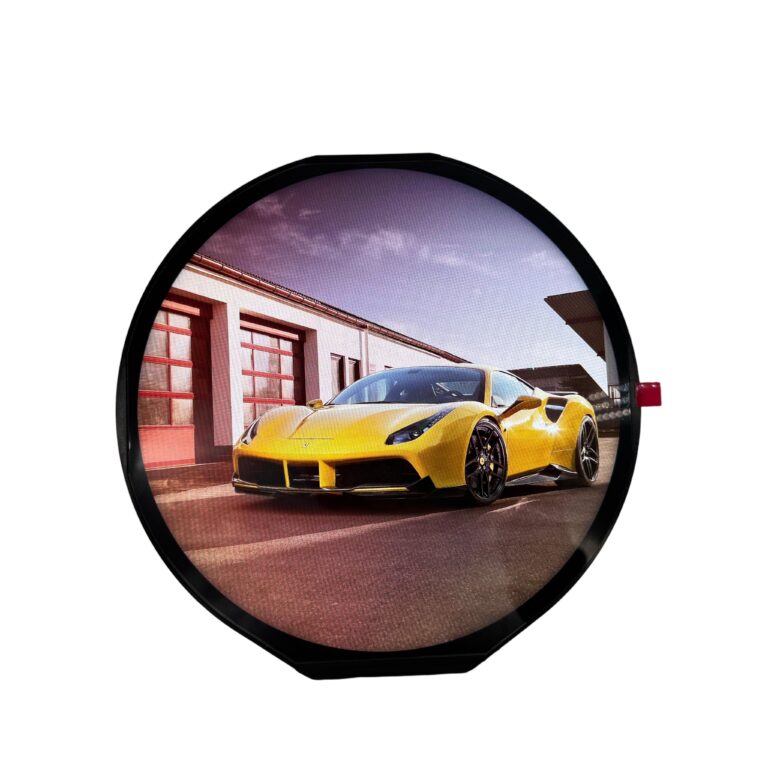
We are thrilled to announce the launch of our latest innovation, the RJY070XUAY-800-40, a 7-Inch Round TFT LCD Display designed to deliver exceptional visual performance across a wide range of applications. With a 1080x1080 resolution, high brightness of 800 cd/m², and an LVDS interface, this cutting-edge display is built for environments where clarity, vivid colors, and robust performance are essential.