Facing a bottleneck in your Embedded Display Project?
Don’t let complex integration or supply chain issues slow your time-to-market. Book a free consultation with the RJY expert team for tailored design and manufacturing support.



Display selection is often one of the most visible decisions in an electronic product, but it is not always the component that creates the most value.
For many OEM products, the display serves a functional role rather than acting as the primary selling feature. In these situations, choosing a cost-effective LCD module can significantly reduce overall product costs without compromising reliability or user experience.
The challenge is knowing where cost savings come from.
Many buyers assume that a low-cost LCD module automatically means lower quality. In reality, some of the most widely used displays in industrial equipment, smart home devices, and commercial products are based on mature, highly optimized LCD technologies that have been refined over many years of mass production.
Understanding how LCD module costs are structured can help procurement teams make better sourcing decisions and avoid paying for features their products do not actually need.
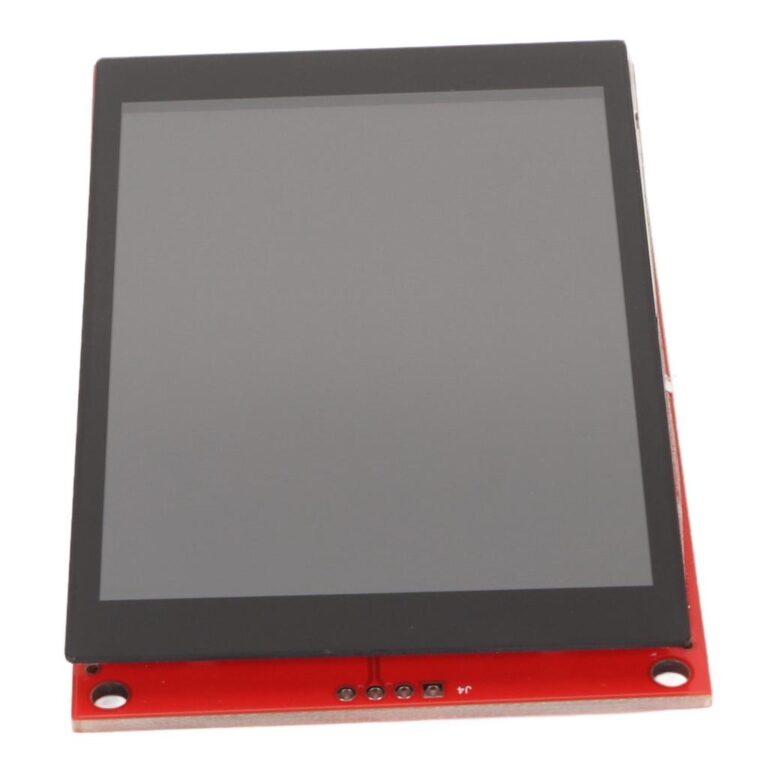
An LCD module is a complete display assembly that combines several components into a ready-to-integrate solution.
A typical module includes:
The module receives signals from a host controller and converts them into visible images for the user.
Because the display panel, electronics, and mechanical components are already integrated, LCD modules simplify product development and reduce engineering complexity.
Many buyers focus only on the final quotation, but understanding cost structure provides a clearer picture of value.
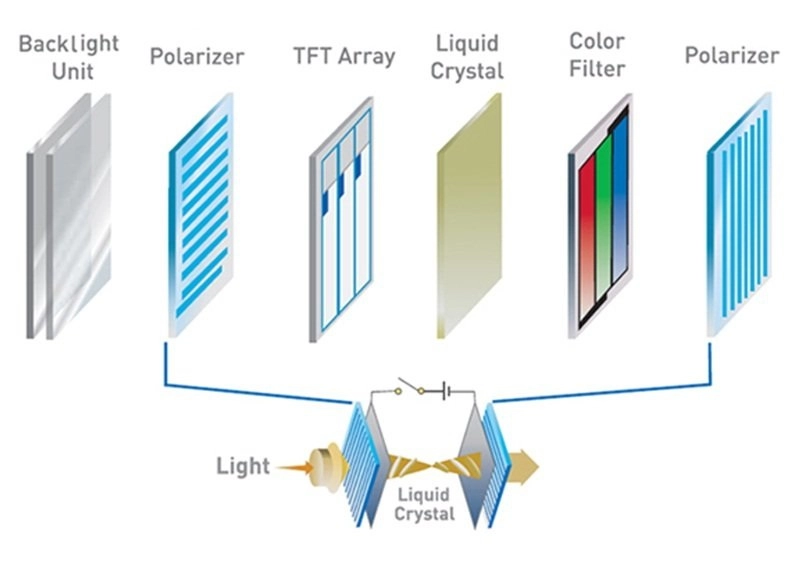
In a typical TFT LCD module, costs are distributed across several major areas:
| Component | Typical Cost Contribution |
|---|---|
| TFT Panel | 30–40% |
| Backlight System | 15–25% |
| Driver IC & Electronics | 10–20% |
| Touch Panel (Optional) | 10–30% |
| Mechanical Components | 5–15% |
| Assembly & Testing | 10–20% |
The final price is influenced not only by materials but also by customization requirements, testing standards, production volume, and supply chain efficiency.
👉 Related: A Complete Breakdown of Key Components in Modern Displays
Low cost does not necessarily indicate poor quality.
In many cases, cost reductions come from manufacturing efficiency rather than material compromises.
Several factors help reduce pricing:
For example, a standard 7-inch TFT LCD produced in large quantities will usually cost significantly less than a custom-designed display, even if both meet similar reliability requirements.
This is one of the most common misconceptions in display sourcing.
A low-cost LCD module can still provide stable performance when it is based on mature technology and appropriate application requirements.
The key is determining whether the display meets the actual needs of the product.
A smart thermostat does not require the same display performance as a premium medical imaging device.
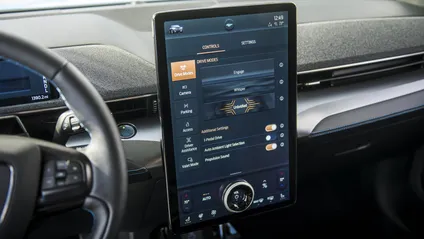
A parcel locker terminal does not need the same optical performance as a luxury automotive display.
When evaluating low-cost modules, focus on:
If these requirements are satisfied, paying significantly more may provide little practical benefit.
Many successful products rely on cost-optimized display solutions.
Common examples include:
Thermostats, control panels, and household appliances often prioritize cost efficiency while maintaining good user experience.
Many HMI applications require reliability rather than premium display performance.
Entry-level tablets and learning equipment frequently use standardized LCD modules to control costs.
Parcel lockers, ticketing systems, and kiosk displays often benefit from mature LCD technologies with predictable supply chains.
Coffee machines, vending systems, and kitchen appliances frequently use affordable TFT displays that deliver reliable long-term operation.
Experienced product teams rarely pursue the lowest price available.
Instead, they focus on achieving the best balance between performance and cost.
Several strategies are commonly used:
Standard sizes benefit from larger production volumes and broader supply availability.
Touch integration, optical bonding, ultra-high brightness, and custom tooling all increase project costs.
SPI, RGB, and LVDS solutions often reduce development complexity compared to more advanced architectures.
Reducing communication layers can improve both pricing transparency and engineering support.
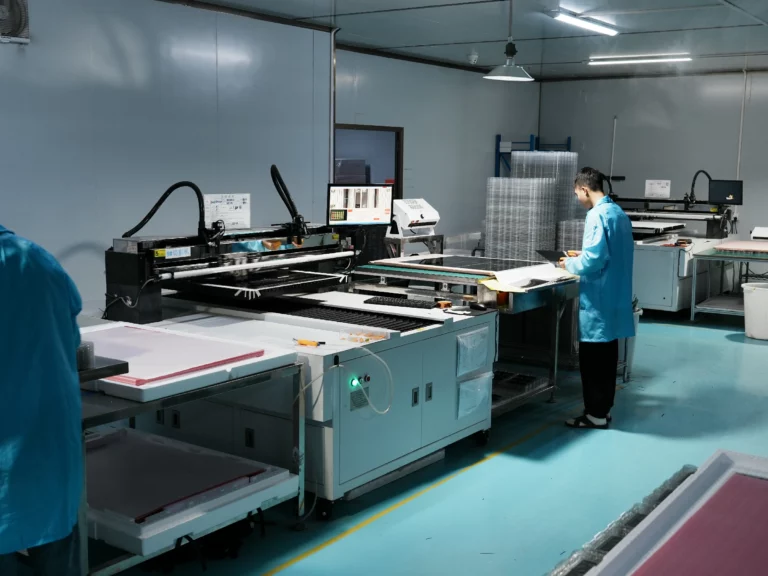
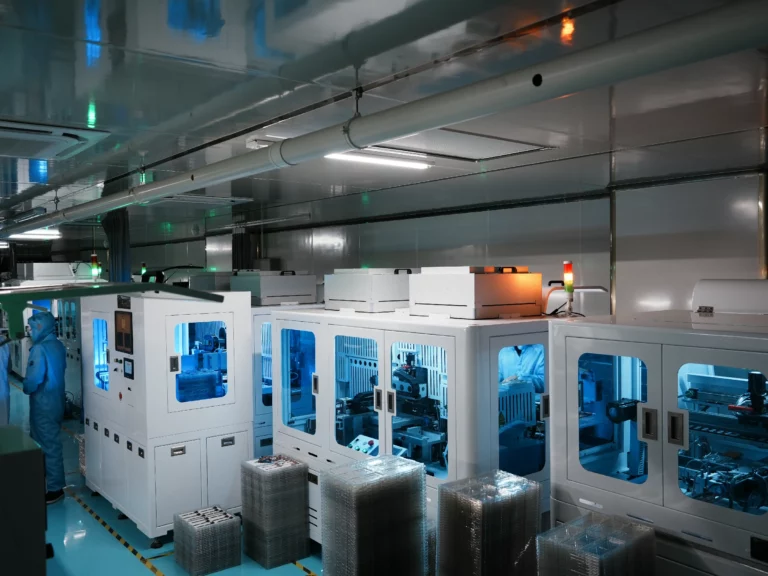
This is one reason many OEM teams prefer working directly with experienced LCD module manufacturers rather than relying entirely on trading channels.
👉 Related: How to Identify If Your LCD Module Supplier Is a Real Manufacturer
| Factor | Low-Cost LCD Module | Premium LCD Module |
|---|---|---|
| Cost | Lower | Higher |
| Customization | Moderate | Extensive |
| Brightness | Standard | Enhanced |
| Touch Features | Optional | Advanced |
| Optical Performance | Good | Excellent |
| Target Applications | Consumer, Industrial | Automotive, Medical, Premium Products |
The right choice depends on project requirements rather than budget alone.
Modern low-cost displays are becoming increasingly capable.
Features once reserved for premium products are gradually appearing in mainstream modules, including:
As supply chains mature, the gap between budget and premium displays continues to narrow for many applications.
Many OEM projects do not need the most advanced display technology available. They need the right display technology.
RJY works with customers to identify opportunities to reduce display costs while maintaining reliability, usability, and long-term supply stability.
Depending on project requirements, optimization may involve:
By evaluating the complete system rather than focusing only on display specifications, product teams can often achieve meaningful cost reductions without sacrificing user experience.
A cheap LCD module should not be viewed as a compromise.
In many applications, it is simply the result of mature technology, efficient manufacturing, and intelligent design choices.
The most successful sourcing decisions are not based on finding the lowest quotation. They are based on matching display performance to actual product requirements.
When selected carefully and sourced from reliable manufacturers, cost-effective LCD modules can deliver excellent reliability, predictable supply, and strong long-term value.
Most quality TFT LCD modules provide backlight lifetimes of 20,000 to 50,000 hours depending on operating conditions.
Yes. Many affordable modules support capacitive touch integration without significant cost increases.
Many industrial products use cost-optimized LCD modules successfully, provided environmental requirements are properly evaluated.
Common certifications include CE, RoHS, FCC, and application-specific testing requirements.
Yes. Many manufacturers support custom FPC layouts, touch panels, brightness adjustments, and mechanical modifications.
For OEM projects involving customization or long-term production, direct manufacturer relationships often provide stronger technical support and pricing transparency.