Facing a bottleneck in your Embedded Display Project?
Don’t let complex integration or supply chain issues slow your time-to-market. Book a free consultation with the RJY expert team for tailored design and manufacturing support.


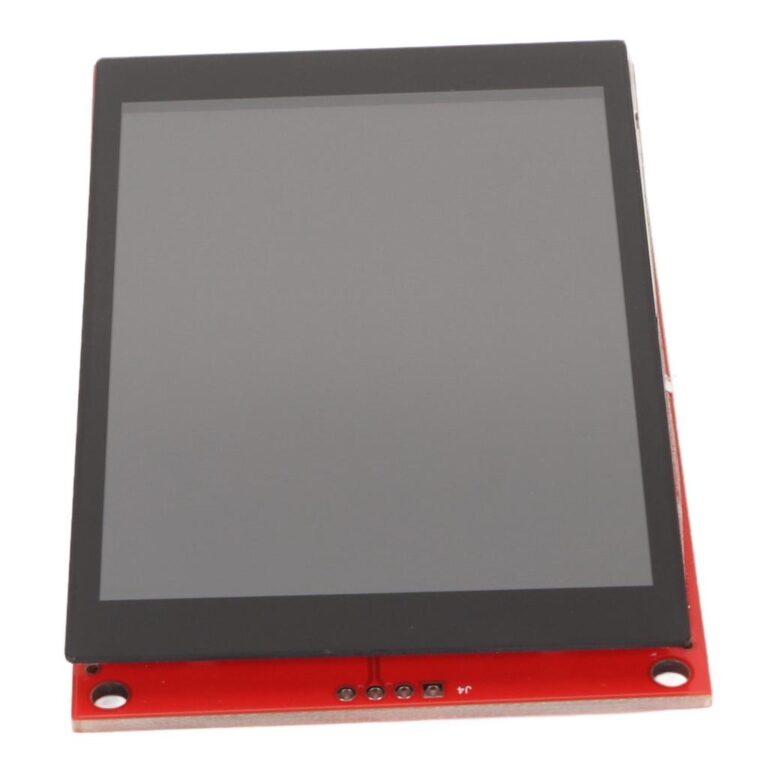
In a world where displays dominate everything from smartphones and laptops to industrial equipment and automotive dashboards, it can be tempting to save money by choosing the cheapest option available. After all, an LCD is just a screen, right? Unfortunately, the truth is far more complex.
While low-cost LCD displays may seem appealing upfront, they often come with hidden trade-offs that affect not only the user experience but also the long-term reliability, safety, and overall cost of ownership. This article explores why cheap LCDs can be a risky choice, what problems commonly arise, and why investing in quality displays pays off in the long run.
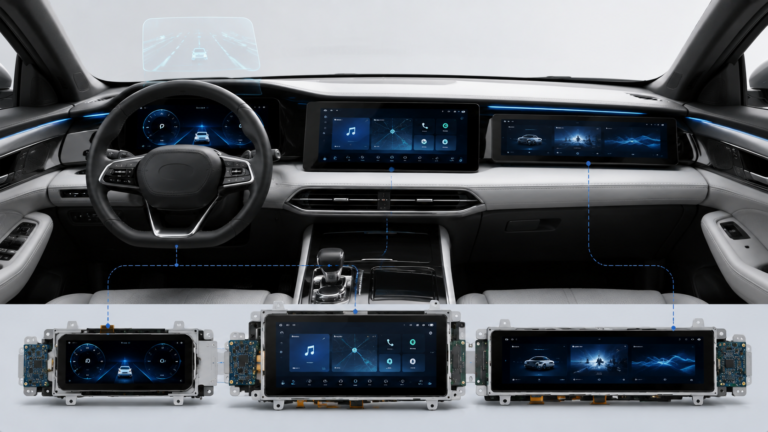
In the evolving landscape of modern mobility, automotive-grade displays have become the heartbeat of next-generation vehicles. No longer just passive screens, these advanced displays serve as command centers, safety tools, and lifestyle companions. From sleek digital dashboards to high-brightness infotainment systems, they are redefining how drivers and passengers interact with their cars.
For automakers, investing in true automotive-grade displays is not a luxury—it is a competitive necessity. Let’s explore why these displays stand apart, how they power today’s vehicles, and why they are central to tomorrow’s driving experience.
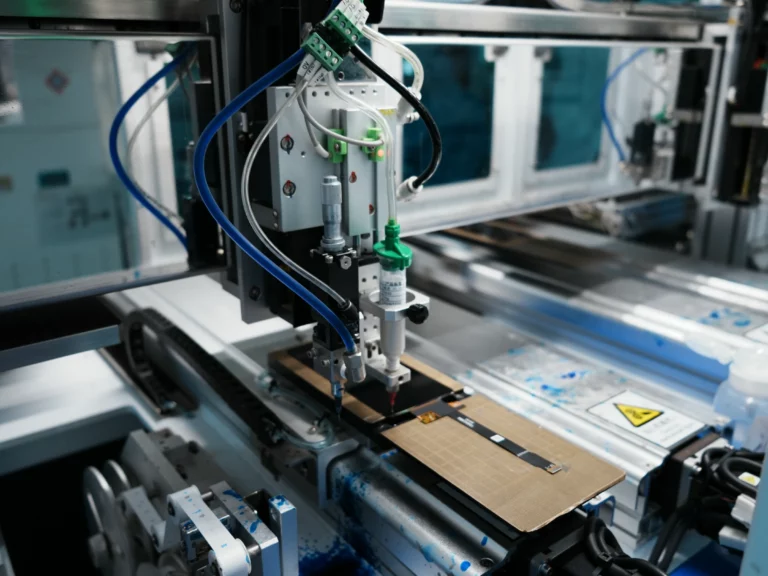
A cheap LCD module is a cost-effective display unit that integrates a TFT panel, backlight, driver circuit, and often FPC or touch interfaces. These modules are widely used in consumer devices, industrial panels, and smart appliances. Despite the low cost, they reliably display data, deliver stable image quality, and offer certification-backed safety and performance.
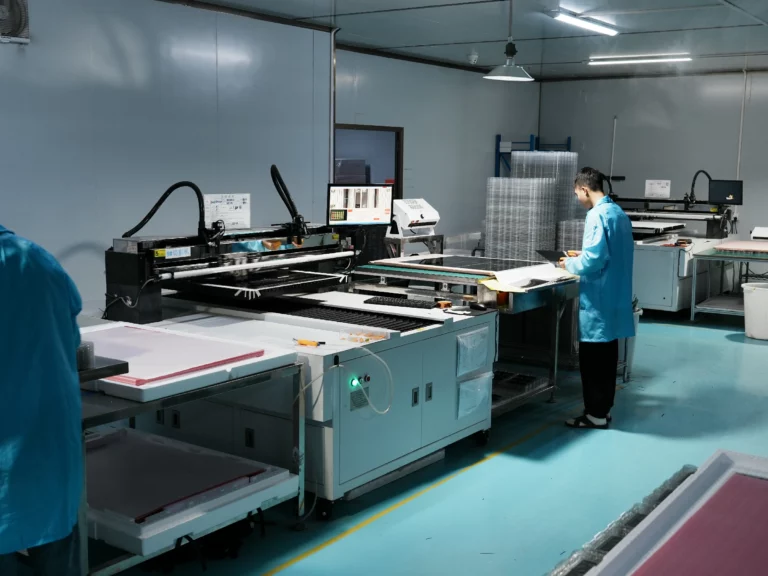
When selecting TFT LCD module manufacturers, one critical question often arises: Are you dealing with a real factory or just a middleman? The answer can significantly impact your project’s success, affecting everything from cost and lead time to product quality and customization options. This guide will walk you through how to determine whether your supplier is a genuine manufacturer or just a trading company.
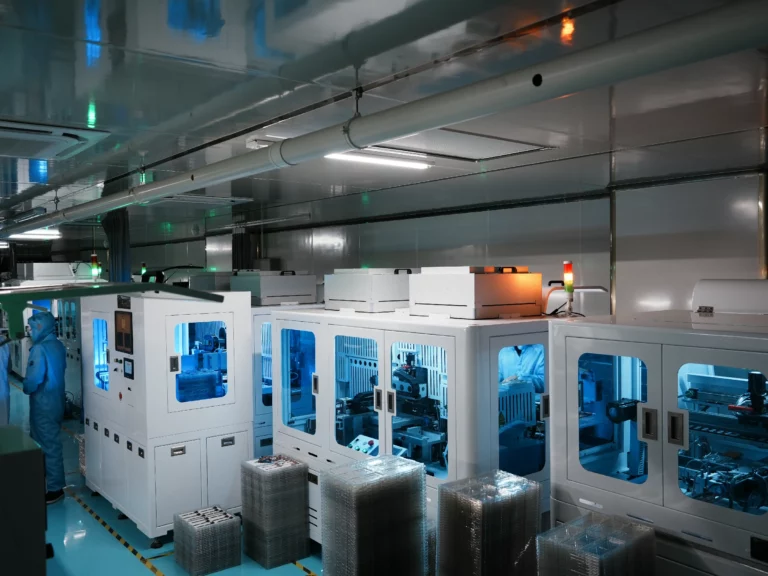
Today’s tech landscape is all about differentiation. Whether you're launching a new wearable, a smart home device, or industrial control equipment, your display needs to stand out—and more importantly, work exactly how you need it to.
That’s where custom displays come in. Unlike standard options, a custom display is tailored to your product’s specific performance, design, and interface requirements. It adds a layer of professionalism and user experience that generic parts simply can’t match.
Global brands across industries are shifting to custom display solutions, and many are turning to one trusted region: China.