Enfrentando um gargalo no seu Projeto de Display Incorporado?
Não deixe que a integração complexa ou problemas na cadeia de abastecimento atrasem o seu tempo de colocação no mercado. Marque uma consulta gratuita com a equipa de especialistas da RJY para apoio personalizado em design e fabrico.
Como Escolher o Fabricante Adequado de Display LCD TFT
Para gerentes de compras e executivos da cadeia de suprimentos que atuam nos mercados de eletrônicos de alto risco, a aquisição de componentes raramente é apenas uma transação — é uma aliança estratégica. Você está no ponto exato onde as exigências técnicas impossíveis da equipe de engenharia colidem com as restrições orçamentárias impossíveis do departamento financeiro. E quando se trata da "face" do seu produto final, nada é mais crítico do que o display. Escolher o fabricante certo de displays TFT LCD é uma decisão que garantirá o domínio do seu produto no mercado ou resultará em noites intermináveis agonizando sobre relatórios de Autorização de Devolução de Material (RMA) e avisos repentinos de Fim de Vida (EOL).
Publicado:
Leitura de 15 minutos
Atualizado:
Escolher um fabricante de display TFT LCD não é simplesmente uma questão de encontrar uma empresa que possa cotar o tamanho de tela necessário. O fornecedor deve ser capaz de documentar o módulo oferecido, combiná-lo com o sistema hospedeiro, controlar as revisões de produção, suportar a personalização necessária e comunicar alterações antes que elas interrompam o produto do cliente.
A palavra “fabricante” também é usada de forma ampla. Uma empresa pode fabricar painéis LCD, outra pode montar módulos em torno de painéis adquiridos, e outra pode coordenar displays, telas sensíveis ao toque, placas controladoras, firmware e integração mecânica. A maior empresa ou a empresa mais próxima do estágio de fabricação do painel não é automaticamente o melhor fornecedor para um projeto OEM.
A escolha correta depende do trabalho que deve ser concluído, das evidências que o fornecedor pode fornecer e da configuração que o comprador precisa controlar, desde a amostragem até a produção.
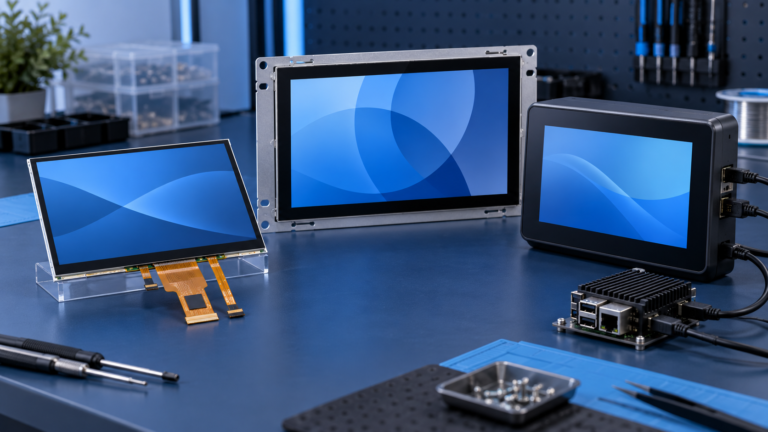
Avaliação de fabricante de display TFT LCD usando módulos, desenhos, registros de qualidade e amostras de engenharia
Defina qual tipo de fornecedor de display você precisa
Antes de comparar empresas, identifique onde o projeto se situa na cadeia de suprimentos de displays.
Tipo de Fornecedor
Função Típica
Melhor Adequação
Limitação Potencial
Fabricante de painel
Produz células LCD ou painéis open-cell em grande escala de fabricação
Aquisição de painéis em alto volume e clientes que precisam de acesso a uma plataforma de painel definida
Pode não suportar diretamente pequenas quantidades OEM, FPCs personalizados, touch, placas controladoras ou integração de aplicação
Fabricante ou integrador de módulos LCD
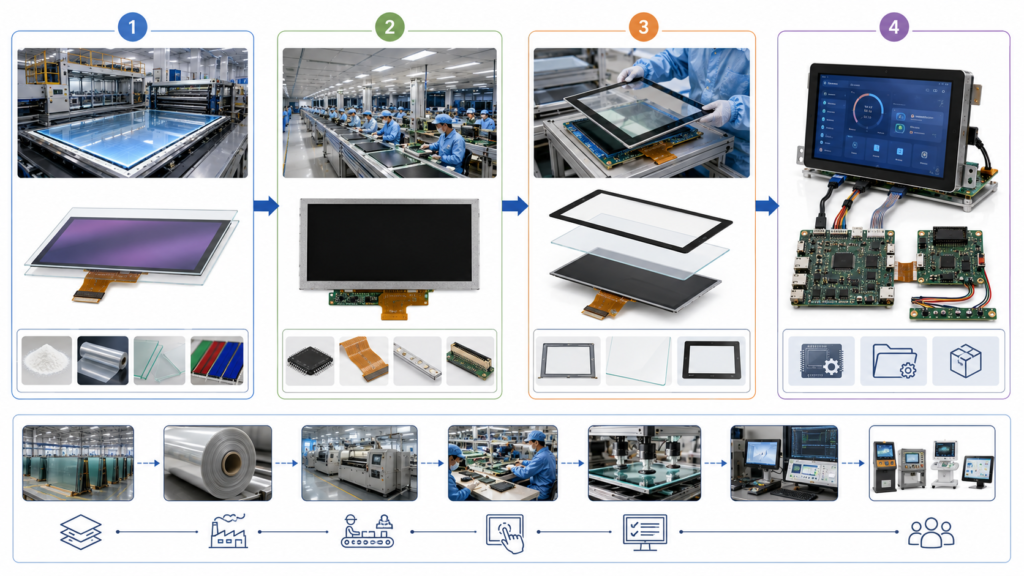
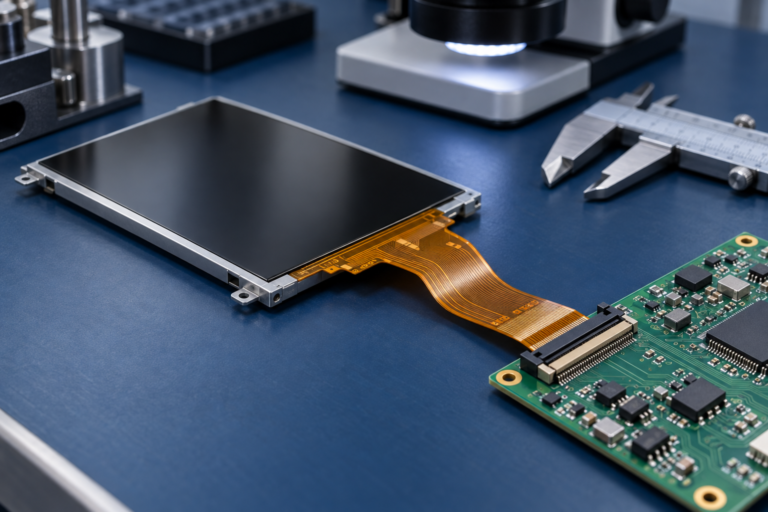
Combina um painel com driver IC, FPC, backlight, moldura e outros componentes do módulo
Produtos OEM que exigem um módulo TFT LCD completo
As capacidades variam significativamente conforme o tamanho do módulo, processo, recursos de engenharia e componentes adquiridos
Integrador de display touch
Combina um LCD com um sensor touch, controlador, vidro de cobertura e estrutura de colagem
Projetos nos quais a lente frontal e a experiência touch são requisitos centrais
Pode não controlar a plataforma LCD subjacente ou o firmware do lado hospedeiro
Provedor de soluções de display
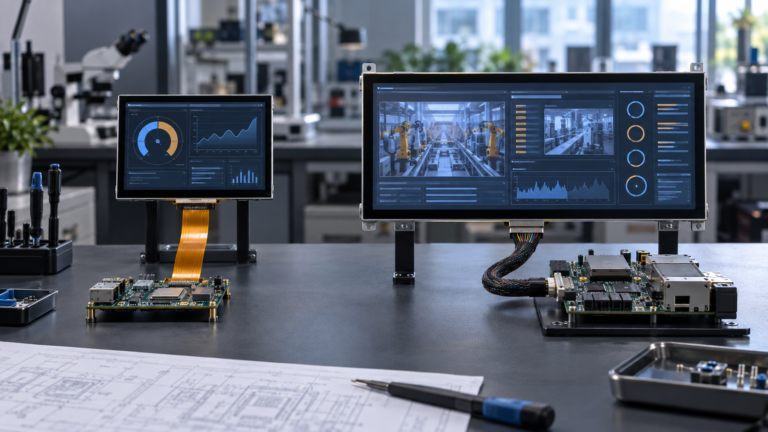
Coordena a seleção do LCD, touch, placa controladora, firmware, cabos, alimentação e integração mecânica
Projetos de HMI embarcada e equipamentos que necessitam de suporte de engenharia em nível de sistema
Deve identificar claramente quais processos de fabricação e componentes são internos, terceirizados ou fornecidos por parceiros
Distribuidor ou revendedor
Fornece acesso a produtos existentes de um ou mais fabricantes
Produtos padrão, sourcing de reposição, amostras e módulos de marca estabelecidos
Pode ter autoridade limitada sobre personalização, alterações de BOM, firmware ou política de ciclo de vida
Nenhum desses modelos é inerentemente inadequado. O problema surge quando o comprador espera um papel enquanto o fornecedor desempenha outro. Pergunte quem possui a especificação do produto, quem controla a BOM, quem aprova alterações, quem realiza a personalização e quem é responsável pela comunicação de engenharia.
Comece com uma linha de base de requisitos por escrito
Um fornecedor não pode ser avaliado de forma justa contra um requisito incompleto. Se cada empresa interpretar “touchscreen industrial de 7 polegadas” de forma diferente, suas amostras e cotações não representarão o mesmo produto.
A linha de base inicial de requisitos deve definir:
Aplicação alvo e ambiente operacional
Tamanho do display, área ativa, resolução, brilho e requisitos de visualização
Processador hospedeiro, placa controladora ou fonte de vídeo
Interface do display, temporização, pinagem e restrições de conector
Tipo de touch, controlador, vidro de cobertura e interface touch do lado hospedeiro
Backlight, dimerização, alimentação e requisitos de inicialização
Direção do FPC e envelope mecânico
Requisitos de firmware, driver, sistema operacional e inicialização
Normas exigidas, declarações, testes e processo de aprovação do cliente
Quantidades esperadas para amostra, piloto, produção e anuais
Marque cada requisito como obrigatório, preferencial ou flexível. Isso permite que o fornecedor proponha uma plataforma existente sem alterar silenciosamente um requisito crítico do produto.
Avalie a capacidade de engenharia com uma tarefa real de compatibilidade
Declarações genéricas como “suporta MIPI”, “suporta Android” ou “interface personalizada disponível” não estabelecem capacidade de engenharia. Forneça aos fornecedores pré-selecionados um painel real, placa hospedeira, desenho mecânico ou problema de compatibilidade e examine como eles respondem.
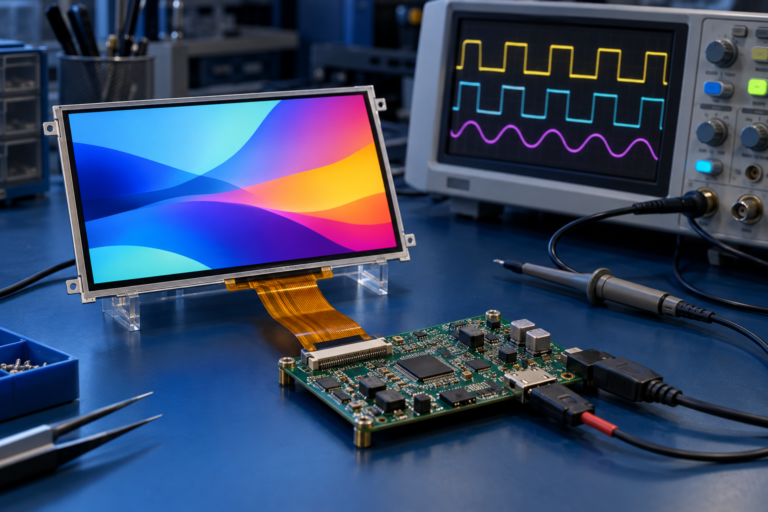
MIPI DSI é uma interface definida de hospedeiro para display, mas a integração do painel ainda depende da configuração de lanes, temporização, modo de operação, formato de pixel, inicialização, alimentação e da implementação física do conector.[1]
A nota de aplicação da NXP para um sistema de display MIPI DSI demonstra que a integração envolve alimentação do painel, reset, backlight GPIO, temporização, polaridade do sinal, clock de pixel, configuração D-PHY e um driver específico do painel.[2] Um fornecedor que aprova a compatibilidade apenas pelo nome da interface, resolução e contagem de conectores não realizou uma revisão adequada.
Evidência de Engenharia
O que uma Resposta Útil Contém
Sinal de Alerta
Revisão da folha de dados
Modelo exato, temporização, definição de pinos, alimentação, retroiluminação, CI do driver e questões não resolvidas
Aprovação baseada apenas em tamanho e resolução
Correspondência de interface
Capacidades do host e do painel comparadas em nível de placa
Capacidade do SoC utilizada como prova de que a placa real suporta o painel
Revisão mecânica
Contorno do módulo, área ativa, FPC, conector, vidro de cobertura e folgas do invólucro
Ajuste aprovado a partir de uma fotografia do produto
Revisão de toque
Controlador, interface, driver, coordenadas, pilha de cobertura e ambiente considerados
Toque considerado funcional porque a imagem do LCD funciona
Escopo do firmware
Placa suportada, imagem, painel, entregáveis, limite de revisão e método de validação definidos
“Firmware personalizado” ilimitado prometido sem uma plataforma controlada
O objetivo não é exigir um projeto completo antes de fazer um pedido. É determinar se o fornecedor identifica as reais dependências de engenharia e documenta o que permanece não confirmado.
Verifique a especificação do produto e o processo de controle de revisão
O fornecedor deve ser capaz de identificar exatamente o que será amostrado e exatamente o que será entregue na produção. Um nome de produto de marketing não é controle de configuração suficiente.
Solicitar um pacote de especificações controlado contendo os itens aplicáveis:
Número do modelo e revisão do fornecedor
Desenho mecânico dimensionado
Características elétricas e tabela de temporização
Definição de pinos do FPC e informações do conector
CI do driver e requisitos de inicialização
Especificação da retroiluminação
Informações do controlador de toque e do vidro de cobertura
Revisão da placa controladora e definição do cabo
Versão do firmware ou BSP
Critérios cosméticos aprovados
Requisitos de embalagem e rotulagem
Perguntar como as revisões de documentos são emitidas, aprovadas e vinculadas à produção. Um fornecedor pode ter engenheiros capacitados e ainda assim criar risco se os desenhos enviados durante a amostragem não estiverem conectados à BOM e às instruções de trabalho usadas na produção.
Verifique o sistema de gestão da qualidade além do certificado
A ISO 9001 define requisitos para estabelecer, manter e melhorar continuamente um sistema de gestão da qualidade. A ISO também observa que a certificação é opcional e que organizações ou clientes podem auditar o sistema por conta própria.[3]
Um certificado pode, portanto, ser uma evidência útil, mas não prova de forma independente que um determinado display atende aos requisitos ópticos, elétricos, mecânicos, ambientais ou de ciclo de vida do cliente.
Se um fornecedor apresentar um certificado de qualidade, verificar:
Item do certificado
Por Que Isso Importa
Nome legal da organização
Confirma que a entidade certificada é a empresa ou instalação sendo avaliada
Endereço do local
Mostra qual local está dentro do escopo da certificação
Norma e edição
Evita depender de uma declaração genérica “certificado ISO”
Escopo da certificação
Mostra se atividades relevantes de display ou eletrônica estão incluídas
Organismo emissor da certificação
Permite que o comprador examine a proveniência do certificado
Validade e status do certificado
Identifica evidências expiradas, suspensas ou substituídas
Em seguida, examinar como o sistema funciona para o produto proposto. Evidências úteis incluem controles de materiais recebidos, instruções de processo, registros de inspeção, calibração de equipamentos, treinamento de operadores, controle de materiais não conformes, rastreabilidade, ação corretiva e histórico de revisão de documentos.
Não impor uma meta genérica de taxa de defeitos para cada projeto de display. A aceitação cosmética, falhas funcionais, planos de amostragem, métodos de teste e regras de escalonamento devem ser acordados para a aplicação real.
Revise os controles de entrada, processo e final
Um módulo TFT LCD acabado contém elementos adquiridos e processados que podem incluir o painel LCD, CI do driver, FPC, conector, retroiluminação, moldura, polarizadores, controlador de toque, sensor, vidro de cobertura, adesivo e cabos. A inspeção visual final sozinha não pode controlar todas as fontes de variação.
Estágio de controle
Evidência a solicitar
Controle de recebimento
Identificação do material, status do fornecedor, critérios de inspeção, registros de lote e tratamento de não conformidades
Controle de processo
Instruções de trabalho, configurações controladas, autorização do operador, verificações de equipamento e registros em processo
Inspeção funcional
Padrões de display, operação da interface, retroiluminação, toque, corrente e funções específicas do projeto
Inspeção cosmética
Iluminação, distância de visualização, área de inspeção, definições de defeito e critérios de aceitação
Controle de saída
Liberação de lote, verificação de modelo e revisão, quantidade, embalagem, rotulagem e rastreabilidade de embarque
Solicitar registros de amostra anonimizados se documentos de produção confidenciais não puderem ser compartilhados. O objetivo é verificar se os controles existem e estão conectados ao produto exato, não obter informações proprietárias de outro cliente.
Defina os testes de confiabilidade a partir da aplicação
Não existe condição universal de teste de confiabilidade que qualifique todo TFT LCD para todo uso. Temperatura, umidade, vibração, choque, ESD, exposição UV, duração operacional, montagem e critérios de aceitação dependem do ambiente do produto e dos requisitos aplicáveis.
As normas IEC de teste ambiental ilustram por que as alegações de teste precisam de condições completas. Por exemplo, a IEC 60068-2-57 define procedimentos para avaliar um espécime sob severidades específicas de vibração transitória.[4] Uma declaração como “testado para vibração” é incompleta sem o método, montagem, eixos, perfil, severidade, duração, configuração da amostra e critérios de aprovação/reprovação.
Para cada teste exigido, documentar:
Norma e edição do teste, se aplicável
Método exato e severidade
Estado operacional ou não operacional
Configuração e quantidade da amostra
Condições de montagem e elétricas
Medições pré-teste, durante o teste e pós-teste
Critérios de aceitação
Identificação do laboratório e do relatório
Não aceitar dados de teste de um display visualmente semelhante como qualificação para o módulo proposto, a menos que a relação entre as configurações seja tecnicamente justificada e aprovada.
Avalie a personalização dentro de uma plataforma controlada
A capacidade de personalização deve ser avaliada com base no trabalho que o fornecedor realmente controla. Uma empresa que pode preparar um vidro de cobertura personalizado pode não controlar o design da célula LCD. Um fornecedor que pode modificar um FPC pode não ser capaz de alterar a resolução nativa ou a arquitetura do driver do painel.
O escopo prático de personalização da RJY Display é baseado em módulos de display existentes. Dependendo da viabilidade, um projeto pode coordenar vidro de cobertura, tela sensível ao toque, retroiluminação, FPC, interface, placa controladora, firmware e estrutura mecânica. Não deve ser apresentado como desenvolvimento irrestrito de qualquer novo tamanho de LCD.
Área de Personalização
Evidência a solicitar
Vidro de cobertura
Desenho, arte-final, tolerância, detalhes de borda, interface de ligação, aprovação de amostra e critérios cosméticos
Tela sensível ao toque
Definição do sensor e controlador, FPC, interface do hospedeiro, driver, mapeamento de coordenadas e plano de validação
Luz de fundo
Requisitos elétricos, caminho do driver, dimerização, energia, revisão térmica e meta de brilho confirmada
FPC
Esquemático, pinagem, layout, conector, orientação, envelope mecânico e teste de amostra
Placa controladora
Revisão da placa, interfaces implementadas, modos de entrada, energia, retroiluminação, caminho do toque e firmware
Firmware
Plataforma suportada, entregáveis, status de código-fonte ou binário, escopo da revisão, propriedade e validação
Uma amostra não deve ser aprovada apenas porque liga. Registrar a configuração exata de hardware e software utilizada durante a avaliação.
O registro da amostra deve identificar:
Modelo e revisão do LCD
Controlador de toque e revisão do vidro de cobertura
Versões do FPC e cabos
Revisão da placa controladora
Versão do firmware, BSP ou driver
Configuração da fonte de alimentação e retroiluminação
Aplicação de teste e versão da interface do usuário
Dispositivo de fixação mecânica ou invólucro
Desvios conhecidos e questões em aberto
Uma vez aprovado, determinar como esta configuração se torna a referência de produção. Uma amostra dourada retida pode ser útil, mas deve ser suportada por especificações controladas e critérios de aceitação. Uma amostra física sozinha não pode definir revisões ocultas de componentes ou conteúdos de firmware.
Verifique a capacidade de ação corretiva
Perguntar como o fornecedor responde quando um defeito é descoberto durante a inspeção de recebimento, montagem, uso em campo ou produção. O formato exato da ação corretiva pode variar; o ponto importante é se o processo contém evidência, contenção, análise de causa raiz, ação corretiva, verificação e prevenção de recorrência.
Um relatório de problema útil deve identificar:
Produto afetado, revisão, lote e quantidade
Descrição da falha e condições de reprodução
Contenção imediata
Dados de investigação e conclusão da causa raiz
Ações corretivas e preventivas
Responsabilidade pela implementação e data
Evidência de que a ação foi eficaz
Impacto em outros produtos ou lotes
Ter cautela quando toda falha for atribuída ao manuseio do usuário sem evidência de inspeção, ou quando unidades de substituição forem oferecidas sem identificar se o risco de produção subjacente permanece.
Revise os procedimentos de ciclo de vida, PCN e EOL
Nenhum fornecedor deve ser presumido como garantidor de um display indefinidamente. Painéis LCD, circuitos integrados de driver, controladores de toque, LEDs, conectores, memória e outros componentes podem mudar ou ficar indisponíveis.
Solicitar ao fornecedor que explique seu processo para:
Notificação de alteração de produto
Substituição de componente
Revisão de desenho e firmware
Notificação de fim de vida
Tratamento de última compra
Avaliação do produto de substituição
Aprovação do cliente e requalificação
Não presumir uma garantia de fornecimento de três, cinco ou dez anos, a menos que seja fornecida para o modelo exato sob um acordo por escrito. Da mesma forma, não presumir que um painel ou circuito integrado de driver alternativo será compatível em pinagem, mecanicamente ou em firmware.
Verifique a documentação regulatória e específica do cliente
Um módulo de display não herda automaticamente todas as aprovações exigidas pelo equipamento finalizado. Determinar quais declarações de materiais, relatórios de teste, certificados de sistema de gestão, registros de rastreabilidade ou documentos específicos do cliente se aplicam ao produto alvo e ao mercado.
Para cada documento, confirmar:
Verificação do Documento
Pergunta
Entidade
Qual empresa ou instalação emitiu ou detém o documento?
Cobertura do produto
Identifica o componente exato, família, material ou processo?
Norma ou regulamento
Qual edição, requisito, isenção ou mercado é referenciado?
Data e validade
O documento está atualizado para a configuração de produção proposta?
Relação de revisão
Uma alteração na BOM ou no material exige uma nova declaração ou teste?
Responsabilidade pelo produto final
Quais atividades de conformidade permanecem com o fabricante do equipamento?
Um logotipo de fornecedor, selo de site ou declaração de que um produto é de “grau médico”, “automotivo” ou “industrial” não substitui evidências específicas da aplicação.
Normalize os termos comerciais antes de comparar fornecedores
Dois fornecedores podem cotar o mesmo display nominal a preços diferentes porque seus escopos são distintos. Normalize as cotações antes de avaliar a competitividade comercial.
Item comercial
O que comparar
Configuração do produto
LCD, touch, vidro de cobertura, FPC, cabo, backlight, placa, firmware e embalagem
NRE e ferramental
Entregáveis, propriedade, revisões, manutenção e termos de reembolso ou crédito, se aplicável
Amostras
Quantidade, configuração, firmware, montagem, validação e envio
Preço de produção
Mesma quantidade de pedido, moeda, período de validade e escopo de componentes
Lote Mínimo (MOQ)
Módulo padrão, cada componente personalizado, pedido de produção e qualquer compromisso anual
Base de entrega
Incoterm, local nomeado, frete, seguro, taxas, impostos e manuseio no destino
Pagamento e garantia
Etapas de pagamento, janela de inspeção, escopo da garantia, exclusões e remediação
As regras Incoterms da ICC definem responsabilidades, custos e riscos entre comprador e vendedor em transações internacionais.[5] Registre a regra selecionada e o local nomeado para que uma aparente diferença de preço não seja meramente uma diferença de frete ou responsabilidade de importação.
A FAQ atual da RJY Display fornece uma referência geral de que produtos personalizados normalmente exigem um MOQ de 500 unidades ou mais.[6] O MOQ real ainda deve ser confirmado para o display e cada componente personalizado. Médias de MOQ em toda a indústria não devem ser tratadas como promessas de um fornecedor individual.
Avalie a comunicação técnica
Boa comunicação não é definida apenas pela velocidade de resposta. Um “sim” rápido e incondicional pode criar mais risco do que uma resposta mais lenta que identifique informações faltantes.
Durante a avaliação do fornecedor, examine se a empresa:
Separa fatos confirmados de suposições
Devolve desenhos marcados e perguntas técnicas específicas
Identifica o engenheiro ou equipe responsável pela revisão
Usa números de modelo e revisões de documentos consistentes
Registra decisões tomadas durante chamadas e depuração de amostras
Explica limitações antes de aceitar um pedido
Pode comunicar alterações às equipes de compras e engenharia
Para projetos que atendem a vários países, determine também como especificações, desenhos, traduções e aprovações serão controlados. Um documento traduzido não deve se tornar uma especificação técnica diferente.
Matriz de avaliação de fabricantes de TFT LCD
Área de avaliação
Evidências a coletar
Pergunta de decisão
Papel do fornecedor
Entidade legal, local, processos controlados, trabalho subcontratado e responsabilidade pelo produto
O modelo de negócios se adequa ao projeto exigido?
Engenharia
Revisão de ficha técnica, desenhos marcados, análise de compatibilidade e lista de itens não resolvidos
O fornecedor pode avaliar o sistema de display completo?
Documentação
Especificação, desenho, pinagem, temporização, controle de BOM e processo de revisão
A configuração de produção pode ser identificada e reproduzida?
Sistema de qualidade
Certificado aplicável, procedimentos, registros, rastreabilidade e resultados de auditoria
Os controles documentados operam no produto proposto?
Testes
Plano de teste, condições, configuração da amostra, critérios de aceitação e relatórios
As evidências correspondem aos requisitos da aplicação?
Personalização
Módulo base existente, alterações controladas, ferramental, entregáveis e plano de amostras
A personalização solicitada está dentro da capacidade demonstrada?
Ciclo de vida
Procedimentos de PCN, EOL, substituição, última compra e reposição
As alterações podem ser gerenciadas antes de interromper a produção?
Ação corretiva
Exemplos de registros de contenção, análise de causa raiz, ação corretiva e eficácia
As falhas podem ser investigadas e prevenidas de ocorrer novamente?
Escopo comercial
Cotação normalizada, MOQ, NRE, amostra, prazo de entrega, condições de pagamento e garantia
O escopo total do projeto está claro e comparável?
Comunicação
Precisão das respostas, disciplina de revisão, registros de reuniões e caminho de escalonamento
As decisões de engenharia e compras podem permanecer rastreáveis?
Use a matriz primeiro como uma ferramenta de aprovação ou investigação. Uma pontuação ponderada pode ser adicionada posteriormente com base no risco real do produto; ela não deve ocultar uma falha crítica em compatibilidade, documentação, conformidade ou controle de alterações.
O que enviar ao solicitar uma revisão do fabricante
Prepare um pacote para o fornecedor contendo:
Aplicação alvo e mercados de destino
Especificação do display ou modelo de referência
Informações da placa hospedeira e interfaces disponíveis
Desenho mecânico ou envelope do gabinete
Arte da interface do usuário representativa e orientação
Requisitos de toque e vidro de cobertura
Requisitos de retroiluminação, alimentação e dimerização
Requisitos de firmware e sistema operacional
Testes, normas, declarações e relatórios necessários
Quantidades de amostra, piloto e produção
Demanda anual esperada e ciclo de vida do produto
Termos necessários de PCN, EOL, garantia e aprovação de alterações
Peça a cada fornecedor pré-selecionado que responda ao mesmo pacote. Isso produz propostas técnicas comparáveis e revela onde permanecem suposições.
Solicite uma revisão de projeto de TFT LCD
A RJY Display pode revisar uma plataforma TFT LCD existente em relação aos seus requisitos de display, interface, toque, vidro de cobertura, retroiluminação, FPC, placa controladora, firmware, mecânica, quantidade e documentação.
Qual é a diferença entre um fabricante de painéis LCD e um fabricante de módulos TFT LCD?
Um fabricante de painéis LCD produz a célula LCD ou o painel de célula aberta. Um fabricante ou integrador de módulos TFT LCD combina um painel com componentes como o CI driver, FPC, retroiluminação, moldura, conector e, às vezes, toque. Os compradores devem confirmar quais processos e responsabilidades do produto o fornecedor realmente controla.
A certificação ISO 9001 prova que um TFT LCD é adequado para o meu produto?
Não. A ISO 9001 diz respeito ao sistema de gestão da qualidade do fornecedor. O escopo, local, status e órgão emissor do certificado devem ser verificados, mas o display ainda deve ser validado em relação aos requisitos ópticos, elétricos, mecânicos, ambientais, regulatórios e de ciclo de vida do projeto.
Qual é o MOQ típico para um TFT LCD personalizado?
Não existe um MOQ em toda a indústria que se aplique a todos os fornecedores ou projetos. A referência geral atual da RJY Display é que produtos personalizados normalmente exigem 500 unidades ou mais, mas o MOQ real depende do módulo base, componentes personalizados, ferramentais, requisitos de compra e escopo do projeto.
Como posso verificar a capacidade de personalização de um fabricante de displays?
Forneça um requisito de projeto real e solicite desenhos anotados, um módulo base definido, perguntas de engenharia, entregáveis de personalização, escopo de ferramentais, plano de amostras, limites de firmware e método de validação. Alegações gerais ou fotografias de equipamentos não provam que o fornecedor pode concluir a configuração necessária.
O que deve ser incluído na configuração de uma amostra aprovada de TFT LCD?
Registre o modelo e a revisão do LCD, controlador de toque, vidro de cobertura, FPC, cabos, revisão da placa controladora, versão do firmware ou driver, configuração de alimentação e retroiluminação, aplicação de teste, montagem mecânica, desvios conhecidos e os documentos controlados usados para aprovação.
Como devo avaliar o suporte ao ciclo de vida de um TFT LCD?
Revise os procedimentos do fornecedor para PCN, substituição de componentes, EOL, última compra, substituição, controle de revisão e aprovação do cliente. Não presuma uma garantia de fornecimento fixo ou período de aviso prévio, a menos que esteja declarado para o produto exato em um acordo por escrito.