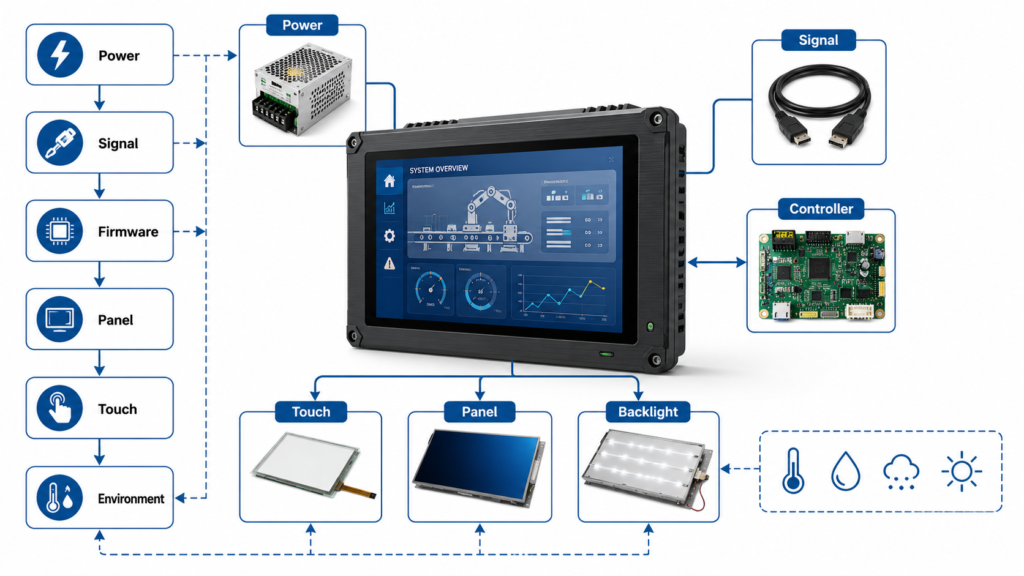
Industrial touch screens are no longer a niche technology—they're central to how people interact with machines in factories, hospitals, outdoor terminals, and transportation systems. Unlike consumer displays,…
In today’s screen-dominated world, we often take for granted just how clearly we can view content on displays—from phones and tablets to medical monitors and car dashboards.…
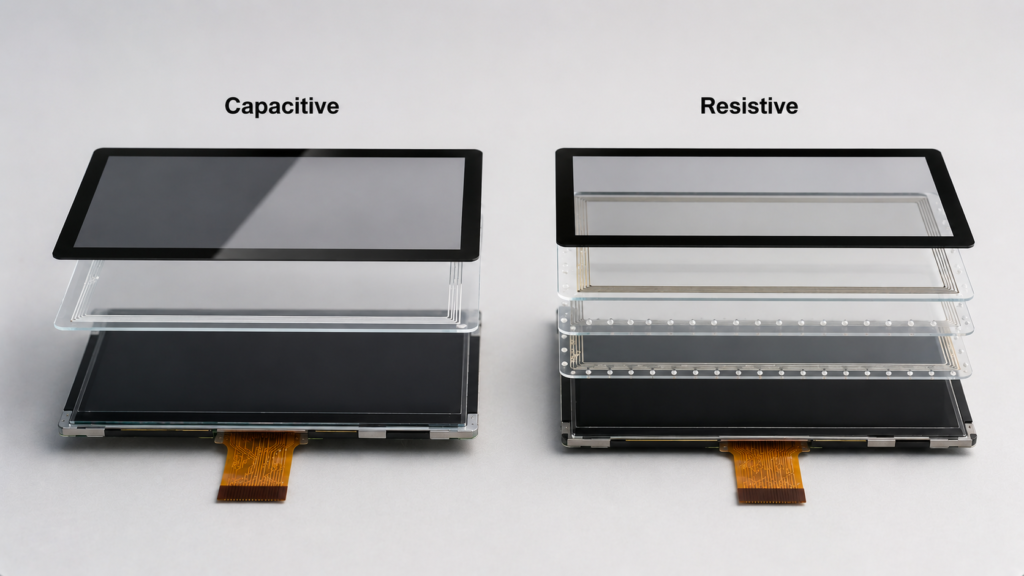
If you're designing an interface for a custom display solution, selecting between a capacitive vs resistive touchscreen is a decision that can impact everything from user experience…
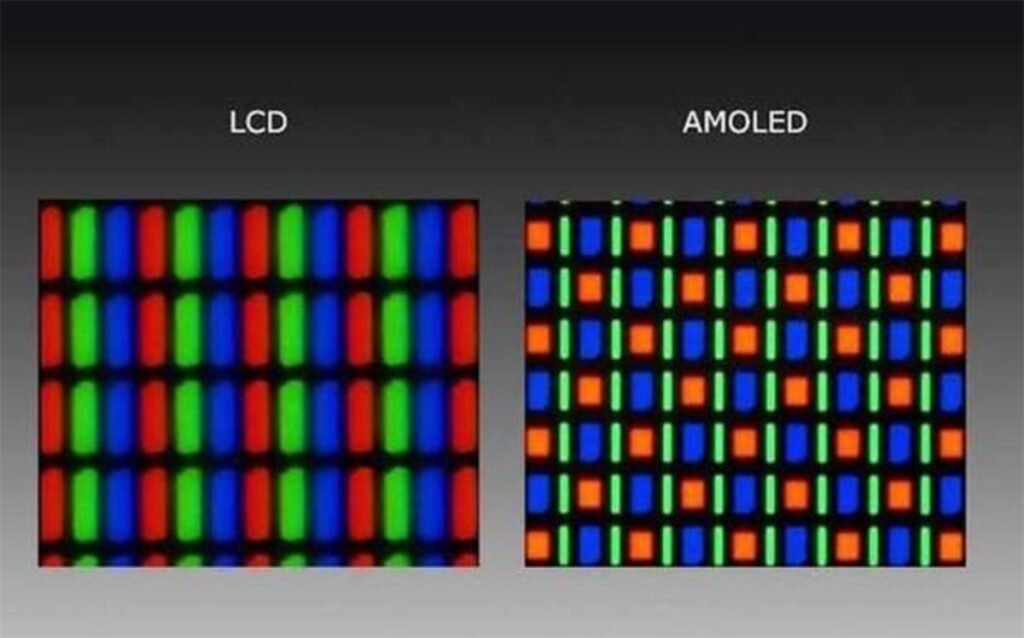
When it comes to high-performance screens in consumer electronics, wearables, or industrial devices, two display technologies dominate the landscape—AMOLED and IPS. Both have transformed how we view…
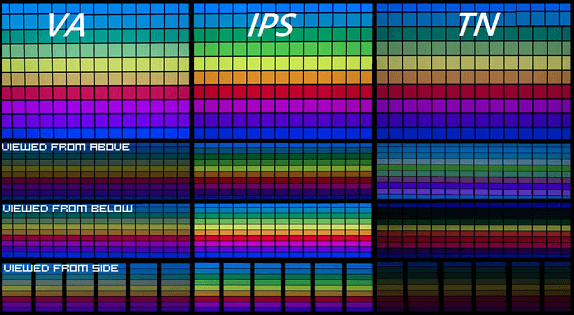
Choosing the right LCD display panel type is critical when designing industrial monitors, medical devices, or custom touch interfaces. The three main panel types—TN (Twisted Nematic), VA…
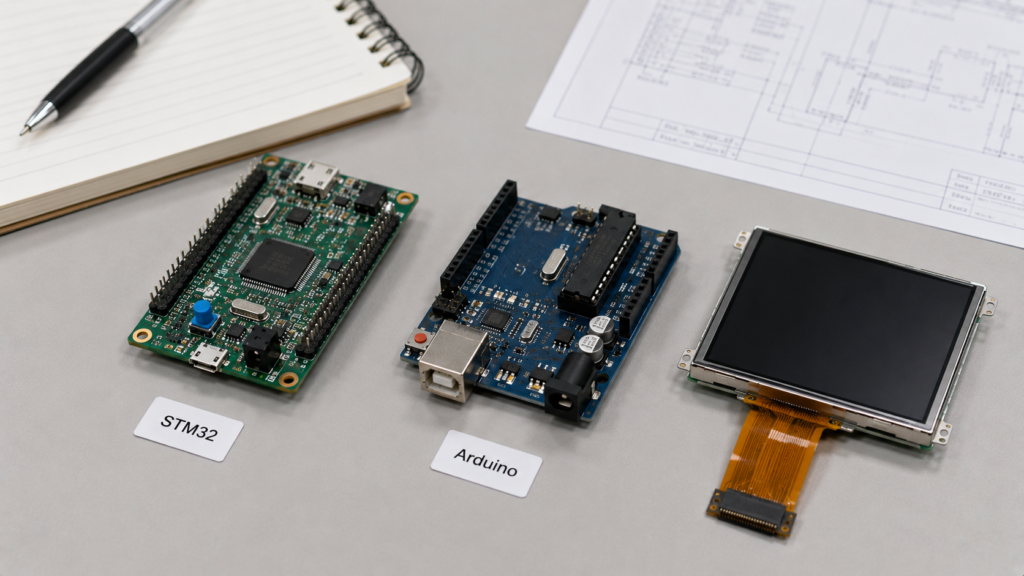
In the world of embedded systems and microcontroller projects, two platforms often stand out for their versatility and widespread use: STM32 and Arduino. Both have their strengths…
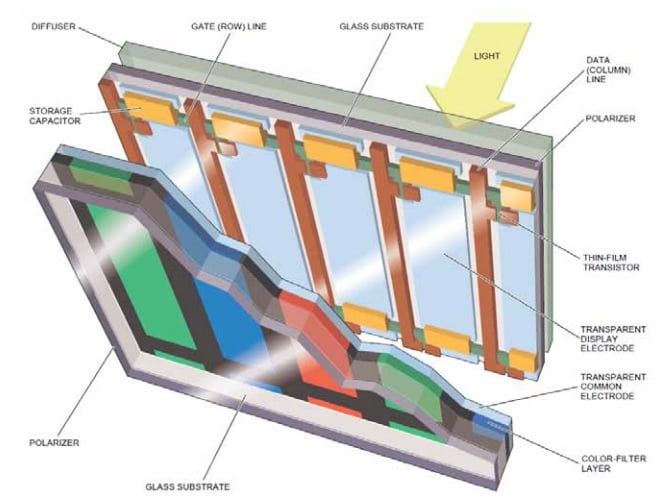
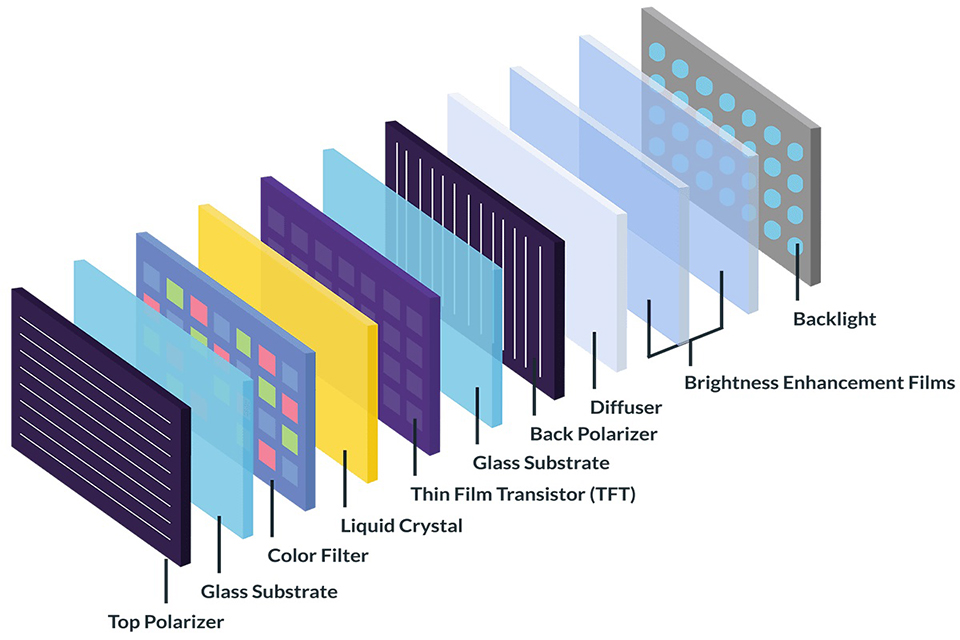
In the digital age, Thin-Film Transistor Liquid Crystal Displays (TFT-LCDs) have become ubiquitous, powering devices such as smartphones, tablets, televisions, and computer monitors. Renowned for their superior…
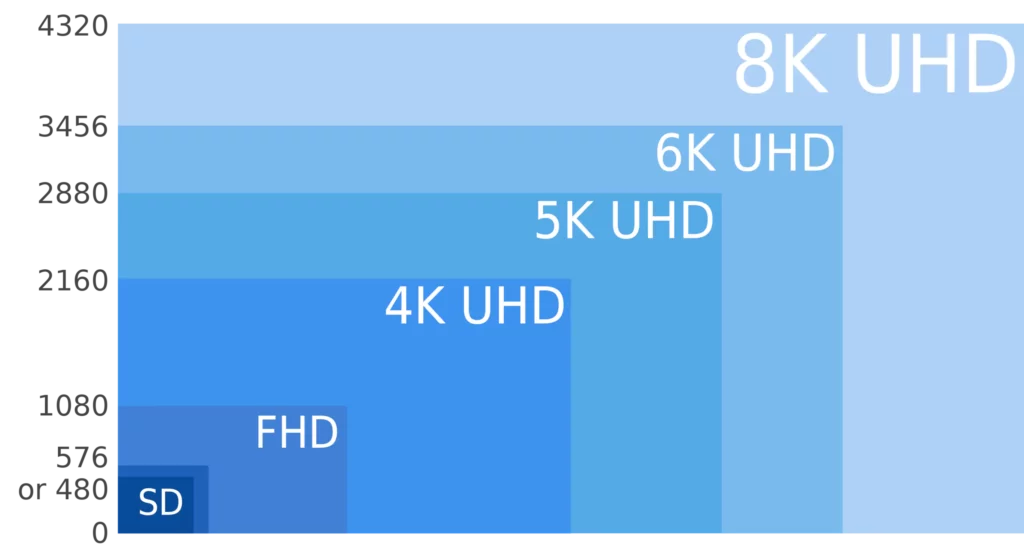
In modern display technology, Resolution Scale has become an important tool for optimizing visual performance and enhancing device functionality, especially in applications like medical, IoT (Internet of…
Thin-Film Transistor Liquid Crystal Displays (TFT-LCDs) have become the cornerstone of modern display technology, powering everything from smartphones and televisions to computer monitors and automotive displays. However,…
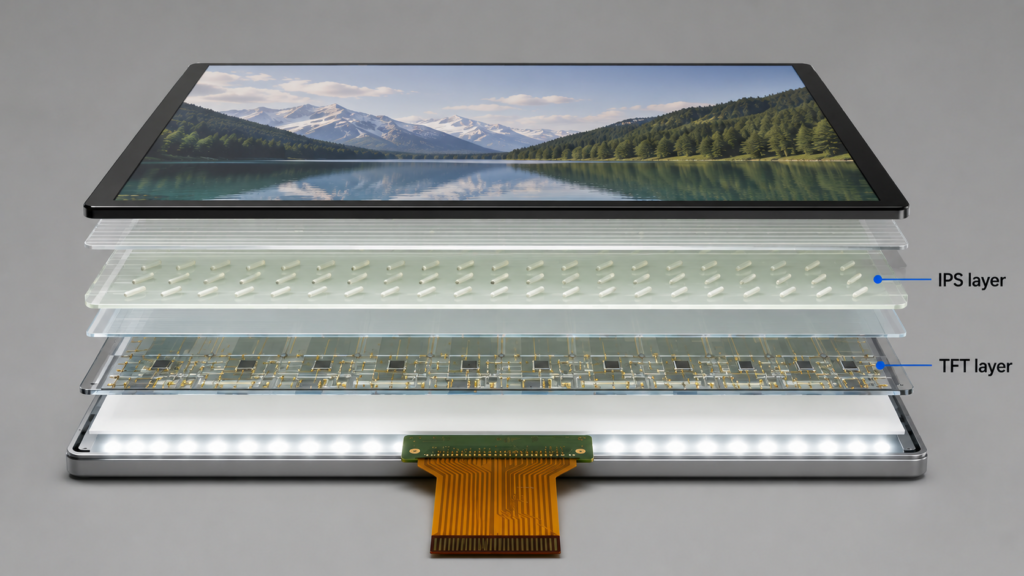
The difference between IPS and TFT LCD is often misunderstood. Many buyers search for “IPS vs TFT” as if IPS and TFT were two separate display technologies.…
The phrase “TFT vs LCD” is a common search query—but it’s also a misleading one. That’s because TFT (Thin-Film Transistor) is not a competitor to LCD—it’s a…
Industrial environments demand reliable, high-performance displays to ensure seamless operation, safety, and productivity. However, even the most rugged LCD modules can suffer from issues like LCD spot…
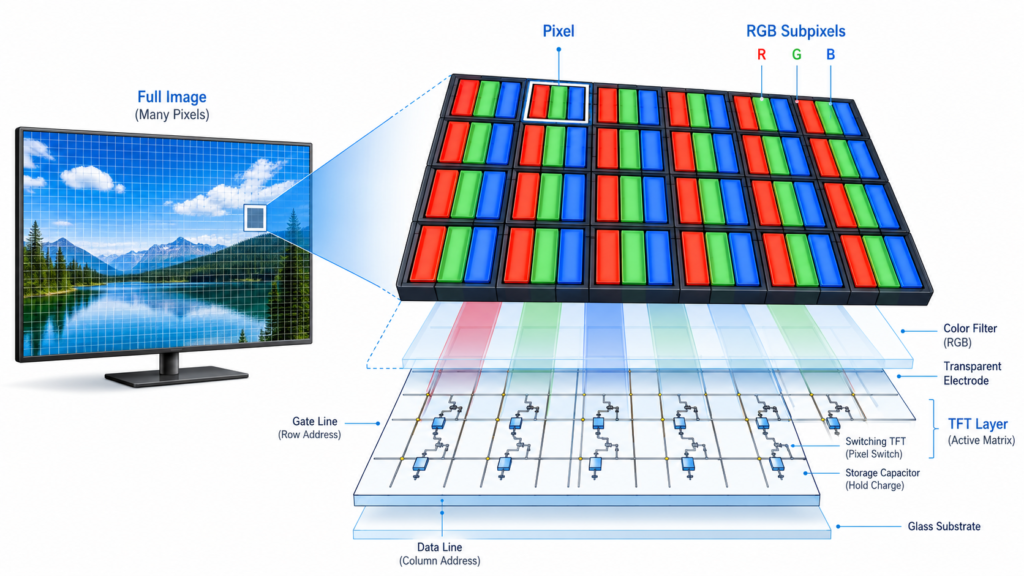
When building a custom TFT LCD display—whether for medical monitors, wearable devices, or factory automation—understanding core concepts like display pixel, resolution, and aspect ratio is critical. These…

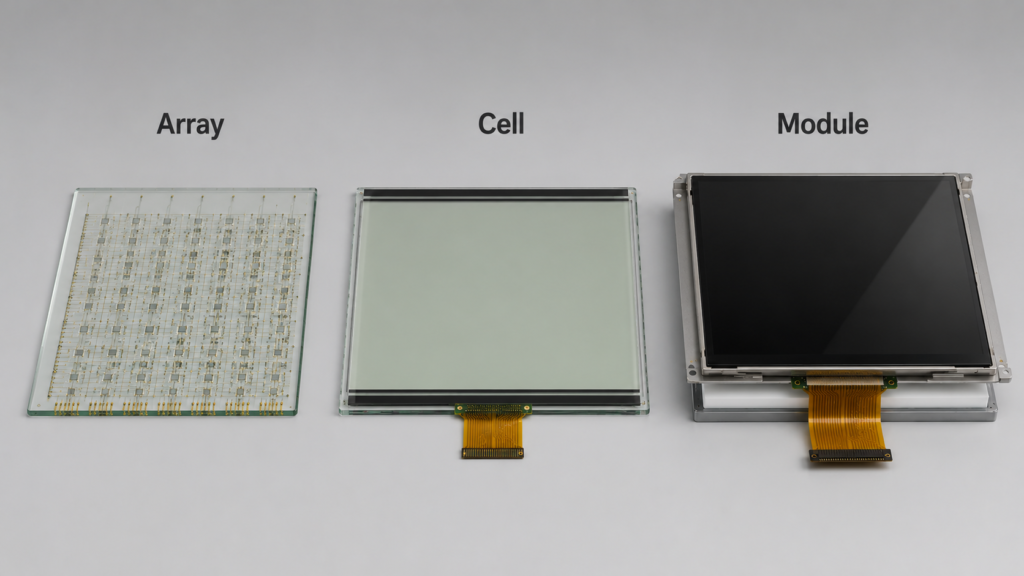
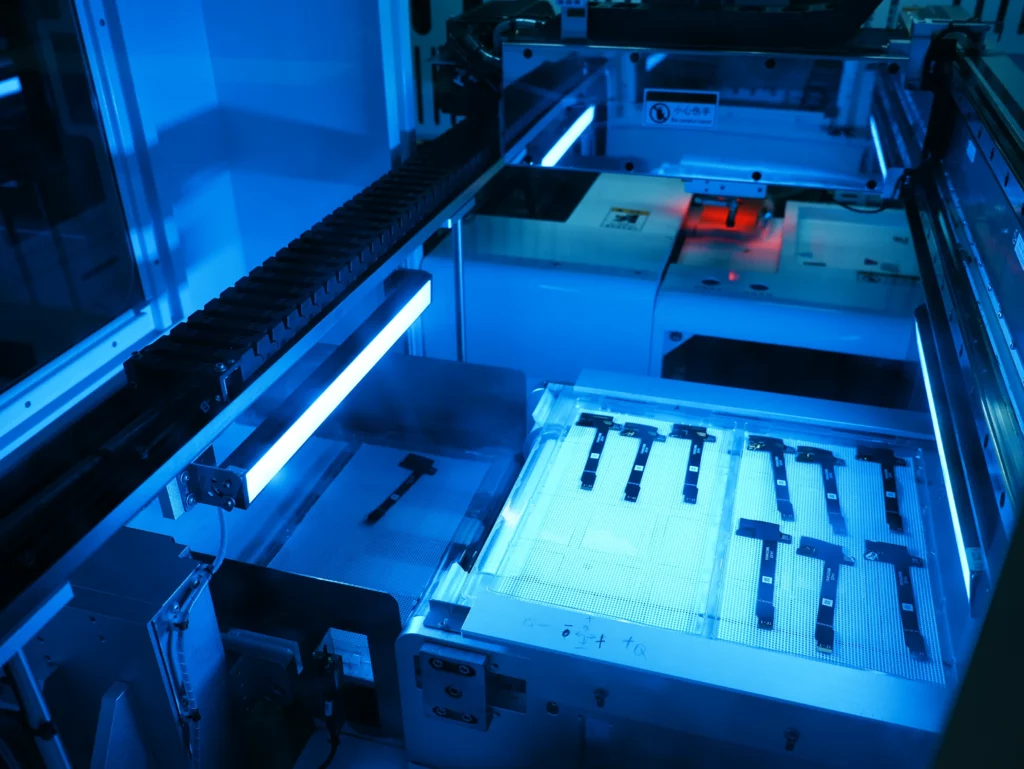 Industrial Display Assembly Process: Touch Screen Integration Guide