En el panorama profesional de 2026, la interfaz ha trascendido su papel de mero periférico para convertirse en el principal impulsor de la satisfacción del usuario y la eficiencia operativa. La tecnología táctil representa la cúspide del diseño intuitivo de la Interfaz Hombre-Máquina (HMI), eliminando las barreras tradicionales entre los datos digitales y la acción física. Este informe examina la arquitectura técnica, las ventajas estratégicas y las aplicaciones específicas de la industria de las soluciones táctiles modernas.
La Importancia Estratégica de la Interacción Táctil
Mejorar la Experiencia del Usuario (UX) en entornos profesionales requiere una reducción de la carga cognitiva. La tecnología táctil lo logra al facilitar la “Manipulación Directa”: la capacidad del usuario de interactuar con elementos digitales de una manera que imita la realidad física. Al eliminar la abstracción de los ratones o teclados, las empresas pueden acelerar la velocidad de las transacciones y reducir la curva de aprendizaje para software complejo.
Descripción Técnica de las Arquitecturas Táctiles
Para seleccionar el hardware apropiado para un objetivo de UX específico, los profesionales deben distinguir entre las tres tecnologías de detección dominantes:
- Capacitiva Proyectada (PCAP): El estándar de la industria para dispositivos de alto rendimiento. Admite gestos multitáctiles (pellizcar, deslizar) y funciona bajo una cubierta de vidrio protector, garantizando una estética elegante y alta durabilidad.
- Infrarroja (IR): Esta tecnología utiliza una cuadrícula invisible de haces de luz. Es la opción preferida para pantallas a gran escala y “Paredes Táctiles”, ya que mantiene una alta claridad sin necesidad de capas conductoras adicionales.
- Resistiva: Funcionando mediante presión física, estas pantallas son altamente confiables en entornos industriales pesados o exteriores donde los usuarios deben operar equipos con guantes puestos.
Soluciones Táctiles Profesionales
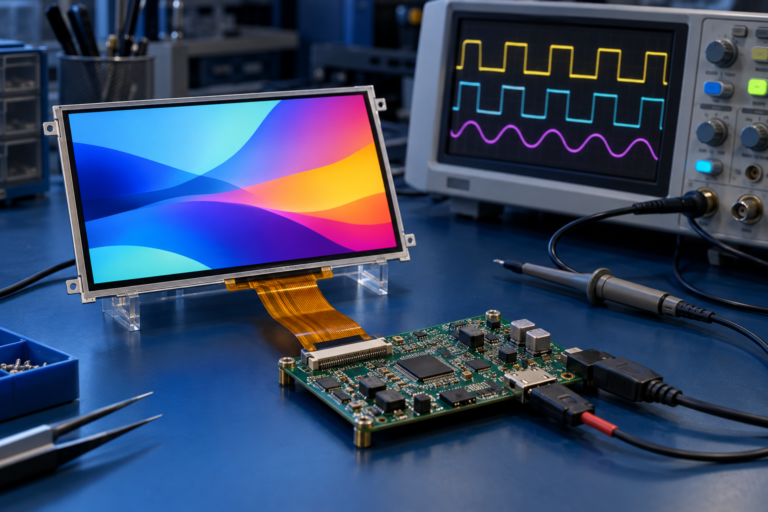
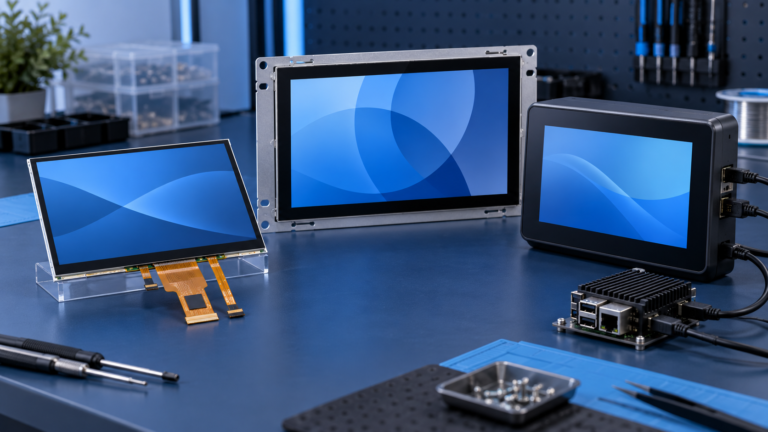
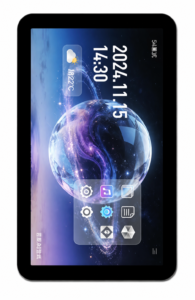
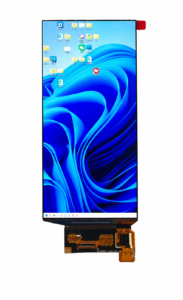
Modernos Los Monitores de Escritorio con Pantalla Táctil integran paneles IPS de alta fidelidad con controladores de latencia cero. Son esenciales para profesionales creativos y analistas financieros que requieren precisión de color y manipulación rápida de datos.
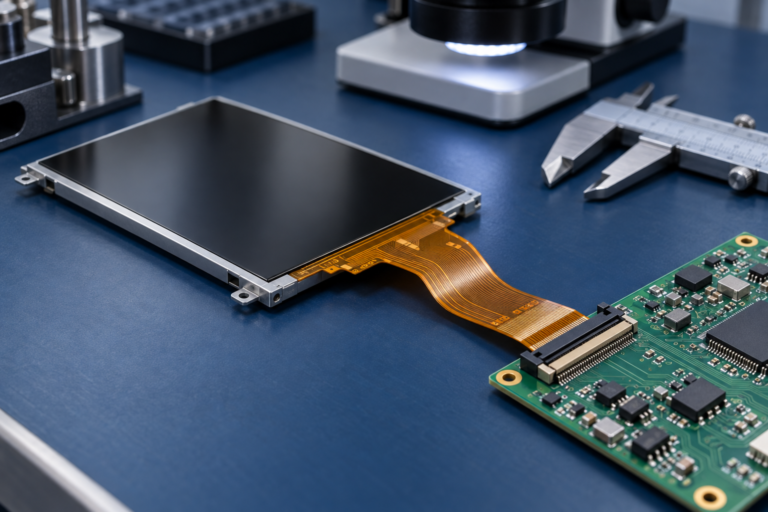
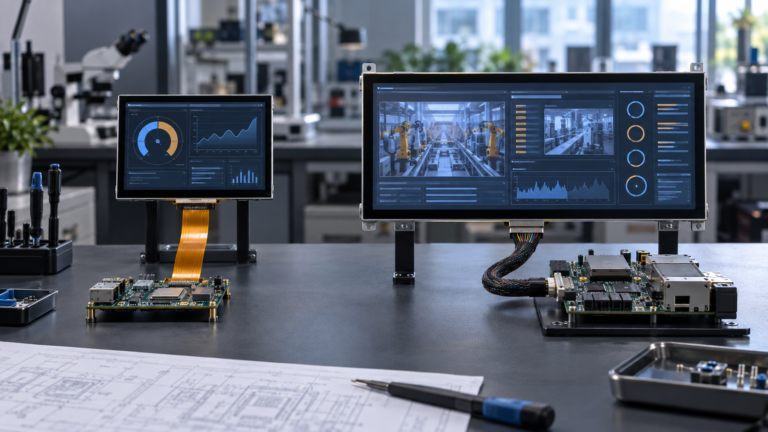
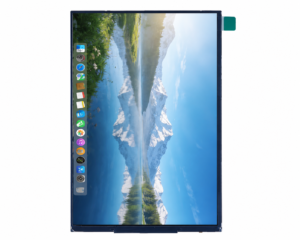
- Monitores de Panel Táctil: Diseñados específicamente para sistemas embebidos, estas unidades priorizan la estabilidad operativa 24/7 y la robustez para integrarse en consolas industriales.
Las Pantallas Digitales Interactivas han redefinido la sala de juntas moderna. Al utilizar Pantallas de Pared Táctiles, las organizaciones pueden facilitar la colaboración en tiempo real, permitiendo que múltiples usuarios manipulen datos simultáneamente en un lienzo digital unificado.
Ventajas Estratégicas de la Tecnología Táctil
Mayor Compromiso y Retención
Se ha demostrado que la interacción física directa con el contenido aumenta el “tiempo de permanencia” del usuario en el comercio minorista y mejora la retención de información en entornos de formación. El bucle de retroalimentación táctil refuerza la experiencia digital.
Accesibilidad Universal (Cumplimiento ADA)
Las interfaces táctiles son inherentemente más accesibles. Permiten la integración de retroalimentación háptica, interfaces de usuario (UI) escalables y rutas de navegación simplificadas que asisten a usuarios con discapacidades motoras o visuales, asegurando el cumplimiento de los estándares de la Ley de Estadounidenses con Discapacidades (ADA) .
Versatilidad Operativa
Una sola pantalla con capacidad táctil puede servir para múltiples funciones (actuar como terminal de punto de venta (POS), quiosco de información o estación de trabajo colaborativa) simplemente cambiando las capas de software, proporcionando un retorno de la inversión (ROI) excepcional.
Impacto Específico por Industria
- Educación: La integración de Pantallas Planas Interactivas (IFP) facilita el aprendizaje activo, permitiendo a los estudiantes interactuar con modelos 3D y software colaborativo en tiempo real.
- Comercio Minorista: Los quioscos de autoservicio con pantalla táctil capacitan a los clientes para gestionar sus propias transacciones y consultas de inventario, reduciendo los tiempos de espera y los gastos operativos generales.
- Sanidad: Las pantallas táctiles de grado médico permiten una entrada de datos estéril y eficiente y una imagen de alta resolución en entornos clínicos, con recubrimientos antimicrobianos para el control de infecciones.
Conclusión: El Futuro de la Interacción
Mirando más allá de 2026, la trayectoria de la tecnología táctil avanza hacia la Háptica Táctil integrada y el y los Gestos en el Aire. El futuro de la UX reside en pantallas que puedan simular texturas o detectar entradas sin contacto físico, reduciendo aún más la brecha entre la intención humana y la ejecución de la máquina.