組込み表示プロジェクトでボトルネックに直面していませんか?
複雑な統合作業やサプライチェーンの問題が市場投入までの時間を遅らせないようにしましょう。RJYの専門家チームによる無料コンサルテーションを予約し、お客様に合わせた設計・製造サポートをご利用ください。.

TFT LCDディスプレイを採用中で、IPSパネルへの更新が有効かどうか検討されているのであれば、同じようなケースは多数存在します。多くのエンジニアや製品デザイナーが、視覚性能の向上、より広い視野角、または使い勝手の改善を求める際にこの分岐点に直面します。本記事では、標準的なTFT(TNやVAなど)からIPSパネルへの移行が真にアップグレードに値するか判断するための主要な検討事項と実践的なシナリオを解説します。
TFT(薄膜トランジスタ) は、主にTN(ツイステッドネマティック)およびVA(垂直配向)パネルを含む、複数のLCDタイプを包含する広範なカテゴリです。これらのディスプレイは低コストと高速リフレッシュ能力で知られていますが、視野角の狭さや色精度の低さが課題となることが多いです。.
IPS(インプレーン・スイッチング) はTFTのサブタイプであり、液晶を表示面に対して平行に配向します。この構造により、広い視野角、均一な輝度、優れた色再現性が実現され、プロフェッショナル向けディスプレイやユーザーインターフェースに適した選択肢となっています。.
産業用パネル、医療インターフェース、共同作業用ダッシュボードなど、ユーザーが画面を中心から外れた角度で視認する必要があるアプリケーションでは、IPSは178°の角度でも色ずれを最小限に抑え、輝度の一貫性を保証します。.
グラフィック制御パネル、写真・動画インターフェース、ブランドUI要素などのタスクでは、IPSは画面全体でより正確で安定した色を再現します。これにより、重要なデータ表示における誤解や表示のずれを軽減できます。.
臨床的なフィードバックでは、IPSスクリーンを多角度で使用する際に、ユーザーが 目の疲れが軽減され、 頭痛の発生が減少する傾向がしばしば指摘されています。安定したガンマ特性、グレア感度の低減、および優れた均一性が、長期的な目の負担軽減に寄与している可能性があります。.
予算制約が厳しく、広い視野角や豊富な色表現が必須でない場合、TNベースのTFTパネルは低コストで実行可能な選択肢です。デジタルサイネージ、簡易HMI、単一ユーザーシステムなどの多くの組み込みアプリケーションでは、TFTでも十分に機能します。.
TFTパネル(特にTNタイプ)は、IPS(約5~8 ms)と比較して低い応答時間(2~5 ms)を実現することが多いです。動的グラフィックス、リアルタイム視覚フィードバック、高速リフレッシュを必要とするアプリケーションでは、TFTが適している場合があります。.
一部のTFTモジュールは、同等のIPSタイプよりも消費電力がわずかに低く、特に低輝度時で顕著です。電子書籍リーダーや携帯ツールなどのバッテリー駆動デバイスでは、この効率性が重要となります。.
| ディスプレイ技術の進歩により、4Kおよび8Kディスプレイが一般的になりつつあります。デバイスを購入する際、解像度を考慮することで、将来のコンテンツを品質を損なうことなく表示できることが保証されます。 | IPSのメリット | 考慮点/課題 |
|---|---|---|
| 視野角と色 | 優れた均一性と精度 | コスト高、統合作業の必要性 |
| 応答速度 | TN TFTよりも応答が遅い | 静的または低速UIに適している |
| 消費電力 | バックライトによりわずかに高い | 電源駆動構築では許容範囲内 |
| コスト | BOMコストの上昇 | 生産量とパネルサプライヤーに依存 |
| モジュール統合 | 多くの場合、異なるコントローラーが必要 | ピン配置、タイミング、タッチ統合の相違 |
| 入手性とサポート | LG、AUO、BOEなど幅広い製品群 | 長期供給のため安定したサプライヤーを利用 |
POSシステム、医療キオスク、製造制御ステーションなど、複数のユーザーが異なる角度から視認または操作するインターフェースでは、IPSのメリットが大きく活かされます。.
防眩コーティングや光学ボンディングを施したIPSは、反射光を効果的に抑制し、角度による画像の一貫性を維持します。これは屋外、実験室、産業照明環境で重要です。.
ブランディング、色分けされた状態表示、プロフェッショナルダッシュボードなど、色精度や一貫性が極めて重要な場合、IPSはロットや環境を超えた視覚的整合性の維持に貢献します。.
現在使用中のインターフェース(例:RGBパラレル、LVDS、MIPI-DSI)が、採用予定のIPSパネルでサポートされているか確認してください。一部のLCDコントローラーは、軽微な再設定や新しい基板への適応が必要になる場合があります。.
IPSパネルは一般的に、安定した高出力LEDバックライトと3.3 Vロジックレベルを必要とします。低電力TFTモジュールを置き換える場合は、電源設計の調整を計画してください。.
パネル寸法、コネクタピッチ、バックライト配置が異なる可能性があります。機械的取り付け設計と筐体の位置合わせを再評価する必要があります。.
同じ解像度であっても、色調整やガンマ曲線の再キャリブレーションが必要になる場合があります。タッチスタックやドライバーライブラリの再設定も必要となる可能性があります。.
長期生産向けにIPSパネルを選択する際は、サプライヤーの長期供給計画と入手性を必ず確認してください。.
Q1: IPSにアップグレードすれば、画面のグレアは常に解消されますか?
完全ではありません。IPSは色と視野角の一貫性を向上させますが、グレア(眩しさ)はカバーガラスと反射防止処理に依存します。これは厳密にはパネル技術ではありません。
Q2: IPSは常に消費電力が高いですか?
バックライトの安定動作により、一般的にわずかに高くなります。ただし、輝度最適化と環境光に応じた調光機能により、差は最小限に抑えられる場合があります。
Q3: TFT用のドライバーコードをIPSパネルで流用できますか?
一部のコードは流用可能ですが、初期化シーケンス、タイミング設定、色補正については調整が必要になる可能性が高いです。
Q4: IPSパネルの修理または交換コストは高くなりますか?
はい、IPSモジュールは市場価格が高い場合がありますが、ティア1サプライヤーからの長期的な供給安定性は高いです。
Q5: 既存のTFT用PCBから切り替えるのは難しいですか?
物理的なレイアウトと電気的なレイアウトの変更、特にコネクタとバックライト電圧の調整が必要になる可能性があります。
以下の点を重視される場合、 広い視野角、一貫した発色、明るい光環境下での使用性の向上、そして 将来の製品の美的品質(美観)TFTからIPSへのアップグレードは真剣に検討する価値があります。しかし、お使いのデバイスが単一ユーザー向け、低コストが最優先、またはレイテンシーがクリティカルな場合は、TFTの継続使用も正当化されます。
最適な選択は、特定のアプリケーションのニーズ、開発予算、および長期的なサポート目標によって異なります。インターフェース、ツーリング、ユーザー体験への影響を慎重に評価することで、最適な決定を下すことができます。
ディスプレイサイズ、解像度、インターフェース、輝度、タッチ要件、コントローラーボード要件、およびアプリケーション環境を共有してください。.
関連するディスプレイ技術ガイドとアプリケーションリファレンスを引き続きお読みください。.
この記事のトピックに関連する製品ページをご覧ください。.
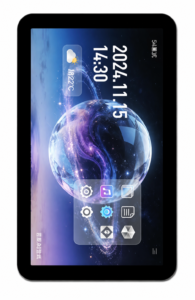
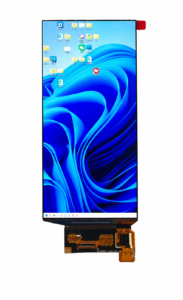
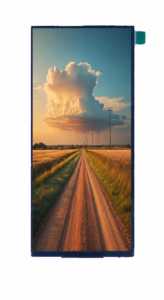
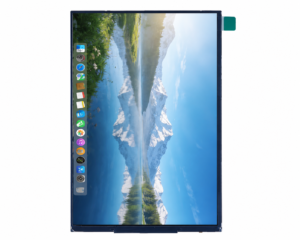
RJYのエンジニアリングチームにご相談いただき、ディスプレイマッチング、コントローラーボードの確認、およびカスタマイズについて話し合ってください。.