¿Enfrenta un cuello de botella en su proyecto de pantalla integrada?
No permita que la integración compleja o los problemas de la cadena de suministro retrasen su tiempo de comercialización. Reserve una consulta gratuita con el equipo experto de RJY para obtener soporte personalizado en diseño y fabricación.
¿De qué está hecha una placa PCB? Materiales, capas y aplicaciones de visualización
Publicado:
Lectura de 14 minutos
Actualizado:
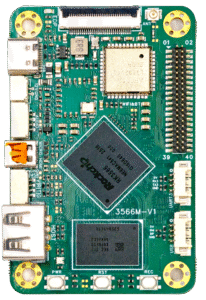
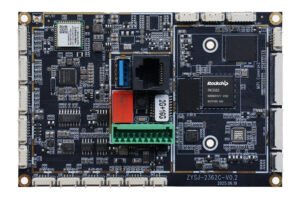
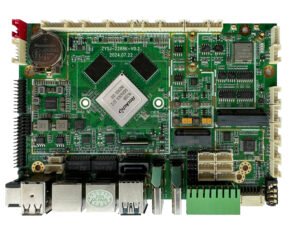
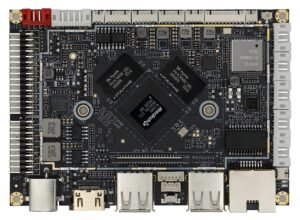
Una placa PCB, o placa de circuito impreso, está fabricada a partir de varias capas de materiales que trabajan juntas para soportar y conectar componentes electrónicos. Una PCB típica incluye un material base aislante, capas conductoras de cobre, máscara de soldadura, marcado de serigrafía, orificios metalizados y un acabado superficial. En una PCB ensamblada, componentes como circuitos integrados, conectores, resistencias, condensadores, LED y dispositivos de potencia se montan sobre la placa.
Para productos de visualización, la selección del material de la PCB es importante porque la placa puede controlar señales LCD, alimentar la retroiluminación, conectar paneles táctiles, gestionar interfaces o formar parte de una placa controladora. Una PCB utilizada en un circuito simple de baja velocidad no tiene los mismos requisitos que una PCB utilizada para aplicaciones MIPI, LVDS, HDMI, USB, control de retroiluminación o placas controladoras Android.
Este artículo explica de qué está hecha una placa PCB, cómo funciona cada material y qué deben entender los compradores B2B al evaluar placas controladoras LCD, módulos de visualización y pantalla personalizada electrónica.
¿Qué es una Placa PCB?
Una placa PCB es una plataforma física que soporta mecánicamente los componentes electrónicos y los conecta eléctricamente a través de pistas de cobre. En lugar de utilizar cables sueltos entre cada componente, el patrón del circuito está integrado en la propia placa.
El término PCB se utiliza a menudo de manera imprecisa. Estrictamente hablando, una PCB desnuda es la placa antes de montar los componentes. Una vez que los componentes electrónicos se sueldan sobre ella, a menudo se denomina ensamblaje de PCB, PCBA o placa de circuito ensamblada.
En los sistemas de visualización, una PCB puede aparecer en varios lugares. Puede ser parte de una placa controladora LCD, una placa controladora de retroiluminación, una placa de control táctil, una placa de alimentación, una placa adaptadora o una placa base integrada. El material y la disposición de la PCB afectan la calidad de la señal, la fiabilidad, la disipación de calor, la durabilidad del conector y la consistencia de fabricación.
Materiales Principales en una Placa PCB
Una PCB rígida estándar generalmente contiene estas categorías principales de materiales:
Sustrato base o laminado
Lámina de cobre o capas de cobre
Material de unión prepreg en placas multicapa
Máscara de soldadura
Tinta de marcado de serigrafía
Acabado superficial en las almohadillas de cobre expuestas
Orificios pasantes metalizados y vías
Componentes electrónicos montados en un ensamblaje de PCB
Cada material tiene una función diferente. El sustrato base proporciona aislamiento y resistencia mecánica. El cobre transporta señales eléctricas y alimentación. La máscara de soldadura protege el patrón de cobre. La serigrafía ayuda a identificar componentes y puntos de prueba. El acabado superficial protege el cobre expuesto y favorece la soldabilidad.
FR-4: El Material Base de PCB Más Común
FR-4 es el material base más común utilizado en muchas PCB rígidas. Es un laminado epoxi reforzado con vidrio. En términos simples, combina tela de fibra de vidrio tejida con resina epoxi para crear un material de placa aislante resistente.
El material base debe soportar el circuito de cobre, resistir el estrés mecánico, proporcionar aislamiento eléctrico y tolerar el calor de fabricación. FR-4 se utiliza ampliamente porque ofrece un equilibrio práctico entre costo, resistencia mecánica, rendimiento de aislamiento y capacidad de fabricación. Sin embargo, FR-4 no es un único nivel de rendimiento. Diferentes materiales FR-4 pueden tener diferentes temperaturas de transición vítrea, propiedades dieléctricas, rendimiento térmico y idoneidad para soldadura sin plomo o señales de alta frecuencia.
Para placas electrónicas ordinarias de baja a media velocidad, el FR-4 estándar puede ser suficiente. Para interfaces de visualización de alta velocidad, diseños con alta demanda de energía o entornos industriales exigentes, se debe revisar más cuidadosamente el grado específico del laminado.
Capas de Cobre: La Parte Conductora de la PCB
El cobre es el principal material conductor en una PCB. Forma las pistas, almohadillas, planos y vías que conectan los componentes electrónicos. El cobre puede aparecer en un lado, en ambos lados o en múltiples capas internas de la placa.
Una PCB simple de una sola cara tiene cobre en un lado. Una PCB de doble cara tiene cobre en ambos lados. Una PCB multicapa tiene capas de cobre dentro de la placa, así como en las superficies exteriores. La construcción multicapa es común cuando un circuito necesita mayor densidad, mejor conexión a tierra, impedancia controlada o separación entre capas de alimentación y señal.
Estructura de capas de material de placa PCB que muestra sustrato FR-4, pistas de cobre, máscara de soldadura, serigrafía, vías y orificios metalizados
En las placas controladoras de visualización, las capas de cobre pueden transportar señales de alta velocidad, rieles de alimentación, planos de tierra, corriente de retroiluminación, señales de interfaz táctil y enrutamiento de conectores. El grosor, el ancho, el espaciado y la disposición de las capas de las pistas de cobre influyen en el rendimiento y la fiabilidad.
Materiales Prepreg y Núcleo en PCB Multicapa
En las PCB multicapa, la placa no es solo una lámina plana. Se construye a partir de capas de núcleo y prepreg. Un núcleo es una capa de laminado curado con cobre. El prepreg es un material de fibra de vidrio impregnado con resina que une las capas durante la laminación.
Durante la fabricación, el calor y la presión unen las capas en una estructura sólida. La disposición final de capas puede incluir capas de señal, planos de tierra, planos de alimentación y capas de impedancia controlada.
Infografía que muestra sustrato FR-4, capa de cobre, máscara de soldadura y materiales de acabado superficial en una placa PCB
Esto es importante para aplicaciones de visualización de alta velocidad y placas controladoras. Interfaces como LVDS, HDMI, USB, eDP y circuitos relacionados con MIPI pueden requerir un diseño cuidadoso de la disposición de capas, control de impedancia, referencia a tierra y enrutamiento de pares diferenciales. El material de la PCB es, por lo tanto, parte del rendimiento de la señal, no solo un soporte mecánico.
Máscara de Soldadura: El Recubrimiento Protector
La máscara de soldadura es el recubrimiento protector de color que se ve comúnmente en las superficies de las PCB. El verde es el color más común, pero la máscara de soldadura también puede ser negra, azul, roja, blanca u otros colores según el proyecto.
La máscara de soldadura cubre la mayoría de las áreas de cobre, dejando expuestas las almohadillas donde se deben soldar los componentes. Ayuda a prevenir puentes de soldadura, protege el cobre de la oxidación, mejora el aislamiento entre pistas y hace que la placa sea más duradera durante la manipulación y el ensamblaje.
En las placas de control de visualización, la calidad de la máscara de soldadura es importante alrededor de conectores de paso fino, pines de CI, conectores FPC, conectores táctiles y áreas de componentes de alta densidad. Un registro deficiente de la máscara de soldadura o una adhesión débil pueden crear problemas de fabricación y fiabilidad.
Serigrafía: La Capa de Marcado Impreso
La serigrafía es la capa de marcado impreso en la PCB. Puede incluir designadores de referencia de componentes, marcas de polaridad, etiquetas de conectores, etiquetas de puntos de prueba, marcas de advertencia, códigos de producción o guías de ensamblaje.
La serigrafía no transporta señales eléctricas. Su valor es práctico. Ayuda a ingenieros, trabajadores de ensamblaje, técnicos de reparación e inspectores de calidad a identificar la disposición de la placa más rápidamente.
Para las placas controladoras, un etiquetado claro de los conectores puede reducir los errores de instalación. Esto es útil cuando una placa incluye conector LCD, conector táctil, entrada de alimentación, salida de retroiluminación, USB, HDMI, LVDS, MIPI, UART, altavoz u otras interfaces.
Acabado Superficial: Protección de las Almohadillas de Cobre Expuestas
El cobre expuesto se oxida fácilmente. Un acabado superficial de PCB protege las almohadillas expuestas y favorece la soldadura. Los acabados superficiales comunes incluyen HASL, HASL sin plomo, ENIG, OSP, plata por inmersión y estaño por inmersión.
La elección afecta la soldabilidad, la vida útil, la planitud, el costo y la idoneidad para componentes de paso fino. Para placas controladoras densas con CI de paso fino, conectores o necesidades de ensamblaje de alta fiabilidad, la selección del acabado superficial puede ser importante.
Los compradores no siempre necesitan especificar el acabado superficial ellos mismos. Sin embargo, si un proyecto involucra conectores de paso fino, almacenamiento prolongado, producción repetida o requisitos de ensamblaje estrictos, el proveedor debe seleccionar y controlar el acabado de manera adecuada.
Vías y Orificios Metalizados
Las vías son orificios metalizados que conectan capas de cobre dentro de una PCB. Permiten que las señales o la alimentación se muevan de una capa a otra. Las vías pasantes atraviesan toda la placa, mientras que las vías ciegas y enterradas se utilizan en placas multicapa más complejas.
Los orificios pasantes metalizados también se utilizan para componentes de montaje pasante, conectores y puntos de montaje mecánico. En muchas placas controladoras de visualización, los conectores y terminales de alimentación pueden requerir un fuerte soporte mecánico y un metalizado fiable.
El diseño de las vías afecta el enrutamiento de señales, la entrega de alimentación, la transferencia de calor y el costo de fabricación. Para placas de alta velocidad o compactas, la ubicación de las vías también puede afectar la integridad de la señal.
Componentes Electrónicos en un Ensamblaje de PCB
Una placa PCB se convierte en un módulo electrónico funcional solo después de que los componentes se ensamblan en ella. Estos componentes pueden incluir:
Microprocesadores o CI controladores
Chips de memoria
CI de gestión de alimentación
CI controladores de retroiluminación
Reguladores de voltaje
Resistencias y condensadores
Osciladores de cristal
Conectores y zócalos FPC
Componentes de interfaz USB, HDMI, LVDS, MIPI, eDP u otros
Circuitos controladores táctiles
Componentes de protección como diodos ESD
Para proyectos de pantallas LCD, la placa ensamblada puede manejar la entrada de imagen, la temporización de la visualización, los datos táctiles, la conversión de alimentación, el comportamiento del firmware, el control de la retroiluminación y la comunicación con el sistema anfitrión.
¿Qué es una Disposición de Capas de PCB?
Una pila de capas de PCB es la disposición de las capas de cobre, las capas aislantes, el prepreg y los núcleos dentro de la placa. El diseño de la pila determina cómo se organizan las señales, la alimentación y la tierra.
Una PCB simple de dos capas puede tener cobre en la parte superior e inferior con FR-4 entre ellas. Una PCB de cuatro capas puede incluir una capa de señal superior, una capa de tierra interna, una capa de alimentación interna y una capa de señal inferior. Las placas más complejas pueden utilizar seis, ocho o más capas.
La pila de capas es importante para las placas controladoras de visualización porque las interfaces como USB, HDMI, LVDS, eDP y las rutas de señal relacionadas con MIPI pueden requerir impedancia controlada y planos de referencia estables. Una pila de capas deficiente puede causar problemas de integridad de la señal incluso cuando el esquema es correcto.
Estructura Común de Materiales de PCB
Parte de la PCB
Material Común
Función Principal
Sustrato base
Laminado epoxi reforzado con vidrio FR-4
Proporciona aislamiento y soporte mecánico
Capa de cobre
Lámina de cobre o cobre electrodepositado
Conduce señales, alimentación y tierra
Prepreg
Fibra de vidrio impregnada de resina
Une las capas en placas multicapa
Máscara de soldadura
Recubrimiento de polímero
Protege el cobre y evita los puentes de soldadura
Serigrafía
Tinta de marcado impresa
Muestra etiquetas, referencias de componentes, polaridad y marcas de montaje
Acabado superficial
ENIG, HASL, OSP, estaño por inmersión u otro acabado
Protege el cobre expuesto y facilita la soldadura
Vías y agujeros metalizados
Cobre electrodepositado dentro de los agujeros
Conecta capas y soporta el montaje de componentes de agujero pasante
PCB Rígida, PCB Flexible y PCB Rígido-Flexible
No todas las PCB son placas rígidas. Diferentes productos electrónicos pueden utilizar PCB rígidas, PCB flexibles o PCB rígido-flexibles.
Una PCB rígida utiliza un material base rígido como FR-4. Esto es común para placas controladoras, placas de alimentación y placas base.
Una PCB flexible, a menudo llamada FPC, utiliza un material base flexible como la poliimida. Las FPC son comunes en módulos LCD, paneles táctiles, módulos de cámara y electrónica compacta donde el circuito debe doblarse o encajar en un espacio limitado.
Una PCB rígido-flexible combina secciones rígidas y secciones flexibles en una estructura integrada. Puede reducir los conectores y mejorar la compacidad, pero generalmente es más cara y requiere un diseño más cuidadoso.
En productos LCD, el módulo de visualización puede incluir un circuito impreso flexible conectado a la celda de vidrio, mientras que la placa controladora puede ser una PCB rígida. La conexión entre la FPC de la pantalla y la placa controladora es un punto de integración común que debe verificarse cuidadosamente.
Materiales de PCB en Placas Controladoras LCD
Una placa controladora LCD no es solo una PCB genérica. Puede necesitar soportar entrada de visualización, conversión de temporización, control de retroiluminación, comunicación táctil, regulación de alimentación, control de firmware e interfaces externas.
Por ejemplo, una placa controladora puede incluir entrada HDMI, táctil USB, salida LVDS, interfaz MIPI, interfaz eDP, audio, salida de retroiluminación o entrada de alimentación. Estas funciones imponen diferentes requisitos sobre el material de la PCB, el número de capas, el enrutamiento, la conexión a tierra, la colocación de conectores y la selección de componentes.
Si la placa transporta señales diferenciales de alta velocidad, el material de la PCB y la pila de capas deben soportar una impedancia controlada. Si maneja la alimentación de la retroiluminación, el ancho del cobre y el diseño térmico son importantes. Si se conecta a una FPC, la selección del conector y la estabilidad mecánica son importantes.
Cómo Afecta el Material de la PCB al Rendimiento de la Pantalla
El material y el diseño de la PCB pueden afectar indirectamente al rendimiento de la pantalla. Un diseño de PCB deficiente puede causar alimentación inestable, ruido en la señal, conexión a tierra débil, problemas de conector, parpadeo de la retroiluminación, interferencia táctil o fallo de inicialización de la pantalla.
Ilustración de pila de capas de PCB multicapa que muestra capas de señal, plano de tierra, plano de alimentación, vías y enrutamiento de pantalla con impedancia controlada
Para interfaces de pantalla de alta velocidad, la integridad de la señal es especialmente importante. La placa debe enrutar las señales con la impedancia, el espaciado, el control de longitud, los planos de referencia y la conexión a tierra adecuados. El laminado seleccionado, el grosor del cobre, la pila de capas y la estructura del conector contribuyen al resultado final.
Para proyectos industriales o equipos a largo plazo, la PCB también debe soportar una fabricación estable y una producción repetible. Los cambios de material, los cambios en la pila de capas, las sustituciones de conectores o las alternativas de componentes no controladas pueden afectar la consistencia.
Material de PCB y Gestión Térmica
Las PCB también juegan un papel en la gestión térmica. El cobre conduce el calor además de la electricidad. Áreas de cobre más anchas, planos de cobre, vías térmicas y el diseño de la placa pueden ayudar a distribuir el calor lejos de los componentes de potencia.
Las placas controladoras de visualización pueden incluir reguladores de potencia, circuitos de control de retroiluminación, procesadores, memoria y chips de interfaz. Estos componentes pueden generar calor. Si el diseño térmico es débil, la placa puede volverse inestable o afectar la fiabilidad a largo plazo.
Para pantallas de alta luminosidad, el control de la retroiluminación es una consideración térmica importante. El diseño de la PCB y la placa controladora deben revisarse junto con el requisito de luminosidad, la corriente de retroiluminación, la estructura de la carcasa y el entorno operativo.
Materiales de PCB y Cumplimiento Normativo
Los materiales y ensamblajes de PCB pueden necesitar cumplir con las restricciones regionales de materiales. RoHS es uno de los requisitos más comunes para equipos eléctricos y electrónicos en muchos mercados. Restringe ciertas sustancias peligrosas como plomo, mercurio, cadmio, cromo hexavalente, PBB, PBDE y varios ftalatos.
El cumplimiento no debe asumirse basándose solo en la apariencia. Los compradores deben confirmar si la placa específica, los componentes, el proceso de soldadura, el acabado superficial, el cable, el conector y el módulo de pantalla cumplen con los requisitos aplicables para el producto final y el mercado objetivo.
Para proyectos B2B, la documentación es importante. Si el producto final se vende en Europa, América del Norte, Japón, Corea del Sur u otros mercados regulados, el comprador debe aclarar qué declaraciones de materiales o documentos de cumplimiento se requieren antes de la producción en masa.
Tipos Comunes de Placas PCB por Número de Capas
Tipo de PCB
Estructura
Uso típico
PCB de una sola cara
Cobre en un solo lado
Circuitos simples de bajo coste
PCB de doble cara
Cobre en ambos lados
Circuitos de complejidad moderada
PCB de cuatro capas
Capas de señal externas más capas internas de alimentación o tierra
Placas controladoras, electrónica compacta, mejor enrutamiento de señales
PCB de seis capas o superior
Múltiples capas de señal, alimentación y tierra
Placas de alta densidad, alta velocidad o basadas en procesadores
Flexible PCB
Material base flexible y trazas de cobre
FPC para LCD, paneles táctiles, conexiones compactas
PCB rígido-flexible
Áreas rígidas y flexibles combinadas
Dispositivos compactos con restricciones mecánicas complejas
¿Qué deben verificar los compradores en una PCB o placa controladora?
Al evaluar una placa PCB o una placa controladora de LCD, los compradores deben ir más allá del nombre del material de la placa. La PCB debe cumplir con los requisitos eléctricos, mecánicos, térmicos y de cumplimiento normativo del producto completo.
Las preguntas útiles incluyen:
¿Cuál es el número de capas de la PCB?
¿Qué material base se utiliza?
¿El diseño requiere impedancia controlada?
¿Qué interfaz de pantalla admite la placa?
¿La placa admite la resolución y sincronización de LCD requeridas?
¿Qué conectores se utilizan para el LCD, el panel táctil y la entrada de alimentación?
¿Cuáles son los requisitos de voltaje y corriente de la retroiluminación?
¿La placa requiere personalización del firmware?
¿Es la placa adecuada para el entorno operativo objetivo?
¿Se requieren documentos de cumplimiento de materiales?
¿La placa se vende por separado o como parte de una solución de pantalla?
Malentendidos comunes sobre los materiales de PCB
Un malentendido es que todas las PCB son iguales si utilizan FR-4. En realidad, los materiales FR-4 varían en rendimiento térmico, comportamiento dieléctrico, nivel de confiabilidad e idoneidad para ensamblaje sin plomo o señales de alta velocidad.
Otro malentendido es que el color de la PCB indica rendimiento. El color de la máscara de soldadura verde, negro, azul, rojo o blanco no define automáticamente la calidad eléctrica de la placa. El grado del material, la pila de capas, el grosor del cobre, el proceso de fabricación y el control de inspección son más importantes.
Un tercer malentendido es que las placas más gruesas siempre son mejores. El grosor de la placa debe coincidir con el conector, la estructura mecánica, el requisito de impedancia y el método de ensamblaje del producto. Una placa más gruesa puede ser más resistente, pero no es automáticamente mejor para cada diseño.
Un cuarto malentendido es que solo la PCB determina la confiabilidad. La confiabilidad depende del material de la placa, el diseño, los componentes, la soldadura, los conectores, el diseño térmico, el comportamiento del firmware, el gabinete y las condiciones operativas reales.
Cómo se aplica esto a los proyectos de RJY Display
Para los proyectos de RJY Display, los materiales de PCB son especialmente relevantes cuando un cliente necesita una placa controladora de LCD, Placa de control Android, una placa adaptadora de pantalla, una solución de pantalla con táctil o soporte de firmware personalizado.
Un proyecto de pantalla puede involucrar un módulo LCD TFT, FPC, panel táctil, retroiluminación, vidrio de cubierta, placa controladora, firmware, estructura de carcasa y placa principal del cliente. La PCB es una parte de este sistema, pero puede afectar el éxito de toda la integración.
Cuando un proyecto involucra interfaces como HDMI, VGA, LVDS, MIPI, eDP, USB, RGB, SPI o control táctil, la placa debe revisarse según el panel real, la resolución, la sincronización, la definición del conector, el requisito de retroiluminación y el entorno de software.
Soporte de ingeniería de RJY Display para integración de pantallas basadas en PCB
RJY Display admite módulos TFT LCD, placas controladoras y pantalla personalizada Discusiones de soluciones para proyectos impulsados por ingeniería. Las placas controladoras pueden discutirse por separado o junto con módulos LCD compatibles según los requisitos del proyecto.
Si su proyecto necesita un módulo de pantalla, placa controladora, soporte táctil, adaptación de firmware o coincidencia de interfaz, prepare el tamaño del LCD, la resolución, la interfaz, el modelo del panel, la definición de pines, el requisito de retroiluminación, el requisito táctil, el sistema operativo, el entorno de aplicación y la demanda esperada.
Una placa PCB está hecha de más de un material. Una PCB típica incluye un material base aislante como FR-4, capas conductoras de cobre, prepreg en placas multicapa, máscara de soldadura, serigrafía, acabado superficial, vías, orificios chapados y componentes electrónicos cuando está ensamblada.
Para proyectos de pantallas y placas controladoras, la selección del material de PCB afecta más que el costo. Puede influir en la integridad de la señal, la entrega de energía, la gestión del calor, la confiabilidad del conector, la integración del firmware, el cumplimiento normativo y la consistencia de producción a largo plazo.
La mejor elección de PCB o placa controladora depende de la aplicación completa. El tamaño de la pantalla, la resolución, la interfaz, el requisito de retroiluminación, la función táctil, el diseño de la placa controladora, la estructura mecánica, el entorno operativo y los requisitos de cumplimiento deben revisarse antes de la selección final.
Preguntas frecuentes
¿De qué está hecha una placa PCB?
Una placa PCB generalmente está hecha de un sustrato aislante, capas conductoras de cobre, máscara de soldadura, serigrafía, acabado superficial, vías y orificios chapados. Una vez ensamblada, también incluye componentes electrónicos como CI, resistencias, condensadores y conectores.
¿Qué es FR-4 en una PCB?
FR-4 es un laminado epoxi reforzado con vidrio común utilizado como material base aislante en muchas PCB rígidas. Proporciona soporte mecánico y aislamiento eléctrico para los circuitos de cobre.
¿Por qué se utiliza cobre en las placas PCB?
El cobre se utiliza porque conduce bien la electricidad. Forma las trazas, almohadillas, planos de alimentación, planos de tierra y vías que conectan los componentes en la placa.
¿Qué es la máscara de soldadura en una PCB?
La máscara de soldadura es el recubrimiento protector en la superficie de la PCB. Cubre la mayoría de las áreas de cobre, ayuda a prevenir puentes de soldadura, mejora el aislamiento y protege el cobre de la oxidación.
¿Cuál es la diferencia entre una PCB y una PCBA?
Una PCB es la placa de circuito impreso desnuda. Una PCBA, o ensamblaje de placa de circuito impreso, es la placa después de que los componentes electrónicos se han montado y soldado.
¿Todas las placas PCB están hechas de FR-4?
No. FR-4 es muy común, pero las PCB también pueden usar otros materiales como poliimida para circuitos flexibles, sustratos de núcleo metálico para aplicaciones térmicas o laminados de alta frecuencia para diseños especializados de RF y alta velocidad.
¿Por qué importa el material de PCB para las placas controladoras de LCD?
El material y la pila de capas de la PCB afectan el enrutamiento de señales, el control de impedancia, la gestión del calor, la estabilidad de la alimentación, la confiabilidad del conector y la consistencia a largo plazo. Estos factores son importantes para las placas controladoras de LCD y los circuitos de interfaz de pantalla.
¿Aún no sabe qué pantalla se adapta a su proyecto?
Hable con el equipo de ingeniería de RJY para obtener asesoramiento sobre compatibilidad de pantallas, revisión de placas controladoras y discusión sobre personalización.