Facing a bottleneck in your Embedded Display Project?
Don’t let complex integration or supply chain issues slow your time-to-market. Book a free consultation with the RJY expert team for tailored design and manufacturing support.


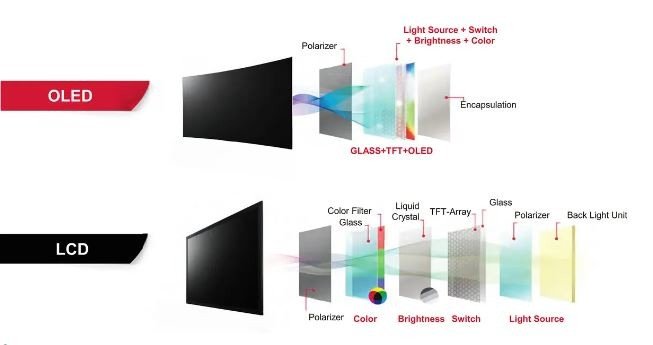
IPS vs OLED displays is one of the most critical considerations. These two technologies differ fundamentally in structure, illumination, and performance. As a result, they lead to vastly different behaviors when deployed in real-world environments. For organizations developing long-life products in complex operating conditions, understanding these differences — and how they translate to product success or failure — is essential.
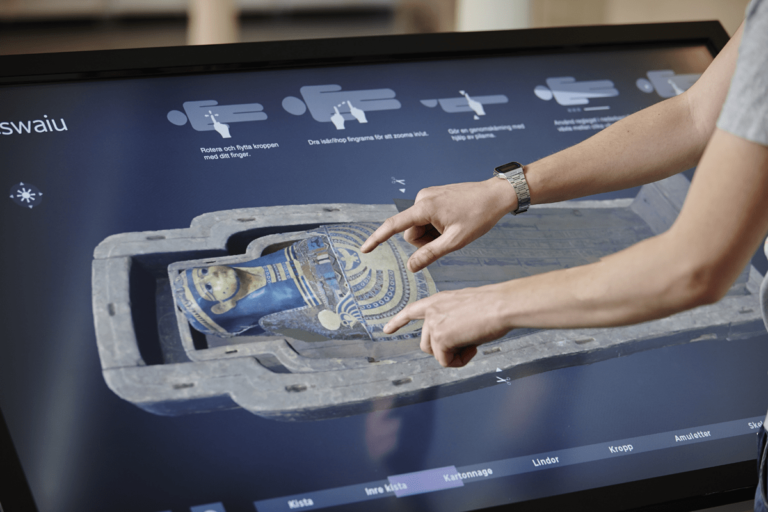
In the world of embedded systems, industrial interfaces, and consumer electronics, the TFT LCD display module is more than just a screen—it’s the heart of the user experience. Selecting the right display module can significantly impact your product's performance, power consumption, durability, and cost. With the rapid evolution of display technologies, knowing how to choose the right module is both a strategic and technical decision.
This comprehensive guide will walk you through everything you need to know about choosing a TFT LCD display module, from basic structure to advanced integration considerations.
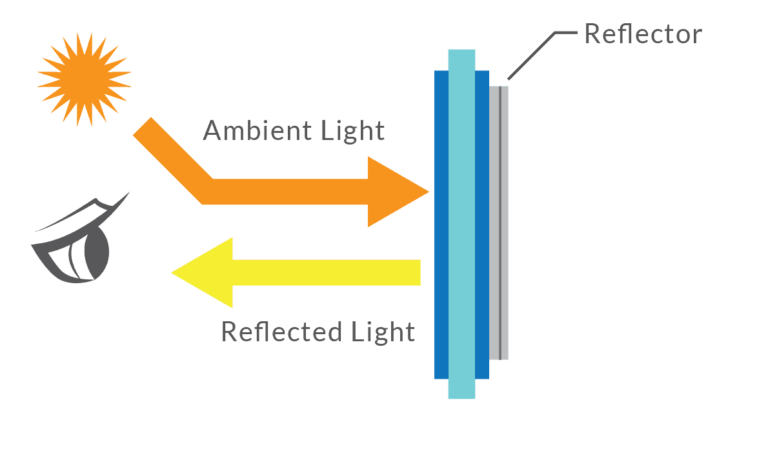
A reflective LCD display is a specialized liquid crystal display type that uses ambient light instead of backlighting, offering excellent energy efficiency, sunlight readability, and ruggedness. Its unique structure—comprising an internal mirror or reflective layer—makes it ideal for outdoor, battery-powered, or industrial applications.

Keeping your clear LCD display clean isn’t just about looks—it’s about performance, longevity, and safety. Whether it’s your industrial touchscreen monitor, a medical device, or your favorite home gadget, knowing the proper way to clean an LCD screen helps avoid smudges, scratches, or even permanent damage.
In this guide, we’ll walk you through how to clean an LCD display effectively and safely, using proper tools, proven techniques, and a few pro tips to keep your screens looking flawless.
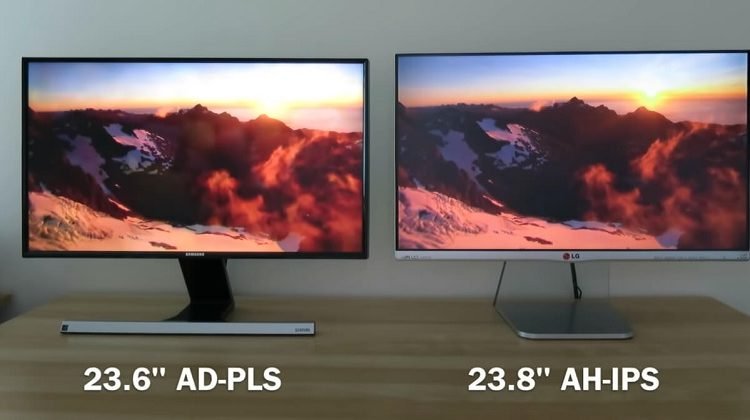
If you've ever browsed tech specs for a new monitor or device, chances are you've seen terms like IPS, PLS, or even ADS thrown around. They often appear together, and they seem similar—but are they really the same?
The short answer: not exactly.
The longer, more useful answer? Let’s break down what a PLS screen is, how it compares to IPS panels, and what the technical and real-world implications are for developers, designers, and everyday users.

In display engineering, bistable display technology is something of a quiet revolution. While most displays—LCDs, OLEDs, and microLEDs—require continuous refresh and power to maintain an image, bistable displays defy that rule. They can retain an image for hours, days, or even weeks without consuming additional energy.
But what does “bistable” really mean in this context?
Simply put, a bistable display has two stable states. Once you set the image—whether that’s a barcode, a number, or a block of text—it stays there without needing electricity to maintain it. Power is only required when the content changes.
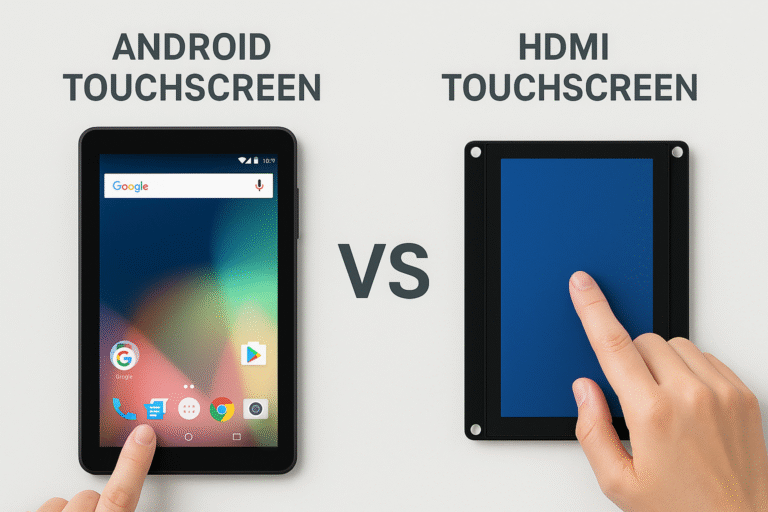
Android touch and HDMI touch screens can coexist, and they’re already doing so in various industrial, retail, and consumer environments. However, this dual functionality doesn’t come automatically—it depends on hardware support, USB recognition, and driver availability.
With the rise of modular displays and touchscreens powered by HDMI + USB, Android systems have evolved to support external touch inputs alongside built-in touch screens. Let’s break down how this actually works.
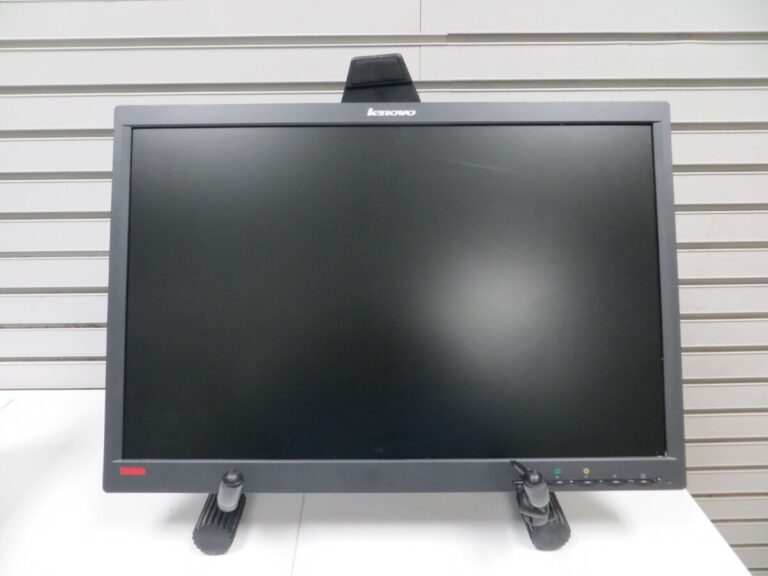
Twisted Nematic (TN) LCD technology has long been a cornerstone of the display industry, offering a reliable, cost-effective solution for applications where speed and simplicity are prioritized. This article explores how TN LCDs work, their advantages and drawbacks, and how they compare to other display technologies.
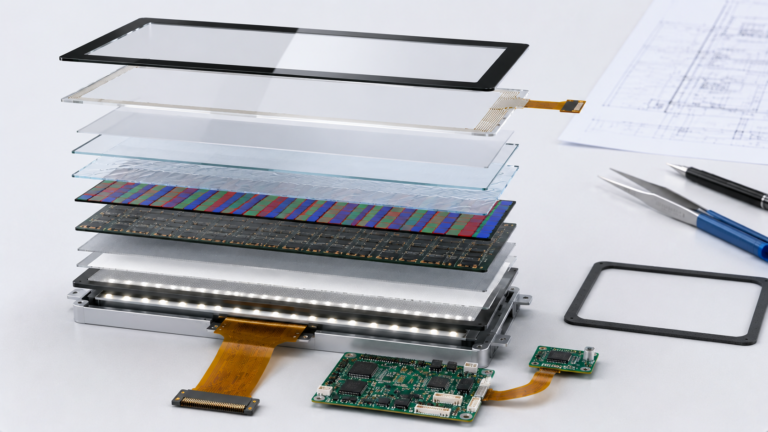
Modern LCDs are intricate assemblies of precise optical, electronic, and structural elements. Understanding the parts of an LCD not only clarifies how these displays work—but also helps engineers and buyers select the right configuration for their application.
From polarizers and glass substrates to TFT arrays and touch layers, here’s a clear breakdown of what makes up an LCD module—and why each element matters.