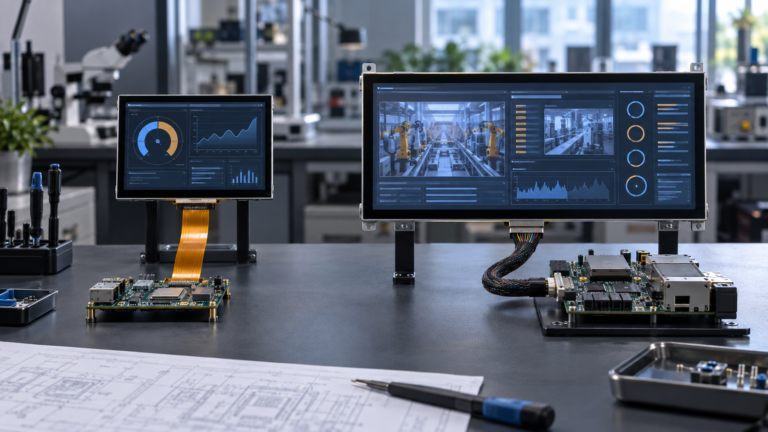
Столкнулись с трудностями в проекте встраиваемого дисплея?
Не позволяйте сложной интеграции или проблемам цепочки поставок замедлить ваш выход на рынок. Забронируйте бесплатную консультацию с экспертной командой RJY для получения индивидуальной поддержки в проектировании и производстве.
TFT LCD модуль с сенсорным экраном: Проверенное руководство по закупкам на 2026 год
Ориентируетесь на рынке дисплеев в 2026 году? Ознакомьтесь с нашим исчерпывающим руководством по закупкам TFT LCD-модулей с сенсорным экраном. Узнайте о тенденциях в области пользовательских емкостных сенсорных экранов, рисках в цепочке поставок и выборе промышленных интегральных схем.
Published:
15 минут чтения
Updated:
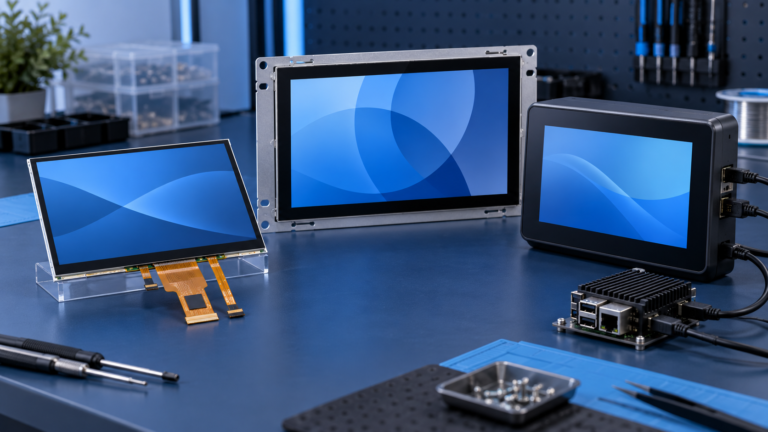
Модуль TFT ЖК-дисплея с сенсорным экраном не является единым взаимозаменяемым компонентом. Это согласованная сборка, содержащая ЖК-дисплей, сенсорный датчик, контроллер сенсора, материал защитного стекла, структуру склеивания, гибкие печатные кабели дисплея и сенсора, интерфейсы хост-системы, драйверы, встроенное ПО и механическое крепление.
Это различие имеет значение при выборе продукта. Дисплей может отображать правильное изображение, в то время как координаты сенсора повернуты. Контроллер сенсора может взаимодействовать с хост-системой, но становиться ненадежным за финальным защитным стеклом. Модуль может подходить по переднему проему, но его два гибких кабеля могут конфликтовать с печатной платой или опорами корпуса.
Поэтому процесс выбора должен начинаться с приложения, пользовательского ввода, хост-платформы и механической конструкции. Емкостный или резистивный сенсор важен, но это лишь одно из решений в рамках всей системы.
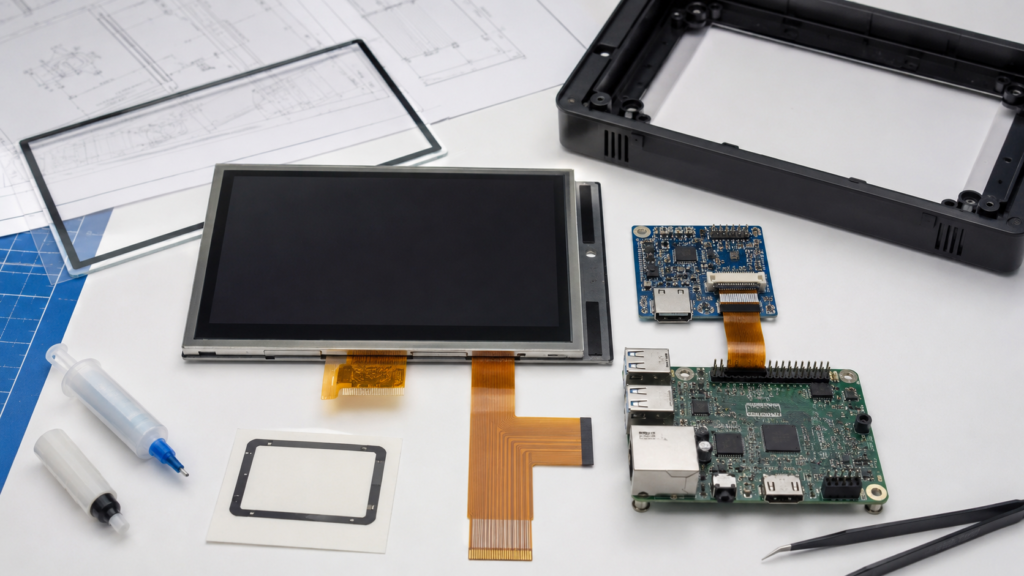
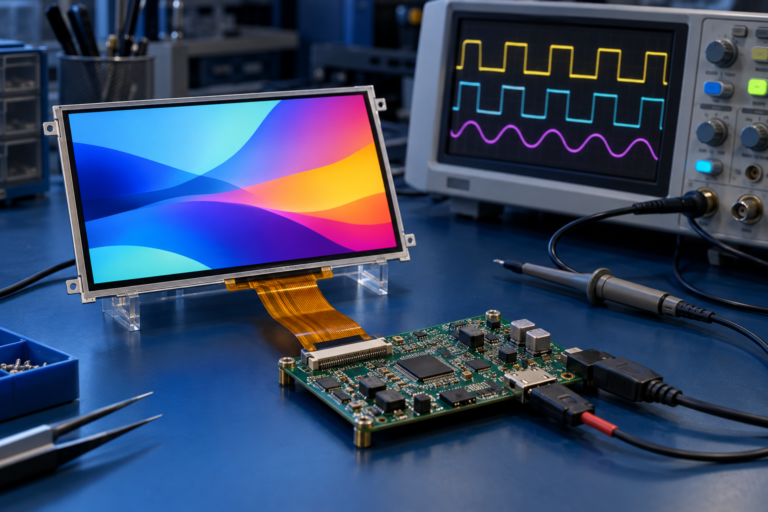
TFT ЖК-модуль с сенсорным экраном, контроллером, защитным стеклом, кабелями FPC, хост-платой и корпусом
Понимание полной сенсорной сборки дисплея
Функции дисплея и сенсора обычно следуют по отдельным электрическим путям. Они должны быть заданы по отдельности, а затем проверены совместно.
Элемент системы
Основная функция
Что необходимо подтвердить
TFT LCD-модуль
Формирует изображение
Активная область, разрешение, собственная синхронизация, интерфейс, питание, подсветка, FPC, драйверный ИС и инициализация
Сенсорный датчик
Обнаруживает палец, стилус или другой поддерживаемый ввод
Технология, активная область, структура электродов, поддерживаемые инструменты ввода, стекло защитного покрытия и поведение в окружающей среде
Сенсорный контроллер
Измеряет датчик и передает координаты или события касания
Модель контроллера, встроенное ПО, интерфейс хост-системы, напряжение, прерывание, сброс, количество контактов и поддержка драйверов
Защитное стекло или передняя линза
Обеспечивает готовую переднюю поверхность и защищает датчик
Материал, толщина, контур, печать, обработка поверхности, отверстие, детали кромки и область адгезии
Структура склеивания
Соединяет или разъединяет ЖК-дисплей, датчик и защитное стекло
Метод склеивания, оптический вид, зазор, клей, допуски, возможность переделки и экологические требования
Хост-система
Управляет изображением и принимает сенсорный ввод
Вывод дисплея, сенсорный ввод, драйверы, операционная система, ориентация, питание, режимы сна, пробуждения и восстановления
Продукт, описанный только как “7-дюймовый емкостный дисплей”, оставляет большинство этих решений неопределенными. Полезное коммерческое предложение и утверждение образца должны идентифицировать полную конфигурацию.
Выбор между проекционно-емкостным (PCAP) и резистивным сенсорным экраном
Проекционно-емкостный сенсор (обычно называемый PCAP или PCT) и резистивный сенсор используют разные принципы измерения. Правильный выбор зависит от предполагаемого инструмента ввода, конструкции защитного стекла, окружающей среды, пользовательского интерфейса, программного обеспечения хост-системы и требований к валидации.
Область решения
Проекционно-емкостный сенсор
Резистивный сенсор
Принцип ввода
Обнаруживает изменения в емкостном поле датчика
Обнаруживает контакт между резистивными слоями при приложении давления
Типичный ввод
Палец и другие вводы, поддерживаемые выбранной конфигурацией датчика и контроллера
Палец, пассивный стилус или другой объект, способный приложить подходящее давление
Мультитач
Доступен при поддержке датчиком, контроллером, встроенным ПО, драйвером и операционной системой
Зависит от конкретной резистивной технологии и контроллера; обычные четырехпроводные системы часто используются для одноконтактного ввода
Передняя поверхность
Может быть размещена за заданной структурой защитного стекла
Требует конструкции, способной механически регистрировать давление на сенсорных слоях
Основные технические риски
Толщина защитного стекла, геометрия датчика, заземление, шум дисплея, поведение при влажности, требования к перчаткам и настройка
Поведение механического слоя, порог давления, износ поверхности, калибровка, установка и преобразование контроллера
Наилучшая основа для выбора
Требования к жестам и мультиконтактному вводу, дизайн передней линзы, ожидания пользователей и подтвержденные экологические характеристики
Требования к инструменту ввода, работа на основе давления, структура пользовательского интерфейса, механическая долговечность и подтвержденные экологические характеристики
Texas Instruments описывает четырехпроводной резистивный экран как два прозрачных резистивных слоя, разделенных изолирующими прокладками. Местоположение касания определяется по изменениям сопротивления в месте нажатия на экран, а соответствующий контроллер может измерять координаты X/Y и давление касания.[2]
PCAP не следует выбирать только потому, что он новее, а резистивный сенсор не следует отвергать только потому, что это более старая технология. Решение должно основываться на требуемом взаимодействии с пользователем и доступных данных для предлагаемой конфигурации.
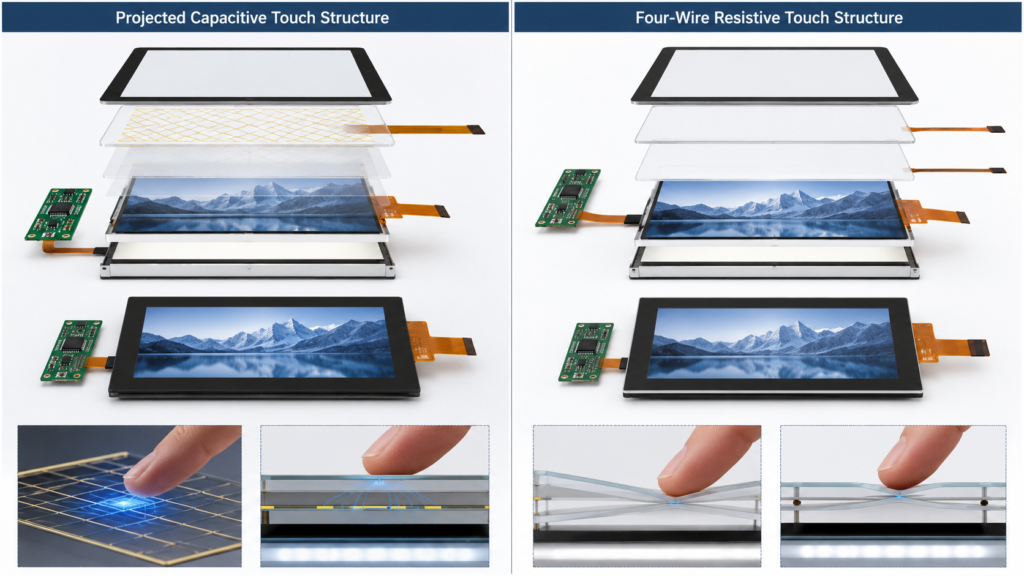
Структуры проекционно-емкостного и резистивного сенсорного ввода для TFT ЖК-модулей
Такие термины, как “мультитач”, “управление в перчатках”, “работа во влажной среде” и “поддержка стилуса”, являются неполными, если они не связаны с приёмочным испытанием.
Требования к сенсорному вводу
Вопросы для определения
Количество точек касания
Сколько одновременных точек касания должно распознавать приложение и какие жесты их используют?
Инструмент ввода
Будут ли пользователи управлять устройством голым пальцем, указанной перчаткой, пассивным стилусом, активным стилусом или другим инструментом?
Размер сенсорных целей
Каковы минимальные размеры элементов управления и могут ли пользователи активировать их на предполагаемом расстоянии просмотра и работы?
Поведение у края
Должны ли элементы управления работать вблизи рамки, печатной границы или изогнутого края корпуса?
Условия воздействия влаги
Является ли требование касанием отдельных капель, конденсата, чистящей жидкости, непрерывного воздействия или работы во влажном состоянии?
Подавление ложных касаний
Как система должна реагировать на касания ладонями, рукавами, воду, контакт с корпусом или электрические помехи?
Поведение отклика
Какая задержка и поведение отчёта требуются приложением, а не общей спецификацией сенсорного ввода?
Тестируйте реальный рабочий процесс. Контроллер, сообщающий о нескольких касаниях, не доказывает, что готовое устройство может надёжно выполнять требуемые жесты за финальным защитным стеклом и в предполагаемых условиях эксплуатации.
Согласование активной области сенсора с ЖК-дисплеем и защитным стеклом
Активная область ЖК-дисплея, область сенсорного датчика, отверстие в защитном стекле, печатная граница, рамка корпуса и сообщаемый диапазон координат должны оставаться согласованными.
На механическом чертеже должны быть указаны:
Активная область и область просмотра ЖК-дисплея
Активная область сенсора и контур датчика
Контур защитного стекла, отверстие, печать и обработка кромки
Зона склеивания или адгезива
Расположение шлейфов дисплея и сенсора
Положения разъёмов и ориентация контактов
Запретные зоны для компонентов и кабелей
Базовые точки и допуски сборки
Датчик, слегка смещённый относительно дисплея, может создавать неточный ввод по краям, даже если центральные координаты кажутся правильными. Аналогично, непрозрачная печатная граница может скрывать пиксели или сенсорные цели, если отверстие в защитном стекле не согласовано с пользовательским интерфейсом.
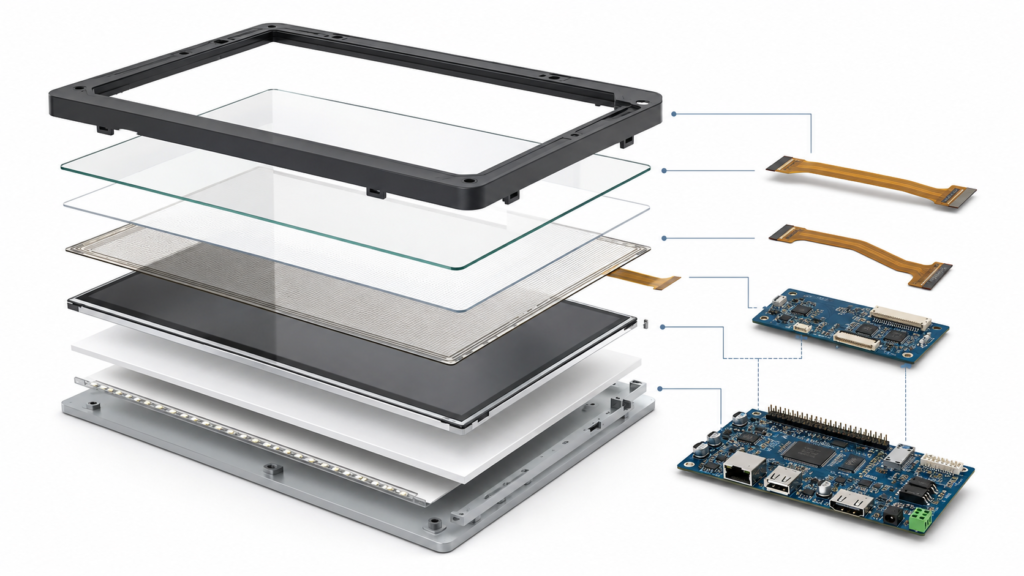
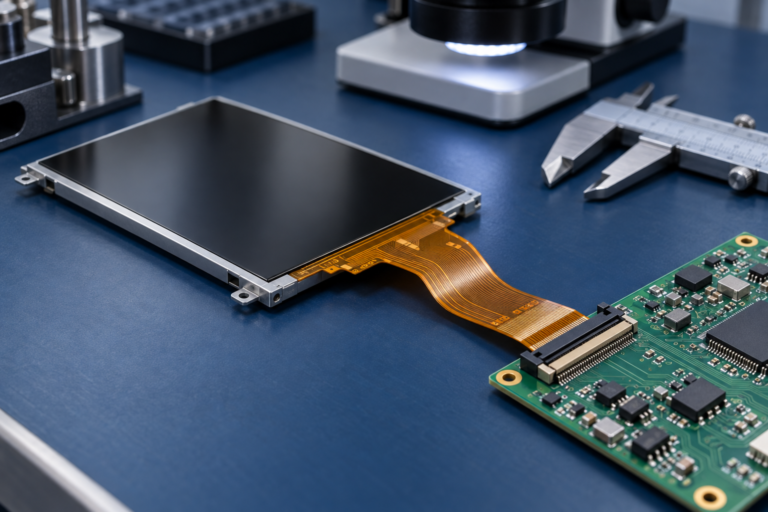
Полная сборка TFT сенсорного дисплея, включающая ЖК-дисплей, датчик, контроллер, защитное стекло, склеивание и отдельные шлейфы
Перед утверждением оснастки проверьте чертёж совместно с CAD-моделью корпуса, размещением печатной платы и полноразмерным макетом пользовательского интерфейса.
Рассмотрение защитного стекла как части сенсорного датчика
Защитное стекло — это не только косметический компонент. Его толщина, диэлектрические свойства, область печати, покрытия, адгезив, воздушные зазоры и расстояние до датчика могут влиять на производительность сенсорного ввода.
Руководство по проектированию емкостного сенсорного ввода от Microchip объясняет, что более толстое защитное стекло увеличивает расстояние между пальцем и электродом датчика, снижая ёмкость и чувствительность касания. В нём также описывается геометрия электродов как один из способов компенсации изменённого поля.[3]
Требования к защитному стеклу
Engineering Impact
Большая толщина
Изменяет чувствительность и может потребовать согласованной конструкции датчика и контроллера
Индивидуальный контур
Влияет на посадку в передней части корпуса, зону адгезива, зазор по краю и оснастку
Печатная граница
Должна быть согласована с ЖК-дисплеем, датчиком, сенсорными целями и отверстием дисплея
Обработка поверхности
Требует проверки оптического вида, очистки, тактильных ощущений и соответствующей валидации
Изогнутая или ступенчатая геометрия
Требует подтверждения, что доступный датчик и процесс склеивания поддерживают предлагаемую структуру
Материал, указанный заказчиком
Требует чертежей, определения материала, допусков, критериев внешнего вида и валидации сенсорного ввода
Не утверждайте индивидуальное защитное стекло независимо, предполагая, что существующая прошивка сенсора останется действительной. Оценивайте всю комбинацию: линзу, датчик, контроллер, адгезив, корпус, заземление и конфигурацию программного обеспечения.
Выбор структуры склеивания для изделия
Сенсорный датчик может быть соединён с ЖК-дисплеем или защитным стеклом с помощью различных схем адгезива и склеивания. Наилучшая структура зависит от оптических требований, конструкции модуля, воздействия окружающей среды, ремонтопригодности, производственных возможностей и стоимости.
Способ склеивания
Потенциальные преимущества
Параметры для валидации
Крепление по периметру или с помощью ленты с воздушным зазором
Может обеспечить более простую сборку и облегчить разделение компонентов
Отражения, внутреннее загрязнение, механические зазоры, следы давления, юстировка, герметизация и долгосрочное поведение адгезива
Оптическое склеивание
Может уменьшить количество внутренних воздушных границ и создать более интегрированную оптическую и механическую структуру
Совместимость материалов, пузырьки, частицы, визуальные критерии, выход годного при производстве, возможность переделки, поведение при перепадах температур и производительность сенсорного ввода
Обеспечивает определённую конфигурацию ЖК-дисплея, датчика, контроллера и склеивания
Точная ревизия, доступность, соответствие защитному стеклу, поддержка контроллера, механический контур и утверждённая документация
Оптическое склеивание не требуется автоматически для каждого серьёзного продукта, и само по себе оно не доказывает читаемость на солнце, герметизацию от окружающей среды, ударопрочность или надёжность изделия. Эти требования требуют отдельных определений и валидации.
Подтверждение контроллера сенсора и интерфейса хост-системы
Сенсорный контроллер преобразует измерения датчика в координаты или события ввода, которые может использовать хост-система. Его выбор влияет на поддерживаемые касания, режим сканирования, прошивку, интерфейс, питание, логику прерываний, сброс, адаптацию к окружающей среде и интеграцию с операционной системой.
Перед утверждением контроллера подтвердите следующее:
Точная модель контроллера и версия встроенного ПО
Совместимость датчика и контроллера
Интерфейс ведущего устройства, например I2C, USB или SPI
Требования к логическому напряжению и питанию
Сигналы сброса, прерывания, пробуждения и сна
Поддерживаемое поведение контактов и устройств ввода
Наличие драйвера для выбранной ведущей платформы
Конфигурация встроенного ПО и ответственность за обновление
Диапазон координат, разрешение, ориентация и калибровка
Процедура замены и замены контроллера
Примечание NXP к системе отображения MIPI DSI поясняет, что интерфейс ЖК-дисплея сам по себе не обеспечивает функциональность полного модуля. В нем отдельно указаны требования к управлению подсветкой и отмечено, что некоторые сенсорные панели требуют I2C или SPI.[4]
Это разделение применимо и за пределами MIPI. ЖК-дисплей может получать данные изображения через RGB, LVDS, eDP, HDMI или другой маршрут, в то время как сенсорный контроллер взаимодействует через другой интерфейс.
Проверка драйверов, координат, ориентации и связи с дисплеем
Распознавание сенсорного контроллера ведущим устройством не доказывает, что ввод правильно сопоставлен с отображаемым изображением. Операционная система или приложение должны связать устройство с правильным дисплеем и преобразовывать сообщаемые координаты при необходимости.
Документация Android по сенсорным устройствам различает прямые сенсорные экраны, тачпады и указатели, использует свойства ввода и файлы конфигурации для классификации устройств и поддерживает учитывающую ориентацию ротацию координат при изменении ориентации дисплея.[5]
Программный элемент
Вопрос валидации
Распознавание устройства
Идентифицирует ли финальный образ операционной системы контроллер стабильно после холодной загрузки и повторного подключения?
Связь с дисплеем
Назначается ли сенсорное управление нужному дисплею, если в системе более одного экрана?
Сопоставление осей
Правильны ли направление X и Y, начало координат, масштабирование и диапазон?
Поворот
Следуют ли сенсорные координаты за дисплеем после поворота на 90, 180 или 270 градусов?
Загрузка и восстановление
Работает ли сенсорное управление в режимах запуска, восстановления, диагностики и приложений, где это требуется?
Сон и пробуждение
Входит ли контроллер в заданное состояние питания и выходит из него без потери ввода или ложных срабатываний?
Версия встроенного ПО
Привязана ли утвержденная конфигурация сенсорного управления к контролируемой версии встроенного ПО контроллера?
Проектирование с учетом электрических помех и заземления
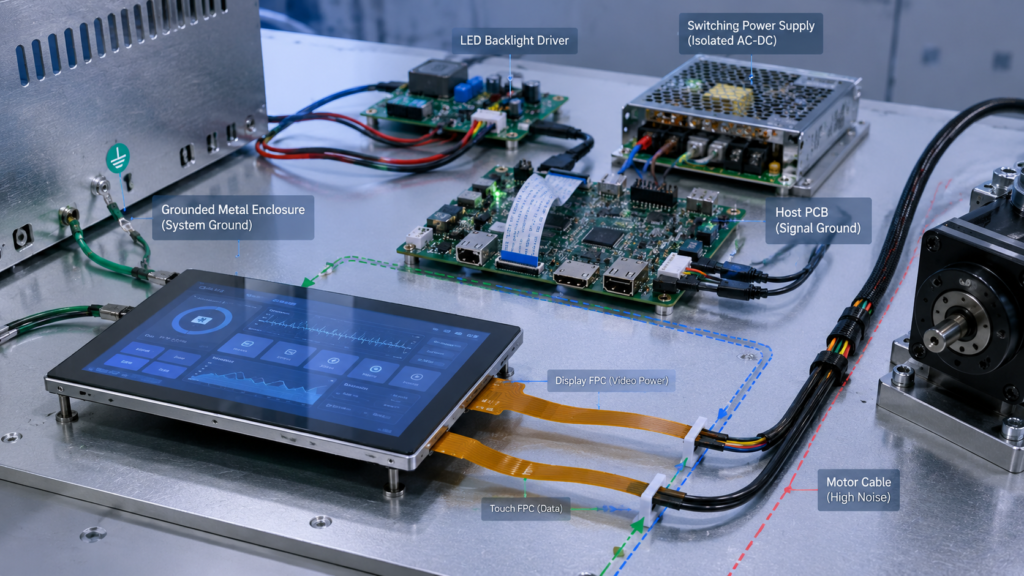
Емкостный сенсорный датчик работает как часть полной электрической системы. Сигналы дисплея, драйверы светодиодной подсветки, импульсные источники питания, двигатели, зарядные устройства, кабели, заземление корпуса и близлежащие проводники могут влиять на сигнальную среду.
Рекомендации по электрическим помехам, заземлению, подсветке, питанию и кабелям для емкостного сенсорного дисплея
Рекомендации Microchip по проектированию описывают компромиссы между чувствительностью, помехоустойчивостью, подавлением воды, энергопотреблением и задержкой сенсорного ввода. Также отмечается, что экранирование может предотвратить непреднамеренную активацию, но может изменить нагрузку датчика или чувствительность.[3]
Инженерный обзор должен включать:
Топология источника питания и пульсации
Частота переключения подсветки и прокладка кабеля
Разделение гибких печатных плат (FPC) дисплея и сенсорного управления
Опорное заземление между сенсорным контроллером и ведущим устройством
Структура заземления покровного стекла и корпуса
Расположение металлической рамки или опор вблизи датчика
Рабочие состояния зарядного устройства, двигателя, реле, инвертора или радио
Производственная длина кабелей и фиксация разъемов
Настройка сенсорного контроллера, используемая в утвержденном образце
Стендового тестирования с использованием лабораторного источника питания недостаточно, если конечный продукт содержит другие силовые электронные компоненты, кабели, двигатели или материалы корпуса. Повторите валидацию сенсорного управления в собранном оборудовании при репрезентативных рабочих состояниях.
Преобразование экологических требований в проверяемые технические условия
“Промышленный сенсорный экран”, “медицинский сенсорный экран”, “сенсорный экран для наружного применения” и “автомобильный сенсорный экран” не определяют универсальные спецификации. Каждая метка должна быть переведена в измеримые условия, соответствующие готовому оборудованию.
Область среды
Требование к определению
касания
Пределы эксплуатации и хранения, условие запуска, продолжительность воздействия, а также приемлемое поведение дисплея и сенсорного управления
Влажность
Капли, конденсат, очистка, непрерывное воздействие, рабочее состояние, ответственность за герметизацию и критерии ложного срабатывания
Перчатки
Точный материал и толщина перчаток, действие пользователя, требуемые элементы управления и уровень приемки
Чистящие химикаты
Названные химикаты, концентрация, способ контакта, частота, материал покрытия, печать, покрытия, клей и защита кромок
Механическая нагрузка
Удар, вибрация, усилие нажатия, монтажное напряжение, деформация корпуса и применимые критерии приемки
Электрическая помехоустойчивость
Требование к испытаниям на уровне оборудования, заземление, кабели, состояние питания, корпус и режим работы
Окружающее освещение
Место установки, отражения от крышки, содержимое экрана, направление обзора и требуемая читаемость
Не заявляйте о классах защиты IP, химической совместимости, автомобильной квалификации, медицинской пригодности или соответствии только на основе технологии сенсорного ввода. Подтвердите точную конфигурацию продукта, метод испытаний, ответственную сторону, отчёт и требования к готовому оборудованию.
Согласование двух гибких печатных кабелей (FPC) и механической конструкции
Сенсорный дисплей обычно имеет дисплейный FPC и отдельный сенсорный FPC. Их расположение, области изгиба, разъёмы, усилители, экранирование и последовательность сборки могут определять, подходит ли модуль для изделия.
Механический элемент
Вопрос для проверки
Совмещение ЖК-дисплея и сенсорного слоя
Совмещены ли активные области и видимое отверстие в пределах полного допуска?
Выходы FPC
Могут ли оба шлейфа достичь печатной платы, не пересекая острые края, источники тепла, крепёжные элементы или движущиеся части?
Доступ к разъёмам
Можно ли работать с каждым разъёмом и проводить его проверку во время сборки?
Опорная конструкция защитного стекла
Обеспечивает ли корпус поддержку утверждённых зон без нагрузки на активный ЖК-дисплей или сенсорный датчик?
Клеевое соединение и герметизация
Определены ли ширина склеивания, сжатие, подготовка поверхности, контроль загрязнений и экологические требования?
Металлическая конструкция
Могут ли рамка, кронштейны, винты или заземляющие элементы влиять на ёмкостное считывание?
Доступ для обслуживания
Можно ли извлечь дисплей без повреждения защитного стекла, FPC, разъёмов или корпуса?
Проверьте чертёж поставщика и CAD корпуса вместе. Не проектируйте отверстие для дисплея, печатную плату и монтажную конструкцию на основе независимых номинальных размеров.
Начало работы с существующей конфигурацией сенсорного дисплея
Текущий портфель дисплейных модулей RJY Display предоставляет существующие пути для первоначальной инженерной оценки.[1] Страницы продуктов следует рассматривать как страницы для поиска кандидатов, а не как автоматическое подтверждение совместимости.
Если основная ЖК-платформа подходит, проект может оценить сопутствующие изменения, такие как:
Координация сенсорного датчика и контроллера
Контур защитного стекла, печать, толщина и требования к поверхности
Координация дисплейного и сенсорного FPC
Структура склеивания
Требования к подсветке и регулировке яркости
Координация хост-интерфейса или платы контроллера
Конфигурация прошивки, связанная с сенсорным отображением, ориентацией, панелью или загрузкой
Интеграция механической конструкции и корпуса
Этот объём начинается с доступной ЖК-платформы. Его не следует интерпретировать как возможность создания произвольного размера ЖК-дисплея, матрицы пикселей или архитектуры панели с нуля.
Актуальный контролируемый технический паспорт и чертёж
Технологию сенсорного ввода
Запись
Запись
Спецификация сенсорного ввода и требования к применению
Датчик и контроллер
Запись
Запись
Точный контроллер, прошивка, определение датчика и хост-интерфейс
Покровное стекло
Запись
Запись
Чертёж, материал, толщина, печать и требования к поверхности
Склеивание
Запись
Запись
Определение сборки и критерии визуального приёма
Поведение сенсорного ввода
Тест
Тест
Требуемые контакты, инструменты, перчатки, влажность, края и жесты
Поддержка хоста
Подтвердите
Подтвердите
Драйвер, напряжение, сброс, прерывание, координатное отображение и образ ОС
Механическая подгонка
Оцените
Оцените
Чертёжи ЖК-дисплея, сенсора, линзы, FPC, печатной платы и корпуса
Экологическая пригодность
Оцените
Оцените
Определённые прикладные испытания и доказательства для конкретной конфигурации
Управление изменениями
Подтвердите
Подтвердите
Процедуры ревизии, замены, прошивки, PCN и EOL
Кандидат с более низкой стоимостью не должен пройти сравнение, если его контроллер, драйвер, конструкция крышки, механический чертёж или экологическое поведение остаются неопределёнными.
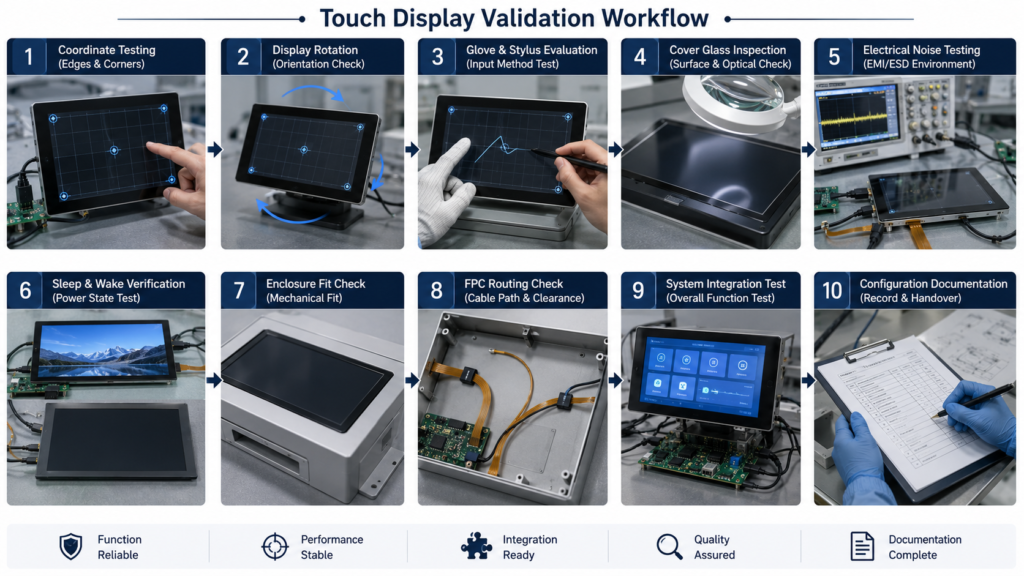
Валидация полного образца сенсорного дисплея
Область валидации
Минимальный обзор
Отображение изображения
Собственная синхронизация, полноэкранные шаблоны, ориентация, запуск, сон, пробуждение, повторные перезагрузки и состояния ошибок
Координаты касания
Центр, края, углы, направление X/Y, поворот, масштабирование, связь с несколькими дисплеями и целевые приложения
Ввод данных пользователем
Требуемые пальцы, стилус, перчатки, жесты, количество контактов, давление и рабочий процесс пользовательского интерфейса
Крышка и скрепление
Внешний вид, чувствительность, выравнивание, пузырьки, частицы, граничная область, клеи и поддержка корпуса
Электрическая работа
Производственное электропитание, состояния подсветки, зарядные устройства, двигатели, радиоустройства, кабели, заземление и периферийная активность
Условия эксплуатации
Определенные условия температуры, влажности, очистки, механические и электрические условия помехоустойчивости
Прошивка
Версия контроллера, драйвер хоста, ориентация, сон, пробуждение, загрузка, обновление и поведение при восстановлении
Механическая сборка
Посадка, выравнивание, трассировка FPC, доступ к разъему, область клея, допусковая цепочка и процедура обслуживания
Запись конфигурации
ЖК-дисплей, сенсор, контроллер, покровное стекло, FPC, плата, прошивка, кабель, клей, корпус и открытые вопросы
Записывайте утвержденную аппаратную и программную конфигурацию, а не утверждайте только название продукта. Изменение ЖК-дисплея, сенсорного контроллера, сенсора, покровного стекла, клея, версии платы, прошивки, кабеля или корпуса может потребовать частичной перепроверки.
Рекомендации по электрическим помехам, заземлению, подсветке, питанию и кабелям для емкостного сенсорного дисплея
Что отправлять для проверки сенсорного дисплея
Предоставьте следующую информацию для полезной рекомендации и расчета стоимости:
Целевой продукт и среда применения
Требуемая активная область ЖК-дисплея, разрешение, ориентация и габаритный контур модуля
Репрезентативный дизайн пользовательского интерфейса и наименьшие цели касания
Главный микроконтроллер, процессор приложений, управляющая плата или источник видео
Доступные интерфейсы дисплея и касания
Предпочтительная технология касания или требуемые инструменты ввода
Количество одновременных контактов и требуемые жесты
Чертеж покровного стекла, толщина, печать и требования к поверхности
Требования к скреплению и оптике
Условия использования перчаток, влажности, очистки и электрических помех
Направление FPC дисплея и касания, положение разъема и ограничения печатной платы
Требования к операционной системе, драйверу, прошивке, ориентации, сну и пробуждению
Механический чертеж или доступная CAD-модель корпуса
Требуемые условия проверки и документация
Прототип, пилотная партия, серийное производство и ожидаемые годовые объемы
Существующие технические паспорта дисплея или касания при замене другого модуля
Запрос на проверку совместимости сенсорного дисплея
RJY Display может проанализировать существующую платформу TFT ЖК-дисплея на соответствие вашим требованиям к технологии касания, контроллеру, покровному стеклу, скреплению, интерфейсу, FPC, прошивке, подсветке, главной плате и механике.
Это скоординированная дисплейная сборка, содержащая TFT ЖК-дисплей и сенсорный датчик, обычно с сенсорным контроллером, FPC, покровной конструкцией, скреплением или распорным устройством и отдельными электрическими соединениями с хостом. Точный состав компонентов должен быть подтвержден для каждого модуля.
Стоит ли выбирать емкостный или резистивный сенсор?
Выберите из требуемых инструментов ввода, жестов, количества контактов, покровной конструкции, пользовательского интерфейса, среды, поддержки хоста и результатов проверки. Проекционно-емкостные и резистивные сенсорные технологии используют разные методы обнаружения, и ни одна технология не является универсально правильной для каждого продукта.
Использует ли сенсорный экран тот же интерфейс, что и TFT ЖК-дисплей?
Обычно нет. ЖК-дисплей получает данные изображения через интерфейс дисплея, в то время как сенсорный контроллер обычно использует отдельное соединение с хостом, такое как I2C, USB или SPI. Оба интерфейса, их требования к питанию, прошивка и разъемы должны быть проанализированы.
Могу ли я добавить более толстое покровное стекло без изменения конструкции касания?
Не автоматически. Большее расстояние между пользователем и емкостным датчиком может снизить чувствительность. Материал покровного стекла, толщина, геометрия датчика, прошивка контроллера, скрепление, корпус и требуемое поведение ввода должны оцениваться как одна конфигурация.
Почему координаты касания неверны после поворота дисплея?
Ориентация дисплея и преобразование координат касания могут не использовать одинаковый поворот, начало координат, направление осей или масштабирование. Подтвердите драйвер касания, конфигурацию операционной системы, связь с дисплеем, диапазон контроллера и поведение приложения для каждой поддерживаемой ориентации.
Какая информация необходима для расчета стоимости сенсорного дисплея?
Предоставьте приложение, размер и разрешение ЖК-дисплея, механический контур, главную плату, интерфейсы дисплея и касания, инструменты ввода, количество контактов, чертеж покровного стекла, требования к скреплению, среду, ограничения FPC, требования к прошивке, требования к проверке, объемы и доступные чертежи или технические паспорта.