Facing a bottleneck in your Embedded Display Project?
Don’t let complex integration or supply chain issues slow your time-to-market. Book a free consultation with the RJY expert team for tailored design and manufacturing support.

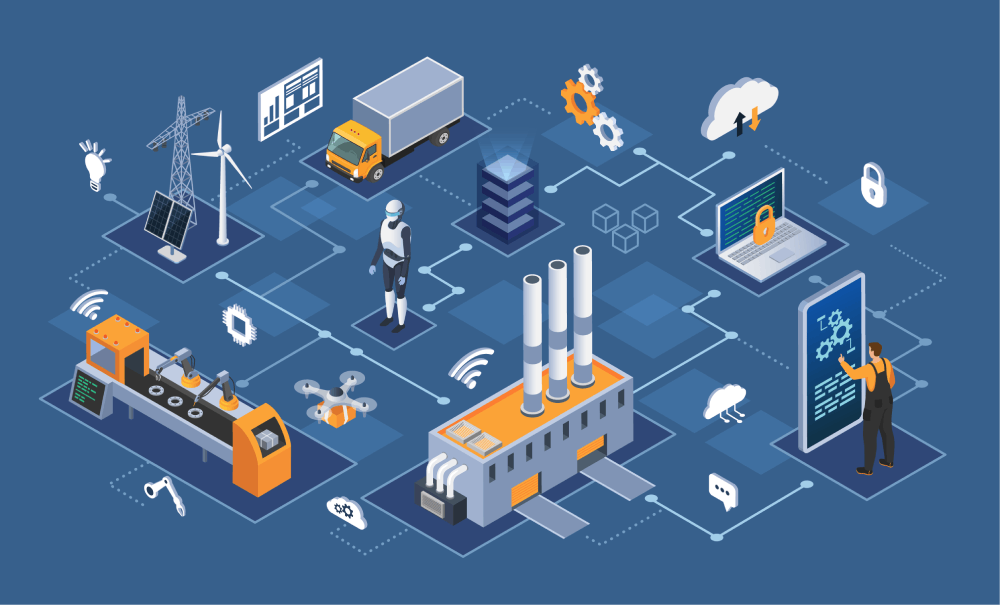
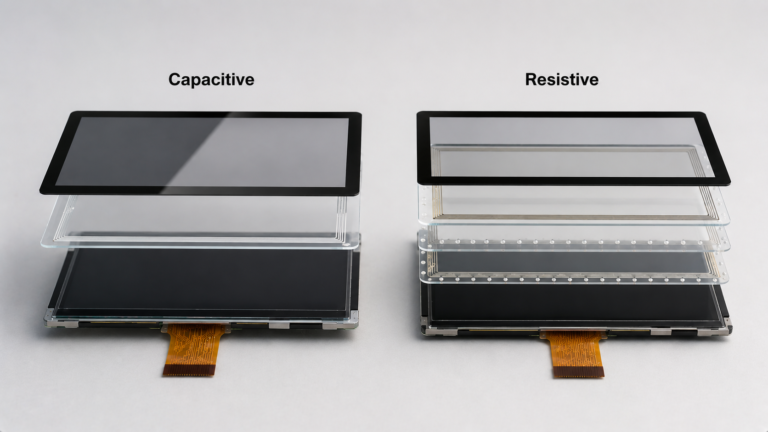
If you're designing an interface for a custom display solution, selecting between a capacitive vs resistive touchscreen is a decision that can impact everything from user experience to environmental resilience.
Both technologies detect touch—but how they do so, and the environments they thrive in, are fundamentally different. Here's what you need to know before you choose.
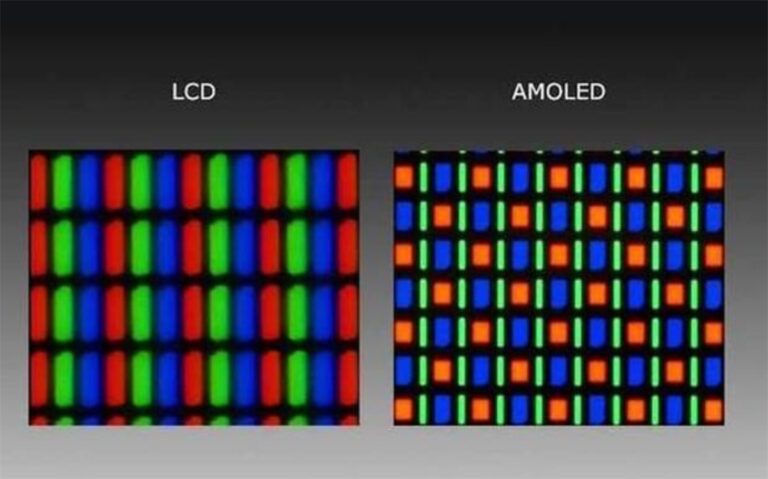
When it comes to high-performance screens in consumer electronics, wearables, or industrial devices, two display technologies dominate the landscape—AMOLED and IPS.
Both have transformed how we view and interact with digital content, but they operate on fundamentally different principles. Understanding the key distinctions between AMOLED vs IPS displays helps you make the right decision for your product’s performance, durability, and cost.
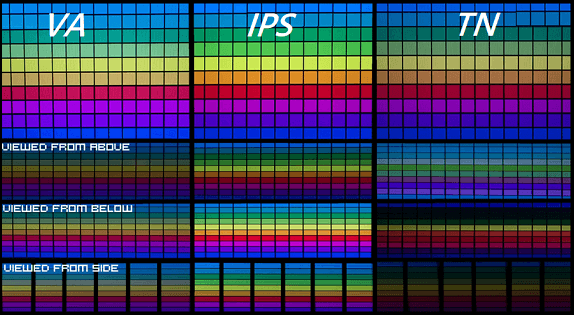
Choosing the right LCD display panel type is critical when designing industrial monitors, medical devices, or custom touch interfaces. The three main panel types—TN (Twisted Nematic), VA (Vertical Alignment), and IPS (In-Plane Switching)—each bring unique strengths and limitations.
This guide explores each LCD technology in depth and helps you decide which is best suited for your product or environment.

In the world of embedded systems and microcontroller projects, two platforms often stand out for their versatility and widespread use: STM32 and Arduino. Both have their strengths and weaknesses when it comes to LCD development, depending on the complexity of the project and the requirements of the display. In this article, we'll explore the differences between STM32 and Arduino for LCD development, helping you choose the right platform for your next project.
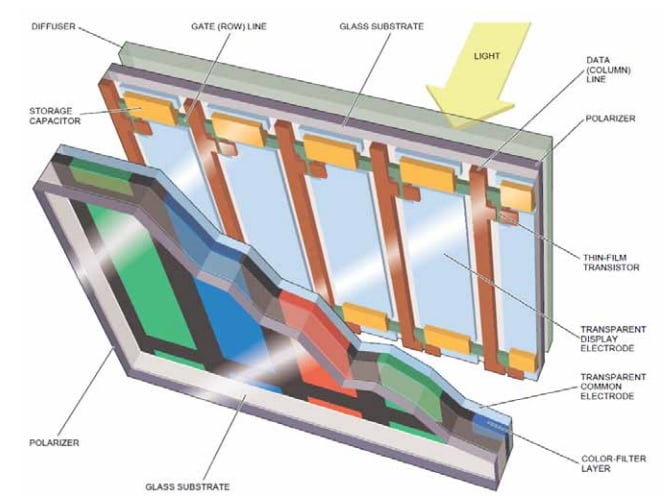
In the digital age, Thin-Film Transistor Liquid Crystal Displays (TFT-LCDs) have become ubiquitous, powering devices such as smartphones, tablets, televisions, and computer monitors. Renowned for their superior display quality, high resolution, accurate color reproduction, and extended lifespan, TFT-LCDs have established themselves as the preferred choice across various industries.
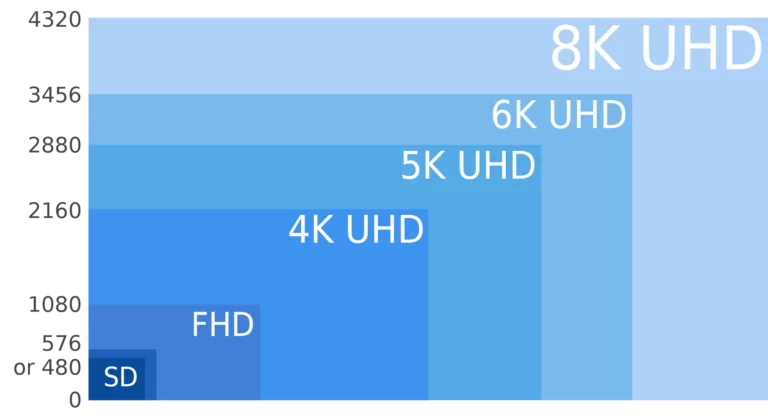
In modern display technology, Resolution Scale has become an important tool for optimizing visual performance and enhancing device functionality, especially in applications like medical, IoT (Internet of Things), and smart home industries. With the widespread use of TFT LCD technology, understanding how resolution scaling impacts display quality and performance is crucial. This article delves into the concept of resolution scale, whether TFT LCDs support resolution scaling adjustments, and the advantages and disadvantages of these adjustments in practical use, helping you better understand how to select and adjust LCD displays for various scenarios.
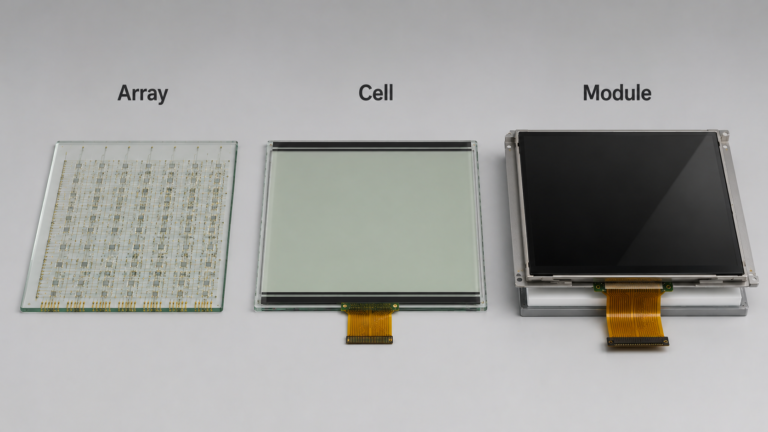
Thin-Film Transistor Liquid Crystal Displays (TFT-LCDs) have become the cornerstone of modern display technology, powering everything from smartphones and televisions to computer monitors and automotive displays. However, the manufacturing process behind these displays is highly intricate, involving several critical steps that ensure high-quality performance. In this article, we will delve into the key stages of TFT-LCD manufacturing, from array creation to cell fabrication and final module assembly.
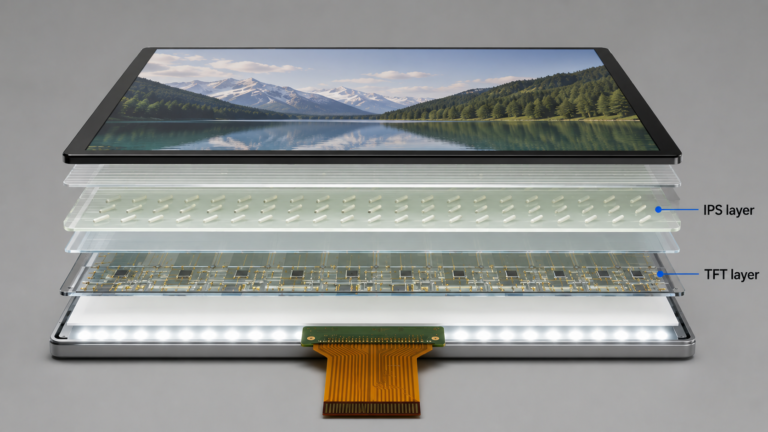
The difference between IPS and TFT LCD is often misunderstood. Many buyers search for “IPS vs TFT” as if IPS and TFT were two separate display technologies. Technically, this comparison is not precise. TFT LCD means thin-film transistor liquid crystal…
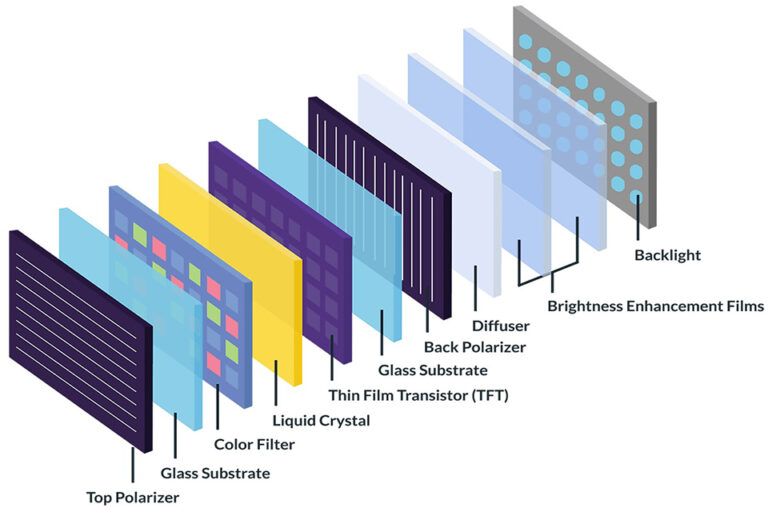
The phrase “TFT vs LCD” is a common search query—but it’s also a misleading one. That’s because TFT (Thin-Film Transistor) is not a competitor to LCD—it’s a type of LCD technology. To choose the right display for your project, it’s important to understand the relationship between TFT and LCD, how they differ from other technologies, and where each type excels.